
Medically reviewed by Dr. Tom Biernacki, DPM
Board-certified podiatric surgeon | Balance Foot & Ankle, Howell & Bloomfield Hills, MI
Last reviewed: May 2026

Quick answer: Bunion Corrector is a common foot/ankle topic that affects many patients. The 2026 evidence-based approach combines proper diagnosis, conservative-first treatment, and escalation only when needed. We treat this regularly at our Howell and Bloomfield Hills practices. Call (810) 206-1402.
Board-Certified Podiatric Foot & Ankle Surgeon · Last reviewed: May 5, 2026
Bunion correctors are one of the most searched and most misunderstood categories in foot care. Patients frequently come to my clinic asking if the corrector they bought online will fix their bunion — and I have to give them an honest answer. This guide explains exactly what bunion correctors can and can’t do, the different types available, and which patients they’re most appropriate for.
The most important clinical decision with Bunion Corrector isn’t which treatment to start with — it’s identifying the correct subtype. That changes everything. Call (810) 206-1402.
What Is a Bunion?
A bunion (hallux valgus) is a structural deformity of the first metatarsophalangeal (MTP) joint — the big toe joint. The first metatarsal bone drifts inward (toward the midline) while the big toe drifts outward (toward the second toe). This creates the characteristic bony bump on the inside of the foot. The deformity involves the bones, joint capsule, tendons, and soft tissue — it is not simply a “growth” or an inflamed bursa.
Because bunions are structural bony deformities, no external device can remodel the bone. This is the fundamental limit of any bunion corrector.
Types of Bunion Correctors
| Type | Best Use | Worn When | Evidence Level |
|---|---|---|---|
| Hinged night splint | Gentle stretching during sleep | Nighttime only | Moderate — may slow progression in mild cases |
| Toe spacers / separators | Pain relief by separating toes | In-shoe during activity | Good for symptom relief; no corrective effect |
| Bunion pad / sleeve | Cushions bunion prominence from shoe friction | In-shoe all day | Good for pain relief; no corrective effect |
| Rigid bunion brace | Post-surgical support (not correction) | As prescribed | Therapeutic in specific contexts |
| Gel toe separators | Prevents second-toe overlap; mild comfort | In-shoe | Good for comfort; minimal corrective value |
What Bunion Correctors Actually Do
Here’s an honest assessment of what research and clinical experience tell us about bunion correctors:
- Pain relief — YES. Separating the big toe from the second toe reduces inter-digit friction and pressure. Cushioning pads protect the bony prominence from shoe friction. Many patients report genuine comfort improvement.
- Temporary alignment — YES (while worn). Night splints hold the toe in a corrected position during sleep. However, the toe returns to its bunion position within minutes of removing the device.
- Slowing progression — POSSIBLE in mild cases. Some evidence suggests that wearing correctors consistently during early-stage bunions may slow the rate of deformity progression — particularly in adolescents. This is not well-established for moderate or severe bunions.
- Permanent correction — NO. No published research demonstrates that bunion correctors permanently straighten the big toe joint or reverse bony deformity. This claim is false regardless of what the product marketing says.
Best Bunion Correctors for Pain Relief
Night Splints
Bunion night splints hold the toe in a straightened position while you sleep, providing a sustained low-load stretch on the contracted joint capsule and soft tissue. This won’t straighten the bone, but it can reduce morning stiffness, maintain toe flexibility, and — in mild cases — modestly slow progression. Look for a hinged design that allows comfortable positioning rather than rigid models that cause pressure points.
Toe Separators and Spacers
Gel or silicone toe separators are the most practical daytime option. They fit between the first and second toe inside the shoe, preventing toe overlap and reducing the pressure that causes much of bunion pain. They’re particularly useful for patients whose bunion pain is driven by the second toe pressing on the big toe. Multiple separators per day may be needed if the separator moves.
Bunion Cushion Pads
Moleskin or gel pads placed directly over the bunion prominence protect it from shoe friction. This is the simplest and often most immediately effective bunion pain relief tool available. Combine with a wide toe box shoe that doesn’t press on the bunion for best results.
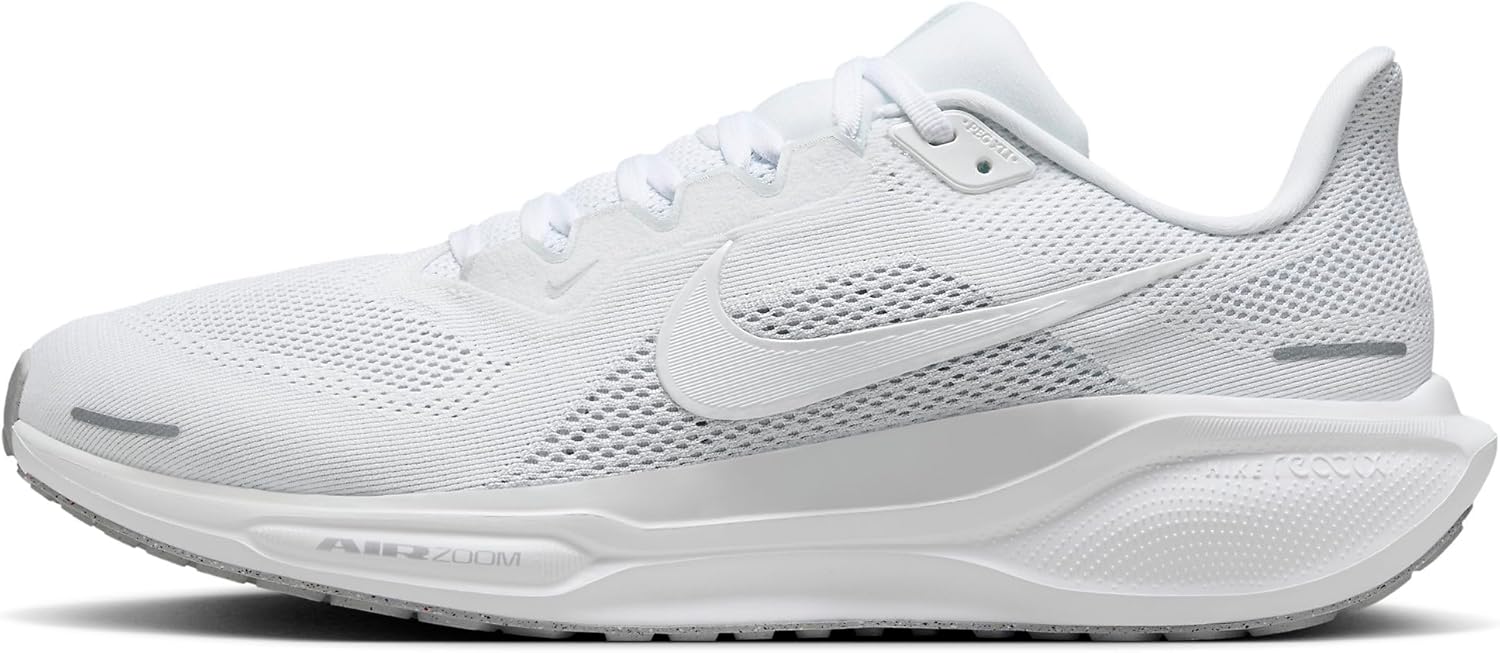
The Right Shoes Matter More Than Correctors
Footwear choice has a greater impact on bunion pain than any corrector device. The ideal shoe for bunion sufferers has:
- Wide or extra-wide toe box — allows the toes to splay naturally without pressing on the bunion
- Flexible upper material — soft leather or mesh that stretches over the bunion prominence
- Low heel (<1 inch) — high heels shift weight to the forefoot and increase bunion pressure
- No seams over the bunion area
Dr. Tom’s recommendation: Before spending money on multiple corrector devices, invest in one pair of well-fitting wide toe box shoes. Proper footwear eliminates the primary cause of bunion pain (shoe friction) more effectively than any corrector worn inside a shoe that still crowds the toe.
When Is Bunion Surgery the Right Choice?
Bunion surgery is the only treatment that permanently corrects the deformity. At Balance Foot & Ankle, we perform Lapiplasty® 3D Bunion Correction — a procedure that corrects the bunion in all three dimensions and provides more durable results than traditional 2D bunionectomy. Surgery is typically recommended when:
- Pain significantly limits daily activities despite conservative treatment
- The deformity is severe or rapidly progressing
- Shoe fitting becomes difficult or impossible
- Conservative care (orthotics, wide shoes, pads) has failed after 6+ months
- Secondary toe deformities (hammertoe, crossover toe) are developing
⚠️ Beware of “Bunion Corrector” Marketing Claims
- Any product claiming to “permanently correct,” “reverse,” or “heal” a bunion without surgery is making a false claim
- No peer-reviewed research supports permanent correction from splints, braces, or separators
- If a product seems too good to be true, it is — the anatomy simply doesn’t allow non-surgical bone repositioning
In-Office Treatment at Balance Foot & Ankle
If home treatment isn’t providing relief for your bunion, our podiatry team at Balance Foot & Ankle can help with same-day evaluations and advanced in-office care.
Frequently Asked Questions
How long should I wear a bunion corrector each day?
Night splints: 6-8 hours while sleeping. Toe spacers/pads: as long as comfortable during activity — most patients wear them all day in shoes. There is no evidence that wearing correctors for longer periods provides greater corrective benefit, but extended wear for comfort purposes is fine as long as the device doesn’t cause pressure sores or skin irritation.
Can bunion correctors make a bunion worse?
Poorly designed correctors can cause pressure sores, skin breakdown, or — if they force the toe into an extreme position — joint pain. Avoid rigid correctors that press hard against the bunion prominence. Night splints should hold the toe in a comfortable, gentle position rather than forcing aggressive alignment. Any corrector that causes pain during wear should be discontinued.
Are bunion correctors covered by insurance?
OTC bunion correctors and toe separators are generally not covered by insurance. Prescription bunion orthotics and post-surgical devices may be covered depending on your plan. Custom foot orthotics (which redistribute pressure away from the first MTP joint and can slow bunion progression) are often covered with a podiatrist’s prescription. Contact your insurance provider to confirm coverage before purchasing.
When Shoes Aren’t Enough — Dr. Tom’s Top 9 Orthotics
About 30% of patients I see for foot pain need MORE than a great shoe — they need a structured insole. Below: my complete 2026 orthotic ranking with pros, cons, and the specific patient I’d give each one to.




What Actually Works for Bunion Pain (Evidence-Based)
- PowerStep Pinnacle — Arch support is more evidence-based for bunion pain relief than correctors. Reduces 1st MTP joint load during walking.
- Doctor Hoy’s Natural Pain Relief Gel — Bunion joint inflammation and pain: arnica + camphor gel applied directly to the bunion joint 3-4x daily.
- Foot Petals Tip Toes — For women with bunions in heels: Foot Petals Tip Toes protect the bunion joint from shoe-wall friction without a full insole.
Bunion pain not improving with splints, pads, or orthotics? Our minimally invasive bunion surgery has a 2-week recovery → (810) 206-1402
Frequently Asked Questions
When should I see a podiatrist?
If symptoms persist past 2 weeks, affect your normal activity, or are accompanied by red-flag symptoms (warmth, redness, swelling, inability to bear weight).
What does treatment cost?
Most diagnostic visits and conservative treatments are covered by Medicare and major insurers. Out-of-pocket costs vary by your specific plan.
How quickly can I get an appointment?
Most non-urgent cases see us within 5 business days. Urgent cases (sudden pain, possible fracture) typically same or next business day.
What is Bunion?
Bunion is a common foot/ankle condition that affects mobility and quality of life. Understanding the underlying cause is the first step in successful treatment. Our podiatrists at Balance Foot & Ankle perform a hands-on biomechanical exam, review your activity history, and use diagnostic imaging when appropriate to identify the root cause—not just treat the symptom. Many patients have been told to “rest and ice” without a deeper diagnostic workup; our approach is different.
Symptoms and warning signs
Common signs of bunion include pain that worsens with activity, morning stiffness, swelling, tenderness when palpated, and difficulty bearing weight. If you experience sudden severe pain, inability to walk, visible deformity, numbness or color change, contact our office the same day or visit urgent care—these can signal a more serious injury such as a fracture, tendon rupture, or vascular compromise. Diabetics with any foot wound should seek same-day care.
Conservative treatment options
Most cases of bunion respond to non-surgical care: structured rest, supportive footwear changes, custom orthotics, targeted stretching and strengthening protocols, anti-inflammatory medications when medically appropriate, and in-office procedures such as ultrasound-guided injections. We also offer advanced therapies including MLS laser therapy, EPAT/shockwave, regenerative injections, and image-guided procedures. Treatment is sequenced from least invasive to most invasive, and we explain the rationale at every step.
When is surgery considered?
Surgery is reserved for cases that fail 3-6 months of well-structured conservative care, when there is structural pathology (severe deformity, complete tear, advanced arthritis), or when imaging shows damage that will not heal without intervention. Our surgeons have performed 3,000+ foot and ankle procedures and prioritize minimally-invasive techniques whenever appropriate. We discuss recovery timelines, return-to-activity milestones, and realistic outcome expectations before any procedure is scheduled.
Recovery timeline and prevention
Recovery from bunion varies based on severity and chosen treatment path. Conservative cases often improve within 4-8 weeks with consistent adherence to the protocol. Post-procedural recovery may range from a few days (in-office procedures) to several months (reconstructive surgery). Long-term prevention involves footwear assessment, activity modification, structured strengthening, and regular check-ins with your podiatrist if you have a history of recurrence. We provide written home-exercise plans and digital follow-up support.
Ready to Get Relief?
Same-day appointments available in Howell & Bloomfield Hills, MI
4.9★ | 1,123 Reviews | 3,000+ Surgeries
Or call: (810) 206-1402

Dr. Tom Biernacki, DPM is a board-certified foot & ankle surgeon (ABFAS & ABPM) at Balance Foot & Ankle Specialists in Southeast Michigan. With over a decade of clinical experience, he specializes in heel pain, bunions, diabetic foot care, sports injuries, and minimally invasive surgery. Dr. Biernacki is a member of the APMA and ACFAS, and his patient education content on MichiganFootDoctors.com and YouTube has made him one of the most-followed foot & ankle educators on YouTube.