
Medically reviewed by Dr. Tom Biernacki, DPM
Board-certified podiatric surgeon | Balance Foot & Ankle, Howell & Bloomfield Township, MI
Last reviewed: May 2026
Most patients underestimate how much the post-operative phase determines Chronic Ankle Instability 2026 | Podiatrist outcomes — not the surgery itself. Our podiatric surgeons identify the single recovery variable that separates patients who return to full activity on schedule from those who experience setbacks. Call (810) 206-1402 — expert podiatric care across Michigan.

| Classification | Clinical Finding | Stress X-ray | MRI Finding | Management |
|---|---|---|---|---|
| Grade I (Functional) | Giving way sensation; no objective laxity on exam | Normal talar tilt (<9°); normal anterior drawer | ATFL intact or minor signal change | Proprioception training; peroneal strengthening; brace |
| Grade II (Mechanical — ATFL) | Positive anterior drawer; mild talar tilt | Anterior drawer >3mm asymmetry; talar tilt 9–15° | ATFL tear; CFL often intact | Structured PT 3–6 months; Brostrom if PT fails |
| Grade III (Mechanical — ATFL + CFL) | Positive anterior drawer + talar tilt; subtalar instability | Talar tilt >15°; anterior drawer >5mm | ATFL + CFL tears; possible osteochondral lesion | Modified Brostrom-Gould procedure; address OCD if present |
| Grade IV (Revision / Severe) | Failed prior Brostrom; global hypermobility; insufficient tissue | Severe laxity on all stress views | Attenuated repaired ligaments; fibular tunnel changes | Allograft / tenodesis reconstruction (Chrisman-Snook or anatomic allograft) |
| Treatment | Indication | Technique | Success Rate | Return to Sport | Key Advantage |
|---|---|---|---|---|---|
| Structured Rehabilitation | Grade I–II; first surgical candidate workup | Peroneal strengthening + proprioception + AFO brace | 85% in first-episode instability | 4–8 weeks | Non-invasive; reverses functional instability |
| Modified Brostrom | Grade II–III; failed 3–6 months PT | Direct ATFL (± CFL) imbrication and reattachment to fibula | 85–92% good-to-excellent | 4–5 months | Anatomic repair; preserves subtalar motion |
| Brostrom-Gould | Grade III; severe laxity; athletes; hypermobility | Brostrom repair + inferior extensor retinaculum augmentation | 90–95% good-to-excellent | 4–6 months | IER reinforcement reduces re-tear risk in high-demand patients |
| Arthroscopic Brostrom | Grade II–III; concomitant intra-articular pathology suspected | Anchor-based ATFL repair via arthroscope; arthroscopy addresses OCD/impingement | 88–93% | 3–5 months | Single procedure for instability + intra-articular lesion |
| Allograft Reconstruction | Grade IV; revision; tissue insufficient; severe hypermobility | Peroneus brevis or gracilis allograft through fibular tunnel and talar neck | 75–85% | 6–9 months | Viable when native tissue inadequate for repair |
Medically Reviewed | Dr. Tom Biernacki, DPM | Board-Certified Podiatric Surgeon | Balance Foot & Ankle, Michigan
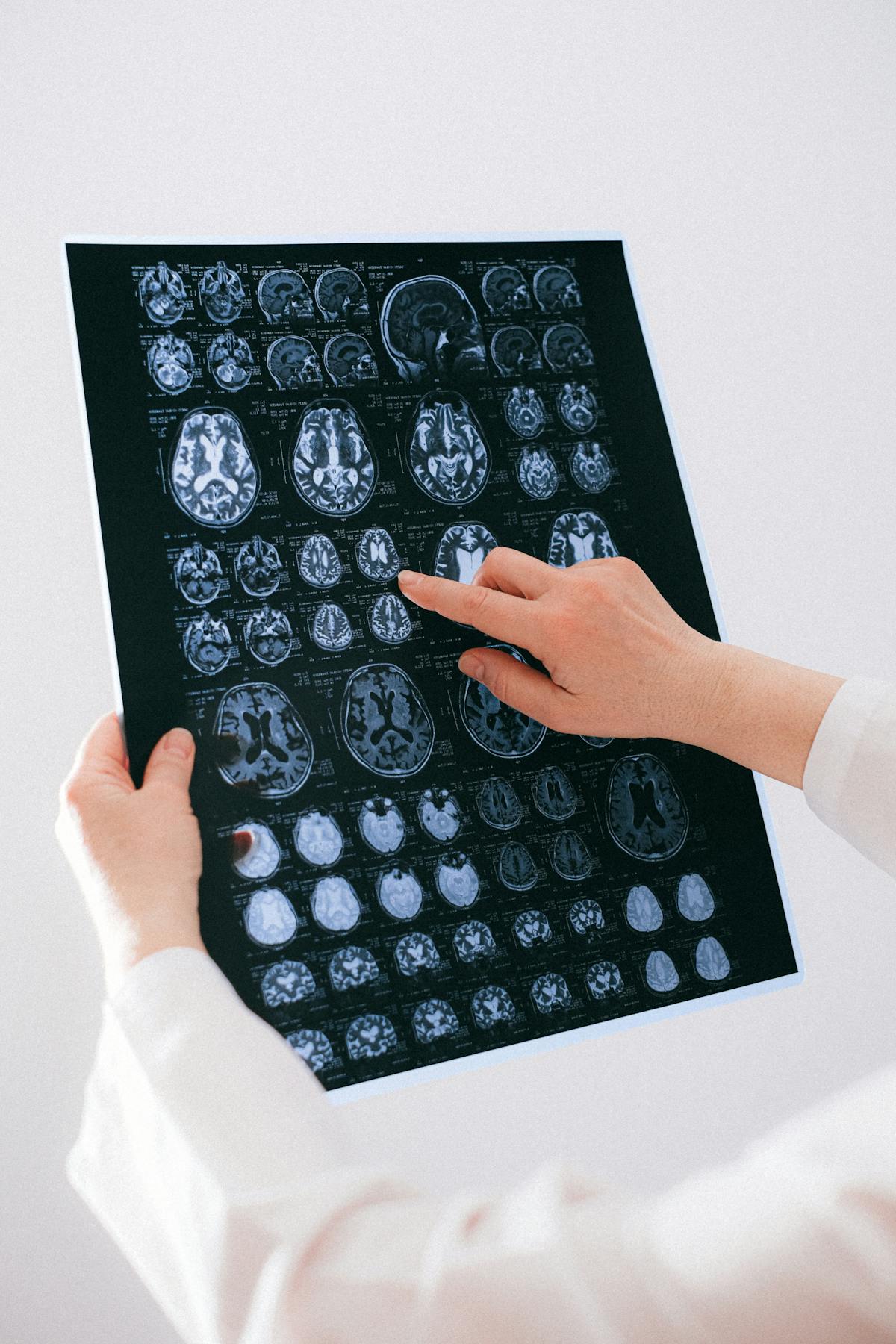
The most important clinical decision with Chronic Lateral Ankle Instability Brostrom Gould Repair Michigan Podiatrist isn’t which treatment to start with — it’s identifying the correct subtype. That changes everything. Call (810) 206-1402.
What Causes Chronic Ankle Instability?
Lateral ankle sprains are the most common sports injury — approximately 25,000 per day in the United States. Most heal with conservative care, but 20–40% of acute sprains progress to chronic lateral ankle instability (CLAI), characterized by persistent giving-way, a feeling of the ankle “rolling,” difficulty with uneven terrain, and recurrent sprains with trivial provocation. CLAI results from inadequate healing of the anterior talofibular ligament (ATFL) — the primary restraint to anterior talar translation — and often the calcaneofibular ligament (CFL). Concurrent injuries — peroneal tendon tears, osteochondral lesions of the talus, subtalar instability — are present in a significant percentage of CLAI patients and must be identified and addressed.
Conservative Treatment: The Foundation
Before considering surgery, Dr. Biernacki ensures every CLAI patient has completed an adequate trial of conservative rehabilitation. Structured physical therapy for 3–6 months — targeting peroneal muscle strengthening, proprioceptive training, and sport-specific neuromuscular control — successfully manages the majority of ankle instability cases. Rigid ankle bracing (lace-up or semi-rigid) provides mechanical stability during sport. Custom orthotics address any underlying biomechanical contributors (hindfoot varus, hypermobility). Activity modification during acute flares. Surgery is reserved for patients who fail comprehensive conservative rehabilitation with documented functional instability.
The Brostrom-Gould Procedure
The Brostrom-Gould anatomic repair is the most widely performed and best-evidenced surgical treatment for CLAI. Through a lateral ankle incision, the attenuated ATFL and CFL are identified, shortened, and reattached to the fibula using bone anchors — restoring normal ligament tension without sacrificing normal anatomy. The Gould modification reinforces the repair by incorporating the inferior extensor retinaculum, adding a second layer of strength and improving subtalar stability. The Brostrom-Gould procedure preserves full ankle range of motion, has minimal donor site morbidity, and achieves >90% good-to-excellent outcomes in appropriately selected patients.
When Anatomic Repair Is Insufficient
Some patients are not ideal candidates for anatomic Brostrom-Gould repair: those with generalized ligamentous laxity (Ehlers-Danlos syndrome), revision instability after prior failed repair, or severely attenuated ligamentous tissue. In these cases, augmented anatomic repair using an internal brace (suture tape augmentation, InternalBrace technique) or non-anatomic reconstruction with autograft or allograft tendon provides additional mechanical strength. Dr. Biernacki discusses the appropriate technique for each patient’s anatomy, tissue quality, and activity demands.
Recovery and Return to Sport
After Brostrom-Gould repair, patients are non-weight-bearing in a splint for 2 weeks, then progress to a CAM boot for 4 weeks. Physical therapy begins at 6 weeks with range-of-motion and peroneal strengthening, advancing to proprioception and sport-specific training at 10–12 weeks. Most patients return to competitive sport at 4–5 months post-operatively. Athletes augmented with internal brace technique may progress more rapidly (3–4 months for return to sport) due to immediate mechanical reinforcement allowing accelerated rehabilitation.
Dr. Tom's Product Recommendations

McDavid 195 Ankle Brace with Figure-8 Straps
⭐ Highly Rated
Lace-up ankle brace with bilateral stabilizer straps providing mediolateral ankle support — the gold standard conservative bracing option for chronic lateral ankle instability.
Dr. Tom says: “”The McDavid figure-8 brace is my conservative recommendation for CLAI — it provides mechanical stability that trains proprioception while protecting against giving-way episodes during sport.” — Dr. Biernacki”
Chronic ankle instability, post-sprain return to sport, CLAI conservative management
Post-operative period requiring rigid immobilization
Disclosure: We earn a commission at no extra cost to you.
✅ Pros / Benefits
- Brostrom-Gould achieves >90% good-to-excellent outcomes — one of the highest success rates of any elective orthopedic procedure.
- Anatomic repair preserves full ankle range of motion and normal joint biomechanics — no motion sacrificed.
- Internal brace augmentation allows accelerated rehab with return to sport potentially at 3–4 months.
❌ Cons / Risks
- Patients with generalized hypermobility (Ehlers-Danlos) have higher failure rates with standard Brostrom — augmentation or reconstruction is needed.
- Revision surgery after failed primary repair is significantly more complex — maximizing primary repair success with proper technique is critical.
- Complete recovery to full competitive sport takes 4–5 months — this is not a rapid return procedure.
Dr. Tom Biernacki’s Recommendation
Ankle instability is life-limiting — patients avoid hiking, pick-up basketball, uneven pavement. The Brostrom-Gould procedure is one of the most reliable operations I perform, and the patient satisfaction is very high because we’re restoring something that affects their daily life in real, meaningful ways. The key is selecting the right patients — those who’ve genuinely tried conservative rehab and still have functional instability — and executing the repair with precision.
— Dr. Tom Biernacki, DPM | Board-Certified Podiatric Surgeon | Balance Foot & Ankle
Frequently Asked Questions
How many ankle sprains before I should consider surgery?
There is no magic number, but recurrent instability (giving-way with normal activities, repeated sprains on trivial provocation) after 3–6 months of structured physical therapy and bracing suggests conservative care has been exhausted. Functional instability — inability to participate in desired activities despite bracing — is the primary indication, not simply number of sprains.
Will I need hardware removed after Brostrom surgery?
No — the bone anchors used to reattach the ligaments to the fibula are typically titanium or bioabsorbable and do not require removal. The internal brace suture tape (if used) also remains permanently. Hardware removal is rarely needed unless a specific complication arises.
Can ankle instability surgery be done arthroscopically?
The ankle joint can be scoped first (arthroscopy) to address concurrent intra-articular pathology (OLT, synovitis, loose bodies) before the open Brostrom-Gould repair is performed through a separate lateral incision. Fully arthroscopic ligament repair techniques exist but are less established than open repair; Dr. Biernacki will discuss which approach is most appropriate.
Is ankle instability surgery covered by insurance?
Yes — Brostrom-Gould repair is covered by most major insurance plans when medically necessary and documented with prior failed conservative treatment (physical therapy records, bracing trial), clinical examination findings, and stress radiographs or MRI confirming ligament laxity.
Michigan Foot Pain? See Dr. Biernacki In Person
4.9★ rated | 1,123 Reviews | 3,000+ Surgeries
Same-week appointments · Howell & Bloomfield Township
📞 (810) 206-1402 Book Online →Frequently Asked Questions
When should I see a podiatrist?
If symptoms persist past 2 weeks, affect your normal activity, or are accompanied by red-flag symptoms (warmth, redness, swelling, inability to bear weight).
What does treatment cost?
Most diagnostic visits and conservative treatments are covered by Medicare and major insurers. Out-of-pocket costs vary by your specific plan.
How quickly can I get an appointment?
Most non-urgent cases see us within 5 business days. Urgent cases (sudden pain, possible fracture) typically same or next business day.
Visit Balance Foot & Ankle — Same-Day Appointments Available
Our podiatry team serves patients throughout Michigan including Howell, Brighton, and Bloomfield Township. If you’re dealing with heel pain, ingrown toenails, or a foot injury, we have same-day appointment availability.
OrthoInfo – AAOS: Lateral Ankle Ligament Reconstruction
Ready to Get Relief?
Same-day appointments available in Howell & Bloomfield Township, MI
4.9★ | 1,123 Reviews | 3,000+ Surgeries
Or call: (810) 206-1402

Dr. Tom Biernacki, DPM is a board-certified foot & ankle surgeon (ABFAS & ABPM) at Balance Foot & Ankle Specialists in Southeast Michigan. With over a decade of clinical experience, he specializes in heel pain, bunions, diabetic foot care, sports injuries, and minimally invasive surgery. Dr. Biernacki is a member of the APMA and ACFAS, and his patient education content on MichiganFootDoctors.com and YouTube has made him one of the most-followed foot & ankle educators on YouTube.
More questions patients ask
How many ankle sprains does it take before it becomes chronic instability?
Chronic lateral ankle instability (CLAI) is typically defined as recurrent ankle sprains — usually 3 or more — accompanied by persistent giving-way episodes, ongoing pain, and functional limitations lasting more than 12 months after the initial injury. However, a single severe ankle sprain with complete ATFL rupture can lead to instability in 10–30% of cases if rehabilitation is inadequate. The critical factor is not the number of sprains alone, but whether the patient has ongoing giving-way during daily activities or sport despite appropriate rehabilitation.
What is the difference between mechanical and functional ankle instability?
Mechanical instability refers to objective ligamentous laxity — a positive anterior drawer test or excessive talar tilt on stress X-ray demonstrating actual joint hypermobility. Functional instability refers to subjective giving-way episodes and loss of confidence in the ankle, with normal or near-normal ligament testing — caused by proprioceptive deficits and peroneal muscle weakness from nerve injury at the time of the original sprain. Both forms can coexist. Physical therapy effectively treats functional instability; surgical repair addresses mechanical instability when therapy has failed.
What is the success rate of the Broström-Gould procedure?
The Broström-Gould is among the most successful procedures in foot and ankle surgery — return to sport rates of 85–95% are consistently reported across multiple studies. Long-term follow-up at 10–15 years shows maintained stability and high patient satisfaction in 80–90% of cases. The most important predictor of success is appropriate patient selection (documented mechanical instability, failed rehabilitation) and surgeon experience. Athletes typically return to competitive sport at 4–6 months post-surgery.
Can ankle instability cause arthritis?
Yes — chronic lateral ankle instability accelerates ankle joint cartilage deterioration. Each instability episode subjects the talus and tibial plafond to abnormal forces and shear stress. Studies show that patients with long-standing CLAI have significantly higher rates of osteochondral defects (cartilage lesions) and post-traumatic ankle arthritis compared to the uninjured ankle. This is a compelling reason to surgically stabilize an ankle with documented mechanical instability that has failed rehabilitation — not just for immediate function, but for long-term joint preservation.
Still have a question about coverage or cost? Book online and we will check your benefits before your visit: Book in Howell · Book in Bloomfield Township. Prefer to talk it through first? Call (810) 206-1402.