
Medically reviewed by Dr. Tom Biernacki, DPM
Board-certified podiatric surgeon | Balance Foot & Ankle, Howell & Bloomfield Hills, MI
Last reviewed: May 2026

| Neuropathy Type | Nerve Affected | Symptoms | Foot Risk | Treatment Focus |
|---|---|---|---|---|
| Sensory (most common) | Small + large sensory fibers | Numbness, tingling, burning, pain | Loss of protective sensation | Pain meds, protective footwear |
| Motor | Motor fibers | Intrinsic muscle weakness, deformity | Hammertoes, high-pressure ulcer sites | Custom orthotics, deformity surgery |
| Autonomic | Autonomic fibers | Dry skin, absent sweating | Skin cracks, Charcot neuroarthropathy | Moisturizing, protective offloading |
| Charcot Neuroarthropathy | All fiber types | Red, hot, swollen foot; minimal pain | Fracture-dislocation, rocker-bottom | Urgent total contact casting |
| Neuropathic Pain Treatment | Drug Class | NNT | Common Side Effects | Evidence |
|---|---|---|---|---|
| Pregabalin (Lyrica) | Alpha-2 delta ligand | 4–5 | Dizziness, weight gain, somnolence | Level I (FDA-approved) |
| Duloxetine (Cymbalta) | SNRI | 5–6 | Nausea, fatigue, dry mouth | Level I (FDA-approved) |
| Gabapentin | Alpha-2 delta ligand | 5–7 | Dizziness, somnolence | Level I |
| Amitriptyline (TCA) | Tricyclic antidepressant | 3–4 | Sedation, anticholinergic | Level II |
| Topical Capsaicin 0.075% | TRPV1 desensitizer | 6–7 | Initial burning, local only | Level II |
| MLS Laser Therapy | Photobiomodulation | N/A | Minimal; no contraindications | Level II–III emerging |
Numbness creeping up from your toes is a warning — we slow it, we manage it, and we protect your feet.
Treatment at Balance Foot & Ankle: Diabetic Foot & Circulation Screening →
You are in the right place. Dr. Tom Biernacki, DPM, FACFAS — board-certified foot & ankle surgeon with 3,000+ surgeries — explains exactly what diabetic peripheral neuropathy — foot numbness and pain means and what works. Call (810) 206-1402 for same-day appointment at Howell or Bloomfield Hills.
Quick answer: Diabetic Peripheral Neuropathy Foot Numbness Pain Michigan Podiatrist has multiple potential causes including mechanical, neurological, vascular, and inflammatory. The most common causes we identify are overuse, ill-fitting shoes, and biomechanical imbalance. Red flags requiring urgent evaluation: warmth/redness (infection), inability to bear weight (fracture), and unilateral swelling without injury (DVT). Call (810) 206-1402.
Medically Reviewed | Dr. Tom Biernacki, DPM | Board-Certified Podiatric Surgeon | Balance Foot & Ankle, Michigan


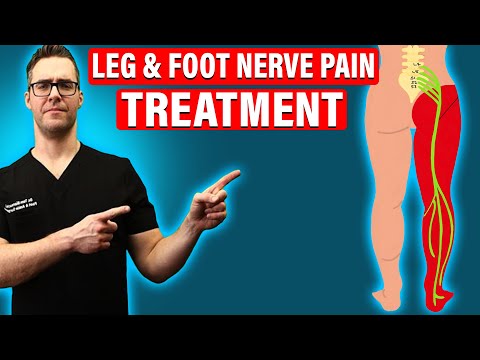
Watch: Peripheral Neuropathy Home Remedies [Leg & Foot Nerve Pain Treatment] — MichiganFootDoctors YouTube
The most important clinical decision with Diabetic Peripheral Neuropathy Foot Numbness Pain Michigan Podiatrist isn’t which treatment to start with — it’s identifying the correct subtype. That changes everything. Call (810) 206-1402.
The most important clinical decision with Diabetic Peripheral Neuropathy Foot Numbness Pain Michigan Podiatrist isn’t which treatment to start with — it’s identifying the correct subtype. That changes everything. Call (810) 206-1402.
Why Diabetes Attacks the Feet First
The feet are the first victim of diabetic neuropathy for a simple anatomical reason: the peripheral nerve fibers supplying the feet are the longest in the human body — running from the lumbar spinal cord all the way to the toes. The longer a nerve fiber, the more metabolic energy it demands, and the more vulnerable it is to the oxygen deprivation and toxic metabolic byproducts created by chronically elevated blood glucose.
The result is length-dependent peripheral neuropathy — symptoms begin in the toes and ball of the foot, gradually ascending toward the ankle and lower leg as neuropathy progresses. By the time symptoms reach mid-calf, the feet have typically lost protective sensation entirely — meaning the patient cannot feel wounds, blisters, foreign objects, or abnormal pressure on the sole of the foot.
The Consequence: Unrecognized Foot Wounds
Loss of protective sensation is the critical inflection point in diabetic neuropathy. A patient who cannot feel their feet will walk on a nail, blister from ill-fitting shoes, or develop a pressure ulcer under a callus — and never know it until the wound is infected. Diabetic foot ulcers affect approximately 15% of diabetic patients during their lifetime. Of those who develop a diabetic foot infection requiring hospitalization, up to 20% ultimately undergo amputation of some portion of the foot or leg.
These outcomes are not inevitable. Consistent podiatric monitoring — identifying neuropathy early, establishing protective footwear, performing routine nail and callus care, and catching early ulcers before infection sets in — dramatically reduces amputation risk. Studies consistently show that patients with regular podiatry care have 50–70% lower amputation rates than those without.
Dr. Biernacki’s Diabetic Neuropathy Management Protocol
Comprehensive diabetic foot exam — Dr. Biernacki performs monofilament protective sensation testing, vibration threshold assessment, ankle-brachial index vascular screening, skin temperature comparison, and inspection for callus, ulcer precursors, and nail pathology. These exams detect neuropathy before complications occur. Medicare covers annual diabetic foot exams for patients with qualifying neuropathy.
Custom diabetic footwear — Therapeutic shoes with extra depth, seamless lining, and pressure-distributing insoles protect neuropathic feet from the abnormal pressure points that cause ulcers. Medicare Part B covers one pair of therapeutic diabetic shoes plus three pairs of insoles per calendar year for qualifying beneficiaries.
Routine nail and callus care — Neuropathic patients cannot safely trim their own nails or debride their own calluses. Dr. Biernacki performs precise debridement of calluses overlying pressure hot spots — removing the abnormal pressure concentrator before it becomes an ulcer — and precise nail trimming that prevents ingrown nail wounds in insensate feet.
Early wound intervention — Any diabetic foot wound receives urgent evaluation, debridement, appropriate offloading, and advanced wound care. Early wounds caught before infection resolve with outpatient management. Infected wounds require urgent intervention to prevent osteomyelitis and amputation.
Dr. Tom's Product Recommendations

Dr. Comfort William Diabetic Shoe
⭐ Highly Rated
Medicare-eligible extra-depth diabetic shoe with seamless interior, removable insole, and protective toe box. Reduces plantar pressure hot spots that cause diabetic foot ulcers.
Dr. Tom says: “The right therapeutic shoe dramatically reduces ulcer risk — it’s the most important investment a neuropathic patient can make.”
Neuropathic diabetic patients, ulcer prevention, Medicare patients
Patients with normal sensation and standard foot shape
Disclosure: We earn a commission at no extra cost to you.

Viasox Diabetic Socks (Non-Binding, Seamless)
⭐ Highly Rated
Non-constricting, seam-free diabetic socks with moisture-wicking and antimicrobial properties. No tight bands that restrict circulation or seams that cause pressure wounds in insensate feet.
Dr. Tom says: “Every diabetic patient should be wearing seamless, non-binding socks — full stop.”
All diabetic patients, daily wear, neuropathy
Non-diabetic patients without circulation concerns
Disclosure: We earn a commission at no extra cost to you.
✅ Pros / Benefits
- Early neuropathy detection with monofilament testing prevents ulcers before they start
- Medicare covers annual diabetic foot exams and therapeutic footwear for qualifying patients
- Custom diabetic shoes reduce plantar pressure hot spots that cause 85% of diabetic ulcers
- Routine nail and callus care eliminates the most common wound precursors in neuropathic feet
❌ Cons / Risks
- Advanced neuropathy is largely irreversible — early detection and blood sugar control are critical
- Diabetic foot care requires ongoing commitment — single visits are not sufficient
- Peripheral artery disease coexisting with neuropathy dramatically worsens healing outcomes
Dr. Tom Biernacki’s Recommendation
Diabetic peripheral neuropathy is the condition I take most seriously in my practice — because it’s the one that ends with an amputation if we miss the window for prevention. I’ve seen patients who waited until they had a non-healing wound to come in, and I’ve seen patients who started annual preventive exams with me years before any problem developed. The outcomes are completely different. If you have diabetes and haven’t had a comprehensive foot exam with monofilament testing, please call us today. This is one of the few appointments in medicine where a single visit genuinely changes the trajectory of your health.
— Dr. Tom Biernacki, DPM | Board-Certified Podiatric Surgeon | Balance Foot & Ankle
Frequently Asked Questions
How often should a diabetic patient see a podiatrist?
At minimum annually for patients without neuropathy or prior foot problems. Every 1–3 months for patients with active neuropathy, history of ulcers, peripheral artery disease, or poor glycemic control. Medicare covers routine diabetic foot care for patients with qualifying neuropathy — call our office to verify your eligibility.
Can diabetic neuropathy get better?
Early-stage neuropathy may partially improve with optimal blood sugar control — each 1% reduction in HbA1c reduces neuropathy progression risk by approximately 60%. Advanced neuropathy with established nerve fiber loss is largely irreversible. Prevention through early detection and glycemic control is far more effective than treatment after damage is established.
What does diabetic neuropathy feel like?
Symptoms vary by stage and patient. Early neuropathy often presents as subtle numbness or tingling in the toes. Moderate neuropathy produces burning, electric, or shooting pain — often worse at night. Advanced neuropathy causes complete loss of sensation — patients may feel no pain at all, which paradoxically represents the most dangerous stage because wounds go undetected.
Does Medicare pay for diabetic foot care?
Yes. Medicare Part B covers annual preventive diabetic foot exams for patients with qualifying diabetic peripheral neuropathy — you do not need to be symptomatic. Medicare also covers routine nail care for patients with neuropathy and one pair of therapeutic diabetic shoes plus three insole sets per calendar year under the Therapeutic Shoe Bill.
Michigan Foot Pain? See Dr. Biernacki In Person
4.9★ rated | 1,123 Reviews | 3,000+ Surgeries
Same-week appointments · Howell & Bloomfield Hills
Frequently Asked Questions
When should I see a doctor?
See a podiatrist if pain persists past 2 weeks, prevents normal activity, or is accompanied by red-flag symptoms (warmth, swelling, numbness, inability to bear weight).
Can I treat this at home?
Mild cases respond to RICE protocol (rest, ice, compression, elevation), supportive shoes, and OTC anti-inflammatories. Persistent symptoms need professional evaluation.
How long does it take to heal?
Most soft tissue injuries resolve in 2-6 weeks with appropriate care. Bone injuries take 6-12 weeks. Chronic conditions need longer-term management.
What is Neuropathy?
Neuropathy is a common foot/ankle condition that affects mobility and quality of life. Understanding the underlying cause is the first step in successful treatment. Our podiatrists at Balance Foot & Ankle perform a hands-on biomechanical exam, review your activity history, and use diagnostic imaging when appropriate to identify the root cause—not just treat the symptom. Many patients have been told to “rest and ice” without a deeper diagnostic workup; our approach is different.
Symptoms and warning signs
Common signs of neuropathy include pain that worsens with activity, morning stiffness, swelling, tenderness when palpated, and difficulty bearing weight. If you experience sudden severe pain, inability to walk, visible deformity, numbness or color change, contact our office the same day or visit urgent care—these can signal a more serious injury such as a fracture, tendon rupture, or vascular compromise. Diabetics with any foot wound should seek same-day care.
Conservative treatment options
Most cases of neuropathy respond to non-surgical care: structured rest, supportive footwear changes, custom orthotics, targeted stretching and strengthening protocols, anti-inflammatory medications when medically appropriate, and in-office procedures such as ultrasound-guided injections. We also offer advanced therapies including MLS laser therapy, EPAT/shockwave, regenerative injections, and image-guided procedures. Treatment is sequenced from least invasive to most invasive, and we explain the rationale at every step.
When is surgery considered?
Surgery is reserved for cases that fail 3-6 months of well-structured conservative care, when there is structural pathology (severe deformity, complete tear, advanced arthritis), or when imaging shows damage that will not heal without intervention. Our surgeons have performed 3,000+ foot and ankle procedures and prioritize minimally-invasive techniques whenever appropriate. We discuss recovery timelines, return-to-activity milestones, and realistic outcome expectations before any procedure is scheduled.
Recovery timeline and prevention
Recovery from neuropathy varies based on severity and chosen treatment path. Conservative cases often improve within 4-8 weeks with consistent adherence to the protocol. Post-procedural recovery may range from a few days (in-office procedures) to several months (reconstructive surgery). Long-term prevention involves footwear assessment, activity modification, structured strengthening, and regular check-ins with your podiatrist if you have a history of recurrence. We provide written home-exercise plans and digital follow-up support.
Ready to feel better?
Same-week appointments available in Howell and Bloomfield Hills, Michigan.
In-Office Treatment at Balance Foot & Ankle
If home treatment isn’t providing relief for your neuropathy, our podiatry team at Balance Foot & Ankle can help with same-day evaluations and advanced in-office care.
American Podiatric Medical Association: Neuropathy
Ready to Get Relief?
Same-day appointments available in Howell & Bloomfield Hills, MI
4.9★ | 1,123 Reviews | 3,000+ Surgeries
Or call: (810) 206-1402

Dr. Tom Biernacki, DPM is a double board-certified podiatrist and foot & ankle surgeon at Balance Foot & Ankle Specialists in Southeast Michigan. With over a decade of clinical experience, he specializes in heel pain, bunions, diabetic foot care, sports injuries, and minimally invasive surgery. Dr. Biernacki is a member of the APMA and ACFAS, and his patient education content on MichiganFootDoctors.com and YouTube has reached over one million views.
Frequently Asked Questions
Can a podiatrist help with neuropathy?
What does neuropathy in feet feel like?
Is foot neuropathy reversible?
Related Treatments at Balance Foot & Ankle
Our board-certified podiatrists offer advanced treatments at our Bloomfield Hills and Howell locations.
Recommended Products from Dr. Tom
Dr. Tom Biernacki, DPM is a board-certified foot & ankle surgeon (ABFAS & ABPM) at Balance Foot & Ankle Specialists in Southeast Michigan. With over a decade of clinical experience, he specializes in heel pain, bunions, diabetic foot care, sports injuries, and minimally invasive surgery. Dr. Biernacki is a member of the APMA and ACFAS, and his patient education content on MichiganFootDoctors.com and YouTube has made him one of the most-followed foot & ankle educators on YouTube.