
Medically reviewed by Dr. Tom Biernacki, DPM
Board-certified podiatric surgeon | Balance Foot & Ankle, Howell & Bloomfield Township, MI
Last reviewed: May 2026

Seamless, non-binding socks that wick moisture — here are the picks that protect diabetic feet day after day.
You are in the right place. Dr. Tom Biernacki, DPM, FACFAS — board-certified foot & ankle surgeon with 3,000+ surgeries — explains exactly what diabetic socks means and what works. Call (810) 206-1402 for same-week appointment at Howell or Bloomfield Township.
Foot care is one of the most critical — and most often overlooked — aspects of diabetes management. Diabetic peripheral neuropathy affects approximately 50% of people with diabetes, reducing the ability to feel pain, heat, pressure, and injury. This means a blister caused by a sock seam can go unnoticed, worsen, and become an infected ulcer within days. Choosing the right socks is a simple, inexpensive way to significantly reduce this risk.
Key Features of Diabetic Socks
| Feature | Why It Matters for Diabetic Feet |
|---|---|
| Seamless toe construction | Eliminates rubbing points that cause blisters patients may not feel |
| Non-binding top | Prevents circulation restriction at the ankle and calf; critical for poor circulation |
| Moisture-wicking fiber | Keeps feet dry; moisture softens skin and dramatically increases blister/ulcer risk |
| Extra cushioning (heel/ball) | Reduces pressure and impact at high-risk zones |
| White or light color | Makes it easier to spot blood, drainage, or signs of wound |
| Antimicrobial treatment | Reduces bacterial and fungal growth that thrives in warm, moist environments |
| Correct fit (not too loose) | Loose socks bunch and create friction points; too tight restricts circulation |
Best Diabetic Socks (Podiatrist-Reviewed)

Diabetic Sock Materials: What to Choose
- Merino wool — the gold standard for diabetic socks. Naturally moisture-wicking, temperature-regulating, antimicrobial, and soft enough for sensitive skin. Comfortable in both warm and cool conditions.
- Bamboo — extremely soft, moisture-wicking, naturally antimicrobial. Excellent choice for patients with very sensitive or fragile skin.
- Coolmax/polyester blend — excellent moisture transport; highly durable. Good for active patients.
- Cotton — AVOID — holds moisture against the skin. Despite being natural and soft, cotton is contraindicated for diabetic foot care because it increases blister risk dramatically when wet.
Diabetic Socks vs. Compression Socks
This is a common source of confusion. Diabetic socks and compression socks are different and serve different purposes:
| Diabetic Socks | Compression Socks | |
|---|---|---|
| Primary purpose | Minimize friction, moisture, pressure injury | Improve venous blood return; reduce swelling |
| Compression level | None (non-binding) | 8-40+ mmHg graduated compression |
| Use with peripheral neuropathy | YES — recommended | Caution — requires podiatrist/physician clearance |
| Use with poor circulation (PAD) | YES — appropriate | Contraindicated without physician approval |
| Use with edema/swelling | Limited benefit | Primary treatment for venous edema |
Some patients need both — for example, a diabetic with venous insufficiency edema may need compression socks, but this should be prescribed by their physician after confirming adequate arterial circulation. Never start compression socks with diabetes without medical clearance, as compression can worsen ischemia in patients with peripheral arterial disease (PAD).
Diabetic Foot Care: Beyond Socks
Diabetic socks are one component of a comprehensive foot care routine. The American Diabetes Association recommends daily foot inspection for all diabetics with neuropathy:
- Daily inspection: Check all surfaces of the foot, between toes, and under the heel — use a mirror if needed. Look for blisters, cuts, redness, swelling, or discoloration.
- Moisturize: Apply urea cream or diabetic foot cream to the dorsum and plantar surface. Avoid between toes (excess moisture there promotes fungal growth).
- Trim nails carefully: Cut straight across, not into the corners. See a podiatrist for thick or difficult nails.
- Appropriate footwear: Wear supportive shoes at all times — including inside the house. Never walk barefoot.
- Annual podiatry evaluation: Even without symptoms, annual screening detects neuropathy progression and identifies early problems before they become serious.
⚠️ Diabetic Foot Emergency Signs — See a Podiatrist or ER Immediately
- Any open wound, blister, or sore that doesn’t begin healing within 2-3 days
- Redness, warmth, or swelling that is spreading (signs of cellulitis)
- Black or dark discoloration of a toe or foot area (sign of gangrene)
- Foul smell from the foot
- Fever with any foot wound
- Charcot foot warning signs: hot, red, swollen foot without obvious injury
In-Office Treatment at Balance Foot & Ankle
If home treatment isn’t providing relief for your diabetic foot, our podiatry team at Balance Foot & Ankle can help with same-week evaluations and advanced in-office care.
Frequently Asked Questions
Are diabetic socks covered by Medicare or insurance?
Medicare Part B covers therapeutic footwear and inserts for diabetic patients with peripheral neuropathy, poor circulation, foot deformities, previous amputation, or history of ulcers — typically 3 pairs of inserts and one pair of shoes per calendar year with a physician’s prescription. Standard diabetic socks purchased over-the-counter are generally not covered under Medicare, but may be eligible for FSA/HSA reimbursement. Check with your specific plan.
How often should I replace diabetic socks?
Replace diabetic socks as soon as the cushioning begins to thin, the elastic loses its non-binding tension, or any holes or worn spots appear. For active patients, this may be every 3-6 months. Never continue wearing socks with holes or worn spots — these create pressure points and friction that can cause skin breakdown. Given why we foot protection in diabetes, socks are not an area to economize.
Can I wear regular socks if I have diabetes?
It depends on the severity of your diabetes and whether you have neuropathy or circulation problems. Patients with well-controlled diabetes, normal sensation, and good circulation can wear regular moisture-wicking socks without significant risk — though seamless construction is still preferred. Patients with any degree of neuropathy, poor circulation, foot deformities, or history of ulcers should use dedicated diabetic socks as a standard practice.
When Shoes Aren’t Enough — Dr. Tom’s Top 9 Orthotics
About 30% of patients I see for foot pain need MORE than a great shoe — they need a structured insole. Below: my complete 2026 orthotic ranking with pros, cons, and the specific patient I’d give each one to.


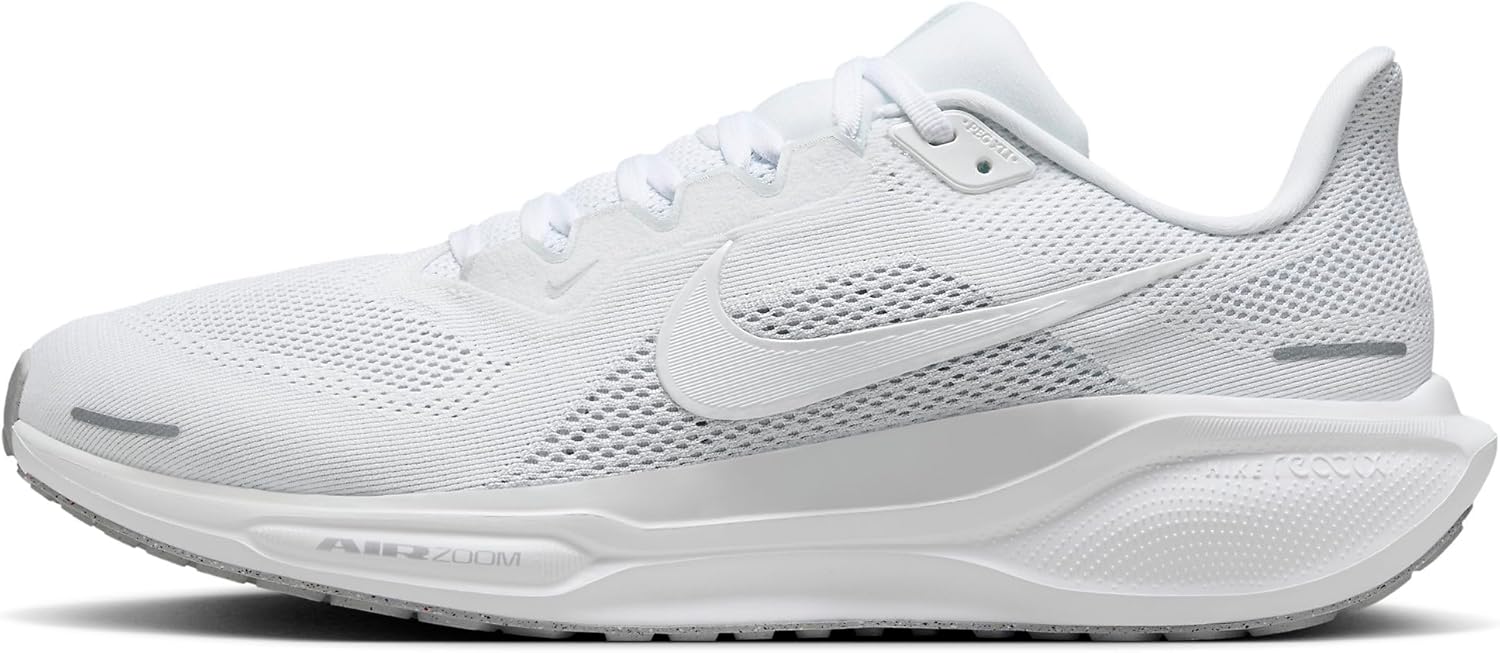


ADA: Diabetic Socks — Selection Guide
Ready to Get Relief?
Same-week appointments available in Howell & Bloomfield Township, MI
4.9★ | 1,123 Reviews | 3,000+ Surgeries
Or call: (810) 206-1402

Dr. Tom Biernacki, DPM is a board-certified foot & ankle surgeon (ABFAS & ABPM) at Balance Foot & Ankle Specialists in Southeast Michigan. With over a decade of clinical experience, he specializes in heel pain, bunions, diabetic foot care, sports injuries, and minimally invasive surgery. Dr. Biernacki is a member of the APMA and ACFAS, and his patient education content on MichiganFootDoctors.com and YouTube has made him one of the most-followed foot & ankle educators on YouTube.