
Medically reviewed by Dr. Tom Biernacki, DPM
Board-certified podiatric surgeon | Balance Foot & Ankle, Howell & Bloomfield Township, MI
Last reviewed: May 2026

| Blister Type | Cause | Fluid Appearance | Treatment |
|---|---|---|---|
| Friction blister | Mechanical shear (shoe rubbing) | Clear serum | Leave intact; pad; address footwear |
| Blood blister | Pinching or severe friction (capillary rupture) | Red-purple/dark | Leave intact; protect; monitor |
| Burn blister | Heat (sunburn, hot pavement barefoot) | Clear serum | Cool, cover, do not pop; seek care if large |
| Dyshidrotic eczema | Immune dysregulation; stress | Clear, small, very itchy | Topical steroid; NOT antifungal |
| Vesicular athlete’s foot | Fungal infection (tinea pedis, vesicular type) | Clear; arch/instep location | Oral antifungal; cool compresses |
| Infected blister | Secondary bacterial infection (staph) | Cloudy/yellow pus | Drain; antibiotic ointment; oral antibiotics if cellulitis |
| Prevention Strategy | How It Works |
|---|---|
| Moisture-wicking socks (wool/synthetic) | Keeps skin dry; dry skin resists shear better than wet |
| Anti-friction stick or petroleum jelly on heel | Reduces coefficient of friction between skin and shoe |
| Moleskin or blister patches (pre-emptive) | Cushions friction zone before blister forms |
| Double socks (thin liner + thick outer) | Shear occurs between sock layers, not skin |
| Gradual shoe break-in (1–2 hrs/day) | Allows heel counter to soften and conform to foot |
| Properly fitted shoes (finger width at toe) | Prevents both slipping (loose) and compression (tight) |
Medically Reviewed | Dr. Tom Biernacki, DPM | Board-Certified Podiatrist | Balance Foot & Ankle, Michigan | 5,000+ patients/year
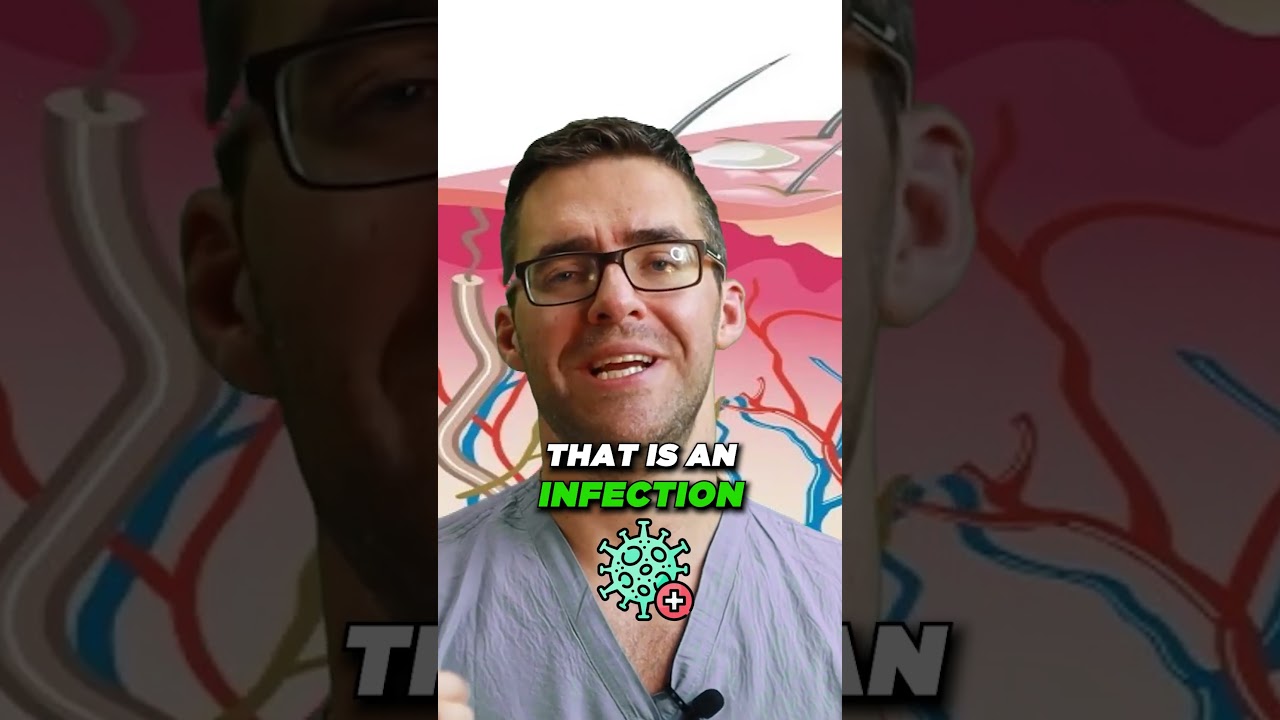
How Heel Blisters Form
When repetitive friction shears the top layers of skin apart, the space fills with lymphatic fluid — forming a blister. Heat, moisture, and movement amplify friction. New shoes with stiff heel counters, shoes that are slightly too large (causing heel slippage), and prolonged walking in non-broken-in footwear are the classic setups for heel blistering.
To Drain or Not to Drain?
Small blisters (under 5mm) in healthy people: leave intact. The skin roof is the best protective dressing. Large, painful, or pressure-related blisters that impair walking: drain with a sterile needle at the blister edge, press out fluid, leave the skin roof in place, and cover with a blister bandage. Never fully remove the blister roof — it is the best protection against infection while healing.
Treatment After Draining
Clean with mild soap and water, apply antibiotic ointment, cover with a hydrocolloid bandage (donut-shaped padding around the blister site) for cushioning and healing. Change dressing daily. Watch for signs of infection: increasing redness, warmth, pus, or red streaking from the site.
Prevention
Moisture-wicking socks (cotton retains moisture; synthetic performance socks stay drier), properly fitted shoes (thumb’s width at the toe, snug heel counter without slippage), blister-prevention sticks or balms on friction-prone areas before long walks, and breaking in new shoes gradually. Heel grips in shoes that are slightly large reduce slippage-based friction.
FAQs
Should I be worried about a heel blister that keeps coming back in the same spot? Recurring blisters in exactly the same location suggest a consistent friction point — a shoe fit issue, heel spur, or underlying bony prominence. A podiatry evaluation to address the underlying cause is worthwhile.
🧴 Dr. Tom’s At-Home Foot Care Picks
These are the products I recommend most for foot hygiene, skin health, and comfort between office visits.
Antimicrobial moisture-wicking liner for shoes. Prevents sweat buildup that leads to fungal and odor issues. Barefoot feel without the downside.
View on Amazon →
For discomfort associated with skin conditions and soreness. Plant-based arnica + menthol formula. FSA-eligible, no greasy residue.
View on Amazon →
FTC Disclosure: As an Amazon Associate and Foundation Wellness affiliate, we earn from qualifying purchases. This never affects our clinical recommendations.
Michigan Foot Pain? See Dr. Biernacki In Person
Appointments at our Howell and Bloomfield Township offices.
📞 (810) 206-1402 Book Online →Watch: Stop Heel Blisters Fast — The Duct Tape Hack That Actually Works
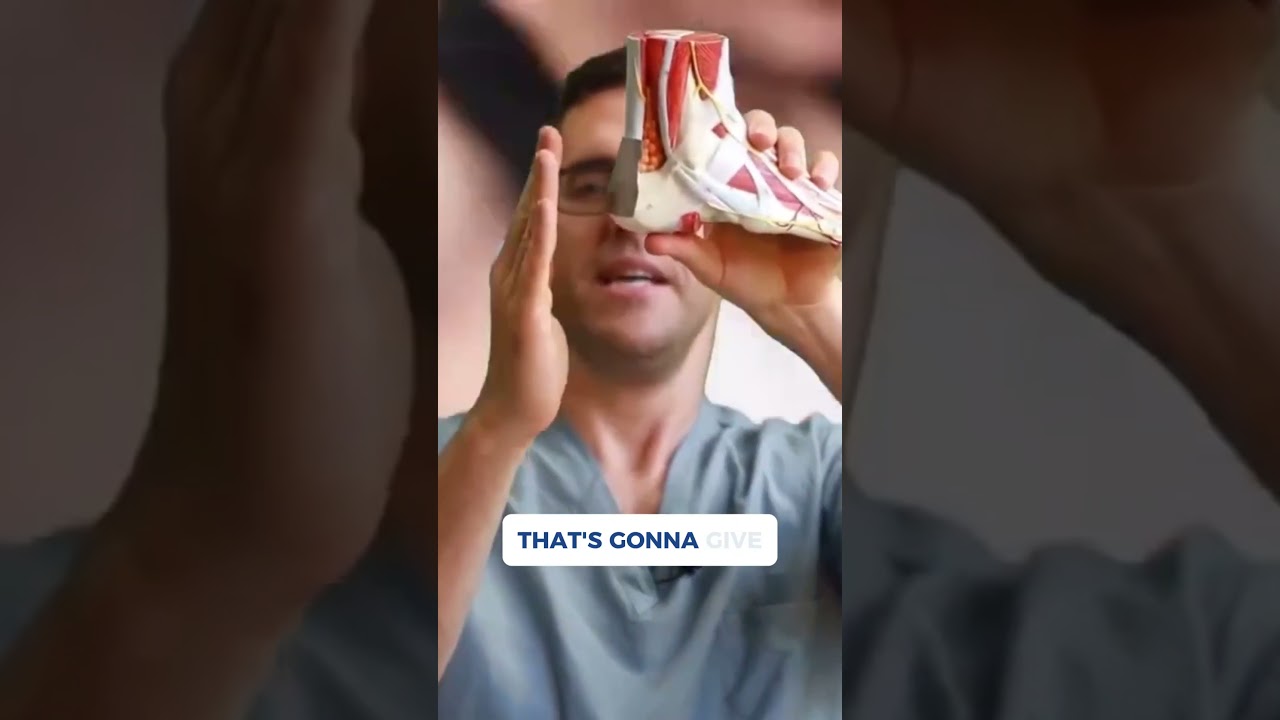
Dr. Tom demonstrates the most effective blister prevention technique for heel blisters — the friction reduction method that runners, hikers, and anyone breaking in new shoes needs to know. Simple, fast, and it actually works.
⚠ The Most Common Heel Blister Mistake
The most dangerous thing you can do with a blister is pop it with an unsterilized needle — or peel the roof off entirely. The fluid-filled blister roof is a natural sterile dressing protecting the wound underneath. Removing the blister roof exposes raw dermis to bacteria and dramatically increases infection risk. If a blister is large enough to be painful and impeding activity: sterilize a needle with alcohol, puncture at the edge, drain the fluid gently, and leave the roof intact. Cover with a donut pad or gel blister bandage. If a blister is already torn and raw: clean the area with soap and water, apply antibiotic ointment, and cover with a non-stick dressing. See a podiatrist if the blister is on the heel of a diabetic patient, shows signs of infection, or is recurring in the same location.
Frequently Asked Questions
🆕 Dr. Tom’s Top-Recommended Products
30% of every Foundation Wellness sale supports free clinics. Clinically vetted — nothing we wouldn’t use ourselves.
PowerStep Pinnacle Insoles
Podiatrist-designed arch support for daily comfort and injury prevention.
Doctor Hoy’s Pain Relief Gel
Natural topical pain relief — no NSAIDs, no prescription needed.
In-Office Treatment at Balance Foot & Ankle
If home treatment isn’t providing relief for your foot and ankle conditions, our podiatry team at Balance Foot & Ankle can help with expert evaluations and advanced in-office care.
Ready to Get Relief?
Appointments available in Howell & Bloomfield Township, MI
4.9★ | 1,123 Reviews | 3,000+ Surgeries
Or call: (810) 206-1402
Related: Most heel blisters start with shoes rubbing the back of your heel — here’s how to stop shoes rubbing the back of your heel for good.

Dr. Tom Biernacki, DPM is a board-certified foot & ankle surgeon (ABFAS & ABPM) at Balance Foot & Ankle Specialists in Southeast Michigan. With over a decade of clinical experience, he specializes in heel pain, bunions, diabetic foot care, sports injuries, and minimally invasive surgery. Dr. Biernacki is a member of the APMA and ACFAS, and his patient education content on MichiganFootDoctors.com and YouTube has made him one of the most-followed foot & ankle educators on YouTube.