
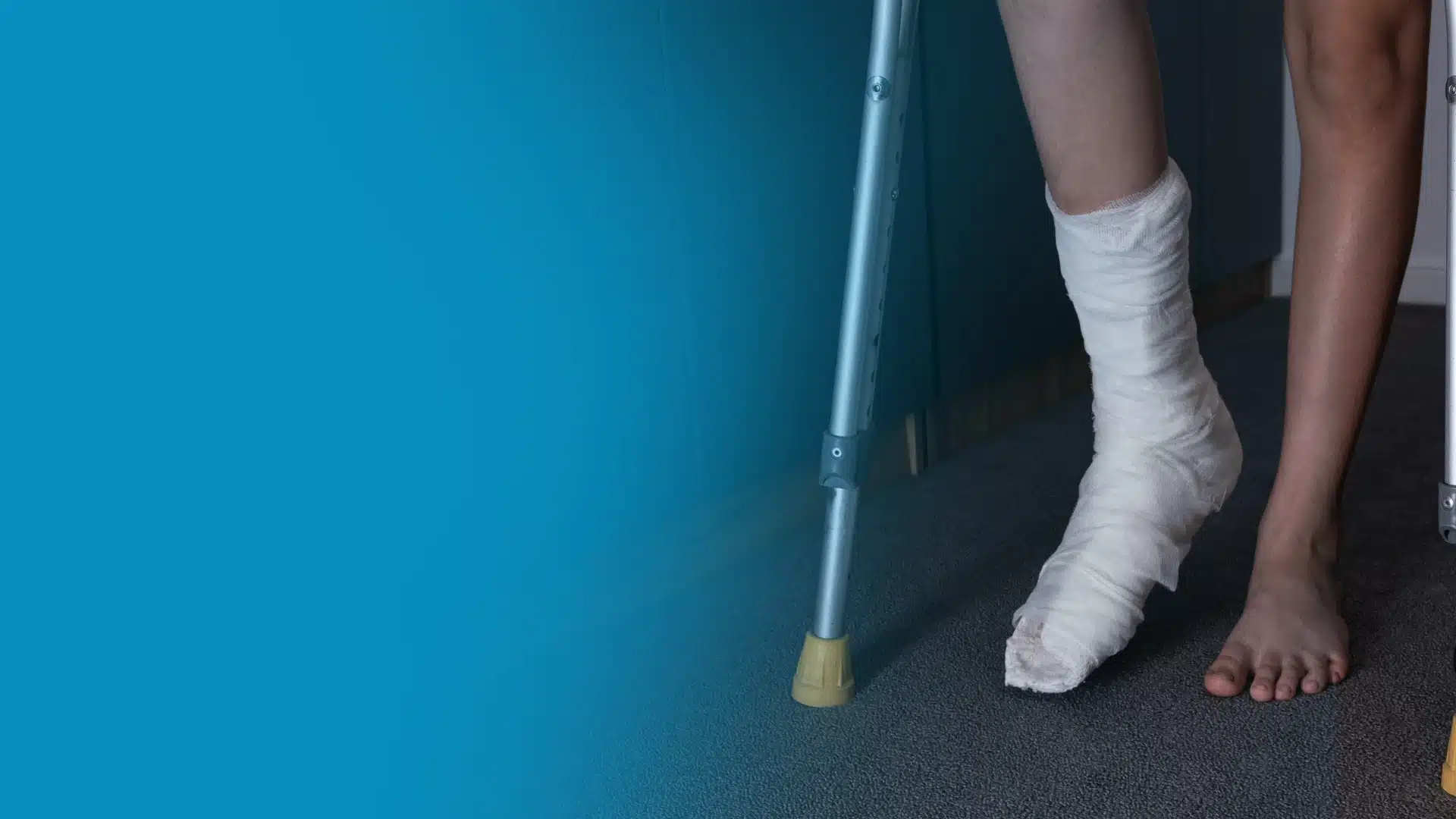

The most important clinical decision with Fifth Metatarsal Fracture Jones Fracture Treatment isn't which treatment to start with — it's which subtype or underlying cause you actually have. Our podiatrists regularly see patients who've been treated for months for the wrong diagnosis. The correct identification changes the entire treatment path. Call (810) 206-1402 — Dr. Tom evaluates this condition at both Howell and Bloomfield Township locations.
Treatment at Balance Foot & Ankle: Morton's Neuroma Treatment →
Medically reviewed by Dr. Tom Biernacki, DPM · Board-Certified Podiatric Surgeon · Last reviewed: April 2026 · Editorial Policy
The most important clinical decision with Fifth Metatarsal Fracture Jones Fracture Treatment isn’t which treatment to start with — it’s identifying the correct subtype. That changes everything. Call (810) 206-1402.
The most important clinical decision with Fifth Metatarsal Fracture Jones Fracture Treatment isn’t which treatment to start with — it’s identifying the correct subtype. That changes everything. Call (810) 206-1402.
Quick Answer
Fifth Metatarsal Fracture & Jones Fracture: Types, Trea relates to foot/ankle injury — typically caused by trauma or twist. Most patients improve in 4-8 weeks with conservative care. Same-week appointments in Howell + Bloomfield Township: (810) 206-1402.

▶ Watch

Medically Reviewed by Dr. Tom Biernacki, DPM — Board-Certified Podiatrist, Balance Foot & Ankle Specialists, Michigan. Last updated April 2026.
The fifth metatarsal — the long bone on the outer edge of the foot — is one of the most commonly fractured bones in the foot and ankle, yet not all fifth metatarsal fractures are the same. The location of the fracture along the fifth metatarsal determines blood supply, healing potential, and the appropriate treatment — the difference between a fracture that heals readily in a boot and one that requires surgical fixation to prevent non-union can come down to millimeters of fracture location.
Types of Fifth Metatarsal Fractures
Zone 1: Avulsion Fracture (Pseudo-Jones Fracture)
The most common fifth metatarsal fracture — a small flake of bone pulled off the base of the fifth metatarsal by the peroneus brevis tendon or plantar fascia during an ankle inversion injury. The fracture line runs perpendicular to the metatarsal shaft, at the very tip of the tuberosity. Despite the dramatic-sounding mechanism, Zone 1 fractures have an excellent blood supply and heal reliably with conservative management in 4–6 weeks in a stiff-soled shoe or boot. Surgery is rarely needed.
Zone 2: Jones Fracture
The most clinically important fifth metatarsal fracture — occurring at the metaphyseal-diaphyseal junction, in the “watershed zone” where arterial blood supply is poorest. The Jones fracture was first described by orthopedic surgeon Sir Robert Jones in 1902 (he sustained the injury himself while dancing). Because of the tenuous blood supply at this location, Jones fractures have a high rate of non-union (failure to heal) and refracture with conservative treatment. Athletic patients, high-demand patients, and anyone requiring rapid return to full activity are typically recommended surgical fixation.
Zone 3: Diaphyseal (Shaft) Stress Fracture
Fatigue fracture of the fifth metatarsal shaft from repetitive loading — seen in runners, basketball players, and military recruits. May present as chronic outer foot pain rather than a single acute injury event. Stress fractures in Zone 3 have even poorer healing potential than Jones fractures and almost always require surgical fixation in athletes.
Symptoms
- Pain at the outer border of the foot at or near the base of the fifth metatarsal
- Tenderness to palpation directly over the fracture site
- Swelling and bruising on the outer foot
- Difficulty weight-bearing
- Often mistaken for “just a sprain” — X-ray is required to confirm
Diagnosis
Weight-bearing foot X-rays confirm the fracture and precisely locate it within the three zones. Dr. Biernacki obtains digital X-rays at the first visit at Balance Foot & Ankle. When X-rays appear normal but clinical suspicion is high (particularly for stress fractures), MRI reveals bone marrow edema before a fracture line is visible.
Treatment by Fracture Type
Zone 1 (Avulsion)
Weight-bearing in a stiff-soled shoe or walking boot for 4–6 weeks. No surgery in the vast majority of cases. Ice, elevation, and NSAIDs acutely. Return to sport at 4–6 weeks when pain-free with impact activities.
Zone 2 (Jones Fracture)
- Conservative — non-weight-bearing cast for 6–8 weeks; appropriate for non-athletes, elderly patients, and patients who cannot tolerate surgery; non-union rate 25–30%
- Surgical (recommended for athletes) — intramedullary screw fixation; a single large-diameter intramedullary screw down the medullary canal of the fifth metatarsal provides rigid fixation that allows weight-bearing in 2–3 weeks; dramatically reduces non-union rate to under 5% and accelerates return to sport by 8–12 weeks compared to cast treatment
Zone 3 (Stress Fracture)
Surgical intramedullary screw fixation is the standard of care for athletes and active patients. Non-operative treatment has unacceptably high refracture rates in this zone.
Rehabilitation and Return to Sport
After Zone 2 or Zone 3 surgery, progressive weight-bearing begins at 2–3 weeks, and return to sport occurs at 8–12 weeks when radiographic union is confirmed. A custom orthotic with lateral heel wedge reduces fifth metatarsal stress after healing and during the return-to-sport phase.
Outer Foot Fracture Evaluation and Treatment
Dr. Biernacki evaluates fifth metatarsal fractures with on-site X-ray at the first visit and provides appropriate conservative or surgical management. Same-week appointments at Bloomfield Township and Howell.
📞 (810) 206-1402 |
📧 Get Dr. Tom’s Free Lab Test Guide
Discover the 5 lab tests every person over 35 should ask their doctor about — explained in plain English by a board-certified physician.
📍 Located in Michigan?
Our board-certified podiatrists treat this condition at two convenient locations. Same-day appointments often available.
Insurance Accepted
BCBS · Medicare · Aetna · Cigna · United Healthcare · HAP · Priority Health · Humana · View All →

Howell Office
4330 E Grand River Ave
Howell, MI 48843
Get Directions →
Bloomfield Township Office
43494 Woodward Ave, #208
Bloomfield Township, MI 48302
Get Directions →
Your Board-Certified Podiatrists



Ready to Get Back on Your Feet?
Same-week appointments available at both locations.
More Podiatrist-Recommended Foot Health Essentials
Hoka Clifton 10


Watch: Metatarsalgia Treatment [BEST Ball of Foot Pain RELIEF 2024] — MichiganFootDoctors YouTube
Max-cushion everyday shoe — podiatrist favorite for walking and running.

OOFOS Recovery Slide

Impact-absorbing recovery sandal — wear after long days on your feet.
As an Amazon Associate, Balance Foot & Ankle earns from qualifying purchases. Product recommendations are based on clinical experience; prices and availability shown above update live from Amazon.

When to See a Podiatrist
If foot or ankle pain has been bothering you for more than a few weeks, home care alone may not be enough. Balance Foot & Ankle offers same-week appointments at our Howell and Bloomfield Township clinics — no referral needed in most cases. Bring your current shoes and a short list of symptoms and we’ll build you a treatment plan in one visit.
Call Balance Foot & Ankle: (810) 206-1402 · Book online · Offices in Howell & Bloomfield Township
Differential Diagnosis: What Else Could It Be?
Not every case of jones fracture (5th metatarsal base) is straightforward. In our clinic we routinely rule out three look-alike conditions before confirming the diagnosis. If your symptoms don’t match the classic presentation, one of these may explain the pain — which is why physical exam matters more than self-diagnosis.
| Condition | How It Differs |
|---|---|
| Pseudo-Jones / avulsion fracture | Fracture proximal to metaphyseal-diaphyseal junction; heals faster with conservative care. |
| Peroneal tendonitis | Tenderness along the tendon sheath, not bone; no fracture on X-ray. |
| Cuboid syndrome | Pain slightly proximal on lateral column; no cortical disruption on imaging. |
Red Flags — When to See a Podiatrist Now
Seek same-day evaluation at Balance Foot & Ankle if you notice any of the following:
- Inability to bear weight on lateral foot
- Pain at the 5th metatarsal base after inversion injury
- Delayed union or nonunion beyond 8 weeks
- Recurring fracture at the same location
Call (810) 206-1402 or request an appointment. Our Howell and Bloomfield Township offices reserve same-day slots for urgent foot and ankle issues.
In Our Clinic: What We See
Clinical perspective from Dr. Tom Biernacki, DPM — Balance Foot & Ankle, Howell & Bloomfield Township, MI:
Jones fractures look like ankle sprains when the patient walks in — they rolled the foot, lateral pain persisted, and the X-ray shows a break at the 5th metatarsal base. In our clinic we carefully distinguish true Jones (at the metaphyseal-diaphyseal junction, high non-union rate) from pseudo-Jones avulsions (proximal tip, heal reliably). True Jones fractures in athletes often need screw fixation; sedentary patients may heal in a boot over 8-12 weeks. Dr. Biernacki counsels every Jones patient: a missed Jones or a non-healed Jones will sideline you far longer than 6 weeks of strict non-weight-bearing upfront.
Watch: Dr. Tom explains

Podiatrist-recommended products
As an Amazon Associate, Dr. Tom earns from qualifying purchases.
Lateral column support during healing.
Dynamic support for return-to-run.
Post-injury swelling control.
Forefoot protection during recovery.
Related resources
Ready to solve this? Book today.
Same-week appointments · Howell & Bloomfield Township · 4.9★ (1,123+ reviews)
In-Office Treatment at Balance Foot & Ankle
When conservative care isn’t enough, Dr. Tom Biernacki and the team at Balance Foot & Ankle offer advanced, same-day options — including Foot & Ankle Fracture Repair Michigan at our Howell and Bloomfield Township clinics.
Same-day appointments available. Call (810) 206-1402 or book online.
Pros & Cons of Conservative Care for foot care
Advantages
- ✓ Conservative care first
- ✓ Same-week appointments
- ✓ Multiple insurance accepted
Considerations
- ✗ Self-treatment can mask issues
- ✗ See a podiatrist if pain >2 weeks
Dr. Tom’s Recommended Products for foot care
Affiliate disclosure: As an Amazon Associate, Balance Foot & Ankle earns from qualifying purchases. We only recommend products we use with patients.
Footnanny Heel Cream Dr. Tom’s Pick
Best for: Daily moisturizer for cracked heels
Ready to Get Back on Your Feet?
Same-day appointments in Howell + Bloomfield Township. Most insurance accepted. Dr. Tom Biernacki, DPM & team.
Book Today — Same-Day Appointments Available
Call Now: (810) 206-1402
About Your Care Team at Balance Foot & Ankle
Dr. Tom Biernacki, DPM · Board-Certified Foot & Ankle Surgeon. Specializes in conservative-first care, minimally invasive bunion surgery, and complex reconstruction.
Dr. Carl Jay, DPM · Accepting new patients. Specializes in sports medicine, athletic injuries, and routine podiatric care.
Dr. Daria Gutkin, DPM, AACFAS · Accepting new patients. Specializes in surgical reconstruction and pediatric podiatry.
Locations: 4330 E Grand River Ave, Howell, MI 48843 · 43494 Woodward Ave Suite 208, Bloomfield Township, MI 48302
Hours: Mon–Fri 8:00 AM – 5:00 PM · (810) 206-1402
Frequently Asked Questions
How long does treatment take to work?
Most patients see improvement in 4-8 weeks with consistent conservative care. Persistent symptoms after 8 weeks need imaging and escalation.
When is surgery needed?
Surgery is reserved for cases that fail 3-6 months of conservative care, structural deformities, or fractures requiring stabilization.
Is this covered by insurance?
Most diagnostic visits and conservative treatments are covered by Medicare and major insurers. Custom orthotics often require diabetic or post-surgical justification.
What is Stress fracture?
Stress fracture is a common foot/ankle condition that affects mobility and quality of life. Understanding the underlying cause is the first step in successful treatment. Our podiatrists at Balance Foot & Ankle perform a hands-on biomechanical exam, review your activity history, and use diagnostic imaging when appropriate to identify the root cause—not just treat the symptom. Many patients have been told to “rest and ice” without a deeper diagnostic workup; our approach is different.
Symptoms and warning signs
Common signs of stress fracture include pain that worsens with activity, morning stiffness, swelling, tenderness when palpated, and difficulty bearing weight. If you experience sudden severe pain, inability to walk, visible deformity, numbness or color change, contact our office the same day or visit urgent care—these can signal a more serious injury such as a fracture, tendon rupture, or vascular compromise. Diabetics with any foot wound should seek same-day care.
Conservative treatment options
Most cases of stress fracture respond to non-surgical care: structured rest, supportive footwear changes, custom orthotics, targeted stretching and strengthening protocols, anti-inflammatory medications when medically appropriate, and in-office procedures such as ultrasound-guided injections. We also offer advanced therapies including MLS laser therapy, EPAT/shockwave, regenerative injections, and image-guided procedures. Treatment is sequenced from least invasive to most invasive, and we explain the rationale at every step.
When is surgery considered?
Surgery is reserved for cases that fail 3-6 months of well-structured conservative care, when there is structural pathology (severe deformity, complete tear, advanced arthritis), or when imaging shows damage that will not heal without intervention. Our surgeons have performed 3,000+ foot and ankle procedures and prioritize minimally-invasive techniques whenever appropriate. We discuss recovery timelines, return-to-activity milestones, and realistic outcome expectations before any procedure is scheduled.
Recovery timeline and prevention
Recovery from stress fracture varies based on severity and chosen treatment path. Conservative cases often improve within 4-8 weeks with consistent adherence to the protocol. Post-procedural recovery may range from a few days (in-office procedures) to several months (reconstructive surgery). Long-term prevention involves footwear assessment, activity modification, structured strengthening, and regular check-ins with your podiatrist if you have a history of recurrence. We provide written home-exercise plans and digital follow-up support.
Ready to feel better?
Same-week appointments available in Howell and Bloomfield Township, Michigan.
In-Office Treatment at Balance Foot & Ankle
If home treatment isn’t providing relief for your metatarsalgia, our podiatry team at Balance Foot & Ankle can help with same-day evaluations and advanced in-office care.
Same-day appointments available. (810) 206-1402
Doctor Hoy’s Natural Pain Relief Gel
Natural topical pain relief I use in our clinic. Arnica + camphor formula — apply directly to the area 3–4x daily. ($20–25)
Get Expert Care at Balance Foot & Ankle
Same-week appointments at our Howell and Bloomfield Township offices. Board-certified podiatric surgeons. Most insurance accepted.
Ready for Expert Care?
Same-day appointments in Howell & Bloomfield Township, MI.
4.9★ | 1,123 Reviews | 3,000+ Surgeries
Or call: (810) 206-1402

Dr. Tom Biernacki, DPM is a double board-certified podiatrist and foot & ankle surgeon at Balance Foot & Ankle Specialists in Southeast Michigan. With over a decade of clinical experience, he specializes in heel pain, bunions, diabetic foot care, sports injuries, and minimally invasive surgery. Dr. Biernacki is a member of the APMA and ACFAS, and his patient education content on MichiganFootDoctors.com and YouTube has reached over one million views.
Frequently Asked Questions
Why does the ball of my foot hurt when I walk?
When should I see a doctor for ball of foot pain?
- Diagnosis and Treatment of Plantar Fasciitis (PubMed / AAFP)
- Heel Pain (APMA)
- Hallux Valgus (Bunions): Evaluation and Management (PubMed)
- Bunions (Mayo Clinic)
Recommended Products from Dr. Tom
Dr. Tom Biernacki, DPM is a board-certified foot & ankle surgeon (ABFAS & ABPM) at Balance Foot & Ankle Specialists in Southeast Michigan. With over a decade of clinical experience, he specializes in heel pain, bunions, diabetic foot care, sports injuries, and minimally invasive surgery. Dr. Biernacki is a member of the APMA and ACFAS, and his patient education content on MichiganFootDoctors.com and YouTube has made him one of the most-followed foot & ankle educators on YouTube.