
Medically reviewed by Dr. Tom Biernacki, DPM — Board-certified foot & ankle surgeon, 3,000+ surgeries performed. Updated April 2026 with current clinical evidence. This article reflects real practice experience from Balance Foot & Ankle Specialists in Howell and Bloomfield Township, Michigan.
The most important clinical decision with Foot Care Construction Workers Steel Toe Boots Plantar Fasciitis Job Site isn’t which treatment to start with — it’s identifying the correct subtype. That changes everything. Call (810) 206-1402.
Quick Answer
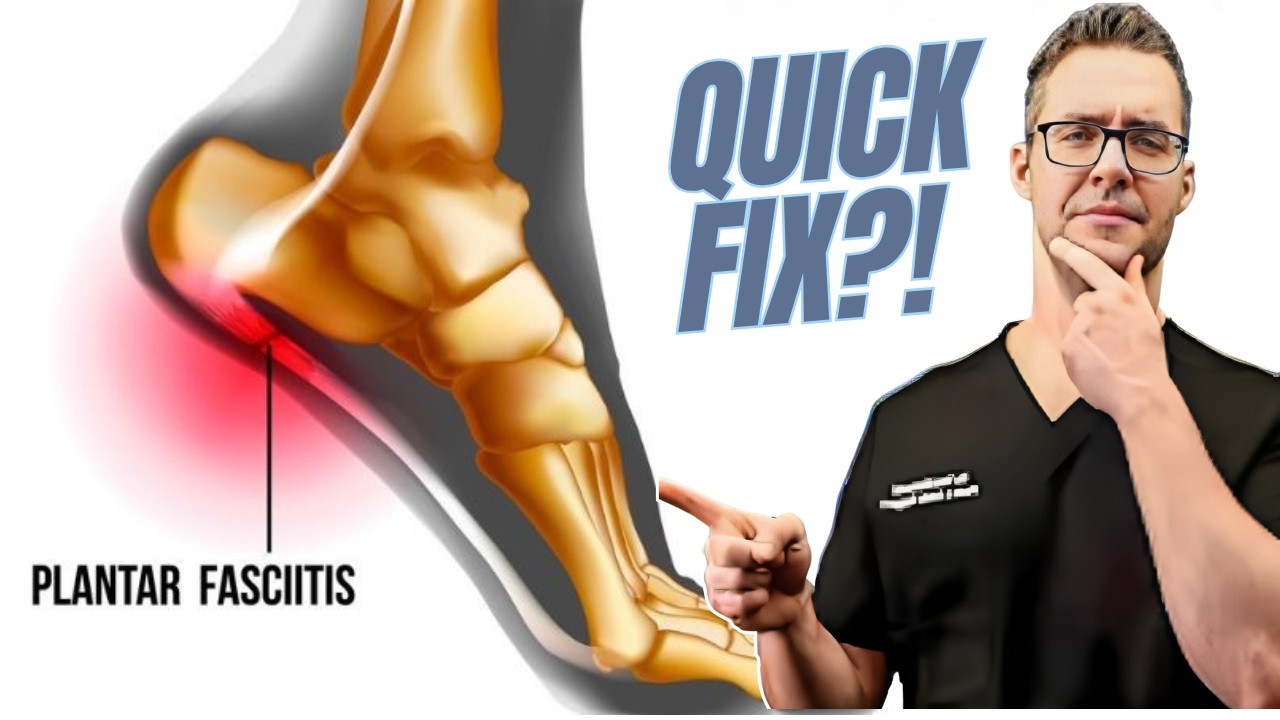
Plantar fasciitis is inflammation where the plantar fascia attaches to the heel, causing sharp morning heel pain that eases after 10-15 minutes of walking. Most cases respond to stretching plus arch support within 6-12 weeks. See a podiatrist if pain persists beyond 6 weeks, worsens, or prevents walking.
Medically reviewed by Dr. Tom Biernacki, DPM
Board-certified podiatric surgeon | Balance Foot & Ankle
Last reviewed: April 2, 2026


Watch: Best Insoles Orthotics 2026 Flat Feet Plantar Fasciitis Bunions — MichiganFootDoctors YouTube
Medically reviewed by Dr. Tom Biernacki, DPM, FACFAS — Board-Certified Podiatric Surgeon at Balance Foot & Ankle PLLC. Last updated April 3, 2026.
Quick Answer: Construction workers face unique foot health challenges from long hours on hard surfaces, heavy loads, steel-toe boot restrictions, and exposure to job site hazards. The most common conditions — plantar fasciitis, metatarsalgia, Achilles tendinitis, and fungal infections — are largely preventable with proper boot selection, quality orthotic insoles, compression socks for circulation, and a daily foot care routine. This guide covers everything construction professionals need to protect their feet on the job.
- Why Construction Workers Get Foot Problems
- Most Common Foot Conditions in Construction
- Choosing the Right steel-toe boots
- Best Insoles for work boots
- Managing Plantar Fasciitis on the Job
- Preventing Foot Fatigue During Long Shifts
- Best Products for Construction Workers’ Feet
- Daily Foot Care Routine for Tradesmen
- Most Common Mistake
- Warning Signs to Watch For
- Frequently Asked Questions
- Sources
Why Construction Workers Are at High Risk for Foot Problems
If you spend 8–12 hours a day on a construction site, your feet absorb an extraordinary amount of punishment. The combination of factors unique to construction work creates a perfect storm for foot problems that can become career-limiting if left unaddressed.
Hard, unforgiving surfaces. Concrete, asphalt, steel decking, and compacted earth transmit far more impact force to your feet than carpeted offices or gym floors. Each step on concrete generates 2–3 times more impact force than walking on a softer surface. Over an average 10,000-step shift, that accumulated force takes a significant toll on your plantar fascia, metatarsal heads, and heel fat pad.
Heavy steel-toe boots. Safety boots are essential but create their own problems. Steel-toe and composite-toe boots typically weigh 2–4 pounds each — significantly heavier than regular shoes. This added weight increases fatigue in the leg muscles, Achilles tendon, and foot structures. Many work boots also have stiff, flat insoles that provide minimal arch support, forcing the plantar fascia to work overtime.
Prolonged standing and walking. Construction workers average 15,000–20,000 steps per shift and spend 70–80% of their workday on their feet. This sustained loading exceeds the recovery capacity of foot tissues, especially without adequate support or rest periods. The venous return system in the legs also struggles under prolonged standing, leading to swelling, fatigue, and increased risk of varicose veins.
Ladder and scaffolding pressure. Climbing ladders concentrates your entire body weight through the ball of the foot on narrow rungs, creating intense metatarsal pressure. Scaffolding work combines this forefoot loading with uneven surfaces and the need for constant balance adjustments.
Environmental exposure. Moisture from rain, concrete work, and sweat creates the ideal environment for fungal infections (athlete’s foot, toenail fungus). Temperature extremes — from winter cold that reduces circulation to summer heat that increases swelling — compound the physical stresses on your feet.
Most Common Foot Conditions in Construction Workers
Understanding the specific conditions that affect construction workers helps you recognize problems early and take preventive action before they sideline you from work.
Plantar fasciitis. The most common complaint among construction workers. The plantar fascia — the thick band of tissue running along the bottom of your foot — becomes inflamed and painful from repetitive stress on hard surfaces. The hallmark symptom is severe heel pain with your first steps in the morning or after sitting during a break, which then eases somewhat as you walk but worsens again toward the end of the shift.
Metatarsalgia. Pain and inflammation in the ball of the foot, directly beneath the metatarsal heads. Ladder climbing, squatting, and working on uneven surfaces concentrate pressure on this area. The condition feels like walking on a pebble or a bruise under the forefoot that worsens throughout the shift.
Achilles tendinitis. Inflammation of the Achilles tendon from the constant calf engagement required for climbing, squatting, and walking on inclines. Steel-toe boots with insufficient heel height differential increase Achilles strain by placing the tendon in a stretched position throughout the day.
Heel fat pad atrophy. Years of impact on hard surfaces gradually thin the natural fat pad that cushions the calcaneus (heel bone). Once this protective padding degenerates, every step on concrete sends a direct shock through the bone, causing a deep, bruise-like heel pain that differs from plantar fasciitis.
Toenail fungus (onychomycosis). The warm, moist environment inside work boots — especially when feet sweat heavily during physical labor — creates ideal conditions for fungal growth. Toenails become thickened, yellowed, and brittle, and the infection can spread to other toenails and the surrounding skin if left untreated.
stress fractures. Repetitive loading on hard surfaces can cause microscopic cracks in the metatarsal bones, particularly the second and third metatarsals. Construction workers who suddenly increase their workload — picking up overtime or starting a new demanding project — are especially vulnerable.
Choosing the Right Steel-Toe Boots for Foot Health

Your work boots are the single most important piece of equipment for foot health on a construction site. Choosing boots that combine safety compliance with proper support can prevent the majority of construction-related foot problems.
Heel height differential. Look for boots with a 10–15mm heel-to-toe drop. This slight elevation reduces strain on the Achilles tendon and plantar fascia compared to completely flat boots. Most quality work boots from brands like Thorogood, Red Wing, and Danner provide adequate heel differential.
Arch support structure. Most factory-installed work boot insoles are thin, flat, and provide minimal arch support. Plan to replace the stock insole immediately with a quality aftermarket orthotic — this single upgrade prevents more foot problems than any other intervention. The boot should have enough volume in the midfoot area to accommodate a supportive insole without compressing the foot.
Toe box width. Steel and composite toe caps create a rigid boundary that cannot expand with your foot. Choose boots with a generous toe box that allows natural toe splay, especially later in the day when feet swell. A toe box that is too narrow contributes to bunions, hammertoes, neuromas, and ingrown toenails over time.
Midsole cushioning and shock absorption. EVA or polyurethane midsoles absorb significantly more impact than traditional leather midsoles. For concrete work, a boot with a cushioned, shock-absorbing midsole reduces the cumulative stress that leads to heel fat pad atrophy and stress fractures.
Moisture management. Waterproof membranes (like Gore-Tex) keep external moisture out but can trap sweat inside. Consider waterproof boots for wet-environment work but moisture-wicking, breathable boots for dry conditions. Either way, moisture-wicking socks are essential.
Best Insoles for Steel-Toe Work Boots

Replacing the factory insole in your work boots is the single most impactful upgrade you can make for foot health. The right insole transforms a flat, unsupportive boot into a foot-friendly work platform that reduces fatigue and prevents injury.
PowerStep orthotic insoles are our top recommendation for construction workers because they combine rigid arch support with adequate cushioning in a profile thin enough to fit inside work boots without creating tightness. The PowerStep Pinnacle Maxx is specifically designed for heavy-duty footwear — the firm arch shell controls pronation throughout a 10-hour shift while the double-layer cushioning system absorbs impact on concrete and steel surfaces.
For workers with existing plantar fasciitis, the PowerStep Pinnacle Plus offers enhanced heel cushioning with a deeper heel cup that stabilizes the calcaneus and reduces tension on the plantar fascia. The antimicrobial top layer also helps control odor — a real concern in boots worn for long shifts in hot conditions.
Insole replacement schedule. Work boot insoles wear out faster than regular shoe insoles due to the heavier loads and longer hours. Replace your PowerStep insoles every 4–6 months, or sooner if you notice the arch support flattening or the heel cushioning compressing permanently. Many construction workers keep a rotation of two pairs of insoles, alternating weekly to extend lifespan.
Managing Plantar Fasciitis While Working Construction
Plantar fasciitis is the number one foot complaint among construction workers, and managing it while continuing to work requires a strategic approach. Simply “pushing through the pain” leads to chronic plantar fasciitis that can take 12–18 months to resolve.
Morning routine. Before your feet hit the floor in the morning, do 2 minutes of calf stretches and plantar fascia stretches in bed. Pull your toes back toward your shin, hold for 30 seconds, repeat 3 times. This pre-loads the fascia gently before the sudden stress of standing.
Pre-shift preparation. Apply Doctor Hoy’s Natural Pain Relief to the bottom of the heel and along the arch before pulling on your socks. The topical anti-inflammatory and menthol provide localized pain relief during the first critical hours of the shift when plantar fasciitis pain is typically worst. Many of our construction worker patients report that this pre-shift application makes the first 2–3 hours significantly more comfortable.
On-the-job management. Wear PowerStep insoles in your work boots daily without exception. During breaks, remove your boots and do 30-second calf stretches against a wall or stair edge. If possible, sit with your feet elevated during lunch to reduce inflammation. Rolling a frozen water bottle under your foot at the end of the shift combines stretching with ice therapy.
After-shift recovery. Ice the heel for 15 minutes, then apply Doctor Hoy’s for ongoing topical relief. Wear DASS compression socks in the evening to reduce swelling that accumulated during the shift. Night splints — devices that hold the foot in a slightly dorsiflexed position while you sleep — can significantly accelerate plantar fasciitis recovery by preventing the fascia from tightening overnight.
Preventing Foot Fatigue During Long Construction Shifts
Foot fatigue is not just discomfort — it affects balance, reaction time, and productivity. Construction workers with fatigued feet are more likely to trip, miss a rung on a ladder, or lose focus due to pain. Prevention is both a health measure and a safety measure.
Compression socks throughout the shift. DASS medical grade compression socks worn inside your work boots provide graduated 20–30 mmHg compression that promotes venous return from the legs to the heart. This reduces end-of-day leg swelling by 30–40%, decreases the heavy, achy sensation in the calves and ankles, and helps prevent varicose veins that develop over years of standing work. The reinforced toe and heel construction withstand the demands of work boot wear without bunching or wearing through.
Boot rotation. If budget allows, rotate between two pairs of work boots on alternating days. This allows each pair to fully dry between uses (reducing fungal risk) and exposes your feet to slightly different pressure patterns, which helps prevent repetitive stress injuries.
Anti-fatigue mats. When working at a stationary position (workbench, cutting station, welding table), standing on an anti-fatigue mat reduces ground reaction force by up to 50%. Keep a portable mat in your work vehicle for stationary tasks.
Micro-breaks and weight shifting. Every 30–45 minutes, consciously shift your weight from one foot to the other, roll your ankles in circles, and flex your toes inside your boots. These micro-movements activate the calf muscle pump that returns blood from the feet and prevent tissue stiffening from static postures.
Best Products for Construction Workers’ Feet
These are the products we recommend most often to our construction worker patients at Balance Foot & Ankle. Each addresses a specific challenge of job site work.
Affiliate disclosure: Some links below are affiliate links, meaning we may earn a small commission if you purchase through them — at no extra cost to you. We only recommend products we use in our own practice.
🛡️ Complete Construction Worker Foot Care Kit: For maximum protection during long shifts on hard surfaces, we recommend combining all three Foundation Wellness products: PowerStep Pinnacle Maxx insoles for arch support and shock absorption, DASS compression socks for circulation and swelling control, and Doctor Hoy’s pain relief gel for pre- and post-shift targeted comfort. This combination addresses the three biggest threats to construction workers’ feet: impact stress, poor circulation, and inflammatory pain.
PowerStep Pinnacle Maxx — Heavy-Duty Arch Support
PowerStep Pinnacle Maxx orthotic insoles are specifically designed for heavy-duty footwear. The firm, semi-rigid arch shell prevents arch collapse during 10–12 hour shifts while the dual-layer cushioning system absorbs impact force on concrete, steel, and asphalt. The deep heel cup stabilizes the calcaneus and reduces the lateral foot rolling that contributes to ankle instability on uneven job site surfaces. The antimicrobial top layer fights odor-causing bacteria — essential in boots worn for extended shifts in warm conditions.
DASS Medical Grade Compression Socks — Circulation and Fatigue Control
DASS compression socks deliver true medical-grade 20–30 mmHg graduated compression that significantly reduces end-of-day leg and foot swelling. For construction workers who spend 70–80% of their shift standing or walking, compression socks are the most effective tool for combating venous insufficiency, reducing fatigue, and preventing the long-term development of varicose veins. The moisture-wicking fabric keeps feet drier inside work boots, and the reinforced construction holds up to the demands of daily work boot wear.
Doctor Hoy’s Natural Pain Relief — Targeted Job Site Comfort
Doctor Hoy’s Natural Pain Relief gel provides on-demand topical analgesic relief using natural ingredients including arnica and menthol. Apply to the heel, arch, ball of foot, or Achilles tendon area before your shift and again after work for ongoing anti-inflammatory and pain-relieving benefits. The roll-on applicator makes it easy to use on the job site without messy hands — apply during a break without removing your gloves for more than a minute. Doctor Hoy’s is our go-to recommendation for construction workers managing plantar fasciitis, metatarsalgia, and Achilles tendinitis while staying on the job.
Daily Foot Care Routine for Construction Workers
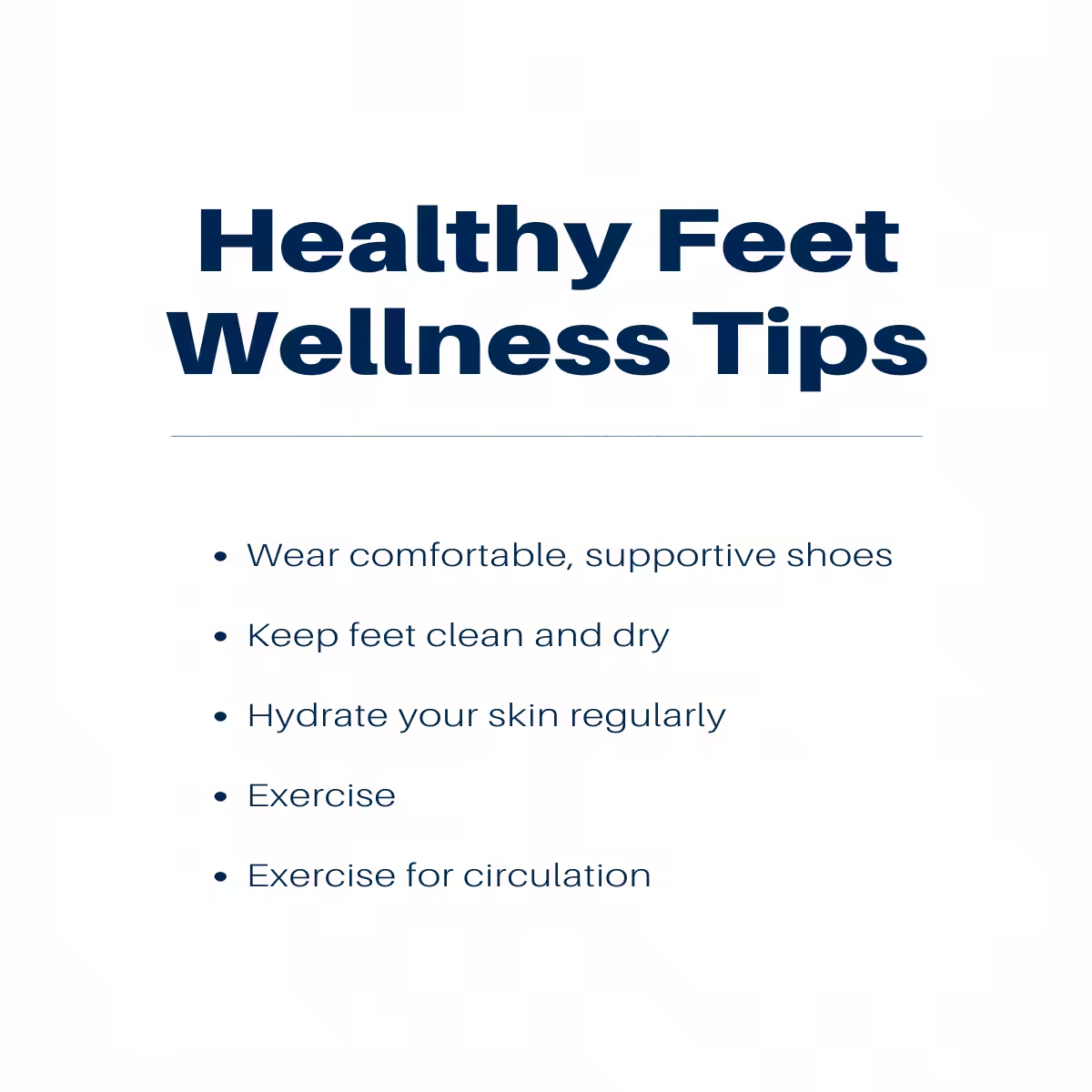
A consistent daily routine takes less than 10 minutes and dramatically reduces your risk of developing chronic foot problems. Think of it as preventive maintenance — the same way you maintain your tools and equipment.
Before work: Wash and thoroughly dry feet, especially between toes. Apply antifungal powder if prone to athlete’s foot. Apply Doctor Hoy’s to any sore areas. Pull on clean DASS compression socks. Ensure your PowerStep insoles are properly positioned in your boots.
During work: Change socks at lunch if feet are excessively sweaty. Do 30-second calf stretches during breaks. Shift weight regularly and avoid prolonged static standing when possible. Report any new foot pain to yourself honestly — early intervention prevents chronic problems.
After work: Remove boots and socks immediately when you get home. Wash feet with soap and water, dry thoroughly. Inspect feet for blisters, calluses, redness, or nail changes. Ice any sore areas for 10–15 minutes. Apply Doctor Hoy’s to the heel, arch, and any tender areas. Elevate feet for 15–20 minutes while icing. Allow boots to air dry overnight — remove insoles and open the boot tongue fully.
Weekly: Trim toenails straight across to prevent ingrown toenails. File down calluses gently with a pumice stone — do not cut or razor calluses, as this creates open wounds prone to infection on dirty job sites. Inspect boots for uneven wear patterns that may indicate gait problems requiring professional evaluation.
Most Common Mistake Construction Workers Make With Foot Care
🔑 Key Takeaway: The most common mistake construction workers make is using the stock insoles that come with their work boots. These factory insoles are thin, flat, and designed for cost — not foot health. They provide virtually no arch support, minimal shock absorption, and break down within weeks of heavy use. Replacing the stock insole with a quality orthotic like PowerStep Pinnacle Maxx is the single most effective intervention for preventing plantar fasciitis, metatarsalgia, and foot fatigue. It costs under $40 and can prevent thousands of dollars in medical bills and lost wages from foot problems that develop over months and years of working on hard surfaces without proper support.
Warning Signs: When Construction Workers Need to See a Podiatrist
⚠️ See a podiatrist if you experience any of the following:
- Heel pain lasting more than 2 weeks despite rest, icing, and over-the-counter insoles — may indicate plantar fasciitis requiring professional treatment
- Numbness or tingling in the toes or ball of the foot that doesn’t resolve after removing your boots — may indicate nerve compression (tarsal tunnel syndrome or Morton’s neuroma)
- A foot or ankle injury with inability to bear weight — potential fracture, tendon tear, or severe sprain requiring imaging
- Persistent swelling in one foot that does not improve with elevation and compression — may indicate a stress fracture or deep vein thrombosis
- Thick, discolored, or crumbling toenails — likely fungal infection that requires prescription treatment to resolve
- An open wound or cut on the foot that is not healing within 7–10 days, especially if accompanied by redness, warmth, or drainage
- Progressively worsening foot shape — bunions, hammertoes, or a flattening arch that is changing over months — which benefits from early intervention before requiring surgery
Contact Balance Foot & Ankle at (810) 206-1402 for evaluation. We understand the demands of construction work and develop treatment plans that keep you on the job.
Construction Worker Foot Care at Balance Foot & Ankle
At Balance Foot & Ankle, Dr. Biernacki treats many patients in the skilled trades and understands the unique demands construction places on your feet. Our approach focuses on keeping you working while addressing foot problems — with treatment plans designed around your schedule, custom orthotic solutions for work boots, and same-week appointments for acute injuries. We work with workers’ compensation cases and can provide documentation for job-related foot injuries.
Foot Care Tips for Workers [Video]
Dr. Biernacki discusses foot care strategies and product recommendations in this educational video from Balance Foot & Ankle:

📋 Dr. Tom Also Recommends
Podiatrist Recommended Orthotics 2026: Dr. Tom’s Top 10 Insoles & Arch Supports
A podiatrist’s complete clinical guide to the best insoles — custom orthotics, OTC picks, and what actually works for plantar fasciitis, flat feet, neuropathy & more.
Read the Full Guide →When construction workers should see a podiatrist immediately:
- Sharp heel pain that worsens with the first steps each morning
- Numbness or tingling in toes after wearing steel-toe boots
- Visible swelling or bruising after a job site impact
- Open wound or blister that does not heal within one week
- Inability to bear weight on the injured foot
More Podiatrist-Recommended Plantar Fasciitis Essentials
Best Night Splint

Keeps fascia stretched overnight — the #1 intervention for morning heel pain.
Top Podiatrist-Recommended Insole

Deep heel cup + arch support unloads the plantar fascia all day.
Plantar Fasciitis Compression Sock

Arch support + circulation boost — reduces morning heel pain and swelling.
As an Amazon Associate, Balance Foot & Ankle earns from qualifying purchases. Product recommendations are based on clinical experience; prices and availability shown above update live from Amazon.

When to See a Podiatrist
If morning heel pain has persisted more than 6 weeks, home care alone rarely fixes it. At Balance Foot & Ankle, we combine in-office ultrasound diagnostics, custom orthotics, and — when needed — shockwave or PRP to resolve plantar fasciitis that hasn’t responded to stretching and inserts. Most patients are walking pain-free within 4-8 weeks of starting a structured plan.
Call Balance Foot & Ankle: (810) 206-1402 · Book online · Offices in Howell & Bloomfield Township
Frequently Asked Questions About Construction Worker Foot Care
Are steel-toe boots bad for your feet?
Steel-toe boots are not inherently bad for your feet — they are essential safety equipment that protects against crush injuries and falling objects. However, most stock work boots come with inadequate insoles and insufficient arch support. The added weight (2–4 pounds per boot) and rigid toe caps can contribute to fatigue and discomfort. The solution is not avoiding steel-toe boots but optimizing them: replace stock insoles with PowerStep Pinnacle Maxx insoles, ensure proper fit with adequate toe box width, and wear DASS compression socks to manage circulation.
How often should I replace work boot insoles?
For construction workers averaging 10+ hour shifts on hard surfaces, orthotic insoles should be replaced every 4–6 months. Signs that replacement is needed include visible compression of the heel cup, flattening of the arch support, or a return of foot pain symptoms that had been controlled. Many workers maintain two pairs of insoles and rotate them weekly to extend lifespan. Mark the replacement date on your calendar — by the time you notice the support is gone, the insole has been underperforming for weeks.
Can I work construction with plantar fasciitis?
Yes, most construction workers can continue working with plantar fasciitis if they take a proactive treatment approach. The key elements are: quality orthotic insoles (non-negotiable), pre-shift stretching and topical pain relief with Doctor Hoy’s, break-time stretching, after-shift icing and elevation, and night splints. If symptoms persist beyond 4–6 weeks with these measures, see a podiatrist for additional treatments like shockwave therapy or cortisone injection that can accelerate recovery while you continue working.
How can I prevent toenail fungus in work boots?
Prevention focuses on moisture control: wear moisture-wicking socks (change at lunch if excessively sweaty), apply antifungal powder to feet before putting on socks, allow boots to dry completely between uses (remove insoles and open tongue fully overnight), and rotate between two pairs of boots if possible. Keep toenails trimmed short and straight across. If you notice early signs of fungal infection (slight discoloration, thickening at the nail tip), seek treatment immediately — early fungal infections respond much better to topical treatments than established infections that have spread to the nail matrix.
Is foot pain covered by workers’ compensation for construction workers?
Foot conditions caused or significantly aggravated by construction work may be covered by workers’ compensation in Michigan. Acute injuries (fractures, puncture wounds, crush injuries) are clearly compensable. Repetitive stress conditions like plantar fasciitis and stress fractures can also be covered if you can establish that your work activities were a significant contributing cause. Document your symptoms, report them to your supervisor promptly, and see a podiatrist who has experience with workers’ compensation cases. At Balance Foot & Ankle, we provide thorough documentation to support legitimate workers’ compensation claims.
In-Office Treatment at Balance Foot & Ankle
If home care isn’t resolving your plantar fasciitis, a visit with a board-certified podiatrist is the fastest path to accurate diagnosis and a personalized plan. At Balance Foot & Ankle Specialists, Dr. Tom Biernacki, Dr. Carl Jay, and Dr. Daria Gutkin offer same-day and next-day appointments at both our Howell and Bloomfield Township offices. We perform on-site diagnostic ultrasound, digital X-ray, conservative care, advanced regenerative treatments, and minimally invasive surgery when indicated.
Call (810) 206-1402 or request an appointment online. Most insurance plans accepted, including Medicare, Blue Cross Blue Shield, Aetna, Cigna, and United Healthcare.
Sources
- Cham R, Redfern MS. “Effect of flooring on standing comfort and fatigue.” Hum Factors. 2001;43(3):381-391.
- McCulloch J. “Health risks associated with prolonged standing.” Work. 2002;19(2):201-205.
- Redfern MS, Cham R. “The influence of flooring on standing comfort and fatigue.” AIHAJ. 2000;61(5):700-708.
- Anderson J, Williams AE, Nester CJ. “An explorative qualitative study to determine the foot health and shoe wearing habits of workers in standing environments.” J Foot Ankle Res. 2017;10:41.
- Zander JE, King PM, Ezenwa BN. “Influence of flooring conditions on lower leg volume following prolonged standing.” Int J Ind Ergon. 2004;34(4):279-288.
Foot Care for Michigan’s Tradesmen
Dr. Biernacki at Balance Foot & Ankle treats construction workers, tradesmen, and skilled laborers throughout Southeast Michigan. Whether you are dealing with plantar fasciitis, metatarsalgia, heel pain, or need a comprehensive foot health evaluation, we offer treatment plans designed to keep you working. Same-week appointments available.
Balance Foot & Ankle |(810) 206-1402 | Serving Southeast Michigan
Related Foot Care Guides
- Plantar Fasciitis Treatment: Complete Guide
- Best Shoes for Plantar Fasciitis 2026
- Metatarsalgia: Causes, Treatment & Prevention
- Foot Health After 65: Complete Senior Care Guide
- Podiatrist Recommended Foot Care Products 2026
Ready to Get Relief?
Same-day appointments available in Howell & Bloomfield Township, MI
4.9★ | 1,123 Reviews | 3,000+ Surgeries
Or call: (810) 206-1402
Insurance Accepted
BCBS · Medicare · Aetna · Cigna · United Healthcare · HAP · Priority Health · Humana · View All →
Howell Office
4330 E Grand River Ave
Howell, MI 48843
Get Directions →
Bloomfield Township Office
43494 Woodward Ave, Suite 208
Bloomfield Township, MI 48302
Get Directions →
Your Board-Certified Podiatrists



Ready to Get Back on Your Feet?
Same-week appointments available at both locations.
Book Your AppointmentWatch: Construction Worker Foot Care
Dr. Tom on construction foot care — steel-toe boot fit, plantar fasciitis on job site, on-feet recovery.
Construction Worker Foot Kit
Steel toes + concrete + 10+ hour shifts. Dr. Tom’s kit:
As an Amazon Associate, Balance Foot & Ankle earns from qualifying purchases. This supports our free patient education content.
Full-shift arch support in work boots.
Morning heel pain fix after long shifts.
End-of-day cool-down.
Muscle + plantar relief.
Related: PF Treatment · Custom Orthotics · Book Same-Week Appointment
👟 Dr. Tom’s Complete Footwear Library
Podiatrist-Approved Guides for Every Foot Type & Condition
Clinically reviewed by Dr. Tom Biernacki, DPM — Board-Certified Podiatrist
All guides are written and reviewed by licensed podiatrists. Schedule an appointment →
Differential Diagnosis: What Else Could It Be?
Several conditions share symptoms with Plantar Fasciitis and are commonly misdiagnosed in the first office visit. Considering these alternatives is part of every Balance Foot & Ankle exam:
- Baxter’s neuropathy. Compressed first branch of lateral plantar nerve — burning medial heel pain rather than first-step sharpness.
- Calcaneal stress fracture. Squeeze test of the heel reproduces pain anywhere; PF is reproduced only at the medial-plantar attachment.
- Heel spur (incidental). Spurs show on X-ray but rarely cause pain on their own — treat the fascia, not the spur.
If your symptoms don’t fit the textbook pattern, ask your podiatrist which differentials they ruled out — that conversation often shortcuts months of trial-and-error treatment.
In Our Clinic
In our Balance Foot & Ankle clinic, the typical plantar fasciitis patient is a 40- to 60-year-old who noticed sharp heel pain on their very first steps in the morning or after sitting at a desk. Many arrive having already tried cheap shoe-store inserts and a week of ice without relief. On exam, we palpate the medial calcaneal tubercle, check for a positive windlass test, and rule out Baxter’s neuropathy and calcaneal stress fractures. Most of our plantar fasciitis patients respond to a custom orthotic + eccentric calf loading + night splinting protocol within 6–12 weeks — without injections or surgery.
Most Common Mistake We See
The most common mistake we see is: Stretching aggressively before the fascia warms up. Fix: apply heat or move the foot through gentle circles for 3-5 minutes before your first morning steps, then stretch.
Warning Signs That Need Same-Day Care
Seek immediate evaluation at Balance Foot & Ankle if you experience any of the following:
- Unable to bear weight on the heel
- Bruising or visible swelling around the heel
- Constant rest or night pain in the heel
- No improvement after 6 weeks of home care
Call (810) 206-1402 — same-day and next-day appointments at our Howell and Bloomfield Township offices.
Frequently Asked Questions
When should I see a podiatrist?
If symptoms persist past 2 weeks, affect your normal activity, or are accompanied by red-flag symptoms (warmth, redness, swelling, inability to bear weight).
What does treatment cost?
Most diagnostic visits and conservative treatments are covered by Medicare and major insurers. Out-of-pocket costs vary by your specific plan.
How quickly can I get an appointment?
Most non-urgent cases see us within 5 business days. Urgent cases (sudden pain, possible fracture) typically same or next business day.
What is Plantar fasciitis?
Plantar fasciitis is a common foot/ankle condition that affects mobility and quality of life. Understanding the underlying cause is the first step in successful treatment. Our podiatrists at Balance Foot & Ankle perform a hands-on biomechanical exam, review your activity history, and use diagnostic imaging when appropriate to identify the root cause—not just treat the symptom. Many patients have been told to “rest and ice” without a deeper diagnostic workup; our approach is different.
Symptoms and warning signs
Common signs of plantar fasciitis include pain that worsens with activity, morning stiffness, swelling, tenderness when palpated, and difficulty bearing weight. If you experience sudden severe pain, inability to walk, visible deformity, numbness or color change, contact our office the same day or visit urgent care—these can signal a more serious injury such as a fracture, tendon rupture, or vascular compromise. Diabetics with any foot wound should seek same-day care.
Conservative treatment options
Most cases of plantar fasciitis respond to non-surgical care: structured rest, supportive footwear changes, custom orthotics, targeted stretching and strengthening protocols, anti-inflammatory medications when medically appropriate, and in-office procedures such as ultrasound-guided injections. We also offer advanced therapies including MLS laser therapy, EPAT/shockwave, regenerative injections, and image-guided procedures. Treatment is sequenced from least invasive to most invasive, and we explain the rationale at every step.
When is surgery considered?
Surgery is reserved for cases that fail 3-6 months of well-structured conservative care, when there is structural pathology (severe deformity, complete tear, advanced arthritis), or when imaging shows damage that will not heal without intervention. Our surgeons have performed 3,000+ foot and ankle procedures and prioritize minimally-invasive techniques whenever appropriate. We discuss recovery timelines, return-to-activity milestones, and realistic outcome expectations before any procedure is scheduled.
Recovery timeline and prevention
Recovery from plantar fasciitis varies based on severity and chosen treatment path. Conservative cases often improve within 4-8 weeks with consistent adherence to the protocol. Post-procedural recovery may range from a few days (in-office procedures) to several months (reconstructive surgery). Long-term prevention involves footwear assessment, activity modification, structured strengthening, and regular check-ins with your podiatrist if you have a history of recurrence. We provide written home-exercise plans and digital follow-up support.
Ready to feel better?
Same-week appointments available in Howell and Bloomfield Township, Michigan.
Book Your Visit
Dr. Tom Biernacki, DPM is a board-certified foot & ankle surgeon (ABFAS & ABPM) at Balance Foot & Ankle Specialists in Southeast Michigan. With over a decade of clinical experience, he specializes in heel pain, bunions, diabetic foot care, sports injuries, and minimally invasive surgery. Dr. Biernacki is a member of the APMA and ACFAS, and his patient education content on MichiganFootDoctors.com and YouTube has made him one of the most-followed foot & ankle educators on YouTube.
More questions patients ask
What causes heel pain?
Heel pain most commonly results from plantar fasciitis (inflammation of the plantar fascia ligament), which accounts for approximately 80% of cases. Other causes include Achilles tendinitis, heel spurs, stress fractures, Baxter's nerve entrapment, and fat pad atrophy. Dr. Biernacki performs a thorough biomechanical evaluation to identify the precise cause. Call 810-206-1402 for a same-day appointment.
How long does plantar fasciitis take to heal?
With proper treatment, most plantar fasciitis cases improve within 6-12 weeks. Conservative treatments include custom orthotics, stretching protocols, physical therapy, and corticosteroid injections. For persistent cases beyond 6 months, Dr. Biernacki offers advanced options including shockwave therapy and minimally invasive procedures with 90%+ success rates.
Should I see a podiatrist for heel pain?
Yes. A board-certified podiatrist like Dr. Biernacki can accurately diagnose the cause of heel pain using X-rays and diagnostic ultrasound, ruling out stress fractures and other serious conditions. Self-treatment with over-the-counter insoles often delays proper treatment and can worsen the condition. Early intervention leads to faster recovery.
Still have a question about coverage or cost? Book online and we will check your benefits before your visit: Book in Howell · Book in Bloomfield Township. Prefer to talk it through first? Call (810) 206-1402.