
Medically reviewed by Dr. Tom Biernacki, DPM
Board-certified podiatric surgeon | Balance Foot & Ankle
Last reviewed: April 2026
Quick answer: Excess body weight increases mechanical stress on your feet by 2–3× with every step, accelerating plantar fasciitis, flat foot collapse, arthritis, and tendon damage. Targeted podiatric care — custom orthotics, supportive footwear, gradual exercise programs, and early intervention — can protect your feet and keep you mobile.
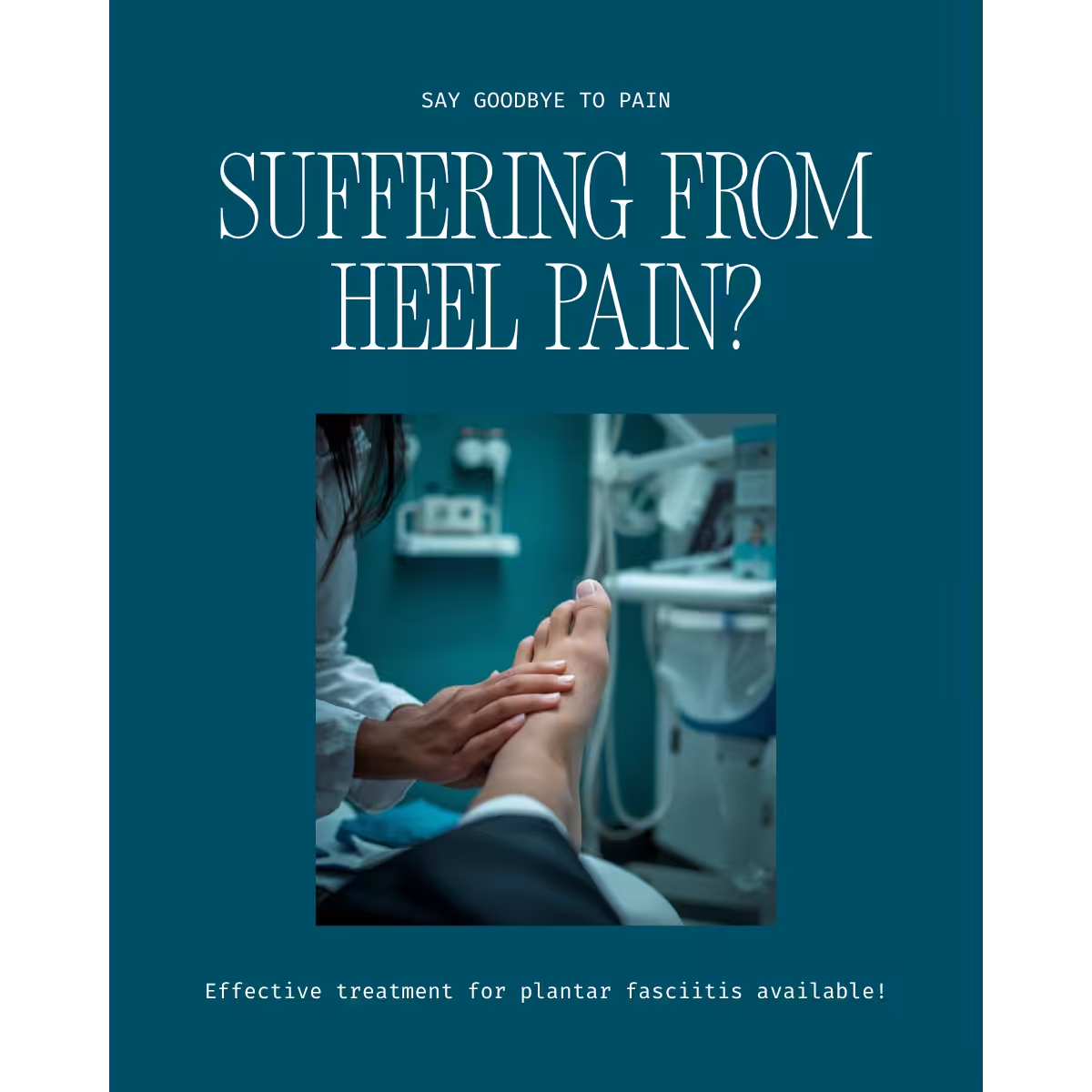
Treatment at Balance Foot & Ankle: EPAT Shockwave for Heel Pain →
⚕️ Medical Review
Reviewed by Dr. Thomas Biernacki, DPM — Board-qualified podiatrist at Balance Foot & Ankle Specialists, Novi, Michigan. Over 10 years of experience treating weight-related foot conditions with compassionate, evidence-based care. Last updated April 2026.
⚡ Quick Answer: Excess body weight significantly increases the mechanical load on your feet — every extra pound adds 2-3 pounds of force during walking. This leads to higher rates of plantar fasciitis, posterior tibial tendon dysfunction (flatfoot), osteoarthritis, swelling, and skin conditions. The good news: targeted footwear, supportive insoles, graduated exercise, and proper foot care can dramatically improve foot comfort and mobility regardless of where you are on your health journey.
Affiliate disclosure: This article contains affiliate links to products Dr. Biernacki recommends. Purchases made through these links support our practice at no additional cost to you.
Table of Contents
- The Weight-Foot Connection
- Plantar Fasciitis and Heel Pain
- Progressive Flatfoot and PTTD
- Foot and Ankle Osteoarthritis
- Chronic Lower Extremity Swelling
- Skin Conditions: Calluses, Fungus, and Ulceration
- Peripheral Neuropathy Considerations
- Gout and Metabolic Foot Conditions
- Circulation and Vascular Health
- Footwear That Actually Works
- Insoles and Orthotics for Heavier Patients
- Exercise Starting Points for Foot Health
- Daily Foot Care Routine
- How Weight Loss Improves Foot Health
- Recommended Products
- Complete Foot Comfort Kit
- Most Common Mistake
- Warning Signs
- Frequently Asked Questions
- Sources
- Watch: Foot Care and Mobility
- Book an Appointment
The Weight-Foot Connection: Understanding the Biomechanics
Your feet are remarkable structures — 26 bones, 33 joints, and over 100 muscles, tendons, and ligaments in each foot, all engineered to support your body weight and absorb the forces of walking, standing, and moving through your day. But like any structural system, there are limits to how much load these structures can sustain before symptoms develop.
The force multiplication effect is significant: During normal walking, each step generates ground reaction forces of 1.2-1.5 times body weight. During stair climbing, this increases to 2-3 times body weight. For a person weighing 250 pounds, that means their feet absorb 375-750 pounds of force with every stair step. Over a typical day of 5,000-8,000 steps, the cumulative loading on the feet is extraordinary — and it’s this cumulative, repetitive overload that drives the conditions we’ll discuss.
The structural changes are measurable. Research shows that higher BMI is associated with flatter arches, wider feet, increased plantar pressure under the midfoot and forefoot, and reduced shock-absorbing capacity of the heel fat pad. These aren’t just numbers — they translate directly into the foot pain, fatigue, and mobility limitations that bring patients to our practice seeking help.
An important note on approach: At Balance Foot & Ankle, we treat foot conditions — not body size. Our goal is to get your feet comfortable and functional so you can stay active and mobile, whatever your current weight. Many of the conditions we’ll discuss are entirely manageable with proper footwear, insoles, and targeted care.
Plantar Fasciitis and Heel Pain
Plantar fasciitis is the most common foot condition we treat in patients with elevated body weight, and the relationship is well-established: BMI above 30 is one of the strongest independent risk factors. The plantar fascia — a thick band of tissue supporting your arch — bears tensile loads proportional to body weight. Heavier loads mean greater strain on this tissue with every single step.
The presentation is often more severe in heavier patients because the fascia is under greater baseline tension. Morning heel pain — the hallmark symptom — may be intense enough to require several minutes of gentle walking before becoming manageable. Standing periods of 20-30 minutes may trigger flares. Activities that were comfortable at a lower weight, like grocery shopping or walking through a parking lot, may become painful.
Treatment is highly effective but requires consistency. Supportive footwear worn from the moment you get out of bed (never barefoot on hard floors). Semi-rigid insoles that support the arch and distribute plantar pressure more evenly. Calf and plantar fascia stretching — tight calf muscles are nearly universal in patients with plantar fasciitis and directly increase fascia strain. Night splints to maintain calf flexibility overnight. For refractory cases, shockwave therapy and cortisone injections provide additional relief.
Progressive Flatfoot and Posterior Tibial Tendon Dysfunction
The posterior tibial tendon is the primary dynamic stabilizer of the arch. Increased body weight overloads this tendon during every step, and over years, it progressively stretches and weakens — a condition called posterior tibial tendon dysfunction (PTTD) that leads to progressive flatfoot deformity.
The progression follows predictable stages: Stage 1 involves tendon inflammation with pain along the inner ankle but a normal-appearing foot. Stage 2 shows flexible flatfoot deformity — the arch collapses during standing but can be manually corrected. Stage 3 involves rigid flatfoot with arthritis developing in the affected joints. Stage 4 extends the deformity to the ankle joint. Early detection and intervention at Stages 1-2 can prevent progression to the irreversible changes of Stages 3-4.
Conservative management includes: Structured insoles or custom orthotics with aggressive medial posting to support the failing arch. Ankle bracing for moderate cases. Posterior tibial tendon strengthening exercises. Footwear with motion control features and firm heel counters. Weight management as a long-term strategy to reduce tendon loading.
Foot and Ankle Osteoarthritis
Excess body weight accelerates cartilage wear in weight-bearing joints throughout the body, and the foot and ankle are no exception. The first MTP joint (big toe joint), the ankle, and the midfoot joints are the most commonly affected foot locations.
The relationship is dose-dependent: Each 5-unit increase in BMI correlates with a 35% increased risk of foot and ankle osteoarthritis. The mechanism combines direct mechanical overload with systemic inflammation — adipose tissue produces inflammatory cytokines that promote cartilage degradation independent of mechanical factors, meaning both local and systemic pathways contribute.
Management focuses on reducing joint loading and controlling inflammation: Cushioned, supportive footwear with rocker-bottom soles to reduce big toe joint demands. Insoles that redistribute weight away from arthritic joints. Low-impact exercise (pool walking, cycling) to maintain mobility without accelerating cartilage wear. Topical anti-inflammatory treatment for flares. When conservative measures are insufficient, surgical options exist for advanced cases.
Chronic Lower Extremity Swelling
Chronic edema (swelling) in the feet, ankles, and lower legs is extremely common in patients with elevated body weight. Multiple mechanisms contribute: impaired venous return from increased abdominal pressure, reduced calf muscle pump efficiency, lymphatic overload, and in some cases, venous insufficiency with valve failure.
The consequences extend beyond cosmetic concern: Chronic edema stretches skin, increasing vulnerability to cracks, ulceration, and infection. It reduces ankle range of motion, altering gait mechanics. It makes shoe fitting difficult as foot volume fluctuates throughout the day. And it creates a warm, moist environment that promotes fungal growth between toes and along the plantar surface.
Management includes: Graduated compression socks worn during all upright hours. Leg elevation when seated — feet above heart level when possible. Regular ankle pumping exercises to activate the calf muscle pump. Adequate hydration (counterintuitively, dehydration can worsen fluid retention). Evaluation for venous insufficiency if swelling is asymmetric or progressive. Adjustable footwear (laces or Velcro) to accommodate volume changes throughout the day.
Skin Conditions: Calluses, Fungus, and Ulceration Risk
The skin of the feet faces unique challenges in heavier patients: increased friction and pressure from higher loading, moisture accumulation in skin folds and between toes, reduced ability to inspect and reach the feet for daily care, and impaired wound healing associated with metabolic conditions that frequently coexist with obesity.
Calluses develop at pressure points — areas where the skin compensates for excessive loading by thickening. In heavier patients, calluses tend to be thicker, more painful, and more prone to developing subkeratotic hemorrhages (bleeding beneath the callus) or cracking. Professional callus reduction provides immediate relief, while redistributive insoles address the underlying pressure pattern.
Fungal infections (athlete’s foot and toenail fungus) thrive in the warm, moist environment that develops when feet swell and perspire in enclosed footwear. The combination of reduced circulation, altered immune function, and difficulty reaching feet for thorough drying creates ideal conditions for persistent fungal colonization. Treatment requires both antifungal medication and environmental management — moisture-wicking socks, daily foot washing with thorough drying, and antifungal powder.
Peripheral Neuropathy Considerations
Obesity is an independent risk factor for peripheral neuropathy, even in the absence of diabetes. The mechanisms include metabolic inflammation, compression of nerves by adjacent swollen tissues, and impaired blood supply to peripheral nerves. When diabetes or prediabetes coexists — which occurs in approximately 50% of patients with significant obesity — neuropathy risk increases substantially.
Neuropathy creates a dangerous combination: Reduced sensation means you don’t feel developing injuries — a blister, a callus crack, a foreign object in the shoe. Meanwhile, the increased mechanical loading from body weight means these injuries are more likely to occur. This is why daily foot inspection is critical for heavier patients, especially those with diabetes or prediabetic glucose levels.
Gout and Metabolic Foot Conditions
Gout — the excruciating inflammatory arthritis caused by uric acid crystal deposition — is strongly associated with obesity. The first MTP joint (big toe joint) is the most common site of gout attacks, and elevated body weight is one of the strongest risk factors for both elevated uric acid levels and recurrent gout flares.
An acute gout flare produces sudden, severe pain in the affected joint — typically the big toe — with intense redness, swelling, and warmth. The pain is often so severe that even the weight of a bedsheet is intolerable. Flares are triggered by dietary factors (red meat, shellfish, alcohol, high-fructose beverages), dehydration, and metabolic stress.
Management involves acute flare treatment (colchicine, NSAIDs, or corticosteroids prescribed by your physician) and long-term uric acid reduction through dietary modification, hydration, and potentially urate-lowering medication. Weight management is one of the most effective strategies for reducing gout frequency and severity — even modest weight loss measurably reduces serum uric acid levels.
Circulation and Vascular Health
Peripheral arterial disease (PAD) is more common in patients with obesity due to the associated metabolic risk factors — hypertension, hyperlipidemia, insulin resistance, and chronic inflammation. Reduced blood flow to the feet impairs wound healing, increases infection risk, and can cause claudication (leg pain with walking) that limits the exercise needed for weight management.
Warning signs of compromised circulation include: Feet that are cool to the touch compared to the calves. Absent or diminished pedal pulses. Skin color changes — pale, dusky, or cyanotic toes. Hair loss on the toes and dorsal foot. Wounds that heal slowly or not at all. Cramping in the calves or feet during walking that resolves with rest. Any of these findings warrant vascular evaluation.
Footwear That Actually Works
Finding comfortable, supportive shoes when you carry extra weight can feel frustrating — but the right footwear genuinely transforms daily comfort and mobility. The key features to prioritize are different from what shoe marketing emphasizes.
Structural support over cushioning alone. Ultra-soft, cushiony shoes feel great in the store but compress under higher body weight within weeks, leaving you with no meaningful support. Semi-rigid arch support and a firm heel counter maintain their corrective properties under load. The shoe should feel supportive — not just soft.
Wide and extra-wide options aren’t optional for many heavier patients. Feet naturally widen with increased loading, and forcing a wider foot into a standard-width shoe creates lateral compression that contributes to bunions, neuromas, and forefoot pain. Many quality shoe brands offer wide (2E) and extra-wide (4E) options. Seek these specifically rather than sizing up in length.
Adjustable closure is essential for patients with fluctuating edema. Laces or Velcro straps allow you to adjust fit throughout the day as swelling changes. Slip-on shoes that fit in the morning may become painfully tight by afternoon. Choose shoes you can loosen when swelling increases and tighten when it subsides.
Insoles and Orthotics for Heavier Patients
Factory insoles are designed for average body weight and fail quickly under increased loading. Replacing them with quality aftermarket insoles is one of the most cost-effective interventions for improving foot comfort.
Semi-rigid insoles are critical. Soft foam insoles compress to nothing under heavier loads — they may feel good for the first hour but provide no functional support by midday. Semi-rigid arch support maintains its corrective properties throughout the day, distributing force across the entire plantar surface rather than concentrating it at the heel and forefoot. This directly reduces plantar fasciitis strain, metatarsalgia, and midfoot fatigue.
Custom orthotics are indicated when over-the-counter insoles don’t provide adequate control — typically in patients with significant flatfoot deformity, posterior tibial tendon dysfunction, or complex biomechanical needs. Custom devices are made from impressions of your specific feet and can incorporate precise corrections for your individual pathology.
Exercise Starting Points for Foot Health
Exercise is essential for foot health — it maintains joint mobility, strengthens supporting muscles, improves circulation, and supports weight management. But starting an exercise program when your feet already hurt requires a thoughtful, graduated approach.
Begin with zero-impact options: Pool walking in waist-deep water reduces foot loading by 50% while providing excellent cardiovascular exercise and gentle resistance. Seated exercises — ankle pumps, toe curls, resistance band work — build foot and ankle strength without weight-bearing. Recumbent cycling maintains fitness while eliminating foot impact entirely.
Progress to low-impact weight-bearing: Short walks on flat, predictable surfaces — start with 10 minutes and increase by 2-3 minutes per session as tolerated. Wear your most supportive shoes with quality insoles. Walk at a comfortable conversational pace, not an exercise pace. If foot pain increases after walking, reduce duration or return to non-weight-bearing options temporarily.
Foot-specific exercises (daily, 5 minutes): Towel scrunches to strengthen intrinsic foot muscles. Calf stretches against a wall (30 seconds, 3 reps each side). Ankle circles to maintain joint mobility. Single-leg balance holds (with hand support if needed) to improve proprioception and ankle stability.
Daily Foot Care Routine
A structured daily foot care routine prevents the small problems — a developing callus, a fungal patch, a skin crack — from becoming big problems that limit your mobility.
Morning: Inspect feet thoroughly before putting on shoes (use a mirror for the soles if reaching is difficult). Apply moisturizer to heels and soles — dry, cracked skin is an infection entry point. Put on clean, moisture-wicking socks. Don your most supportive footwear with quality insoles — even for indoor wear. Never walk barefoot on hard floors.
Evening: Wash feet with lukewarm water and mild soap. Dry completely, especially between toes (use a towel or even a hair dryer on a cool setting). Re-inspect for any changes — new redness, callus development, skin cracks, discoloration. Apply antifungal powder if you have any history of athlete’s foot. Moisturize again, avoiding between the toes. Elevate feet for 20-30 minutes before bed.
How Weight Loss Improves Foot Health
The relationship between weight reduction and foot symptom improvement is well-documented and dose-dependent — meaning every pound matters, not just dramatic weight loss.
Even modest weight loss produces measurable foot benefits: A 10-pound weight loss reduces the force on each foot by 20-30 pounds per step during walking. Over a day of 6,000 steps, that’s 120,000-180,000 fewer pounds of cumulative foot loading. Studies show that 5-10% body weight reduction significantly reduces plantar fasciitis symptoms, improves mobility scores, and decreases gout flare frequency.
The foot-exercise positive cycle: As foot pain decreases with initial treatment (insoles, footwear, stretching), exercise capacity increases. Increased exercise supports weight management. Weight reduction further decreases foot loading. Decreased foot loading allows more exercise. This virtuous cycle is why treating foot pain aggressively in heavier patients is one of the most impactful interventions — it enables the activity that supports long-term health improvement.
Recommended Products
PowerStep Pinnacle Insoles — Everyday Comfort Support
For patients who find the Maxx too firm initially, PowerStep Pinnacle insoles provide an excellent balance of structural support and cushioning comfort. The semi-rigid arch still outperforms any factory insole, and the dual-layer cushioning provides meaningful shock absorption. Many patients start with the Pinnacle and progress to the Maxx as their feet adapt to having proper support. Works in athletic shoes, walking shoes, and many casual shoes.
Doctor Hoy’s Natural Pain Relief Gel — Daily Foot Relief
When your feet ache after a long day, Doctor Hoy’s Natural Pain Relief Gel provides immediate topical relief using clean menthol and camphor without artificial chemicals. Apply to sore heels (plantar fasciitis), aching arches, and fatigued metatarsal areas during your evening foot care routine. The gel absorbs quickly and provides the cooling comfort that makes the transition from standing to rest more comfortable.
Doctor Hoy’s Arnica Boost Recovery Cream — Chronic Pain Management
For the persistent, low-level foot pain that develops from chronic overloading, Doctor Hoy’s Arnica Boost Recovery Cream provides deeper anti-inflammatory support through arnica montana and clean botanical ingredients. Apply nightly as part of your structured foot care routine, focusing on the plantar fascia, Achilles tendon, and any areas of chronic tenderness. Safe for daily long-term use without the concerns associated with prolonged oral anti-inflammatory use.
DASS Compression Socks — Essential Swelling Management
For heavier patients, compression socks aren’t optional — they’re essential daily wear. DASS compression socks provide graduated medical-grade compression that combats the chronic lower extremity edema so many patients experience. The graduated compression — strongest at the ankle, decreasing toward the knee — actively pushes fluid back toward the heart rather than allowing gravitational pooling. Put them on first thing in the morning before swelling develops, and wear throughout the day.
FLAT SOCKS — Comfort Layer for Sensitive Feet
Heavier patients often develop more sensitive plantar skin from chronic pressure. FLAT SOCKS ultra-thin insole liners add a smooth, moisture-wicking interface between your foot and your insole that reduces friction and manages moisture without adding meaningful bulk. Layer on top of your PowerStep insoles for the best combination of structural support and surface comfort.
Complete Foot Comfort Kit
🏥 Dr. Biernacki’s Foot Comfort Kit — 3 Foundation Wellness Brands
Daily comfort and protection for your feet:
1. PowerStep Pinnacle Maxx Insoles — semi-rigid support that doesn’t collapse under load
2. Doctor Hoy’s Pain Relief Gel — clean evening relief for daily foot fatigue
3. DASS Compression Socks — all-day graduated compression for swelling control
This combination addresses structural support (insoles all day), pain management (topical relief in the evening), and edema control (compression throughout). Most patients report significant comfort improvement within the first week.
Most Common Mistake With Weight-Related Foot Care
🔑 Key Takeaway: The Biggest Mistake We See
A 47-year-old Southfield elementary school teacher weighing 275 pounds came to our practice after two years of worsening bilateral heel pain. She’d been diagnosed with plantar fasciitis by her primary care physician, given a cortisone injection, and told to “lose weight and it will get better.” No footwear guidance, no insole recommendation, no stretching program, and no follow-up was arranged.
The injection provided temporary relief, but within three months the pain returned worse than before. Over the following 18 months, she progressively reduced her activity — stopped her evening walks, avoided the playground at recess, began sitting whenever possible. Her reduced activity led to 30 additional pounds of weight gain, which further worsened her foot pain. By the time she reached our office, she was in a pain-inactivity-weight gain spiral that had profoundly impacted her quality of life.
What should have happened: Plantar fasciitis treatment requires a comprehensive approach — not just an injection and a weight loss recommendation. Supportive footwear with semi-rigid insoles (worn from the moment she gets out of bed), a structured stretching program, graduated exercise starting with non-weight-bearing options, and regular follow-up to adjust the treatment plan. Weight loss advice without addressing the foot pain that prevents exercise is putting the cart before the horse.
The lesson: Foot pain must be treated directly and aggressively in heavier patients — not dismissed with “lose weight first.” Getting the feet comfortable enables the activity that supports weight management. The treatment tools (insoles, footwear, stretching, compression) are available today and can begin working this week, regardless of what the scale says.
Warning Signs: When to Seek Immediate Care
⚠️ See Your Podiatrist Promptly If You Experience:
1. Sudden, severe pain and redness in the big toe joint — likely a gout flare requiring treatment to prevent joint damage
2. Open wound or skin breakdown on the foot that doesn’t improve within one week — impaired healing requires professional wound management
3. Progressive arch flattening with inner ankle pain — posterior tibial tendon dysfunction that worsens without treatment
4. Numbness or loss of sensation in the feet — neuropathy that needs evaluation, especially with diabetes or prediabetes
5. Asymmetric swelling (one leg significantly more swollen) — may indicate deep vein thrombosis requiring urgent evaluation
6. Cool, discolored toes or feet — suggests compromised circulation requiring vascular assessment
7. Heel pain that wakes you at night — nighttime pain suggests pathology beyond typical plantar fasciitis
8. Inability to walk a full city block without stopping due to foot or calf pain — may indicate vascular claudication or severe mechanical pathology requiring intervention
More Podiatrist-Recommended Plantar Fasciitis Essentials
Best Night Splint

Keeps fascia stretched overnight — the #1 intervention for morning heel pain.
Top Podiatrist-Recommended Insole

Deep heel cup + arch support unloads the plantar fascia all day.
Plantar Fasciitis Compression Sock

Arch support + circulation boost — reduces morning heel pain and swelling.
As an Amazon Associate, Balance Foot & Ankle earns from qualifying purchases. Product recommendations are based on clinical experience; prices and availability shown above update live from Amazon.

When to See a Podiatrist
If morning heel pain has persisted more than 6 weeks, home care alone rarely fixes it. At Balance Foot & Ankle, we combine in-office ultrasound diagnostics, custom orthotics, and — when needed — shockwave or PRP to resolve plantar fasciitis that hasn’t responded to stretching and inserts. Most patients are walking pain-free within 4-8 weeks of starting a structured plan.
Call Balance Foot & Ankle: (810) 206-1402 · Book online · Offices in Howell & Bloomfield Hills
Frequently Asked Questions
Will losing weight cure my foot pain?
Weight loss significantly improves foot symptoms in most patients — even modest reductions of 5-10% body weight produce measurable relief. However, weight loss alone may not fully resolve conditions that have progressed to structural changes (flatfoot deformity, arthritis, tendon damage). The most effective approach treats foot pain directly with insoles, footwear, and therapy while simultaneously supporting weight management through increased activity enabled by improved foot comfort.
Why do my feet swell so much by the end of the day?
End-of-day foot swelling results from gravitational fluid pooling, increased venous pressure from prolonged standing, and in some cases, venous valve insufficiency. Higher body weight increases abdominal pressure, which impedes venous return from the legs. Graduated compression socks worn from morning reduce this swelling significantly. Leg elevation, ankle pumping exercises, and adequate hydration also help. If swelling is severe, asymmetric, or sudden in onset, seek evaluation to rule out vascular conditions.
What shoes should I buy if I have wide, flat feet and carry extra weight?
Prioritize shoes with wide or extra-wide toe boxes, firm heel counters, lace or Velcro closure for adjustability, and removable insoles (so you can replace them with PowerStep insoles). New Balance, Brooks, and ASICS offer many models in wide and extra-wide options with adequate structural support. Avoid ultra-cushioned shoes without structural support — they compress quickly under higher body weight. Always replace factory insoles with semi-rigid aftermarket insoles for proper arch support.
Is it normal for my feet to change size and shape as I’ve gained weight?
Yes. Increased body weight causes measurable changes in foot structure — arches flatten, feet widen, and overall foot length may increase by a half to full shoe size. These changes result from both soft tissue expansion and structural adaptation to higher loading. It’s important to have your feet measured periodically and to wear shoes that fit your current foot size and shape, not your previous size. Forcing your feet into shoes that no longer fit causes pain and accelerates deformity.
Can I exercise without making my foot pain worse?
Absolutely. The key is starting with low-impact or non-impact activities. Pool walking reduces foot loading by 50% while providing excellent exercise. Recumbent cycling eliminates foot impact entirely. Seated resistance exercises build strength without weight-bearing stress. As your feet become more comfortable with proper insoles and footwear, gradually introduce short walks on flat surfaces. Any exercise that increases your foot pain beyond the next day should be modified — reduce duration or switch to a lower-impact alternative.
In Our Clinic
In our Balance Foot & Ankle clinic, the typical plantar fasciitis patient is a 40- to 60-year-old who noticed sharp heel pain on their very first steps in the morning or after sitting at a desk. Many arrive having already tried cheap shoe-store inserts and a week of ice without relief. On exam, we palpate the medial calcaneal tubercle, check for a positive windlass test, and rule out Baxter’s neuropathy and calcaneal stress fractures. Most of our plantar fasciitis patients respond to a custom orthotic + eccentric calf loading + night splinting protocol within 6–12 weeks — without injections or surgery.
Sources
- Hills AP, Hennig EM, McDonald M, Bar-Or O. Plantar Pressure Differences Between Obese and Non-Obese Adults: A Biomechanical Analysis. International Journal of Obesity. 2001;25(11):1674-1679.
- Frey C, Zamora J. The Effects of Obesity on Orthopaedic Foot and Ankle Pathology. Foot & Ankle International. 2007;28(9):996-999.
- Butterworth PA, Landorf KB, Smith SE, Menz HB. The Association Between Body Mass Index and Musculoskeletal Foot Disorders: A Systematic Review. Obesity Reviews. 2012;13(7):630-642.
- Irving DB, Cook JL, Young MA, Menz HB. Obesity and Pronated Foot Type May Increase the Risk of Chronic Heel Pain. BMC Musculoskeletal Disorders. 2007;8:41.
- Messier SP, Gutekunst DJ, Davis C, DeVita P. Weight Loss Reduces Knee-Joint Loads in Overweight and Obese Older Adults. Arthritis & Rheumatism. 2005;52(7):2026-2032.
Watch: Foot Care and Mobility

Dr. Biernacki discusses foot care at Balance Foot & Ankle
Your Feet Deserve to Feel Good
Compassionate Foot Care That Gets You Moving
Dr. Biernacki provides expert, judgment-free evaluation and treatment for weight-related foot conditions. From plantar fasciitis and flat feet to swelling management and custom orthotics, we focus on getting your feet comfortable so you can live the active life you want. Every patient deserves to walk without pain.
Book Your Foot Evaluation →
Balance Foot & Ankle Specialists — Serving Southeast Michigan from our Novi location
Related Foot & Ankle Resources
- Plantar Fasciitis Treatment Options
- Custom Orthotics for Foot Support
- Peripheral Neuropathy Foot Care
- Podiatrist-Recommended Foot Care Products 2026
- Gout Treatment and Foot Management
The Bottom Line
Carrying extra weight doesn’t mean you have to live with foot pain. With the right combination of custom orthotics, supportive footwear, targeted exercises, and professional podiatric care, you can protect your feet, stay active, and prevent the progressive damage that leads to chronic pain and surgery. At Balance Foot & Ankle, we create personalized treatment plans that account for your weight, activity level, and specific foot conditions — without judgment, just results.
Ready to Get Relief?
Same-day appointments available at Balance Foot & Ankle in Howell & Bloomfield Hills, MI
4.9★ | 1,123 Reviews | 3,000+ Surgeries
Or call: (810) 206-1402
Dr. Tom’s Recommended Products: See our clinically tested product recommendations for this condition. View Dr. Tom’s recommended products →
Insurance Accepted
BCBS · Medicare · Aetna · Cigna · United Healthcare · HAP · Priority Health · Humana · View All →
Howell Office
3980 E Grand River Ave, Suite 140
Howell, MI 48843
Get Directions →
Bloomfield Hills Office
43700 Woodward Ave, Suite 207
Bloomfield Hills, MI 48302
Get Directions →
Your Board-Certified Podiatrists



Ready to Get Back on Your Feet?
Same-week appointments available at both locations.
Book Your AppointmentIn-Office Treatment at Balance Foot & Ankle
When conservative care isn’t enough, Dr. Tom Biernacki and the team at Balance Foot & Ankle offer advanced, same-day options — including Plantar Fasciitis Surgery Bloomfield Hills at our Howell and Bloomfield Hills clinics.
Same-day appointments available. Call (810) 206-1402 or book online.
When Shoes Aren’t Enough — Dr. Tom’s Top 9 Orthotics
About 30% of patients I see for foot pain need MORE than a great shoe — they need a structured insole. Below: my complete 2026 orthotic ranking with pros, cons, and the specific patient I’d give each one to.
★ DR. TOM’S COMPLETE 2026 ORTHOTIC RANKING
9 Best Prefab Orthotics by Use Case
PowerStep, Currex, Spenco, Vionic, and PowerStep Pinnacle — every orthotic I’ve fitted to thousands of patients across both Michigan offices. Each card includes pros, cons, and the specific patient I’d give it to. Real Amazon ratings, review counts, and prices below.
Best All-Purpose Orthotic for Most Patients
Semi-rigid arch shell + dual-layer cushion + deep heel cup. The orthotic I’ve fitted to more patients than any other for 15 years. APMA-accepted. Trim-to-fit design works in athletic shoes, casual shoes, and most work boots.
✓ Pros
- Semi-rigid arch shell provides true biomechanical correction
- Deep heel cup centers the heel and reduces lateral instability
- Dual-layer cushion (top + bottom) lasts 9-12 months daily wear
- Available in 8 sizes for precise fit
- APMA-accepted and clinically validated
- Lower price than PowerStep Pinnacle for equivalent function
✗ Cons
- Too thick for most dress shoes (use ProTech Slim instead)
- Some break-in period required (3-7 days for arch tolerance)
- Not enough correction for severe pes planus or rigid pes cavus
Dr. Tom’s Recommendation: If a patient has run-of-the-mill plantar fasciitis, mild flat feet, or arch fatigue, this is the first orthotic I try. Better value than PowerStep Pinnacle for 90% of patients, which is why I swapped it into our clinic kits three years ago. Sub-$50 typically.
Maximum Motion Control · Flat Feet & Severe Over-Pronation
PowerStep’s most aggressive stability orthotic. Adds a 2°-7° medial heel post on top of the standard PowerStep platform — designed specifically for flat-footed patients and severe pronators who need real corrective force.

✓ Pros
- 2°-7° medial heel post adds aggressive pronation control
- Same trusted PowerStep arch shell, more correction
- Built specifically for flat-foot biomechanics
- Excellent for posterior tibial tendon dysfunction (PTTD)
- Removable top cover for cleaning
✗ Cons
- Too aggressive for neutral-arch patients
- Needs longer break-in (10-14 days) due to stronger correction
- Adds 2-3 mm of stack height — won’t fit slim dress shoes
Dr. Tom’s Recommendation: When a patient comes in with significant flat feet AND symptoms (heel pain, arch pain, knee pain), the Original PowerStep isn’t aggressive enough. The Maxx is what gets prescribed. About 25% of my flat-footed patients end up here.
Low-Profile · Fits Dress Shoes & Narrow Casuals
3 mm slim profile with podiatrist-designed tri-planar arch technology. Engineered specifically to fit inside dress shoes, oxfords, loafers, and women’s flats without crowding the toe box. Vionic was founded by an Australian podiatrist.
✓ Pros
- 3 mm slim profile (vs 7-10 mm for standard orthotics)
- Tri-planar arch technology adds support without bulk
- Built-in deep heel cup despite slim design
- Fits dress shoes WITHOUT having to remove the factory insole
- Trim-to-fit · APMA-accepted
✗ Cons
- Less arch support than full-volume orthotics
- Top cover wears faster than thicker alternatives
- Not enough correction for severe foot deformities
Dr. Tom’s Recommendation: My default when a patient says ‘I need orthotics but I have to wear dress shoes for work.’ Slim enough to fit in oxfords and pumps without the heel sliding out. The single highest-impact change you can make for office workers with foot pain.
Built-In Metatarsal Pad · Morton’s Neuroma · Ball-of-Foot Pain
Standard Pinnacle orthotic with a built-in metatarsal pad positioned proximal to the metatarsal heads — the exact location that offloads neuromas and metatarsalgia. No need for separate met pads or pad placement guesswork.

✓ Pros
- Built-in met pad eliminates DIY pad placement errors
- Specifically designed for Morton’s neuroma + metatarsalgia
- Same trusted PowerStep arch + heel cup platform
- Top cover protects sensitive forefoot skin
- Faster relief than orthotics + add-on met pads
✗ Cons
- Met pad position is fixed (can’t fine-tune individual placement)
- Some patients with very small or very large feet need custom
- Slightly thicker than the standard Pinnacle
Dr. Tom’s Recommendation: If a patient has Morton’s neuroma, sesamoiditis, or generalized ball-of-foot pain (metatarsalgia), this saves a clinic visit and a prescription. The built-in pad placement is anatomically correct for 80% of feet. Way better than DIY met pads.
Adaptive Dynamic Arch · Athletic & Daily Wear
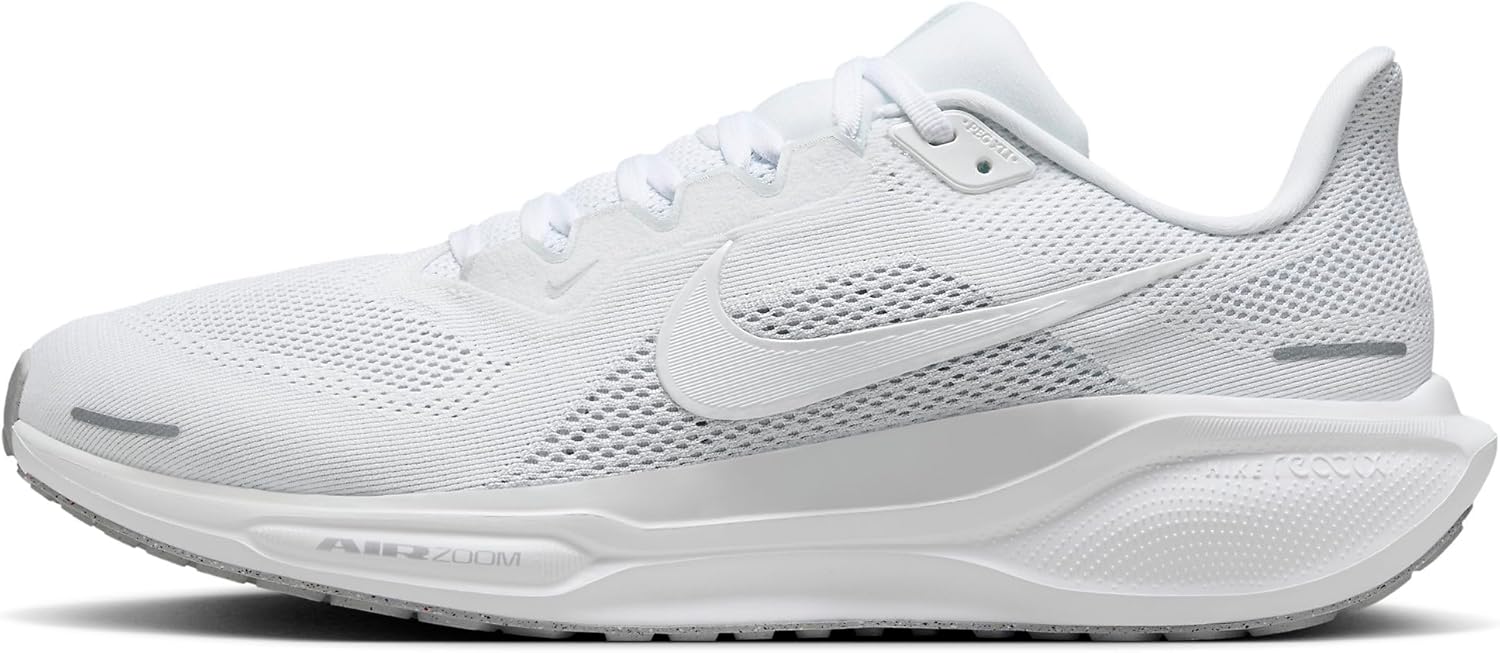
Currex’s flagship adaptive arch technology — the orthotic flexes with your gait instead of fighting it. Different stiffness zones along the length give you targeted support at the heel, midfoot, and forefoot. Available in three arch heights (low/medium/high).
✓ Pros
- Dynamic flex zones adapt to natural gait cycle
- Three arch heights ensure precise fit
- Lighter than rigid orthotics (no ‘heavy foot’ feel)
- Excellent for runners and athletic walkers
- European podiatric design (German engineering)
✗ Cons
- More expensive than PowerStep Original ($55-65 typically)
- Less aggressive correction than Pinnacle Maxx for severe cases
- Three arch heights means you must self-select correctly
Dr. Tom’s Recommendation: I started recommending Currex three years ago for runners who said PowerStep felt ‘too rigid.’ The dynamic flex zones respect natural gait. Best for active patients who walk 8K+ steps daily and don’t need maximum motion control.
Running-Specific · Heel Strike + Forefoot Strike Compatible
Currex’s purpose-built running orthotic. The midfoot flex zone is positioned for runner’s gait mechanics, with a flared heel cushion for heel strikers and a forefoot rocker for midfoot/forefoot strikers. Tested on 1000+ runners during product development.
✓ Pros
- Designed by German biomechanics lab specifically for runners
- Dynamic arch flexes with running gait (not static like PowerStep)
- Three arch heights (low/medium/high)
- Reduces overuse injury risk in mid-distance runners
- Lightweight (no impact on cadence)
✗ Cons
- Premium price ($60-75)
- Not aggressive enough for severe over-pronators (use Pinnacle Maxx)
- Runner-specific design = less ideal for daily walking shoes
Dr. Tom’s Recommendation: If a patient runs 20+ miles per week and has plantar fasciitis or shin splints, this is the orthotic I prescribe. The dynamic flex zones respect running biomechanics in a way that no rigid PowerStep can match. Pricier but worth it for serious runners.
Cavus Foot & High-Arch Patients
Polyurethane base with a deeper heel cup and higher arch profile than PowerStep — built for cavus (high-arched) feet that need maximum cushion and support. The 5-zone cushioning system addresses the unique pressure points of high-arch feet.

✓ Pros
- Deeper heel cup centers the heel for cavus foot stability
- Higher arch profile fills the void under high arches
- 5-zone cushioning addresses cavus foot pressure points
- Polyurethane base lasts 12+ months
- Available in Wide width
✗ Cons
- Too tall/aggressive for normal or low arches
- Won’t fit slim dress shoes
- Pricier than PowerStep Original
- Some patients find the arch height uncomfortable initially
Dr. Tom’s Recommendation: Cavus foot patients are often misdiagnosed and given low-arch orthotics — that makes everything worse. Spenco’s Total Support has the arch profile that high-arch feet actually need. About 15% of my patients have cavus feet; this is what they wear.
Cushion Layer · Standing All Day · Gel Pressure Relief
NOT a true biomechanical orthotic — this is a cushion insole. But for patients who want gel pressure relief instead of arch correction (or to add ON TOP of factory insoles in work boots), this is the best gel option on Amazon.

✓ Pros
- Genuine gel cushioning (not foam pretending to be gel)
- Targeted gel waves under heel and ball of foot
- Trim-to-fit · works in most shoe types
- Sub-$15 price (most affordable option in this list)
- Massaging texture is genuinely soothing
✗ Cons
- ZERO arch support — this is cushion only
- Won’t fix plantar fasciitis or flat-foot issues
- Compresses faster than PowerStep (4-6 months)
- Top cover wears through in high-mileage applications
Dr. Tom’s Recommendation: I recommend these to patients who tell me ‘I just want my feet to stop hurting at the end of my shift’ and who don’t have a biomechanical issue. Construction workers, factory workers, retail. Pure cushion does the job for them.
Tight-Fitting Shoes · Cycling Shoes · Hockey Skates
PowerStep Pinnacle’s slim version of their famous Green insole. The trademark stabilizer cap is preserved but the overall thickness is reduced — works in cycling shoes, hockey skates, ski boots, and other tight-fitting footwear that the standard PowerStep Pinnacle can’t fit into.

✓ Pros
- Stabilizer cap centers the heel (PowerStep Pinnacle’s signature feature)
- Slim profile fits tight athletic footwear
- Lasts 12+ months daily wear
- Excellent for cycling shoes specifically
- Built-in odor-control treatment
✗ Cons
- Premium price ($45-55)
- Less cushion than PowerStep equivalents
- Not as aggressive correction as Pinnacle Maxx for flat feet
- The signature ‘heel cup feel’ takes 1-2 weeks to adapt to
Dr. Tom’s Recommendation: If you’re a cyclist with foot numbness, hot spots, or knee pain — this is the orthotic. The stabilizer cap solves cycling-specific biomechanical issues that no other orthotic addresses. Worth the premium for athletes.
None of these solving your foot pain?
Some patients (about 30%) need custom-molded prescription orthotics. We make 3D-scanned custom orthotics in our Howell and Bloomfield Hills offices — specifically built for your foot mechanics.
Schedule a Custom Orthotic Fitting →FSA/HSA eligible · Most insurance accepted · (810) 206-1402

Dr. Tom Biernacki, DPM is a double board-certified podiatrist and foot & ankle surgeon at Balance Foot & Ankle Specialists in Southeast Michigan. With over a decade of clinical experience, he specializes in heel pain, bunions, diabetic foot care, sports injuries, and minimally invasive surgery. Dr. Biernacki is a member of the APMA and ACFAS, and his patient education content on MichiganFootDoctors.com and YouTube has reached over one million views.
Frequently Asked Questions
What is the fastest way to cure plantar fasciitis?
Is plantar fasciitis covered by insurance?
Can plantar fasciitis go away on its own?
- Plantar Fasciitis: Diagnosis and Conservative Management (PubMed)
- Plantar Fasciitis (APMA)
- Diagnosis and Treatment of Plantar Fasciitis (PubMed / AAFP)
- Heel Pain (APMA)
Recommended Products from Dr. Tom