
Medically reviewed by Dr. Tom Biernacki, DPM — Board-certified foot & ankle surgeon, 3,000+ surgeries performed. Updated April 2026 with current clinical evidence. This article reflects real practice experience from Balance Foot & Ankle Specialists in Howell and Bloomfield Hills, Michigan.
Quick Answer
Most foot and ankle problems respond to conservative care — proper footwear, supportive inserts, activity modification, and targeted stretching — within 4-8 weeks. Persistent pain beyond that window, or any symptom that prevents walking, warrants a podiatric evaluation to rule out fracture, tendon tear, or systemic cause.
⚕️ Medical Review
Reviewed by Dr. Tom Biernacki, DPM — Board-certified podiatrist at Balance Foot & Ankle Specialists, Novi, Michigan. Over 10 years of experience treating sport-specific foot and ankle conditions including rowing injuries. Last updated April 2026.
⚡ Quick Answer: Rowing and crew athletes face unique foot problems driven by the repetitive high-pressure contact between the foot and the foot stretcher — the fixed plate against which rowers push during each stroke. Conditions include metatarsalgia, extensor tendinitis, stress fractures, plantar fasciitis, and blister formation. Proper stretcher setup, insole modification, and targeted foot conditioning prevent most rowing-specific foot injuries.
Affiliate disclosure: This article contains affiliate links to products Dr. Biernacki recommends. Purchases made through these links support our practice at no additional cost to you.
Table of Contents
- Rowing Biomechanics and the Foot
- The Foot Stretcher: Mechanics of Injury
- Metatarsalgia From Catch Pressure
- Extensor Tendinitis
- Metatarsal Stress Fractures
- Plantar Fasciitis in Rowers
- Blisters and Calluses
- Anterior Ankle Impingement
- Achilles Tendinopathy
- Heel Contusion and Fat Pad Injury
- Foot Numbness During Rowing
- Optimal Foot Stretcher Setup
- Insoles and Padding for Rowing
- Foot Stretching and Conditioning
- Ergometer-Specific Considerations
- Recommended Products
- Complete Rowing Foot Care Kit
- Most Common Mistake
- Warning Signs
- Frequently Asked Questions
- Sources
- Watch: Foot Care for Athletes
- Book an Appointment
Rowing Biomechanics and the Foot
Rowing is one of the few sports where the foot serves as the primary connection point between the athlete and the machine. Unlike running where the foot cycles through stance and swing phases, the rowing foot remains fixed against the stretcher throughout the entire stroke cycle, experiencing continuous loading patterns that create a unique injury profile.
The rowing stroke creates distinct foot demands at each phase: At the catch (the compressed starting position), the ankles are maximally dorsiflexed with the forefoot pressing forcefully against the stretcher. During the drive (the power phase), the legs push against the stretcher while the foot transfers force from the leg muscles to the boat — generating forces equivalent to 1.5-3 times body weight at peak drive. At the finish, pressure shifts toward the heels. During the recovery (the return to catch position), the foot slides forward in the shoe as the athlete returns to the compressed catch position.
Elite rowers execute 200-240 strokes per kilometer, meaning a typical 2,000-meter race involves 400-480 repetitions. A two-hour training session on the water may involve 2,000-3,000 strokes. This extraordinary repetition volume concentrates stress on the same anatomical structures thousands of times per session — making rowing one of the highest-repetition sports for foot loading.
The Foot Stretcher: Mechanics of Injury
The foot stretcher is the angled plate at the bow end of the rowing shell where the athlete’s feet are strapped in. Its angle, height, and shoe sizing directly influence which foot structures bear the most stress during each stroke.
Stretcher angle determines how much ankle dorsiflexion is required at the catch. A steeper angle demands more dorsiflexion, increasing stress on the anterior ankle, Achilles tendon, and extensor tendons across the dorsal foot. A shallower angle reduces ankle demands but may limit catch length and stroke efficiency. Finding the optimal angle balances performance with injury prevention.
Stretcher height relative to the seat affects leg drive mechanics. If set too high, it shifts excessive force to the forefoot and toes. If too low, it changes the drive angle and can increase heel loading. Height should position the foot so force transfers through the ball of the foot during the drive phase without excessive toe gripping or heel lifting.
Shoe fit on the stretcher is frequently overlooked. Standard rowing shoes are minimally cushioned flat-soled shoes bolted to the stretcher. If they’re too large, the foot slides during each stroke, creating friction and blisters. If too small, they compress the forefoot and restrict natural toe spread, contributing to neuromas and metatarsalgia. Ideally, the shoe should fit snugly with minimal slide, and the ball of the foot should align with the widest part of the shoe.
Metatarsalgia From Catch Pressure
Metatarsalgia — pain under the metatarsal heads in the ball of the foot — is the most common rowing-specific foot complaint. The mechanism is the concentrated pressure on the forefoot against the stretcher during thousands of catch positions and drive initiations per session.
The second and third metatarsal heads bear the greatest load because of their central position and length relative to the other metatarsals. The standard rowing shoe provides virtually no cushioning — it’s essentially a thin leather or synthetic upper attached to a rigid plate. All of the repetitive forefoot pressure is transmitted directly to bone and soft tissue without meaningful attenuation.
Treatment and prevention: Adding a thin cushioned insole or metatarsal pad to the rowing shoe dramatically reduces forefoot pressure. A metatarsal pad positioned just proximal to the metatarsal heads redistributes force across a wider area. Adjusting stretcher angle to reduce the extreme dorsiflexion at the catch can also decrease forefoot loading. If metatarsalgia persists despite these modifications, evaluate for stress fracture with imaging.
Extensor Tendinitis
The extensor tendons running across the dorsal foot experience significant strain during rowing because the extreme dorsiflexion at the catch stretches them while the shoe straps simultaneously compress them against the underlying metatarsal bones.
Symptoms include: Pain on top of the foot that worsens during rowing but improves with rest. Visible or palpable swelling along the extensor tendons. Pain when actively extending (lifting) the toes or ankle. Tenderness to pressure over the dorsal midfoot — the exact area where the rowing shoe strap crosses.
Management: Loosen the foot straps — many rowers overtighten them for security, but this directly compresses the extensor tendons. Add padding under the strap where it crosses the tendons. Reduce stretcher angle to decrease the dorsiflexion demand. Ice and topical anti-inflammatory treatment after rowing sessions. If symptoms persist beyond 2-3 weeks of modification, seek podiatric evaluation to rule out stress fracture or tendon tear.
Metatarsal Stress Fractures
Metatarsal stress fractures in rowers develop from the cumulative microtrauma of thousands of high-pressure forefoot contacts per training session. The second metatarsal is most commonly affected due to its length and central weight-bearing position against the stretcher.
Risk factors specific to rowing include: Rapid increases in training volume (spring race season ramp-up), addition of double sessions without adequate recovery, switching from ergometer to on-water training (different foot loading patterns), female athlete triad (low energy availability, menstrual irregularity, low bone density), and vitamin D deficiency — particularly common in Michigan rowers who train indoors through winter.
The warning signs are progressive: Vague forefoot aching that initially resolves between sessions. Localized point tenderness over a specific metatarsal shaft. Pain that now persists after rowing and is present with walking. Mild dorsal foot swelling. If you’re rowing through progressively worsening forefoot pain, stop — continued loading risks converting an incomplete stress fracture to a complete fracture requiring significantly longer recovery.
Plantar Fasciitis in Rowers
Although rowing isn’t a weight-bearing impact sport, the repetitive dorsiflexion at the catch position places the plantar fascia under significant tensile load as the windlass mechanism engages with each toe dorsiflexion against the stretcher. Rowers who also run for cross-training are particularly susceptible.
The classic presentation in rowers: Heel pain with the first steps in the morning (the hallmark of plantar fasciitis). Pain during the catch phase of rowing when the toes are maximally dorsiflexed against the stretcher. Worsening symptoms after long ergometer sessions compared to on-water sessions (the fixed ergometer foot plate creates more aggressive dorsiflexion loading).
Management: Pre-rowing plantar fascia stretching (30-second holds, 3 repetitions). Calf stretching and eccentric loading. Modifying stretcher angle to reduce maximum dorsiflexion. Supportive insoles in daily footwear. Night splints during peak symptom periods. If cross-training includes running, ensure running shoes have adequate arch support and appropriate heel-to-toe drop.
Blisters and Calluses
Friction between the foot and the rowing shoe — amplified by moisture from perspiration and occasional splash water — creates blisters in predictable locations: the ball of the foot (forefoot slide during drive), the heel (lift-off during recovery), and the dorsal midfoot (strap compression and friction).
Prevention strategies: Ensure rowing shoes fit properly without excessive room for sliding. Wear thin, moisture-wicking socks rather than rowing barefoot (a common practice that dramatically increases blister risk). Apply friction-reduction products to known hot spots before rowing. Address calluses proactively — thick calluses can tear or blister beneath the surface, creating painful subkeratotic hemorrhages.
Anterior Ankle Impingement
The extreme dorsiflexion required at the catch position — where the shin angle approaches maximum ankle range of motion — creates mechanical compression of the anterior ankle structures between the tibia and the talus. Over time, this repetitive impingement can cause soft tissue inflammation, bone spur formation, and chronic anterior ankle pain.
Symptoms include: Deep aching in the front of the ankle during or after rowing. A “pinching” sensation at the catch position. Restricted dorsiflexion range of motion compared to non-affected side. Possible visible swelling at the anterior ankle crease.
Management: Reduce stretcher angle to decrease dorsiflexion demand. Ankle mobilization exercises to optimize available range of motion. Anterior ankle joint mobilization by a physical therapist. In chronic cases with bone spur formation, arthroscopic debridement may be necessary to remove the impinging tissue and restore pain-free range of motion.
Achilles Tendinopathy
The Achilles tendon experiences repetitive loading during the rowing stroke — lengthening during the dorsiflexion at the catch and concentrically contracting during the initial drive phase as the ankle plantarflexes to push against the stretcher. This eccentric-concentric cycle, repeated thousands of times per session, makes Achilles tendinopathy one of the more common rowing overuse injuries.
Two distinct patterns occur: Insertional Achilles tendinopathy (at the heel bone attachment) worsened by the extreme dorsiflexion at the catch, which maximally stresses the insertion point. Mid-substance tendinopathy (2-6cm above the heel) related to the repetitive loading cycle during the drive and recovery phases. Proper identification of which pattern is present guides treatment.
Heel Contusion and Fat Pad Injury
During the finish of the rowing stroke, the legs fully extend and pressure shifts toward the heels against the stretcher. The thin rowing shoe provides no heel cushioning, meaning the calcaneal fat pad absorbs all of this repetitive heel loading directly. Over time, this can cause heel fat pad contusion, inflammation, and atrophy — resulting in deep heel pain distinct from plantar fasciitis.
Distinguishing heel pad injury from plantar fasciitis: Fat pad pain is located centrally under the heel and is reproduced by direct pressure on the heel pad. Plantar fasciitis pain localizes to the medial plantar fascia origin and is worst with the first morning steps. Both conditions can coexist. Fat pad protection requires heel cushioning in the rowing shoe — a thin gel heel pad can provide meaningful protection without altering stretcher dynamics.
Foot Numbness During Rowing
Numbness and tingling in the feet during rowing is remarkably common and typically results from compression of the dorsal foot nerves by tight shoe straps, or compression of the plantar nerves by prolonged forefoot pressure against the stretcher.
Solutions are usually straightforward: Loosen foot straps — you need them secure enough to pull on the recovery, but not so tight they compress nerves. Wiggle toes briefly during the recovery phase if possible. Adjust stretcher height so pressure isn’t concentrated on a narrow area of the forefoot. Add a thin insole to distribute pressure more evenly. If numbness persists after rowing for more than 30 minutes, or if it occurs in daily activities, evaluate for Morton's neuroma or other nerve entrapment.
Optimal Foot Stretcher Setup
Many rowing foot problems can be prevented or resolved by proper stretcher configuration. Unfortunately, most rowers set their stretcher once and never revisit it — missing an easy opportunity to reduce injury risk.
Angle: Start with the stretcher at a 42-45 degree angle from horizontal. This accommodates most athletes’ ankle dorsiflexion range without requiring extreme end-range positions at the catch. Athletes with limited ankle flexibility may need a shallower angle (38-42 degrees). Those with excellent flexibility can tolerate steeper angles that may improve catch length.
Height: The stretcher should position the ball of your foot at the primary contact point during the drive. Too high forces toe gripping; too low shifts load to the heel. Most athletes perform best with the stretcher height placing the bottom of the shoe strap aligned with the ball of the foot.
Shoe fit: Your rowing shoe should fit snugly without compression. If your feet slide within the shoe during the stroke cycle, add a thin insole to take up volume. If the shoe compresses your forefoot, many stretcher systems allow shoe replacement with a larger size.
Insoles and Padding for Rowing
Adding aftermarket insoles to rowing shoes is one of the most underused injury prevention strategies in the sport. The standard rowing shoe’s complete lack of cushioning, arch support, and pressure distribution means every structural weakness in your foot is exposed during training.
The ideal rowing insole is thin and supportive: It must fit within the shallow rowing shoe without raising your foot so much that heel retention is lost. Semi-rigid arch support reduces plantar fascia strain during the dorsiflexion-heavy catch phase. Forefoot cushioning attenuates the thousands of metatarsal-to-stretcher contacts per session. A metatarsal pad positioned behind the metatarsal heads redistributes forefoot pressure that would otherwise concentrate on the second and third metatarsal heads.
Foot Stretching and Conditioning
Rowing demands excellent ankle dorsiflexion, strong foot intrinsic muscles, and resilient plantar tissues. A targeted foot and ankle conditioning program reduces injury risk and can improve stroke efficiency.
Pre-rowing mobility work (5 minutes): Ankle dorsiflexion stretches against a wall (knee over toe, 30 seconds each side, 3 reps). Plantar fascia stretch (pull toes back gently, 30 seconds, 3 reps). Ankle circles (10 each direction per foot). Toe curls and spreads (10 reps) to activate intrinsic muscles before they’re loaded on the stretcher.
Conditioning exercises (3x per week): Eccentric calf raises (3 sets of 12, slow 4-second lowering) for Achilles resilience. Towel scrunches (3 sets of 15) for intrinsic foot muscle strength. Single-leg balance holds (30 seconds each, eyes open progressing to closed) for proprioception. Resistance band ankle inversion/eversion (3 sets of 15) for peroneal and tibialis posterior strengthening.
Ergometer-Specific Considerations
Ergometer (indoor rowing machine) training creates slightly different foot demands than on-water rowing. The fixed foot plate on most ergometers is more rigid than a shell’s stretcher, and the consistent environment means foot loading is identical every stroke without the subtle variations that on-water rowing provides.
Ergometer-specific issues: Greater forefoot pressure (the rigid plate doesn’t flex like a shell’s stretcher). Higher blister risk from the rougher foot plate surface. More aggressive dorsiflexion at the catch (ergometer slides have different geometry than shell seat tracks). Ability to wear your own shoes is an advantage — use this opportunity to row in shoes with proper insoles rather than the ergometer’s attached foot plates when possible.
Recommended Products for Rowers
PowerStep Pinnacle Maxx — Heavy Athlete Support
Heavyweight rowers (men 200+ lbs, women 160+ lbs) generate proportionally greater stretcher forces. PowerStep Pinnacle Maxx insoles provide the additional structural support that heavier athletes need to prevent the arch collapse and excessive pronation that can develop from hours of repetitive loading against the stretcher.
Doctor Hoy’s Natural Pain Relief Gel — Post-Training Recovery
After high-volume training sessions, Doctor Hoy’s Natural Pain Relief Gel provides targeted topical relief for the forefoot, ankle, and Achilles tendon — the three areas rowers stress most. The clean menthol-camphor formulation absorbs quickly and works well applied immediately post-rowing before stretching. Particularly valuable during spring race season when training intensity peaks.
Doctor Hoy’s Arnica Boost Recovery Cream — Season-Long Tissue Support
Rowing’s extreme repetition creates cumulative tissue fatigue that builds across a training block. Doctor Hoy’s Arnica Boost Recovery Cream addresses this chronic microtrauma with arnica montana and clean anti-inflammatory botanicals. Apply nightly during heavy training periods, focusing on the Achilles tendons, plantar surface, and any areas of persistent tenderness.
DASS Compression Socks — Rowing Recovery
Post-rowing compression accelerates recovery from the cumulative lower extremity fatigue of long training sessions. DASS compression socks provide graduated medical-grade compression that improves venous return and reduces the lower leg swelling that develops from hours of seated, legs-dependent training. Wear for 2-4 hours after each training session.
FLAT SOCKS — Minimal-Profile Rowing Shoe Enhancement
Rowing shoes have minimal interior volume, making standard insoles sometimes too thick. FLAT SOCKS ultra-thin insole liners add moisture-wicking and friction-reduction properties without significantly changing shoe volume. Layer on top of a trimmed PowerStep insole for the best combination of support and minimal profile, or use alone in shoes where any additional height would compromise heel retention.
Complete Rowing Foot Care Kit
🏥 Dr. Biernacki’s Rowing Foot Care Kit — 3 Foundation Wellness Brands
Protect your feet through race season and beyond:
1. PowerStep Pinnacle Insoles — trim-to-fit arch support and forefoot cushioning for rowing shoes
2. Doctor Hoy’s Pain Relief Gel — immediate post-rowing relief for forefoot and Achilles
3. DASS Compression Socks — recovery compression after every training session
This combination addresses the three pillars of rowing foot health: structural protection during training, targeted recovery after, and circulation support for the hours between sessions.
Most Common Mistake With Rowing Foot Care
🔑 Key Takeaway: The Biggest Mistake We See
A 19-year-old University of Michigan freshman rower presented to our practice with bilateral forefoot pain that had been worsening for six weeks. She’d transitioned from high school lightweight rowing (3-4 sessions per week) to Division I collegiate training (10-12 sessions per week including doubles) over just three weeks at the start of fall semester.
She’d been rowing through increasing forefoot pain, assuming it was normal “new season soreness.” Her standard rowing shoes had no insoles, she’d never adjusted her stretcher setup from the default position, and she was training barefoot in the shoes as her teammates did. X-rays revealed bilateral stress reactions in the second metatarsals — one step short of complete stress fractures.
What should have happened: The tripling of training volume should have been accompanied by equipment optimization — adding supportive insoles to her rowing shoes, adjusting stretcher angle and height to her anatomy, and wearing moisture-wicking socks to reduce friction. Any progressive forefoot pain lasting more than one week during a training volume increase warrants evaluation, not “pushing through.” Stress reactions caught early require only 2-4 weeks of modified training; complete stress fractures require 6-8 weeks of rest and potential boot immobilization.
The lesson: Rowing shoes are designed for minimal weight and stretcher connection — not for foot protection. The sport demands that athletes take responsibility for their own foot protection through insoles, proper stretcher setup, and immediate attention to developing symptoms.
Warning Signs: When to Seek Immediate Care
⚠️ See Your Podiatrist Promptly If You Experience:
1. Forefoot pain that progressively worsens over more than one week — stress fracture must be ruled out before continuing training
2. Point tenderness on a specific metatarsal bone — highly suggestive of stress fracture at that location
3. Dorsal foot swelling that doesn’t resolve overnight — may indicate extensor tendon injury or stress reaction
4. Persistent ankle pain at the front of the joint — anterior impingement or stress injury requiring imaging
5. Achilles tendon pain that’s present walking, not just rowing — indicates tendinopathy has progressed beyond exercise-related irritation
6. Numbness that persists more than 30 minutes after rowing — suggests nerve compression requiring equipment modification and evaluation
7. Sudden sharp pain during a stroke — may indicate acute tendon injury, fracture, or ligament damage
8. Skin breakdown, open blisters, or signs of infection on feet — the moist rowing environment promotes rapid wound infection
In-Office Treatment at Balance Foot & Ankle
If home care isn’t resolving your your foot or ankle concern, a visit with a board-certified podiatrist is the fastest path to accurate diagnosis and a personalized plan. At Balance Foot & Ankle Specialists, Dr. Tom Biernacki, Dr. Carl Jay, and Dr. Daria Gutkin offer same-day and next-day appointments at both our Howell and Bloomfield Hills offices. We perform on-site diagnostic ultrasound, digital X-ray, conservative care, advanced regenerative treatments, and minimally invasive surgery when indicated.
Call (810) 206-1402 or request an appointment online. Most insurance plans accepted, including Medicare, Blue Cross Blue Shield, Aetna, Cigna, and United Healthcare.
More Podiatrist-Recommended Foot Health Essentials
Hoka Clifton 10


Max-cushion everyday shoe — podiatrist favorite for walking and running.

OOFOS Recovery Slide

Impact-absorbing recovery sandal — wear after long days on your feet.
As an Amazon Associate, Balance Foot & Ankle earns from qualifying purchases. Product recommendations are based on clinical experience; prices and availability shown above update live from Amazon.

When to See a Podiatrist
If foot or ankle pain has been bothering you for more than a few weeks, home care alone may not be enough. Balance Foot & Ankle offers same-week appointments at our Howell and Bloomfield Hills clinics — no referral needed in most cases. Bring your current shoes and a short list of symptoms and we’ll build you a treatment plan in one visit.
Call Balance Foot & Ankle: (810) 206-1402 · Book online · Offices in Howell & Bloomfield Hills
Frequently Asked Questions
Should I row barefoot or wear socks in rowing shoes?
Wear thin, moisture-wicking socks. While barefoot rowing is traditional in many programs, socks significantly reduce blister formation by managing moisture and reducing direct skin-to-shoe friction. The minimal thickness of a proper rowing or liner sock doesn’t meaningfully affect shoe fit or stretcher feel, but it dramatically reduces the incidence of painful blisters that can limit training. If your rowing shoes feel too tight with socks, address the shoe size rather than removing the socks.
Can I add insoles to my rowing shoes?
Absolutely — and you should. Trim a quality semi-rigid insole to fit the rowing shoe’s interior. Focus on arch support and forefoot cushioning, which address the two most common rowing foot complaints. The insole may raise your foot slightly in the shoe, so verify that heel retention remains adequate. If needed, trim the insole’s heel section to reduce thickness while maintaining the arch and forefoot features. Most rowers who try insoles never go back to rowing without them.
Why do my feet go numb during long rows?
Foot numbness during rowing typically results from compression of the dorsal foot nerves by tight shoe straps or from sustained forefoot pressure against the stretcher compressing the plantar digital nerves. Solutions include loosening straps, adding a thin insole to distribute pressure, adjusting stretcher height so force isn’t concentrated on a narrow forefoot zone, and briefly wiggling toes during the recovery phase. Persistent numbness after rowing warrants evaluation for Morton’s neuroma.
How should I set up my foot stretcher to prevent injuries?
Start with a 42-45 degree angle, adjusting based on your ankle flexibility — less flexible athletes need shallower angles. Set height so the ball of your foot is the primary contact point during the drive. Ensure shoes fit snugly without compression. Test your setup with a few light strokes, checking that you can reach full catch compression without extreme ankle dorsiflexion or toe gripping. Revisit your setup at the beginning of each training season and after any equipment changes.
When should a rower see a podiatrist?
See a podiatrist when forefoot pain persists beyond one week despite rest and equipment modification, when ankle pain limits your catch position, when numbness doesn’t resolve after rowing, or when you develop recurrent blisters in the same location despite preventive measures. Pre-season evaluation is valuable for competitive rowers — establishing baseline foot biomechanics and optimizing insole selection before high-volume training begins prevents many in-season problems.
Sources
- Hosea TM, Hannafin JA. Rowing Injuries. Sports Health. 2012;4(3):236-245.
- Smoljanovic T, Bojanic I, Hannafin JA, et al. Traumatic and Overuse Injuries Among International Elite Junior Rowers. American Journal of Sports Medicine. 2009;37(6):1193-1199.
- Wilson F, Gissane C, Gormley J, Simms C. A 12-Month Prospective Cohort Study of Injury in International Rowers. British Journal of Sports Medicine. 2010;44(3):207-214.
- Karlson KA. Rowing Injuries: Identifying and Treating Musculoskeletal and Nonmusculoskeletal Conditions. Physician and Sportsmedicine. 2000;28(4):40-50.
- Thornton JS, Vinther A, Wilson F, et al. Rowing Injuries: An Updated Review. Sports Medicine. 2017;47(4):641-661.
Watch: Foot Care for Athletes

Dr. Biernacki discusses athletic foot care at Balance Foot & Ankle
Row Stronger With Healthy Feet
Don’t Let Foot Pain Limit Your Stroke
Dr. Biernacki provides expert evaluation for rowing athletes experiencing foot pain, ankle impingement, stress fractures, or recurrent blisters. From stretcher setup optimization and custom insole fitting to stress fracture diagnosis and rehabilitation, we keep rowers training at their best.
Book Your Rowing Foot Evaluation →
Balance Foot & Ankle Specialists — Serving Southeast Michigan from our Novi location
Related Foot & Ankle Resources
- Sports Injury Podiatrist — Athletic Foot Care
- Ankle Sprain Treatment and Recovery
- Plantar Fasciitis Treatment Options
- Podiatrist-Recommended Foot Care Products 2026
- Chronic Ankle Instability Treatment
Dr. Tom’s Recommended Products: See our clinically tested product recommendations for this condition. View Dr. Tom’s recommended products →
Insurance Accepted
BCBS · Medicare · Aetna · Cigna · United Healthcare · HAP · Priority Health · Humana · View All →
Howell Office
4330 E Grand River Ave
Howell, MI 48843
Get Directions →
Bloomfield Hills Office
43494 Woodward Ave, Suite 208
Bloomfield Hills, MI 48302
Get Directions →
Your Board-Certified Podiatrists



Ready to Get Back on Your Feet?
Same-week appointments available at both locations.
Book Your AppointmentWatch: Rowing & Crew Foot Conditions
Dr. Tom on rowing foot pain — foot stretcher pressure, catch-phase loading, blister prevention.
Rower’s Foot Kit
Foot stretcher + catch mechanics punish the forefoot. Dr. Tom’s kit:
As an Amazon Associate, Balance Foot & Ankle earns from qualifying purchases. This supports our free patient education content.
Distributes catch-phase pressure.
Reduces forefoot compression hot spots.
Post-row arch + achilles cool-down.
Post-piece forefoot relief.
Related: Metatarsalgia · Sports Medicine · Book Same-Week Appointment
Most Common Mistake We See
The most common mistake we see is: Waiting too long before seeking care. Fix: any foot pain lasting more than 4 weeks, or any sudden severe symptom, deserves a professional evaluation rather than more rest.
Warning Signs That Need Same-Day Care
Seek immediate evaluation at Balance Foot & Ankle if you experience any of the following:
- Unable to bear weight
- Severe swelling with skin colour change
- Fever with foot pain (possible infection)
- Diabetes plus any new foot symptom
Call (810) 206-1402 — same-day and next-day appointments at our Howell and Bloomfield Hills offices.
When Shoes Aren’t Enough — Dr. Tom’s Top 9 Orthotics
About 30% of patients I see for foot pain need MORE than a great shoe — they need a structured insole. Below: my complete 2026 orthotic ranking with pros, cons, and the specific patient I’d give each one to.
★ DR. TOM’S COMPLETE 2026 ORTHOTIC RANKING
9 Best Prefab Orthotics by Use Case
PowerStep, Currex, Spenco, Vionic, and Superfeet — every orthotic I’ve fitted to thousands of patients across both Michigan offices. Each card includes pros, cons, and the specific patient I’d give it to. Real Amazon ratings, review counts, and prices below.
Best All-Purpose Orthotic for Most Patients
Semi-rigid arch shell + dual-layer cushion + deep heel cup. The orthotic I’ve fitted to more patients than any other for 15 years. APMA-accepted. Trim-to-fit design works in athletic shoes, casual shoes, and most work boots.
✓ Pros
- Semi-rigid arch shell provides true biomechanical correction
- Deep heel cup centers the heel and reduces lateral instability
- Dual-layer cushion (top + bottom) lasts 9-12 months daily wear
- Available in 8 sizes for precise fit
- APMA-accepted and clinically validated
- Lower price than Superfeet Green for equivalent function
✗ Cons
- Too thick for most dress shoes (use ProTech Slim instead)
- Some break-in period required (3-7 days for arch tolerance)
- Not enough correction for severe pes planus or rigid pes cavus
Dr. Tom’s Recommendation: If a patient has run-of-the-mill plantar fasciitis, mild flat feet, or arch fatigue, this is the first orthotic I try. Better value than Superfeet for 90% of patients, which is why I swapped it into our clinic kits three years ago. Sub-$50 typically.
Maximum Motion Control · Flat Feet & Severe Over-Pronation
PowerStep’s most aggressive stability orthotic. Adds a 2°-7° medial heel post on top of the standard PowerStep platform — designed specifically for flat-footed patients and severe pronators who need real corrective force.

✓ Pros
- 2°-7° medial heel post adds aggressive pronation control
- Same trusted PowerStep arch shell, more correction
- Built specifically for flat-foot biomechanics
- Excellent for posterior tibial tendon dysfunction (PTTD)
- Removable top cover for cleaning
✗ Cons
- Too aggressive for neutral-arch patients
- Needs longer break-in (10-14 days) due to stronger correction
- Adds 2-3 mm of stack height — won’t fit slim dress shoes
Dr. Tom’s Recommendation: When a patient comes in with significant flat feet AND symptoms (heel pain, arch pain, knee pain), the Original PowerStep isn’t aggressive enough. The Maxx is what gets prescribed. About 25% of my flat-footed patients end up here.
Low-Profile · Fits Dress Shoes & Narrow Casuals
3 mm slim profile with podiatrist-designed tri-planar arch technology. Engineered specifically to fit inside dress shoes, oxfords, loafers, and women’s flats without crowding the toe box. Vionic was founded by an Australian podiatrist.
✓ Pros
- 3 mm slim profile (vs 7-10 mm for standard orthotics)
- Tri-planar arch technology adds support without bulk
- Built-in deep heel cup despite slim design
- Fits dress shoes WITHOUT having to remove the factory insole
- Trim-to-fit · APMA-accepted
✗ Cons
- Less arch support than full-volume orthotics
- Top cover wears faster than thicker alternatives
- Not enough correction for severe foot deformities
Dr. Tom’s Recommendation: My default when a patient says ‘I need orthotics but I have to wear dress shoes for work.’ Slim enough to fit in oxfords and pumps without the heel sliding out. The single highest-impact change you can make for office workers with foot pain.
Built-In Metatarsal Pad · Morton’s Neuroma · Ball-of-Foot Pain
Standard Pinnacle orthotic with a built-in metatarsal pad positioned proximal to the metatarsal heads — the exact location that offloads neuromas and metatarsalgia. No need for separate met pads or pad placement guesswork.

✓ Pros
- Built-in met pad eliminates DIY pad placement errors
- Specifically designed for Morton’s neuroma + metatarsalgia
- Same trusted PowerStep arch + heel cup platform
- Top cover protects sensitive forefoot skin
- Faster relief than orthotics + add-on met pads
✗ Cons
- Met pad position is fixed (can’t fine-tune individual placement)
- Some patients with very small or very large feet need custom
- Slightly thicker than the standard Pinnacle
Dr. Tom’s Recommendation: If a patient has Morton’s neuroma, sesamoiditis, or generalized ball-of-foot pain (metatarsalgia), this saves a clinic visit and a prescription. The built-in pad placement is anatomically correct for 80% of feet. Way better than DIY met pads.
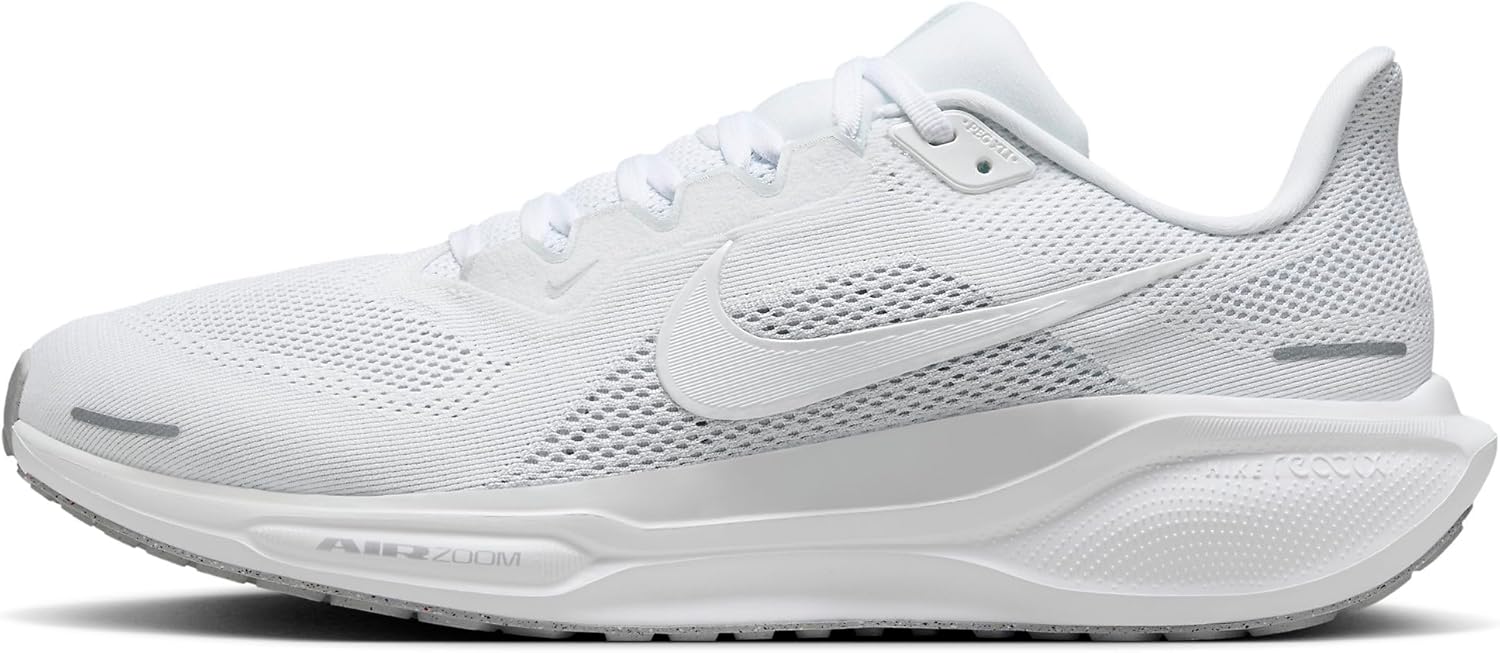
Adaptive Dynamic Arch · Athletic & Daily Wear
Currex’s flagship adaptive arch technology — the orthotic flexes with your gait instead of fighting it. Different stiffness zones along the length give you targeted support at the heel, midfoot, and forefoot. Available in three arch heights (low/medium/high).
✓ Pros
- Dynamic flex zones adapt to natural gait cycle
- Three arch heights ensure precise fit
- Lighter than rigid orthotics (no ‘heavy foot’ feel)
- Excellent for runners and athletic walkers
- European podiatric design (German engineering)
✗ Cons
- More expensive than PowerStep Original ($55-65 typically)
- Less aggressive correction than Pinnacle Maxx for severe cases
- Three arch heights means you must self-select correctly
Dr. Tom’s Recommendation: I started recommending Currex three years ago for runners who said PowerStep felt ‘too rigid.’ The dynamic flex zones respect natural gait. Best for active patients who walk 8K+ steps daily and don’t need maximum motion control.
Running-Specific · Heel Strike + Forefoot Strike Compatible
Currex’s purpose-built running orthotic. The midfoot flex zone is positioned for runner’s gait mechanics, with a flared heel cushion for heel strikers and a forefoot rocker for midfoot/forefoot strikers. Tested on 1000+ runners during product development.

✓ Pros
- Designed by German biomechanics lab specifically for runners
- Dynamic arch flexes with running gait (not static like PowerStep)
- Three arch heights (low/medium/high)
- Reduces overuse injury risk in mid-distance runners
- Lightweight (no impact on cadence)
✗ Cons
- Premium price ($60-75)
- Not aggressive enough for severe over-pronators (use Pinnacle Maxx)
- Runner-specific design = less ideal for daily walking shoes
Dr. Tom’s Recommendation: If a patient runs 20+ miles per week and has plantar fasciitis or shin splints, this is the orthotic I prescribe. The dynamic flex zones respect running biomechanics in a way that no rigid PowerStep can match. Pricier but worth it for serious runners.
Cavus Foot & High-Arch Patients
Polyurethane base with a deeper heel cup and higher arch profile than PowerStep — built for cavus (high-arched) feet that need maximum cushion and support. The 5-zone cushioning system addresses the unique pressure points of high-arch feet.

✓ Pros
- Deeper heel cup centers the heel for cavus foot stability
- Higher arch profile fills the void under high arches
- 5-zone cushioning addresses cavus foot pressure points
- Polyurethane base lasts 12+ months
- Available in Wide width
✗ Cons
- Too tall/aggressive for normal or low arches
- Won’t fit slim dress shoes
- Pricier than PowerStep Original
- Some patients find the arch height uncomfortable initially
Dr. Tom’s Recommendation: Cavus foot patients are often misdiagnosed and given low-arch orthotics — that makes everything worse. Spenco’s Total Support has the arch profile that high-arch feet actually need. About 15% of my patients have cavus feet; this is what they wear.
Cushion Layer · Standing All Day · Gel Pressure Relief
NOT a true biomechanical orthotic — this is a cushion insole. But for patients who want gel pressure relief instead of arch correction (or to add ON TOP of factory insoles in work boots), this is the best gel option on Amazon.

✓ Pros
- Genuine gel cushioning (not foam pretending to be gel)
- Targeted gel waves under heel and ball of foot
- Trim-to-fit · works in most shoe types
- Sub-$15 price (most affordable option in this list)
- Massaging texture is genuinely soothing
✗ Cons
- ZERO arch support — this is cushion only
- Won’t fix plantar fasciitis or flat-foot issues
- Compresses faster than PowerStep (4-6 months)
- Top cover wears through in high-mileage applications
Dr. Tom’s Recommendation: I recommend these to patients who tell me ‘I just want my feet to stop hurting at the end of my shift’ and who don’t have a biomechanical issue. Construction workers, factory workers, retail. Pure cushion does the job for them.
Tight-Fitting Shoes · Cycling Shoes · Hockey Skates
Superfeet’s slim version of their famous Green insole. The trademark stabilizer cap is preserved but the overall thickness is reduced — works in cycling shoes, hockey skates, ski boots, and other tight-fitting footwear that the standard Superfeet Green can’t fit into.

✓ Pros
- Stabilizer cap centers the heel (Superfeet’s signature feature)
- Slim profile fits tight athletic footwear
- Lasts 12+ months daily wear
- Excellent for cycling shoes specifically
- Built-in odor-control treatment
✗ Cons
- Premium price ($45-55)
- Less cushion than PowerStep equivalents
- Not as aggressive correction as Pinnacle Maxx for flat feet
- The signature ‘heel cup feel’ takes 1-2 weeks to adapt to
Dr. Tom’s Recommendation: If you’re a cyclist with foot numbness, hot spots, or knee pain — this is the orthotic. The stabilizer cap solves cycling-specific biomechanical issues that no other orthotic addresses. Worth the premium for athletes.
None of these solving your foot pain?
Some patients (about 30%) need custom-molded prescription orthotics. We make 3D-scanned custom orthotics in our Howell and Bloomfield Hills offices — specifically built for your foot mechanics.
Schedule a Custom Orthotic Fitting →FSA/HSA eligible · Most insurance accepted · (810) 206-1402
Podiatrist-Recommended Products for Rowing Athletes
- CURREX RunPro — activity-specific insole that distributes foot stretcher load across the arch
- DASS Medical Compression Socks — graduated compression reduces the ankle and foot swelling from extended ergometer sessions
- Doctor Hoy’s Natural Pain Relief Gel — topical pain relief for foot stretcher pressure points and ankle soreness
These are the same products Dr. Biernacki recommends in clinic. Available through our partner Foundation Wellness.
Frequently Asked Questions
What causes this condition?
Causes include mechanical stress, biomechanical imbalance, age-related changes, and sometimes systemic disease. Our clinical exam plus imaging identifies the specific driver.
Can it go away on its own?
Mild cases sometimes resolve with rest and supportive footwear. Persistent symptoms past 4-6 weeks rarely resolve without active treatment.
Is surgery required?
Most patients resolve with non-surgical care. Surgery is reserved for refractory cases or structural deformity.
What is Foot pain?
Foot pain is a common foot/ankle condition that affects mobility and quality of life. Understanding the underlying cause is the first step in successful treatment. Our podiatrists at Balance Foot & Ankle perform a hands-on biomechanical exam, review your activity history, and use diagnostic imaging when appropriate to identify the root cause—not just treat the symptom. Many patients have been told to “rest and ice” without a deeper diagnostic workup; our approach is different.
Symptoms and warning signs
Common signs of foot pain include pain that worsens with activity, morning stiffness, swelling, tenderness when palpated, and difficulty bearing weight. If you experience sudden severe pain, inability to walk, visible deformity, numbness or color change, contact our office the same day or visit urgent care—these can signal a more serious injury such as a fracture, tendon rupture, or vascular compromise. Diabetics with any foot wound should seek same-day care.
Conservative treatment options
Most cases of foot pain respond to non-surgical care: structured rest, supportive footwear changes, custom orthotics, targeted stretching and strengthening protocols, anti-inflammatory medications when medically appropriate, and in-office procedures such as ultrasound-guided injections. We also offer advanced therapies including MLS laser therapy, EPAT/shockwave, regenerative injections, and image-guided procedures. Treatment is sequenced from least invasive to most invasive, and we explain the rationale at every step.
When is surgery considered?
Surgery is reserved for cases that fail 3-6 months of well-structured conservative care, when there is structural pathology (severe deformity, complete tear, advanced arthritis), or when imaging shows damage that will not heal without intervention. Our surgeons have performed 3,000+ foot and ankle procedures and prioritize minimally-invasive techniques whenever appropriate. We discuss recovery timelines, return-to-activity milestones, and realistic outcome expectations before any procedure is scheduled.
APMA: Foot and Ankle Health for Rowing Athletes
Recovery timeline and prevention
Recovery from foot pain varies based on severity and chosen treatment path. Conservative cases often improve within 4-8 weeks with consistent adherence to the protocol. Post-procedural recovery may range from a few days (in-office procedures) to several months (reconstructive surgery). Long-term prevention involves footwear assessment, activity modification, structured strengthening, and regular check-ins with your podiatrist if you have a history of recurrence. We provide written home-exercise plans and digital follow-up support.
Ready to feel better?
Same-week appointments available in Howell and Bloomfield Hills, Michigan.
Book Your VisitGet Expert Care at Balance Foot & Ankle
Same-week appointments at our Howell and Bloomfield Hills offices. Board-certified podiatric surgeons. Most insurance accepted.
Same-Week Appointments in Howell & Bloomfield Hills
Three board-certified podiatric surgeons. 1,123+ five-star reviews. Most insurance accepted.

Dr. Tom Biernacki, DPM is a board-certified foot & ankle surgeon (ABFAS & ABPM) at Balance Foot & Ankle Specialists in Southeast Michigan. With over a decade of clinical experience, he specializes in heel pain, bunions, diabetic foot care, sports injuries, and minimally invasive surgery. Dr. Biernacki is a member of the APMA and ACFAS, and his patient education content on MichiganFootDoctors.com and YouTube has made him one of the most-followed foot & ankle educators on YouTube.