

Extra weight changes how feet handle every step — the right shoes, orthotics, and treatment plan reduces the load.
You are in the right place. Dr. Tom Biernacki, DPM, FACFAS — board-certified foot & ankle surgeon with 3,000+ surgeries — explains exactly what foot care for obesity and weight-related foot problems means and what works. Call (810) 206-1402 for same-week appointment at Howell or Bloomfield Township.
Quick answer: Foot Care Obesity Weight Related Foot Problems is a common foot/ankle topic that affects many patients. The 2026 evidence-based approach combines proper diagnosis, conservative-first treatment, and escalation only when needed. We treat this regularly at our Howell and Bloomfield Township practices. Call (810) 206-1402.

Medically Reviewed by Dr. Tom Biernacki, DPM, FACFAS — Board-certified podiatrist & foot surgeon | Balance Foot & Ankle | Last updated: May 2026
Quick Answer: Obesity & Weight-Related Foot Problems
Excess body weight significantly increases mechanical stress on every foot structure — each pound of body weight generates 3–4 pounds of force on the feet during walking. Obesity raises the risk of plantar fasciitis, flat feet, osteoarthritis, Charcot foot, and stress fractures. Weight management, custom orthotics, and supportive footwear are the primary interventions. See a podiatrist if foot pain limits your mobility or is preventing weight loss activity.
Excess weight and foot health are deeply interconnected. As a podiatrist in Howell and Bloomfield Township, Michigan, I see weight-related foot conditions every single day — and they’re among the most underappreciated barriers to overall health. When foot pain prevents walking or exercise, it creates a cycle that makes weight management even harder. Breaking that cycle starts with understanding what’s happening structurally.
How Excess Weight Damages Foot Structures
The foot contains 26 bones, 33 joints, and over 100 muscles, tendons, and ligaments — all designed to handle specific load ranges. Chronic overloading beyond those ranges causes predictable structural changes: arch collapse, heel fat pad atrophy, plantar fascia inflammation, and articular cartilage breakdown. The math is straightforward — every pound of excess body weight creates an additional 3–4 pounds of pressure on the feet during normal walking, and up to 7 times body weight during running or jumping.
| Condition | Mechanism in Obesity | Prevalence Increase |
|---|---|---|
| Plantar Fasciitis | Chronic tensile overload at heel insertion | 3.6× higher risk (BMI >30) |
| Flat Feet / Collapsed Arch | Progressive posterior tibial tendon failure | Significantly elevated |
| Foot Osteoarthritis | Accelerated cartilage breakdown | 7× higher risk vs. normal BMI |
| Charcot Foot | Diabetes + neuropathy + mechanical stress | Primary risk factor |
| Stress Fractures | Cumulative load exceeding bone remodeling | 2× higher risk |
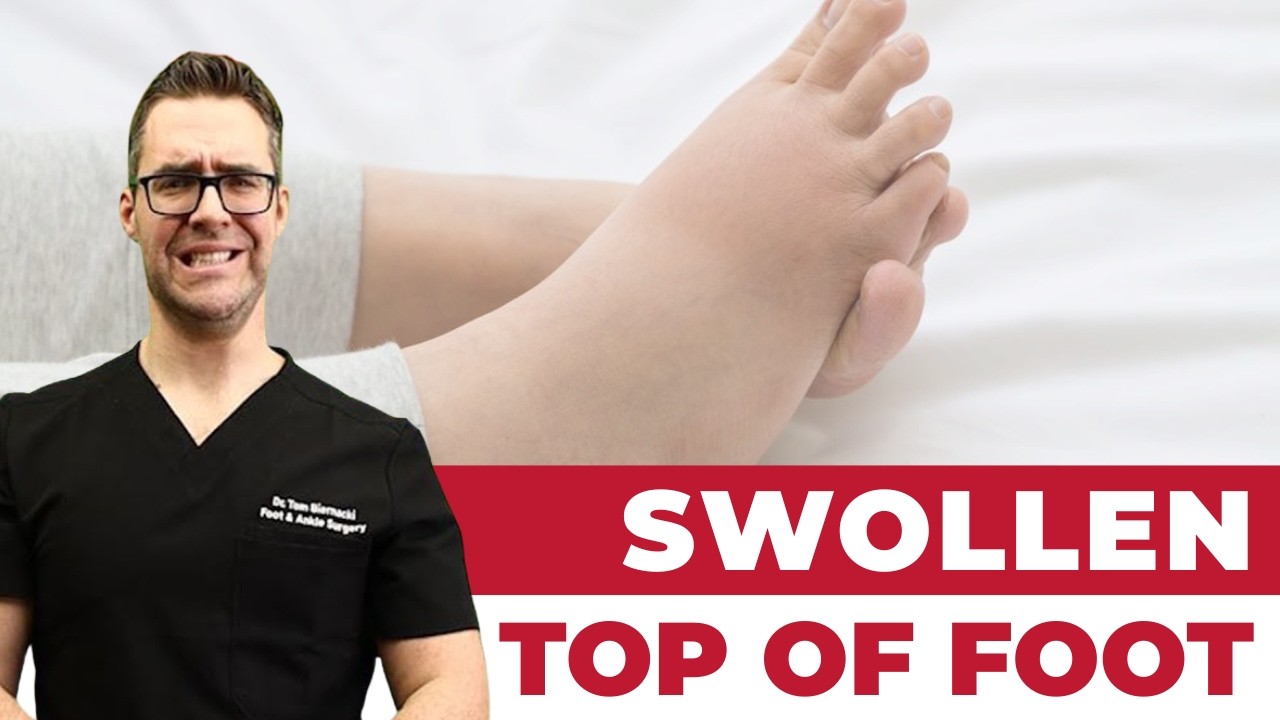
Watch: Foot Pain Treatment & Home Exercises
Dr. Tom demonstrates effective home treatment strategies for weight-related foot pain — including targeted stretches and exercises that reduce plantar fascia tension:
Book a same-day evaluation → · (810) 206-1402
Most Common Mistake in Weight-Related Foot Care
Diabetic Foot Risk in Obesity
Obesity and type 2 diabetes are deeply linked, and diabetic patients face compounded foot risks. Peripheral neuropathy eliminates the protective pain response, so injuries go unnoticed. Peripheral arterial disease reduces healing capacity. Combined with the mechanical overload of excess weight, diabetic patients with obesity face the highest risk of foot ulcers, Charcot arthropathy, and amputation. At Balance Foot & Ankle, we provide comprehensive diabetic foot surveillance for high-risk patients at both our Howell and Bloomfield Township locations.
Treatment Strategies for Weight-Related Foot Conditions
Managing weight-related foot conditions requires a two-track approach: treating the existing foot pathology while reducing the mechanical load driving it. Immediate interventions include custom orthotics to redistribute pressure, rocker-bottom or extra-depth footwear, and anti-inflammatory protocols for acute flares. Longer-term, we work with patients to identify tolerable low-impact exercise that supports weight management without worsening foot structures. For severe cases — particularly Charcot foot or advanced osteoarthritis — surgical options may be appropriate once weight is stabilized.
Frequently Asked Questions
Does losing weight help foot pain?
Yes, significantly. Research shows that every 10-pound reduction in body weight reduces plantar fascia stress by approximately 30–40 pounds per step. Patients who achieve even modest weight loss (10–15% of body weight) report dramatic improvements in foot and ankle pain. The challenge is identifying exercises that don’t worsen the foot condition during the weight loss process — this is where a podiatrist can help develop a safe activity plan.
Can obesity cause flat feet?
Yes. Chronic overloading of the posterior tibial tendon — the primary dynamic arch support — leads to progressive tendon failure and arch collapse in obese patients. This condition, called adult acquired flatfoot deformity, is one of the most common foot conditions we treat in overweight adults. Custom orthotics can slow progression and significantly reduce pain, but advanced cases may require surgical reconstruction.
What shoes are best for overweight people with foot pain?
Overweight patients benefit most from extra-depth shoes with wide toe boxes, substantial heel cushioning, and removable insoles (to accommodate custom orthotics). Motion control features are essential for those with flat feet. We recommend having shoes fitted by a specialist rather than self-selecting based on brand, as individual foot structure varies significantly even among patients with similar weights and foot types.
Is plantar fasciitis worse with obesity?
Yes. BMI is one of the strongest independent risk factors for plantar fasciitis. Overweight patients also tend to have slower healing rates and higher recurrence risk. Treatment in obese patients typically requires longer duration and may include additional modalities like shockwave therapy or MLS laser therapy that are less commonly needed in normal-weight patients.
When should an overweight person see a podiatrist for foot pain?
See a podiatrist if foot pain is limiting your ability to walk or exercise, if you have diabetes and any foot change, if you notice progressive arch collapse, or if foot pain has persisted more than 4 weeks. Early intervention is critical — untreated foot conditions in obese patients progress faster and are harder to reverse. Same-week appointments at Balance Foot & Ankle — (810) 206-1402.
Related Resources
Foot Pain Slowing Down Your Health Goals?
Same-week appointments at Balance Foot & Ankle — Howell & Bloomfield Township, MI. 4.9 ⭐ | 1,100+ reviews.
Book Appointment (810) 206-1402In-Office Treatment at Balance Foot & Ankle
If home treatment isn’t providing relief for your foot and ankle conditions, our podiatry team at Balance Foot & Ankle can help with same-week evaluations and advanced in-office care.
Same-week appointments available. (810) 206-1402
Doctor Hoy’s Natural Pain Relief Gel
Natural topical pain relief I use in our clinic. Arnica + camphor formula — apply directly to the area 3–4x daily. ($20–25)
Shop Doctor Hoy’s →Frequently Asked Questions


Dr. Tom Biernacki, DPM is a board-certified foot & ankle surgeon (ABFAS & ABPM) at Balance Foot & Ankle Specialists in Southeast Michigan. With over a decade of clinical experience, he specializes in heel pain, bunions, diabetic foot care, sports injuries, and minimally invasive surgery. Dr. Biernacki is a member of the APMA and ACFAS, and his patient education content on MichiganFootDoctors.com and YouTube has made him one of the most-followed foot & ankle educators on YouTube.