
Medically reviewed by Dr. Tom Biernacki, DPM
Board-certified podiatric surgeon | Balance Foot & Ankle, Howell & Bloomfield Township, MI
Last reviewed: May 2026

| Equestrian Foot Condition | Riding Mechanism | Symptom | Treatment |
|---|---|---|---|
| Metatarsalgia (ball-of-foot pain) | Sustained stirrup bar pressure on metatarsal heads | Burning forefoot pain during and after riding | Metatarsal pad behind ball of foot; wider-toe-box boot |
| Morton’s neuroma | Stirrup bar compressing 3rd–4th metatarsal interspace | Electric/burning pain between toes during posting trot | Wider stirrup + metatarsal pad; possible corticosteroid injection |
| Plantar fasciitis | Prolonged heels-down position + post-ride barefoot barn walking | Heel pain worst at first morning steps | Arch-support orthotic in boot + morning stretch |
| Achilles tendinopathy | Sustained heels-down eccentric Achilles load | Posterior heel stiffness after riding; worsens with posting trot | Eccentric calf drop protocol + heel lift in boot |
| Posterior tibial tendinopathy | Riding boot rigid ankle restriction forcing compensatory pronation | Inner ankle ache worsening during extended rides | Medial arch orthotic + ankle strengthening |
| Toe cramping / flexor spasm | Narrow-toe boot restricting toe spreading during balance | Painful toe curling cramps during or after riding | Wider toe-box boot; magnesium supplementation; foot stretching |
| Ankle sprain | Foot through stirrup during fall; rapid dismount on uneven ground | Lateral ankle pain + swelling after inversion twist | RICE + lace-up brace during return to riding |
| Riding Boot / Stirrup Feature | Foot Health Impact | Recommendation |
|---|---|---|
| Heel height (safety requirement) | Prevents foot sliding through stirrup | Minimum 1-inch solid heel — non-negotiable for safety |
| Toe box width | Prevents digital cramping and neuroma | Widest toe box compatible with discipline requirements |
| Removable footbed | Allows orthotic accommodation | Request removable insole when purchasing; replace with orthotic |
| Stirrup width | Narrow stirrups concentrate metatarsal pressure | Use at least 4.5-inch wide stirrup; Flex-On or Sprenger recommended |
| Stirrup pad material | Solid metal concentrates pressure; rubber reduces it | Thick rubber or gel stirrup pad reduces metatarsal loading |
| Ankle rigidity (tall boot) | Rigid ankle blocks natural subtalar motion | Break-in period mandatory; consider half-chap + paddock boot for training |
Riding-specific foot and arch pain has clear causes — the right boot and stirrup setup fixes most of it.
You are in the right place. Dr. Tom Biernacki, DPM, FACFAS — board-certified foot & ankle surgeon with 3,000+ surgeries — explains exactly what foot pain from horseback riding means and what works. Call (810) 206-1402 for same-day appointment at Howell or Bloomfield Township.
Quick answer: Foot Pain From Horseback Riding has multiple potential causes including mechanical, neurological, vascular, and inflammatory. The most common causes we identify are overuse, ill-fitting shoes, and biomechanical imbalance. Red flags requiring urgent evaluation: warmth/redness (infection), inability to bear weight (fracture), and unilateral swelling without injury (DVT). Call (810) 206-1402.
![How to Cure Plantar Fasciitis in One Week? [FAST Heel Pain Relief!]](https://www.michiganfootdoctors.com/wp-content/cache/flying-press/b5600c3bfb9845a6095da8266d8b5363.jpg)
Watch: How to Cure Plantar Fasciitis in One Week? [FAST Heel Pain Relief!] — MichiganFootDoctors YouTube
The most important clinical decision with Foot Pain From Horseback Riding isn’t which treatment to start with — it’s identifying the correct subtype. That changes everything. Call (810) 206-1402.
Foot Pain From Horseback Riding: Quick Answer
Horseback riding causes specific foot pain – the stirrup pressure, riding boots, and asymmetric demands create unique challenges. We help dozens of equestrians yearly at Balance Foot and Ankle. Here is the comprehensive horseback riding foot pain guide.
Why Horseback Riding Causes Foot Pain
Riding-specific demands: Stirrup pressure on ball of foot; rigid riding boots; sustained foot positioning; long rides; specific heel-down position; cold weather riding; falls and dismount injuries; barn work in addition to riding; varied disciplines (English, Western, dressage, jumping). Equestrian foot anatomy: long-term riders develop adaptations.
Most Common Horseback Riding Foot Issues
1. Stirrup pressure pain: Ball of foot pain from prolonged pressure. 2. Mortons neuroma irritation: Common aggravation from stirrup pressure. 3. Achilles tendinitis: From heel-down position. 4. Bunion irritation: Boot pressure. 5. Hammertoe pain: From boot fit. 6. Cold feet: Common in winter riding. 7. Foot crushing injury: From horse stepping on foot. 8. Ankle sprains: From dismounts/falls. 9. Heel pain: From boot pressure. 10. Toenail issues: From boot pressure.
English vs Western Riding
English riding: Smaller stirrups; more pressure point on ball of foot; tall boots common; jumping high impact landings. Western riding: Larger stirrups (less pressure point); cowboy boots; longer typical rides; cattle work. Specific disciplines: Dressage (subtle leg work); jumping (impact); endurance (long rides); rodeo events (acute high-impact). Different demands: different injury patterns by discipline.
Riding Boot Selection
English riding boots: Tall (dressage, jumping); paddock boots (everyday). Western boots: Cowboy boots; work boots. Features needed: Heel for stirrup safety (1-1.5 inch); appropriate height; comfortable fit; proper sizing. For foot pain prone: Wider boot options; higher quality leather (better fit); custom boots possible for serious riders. Important: Boot fit affects riding safety and foot health.
Stirrup Pressure Solutions
Stirrup pressure on ball of foot: Common cause of riding foot pain. Solutions: Wider stirrups (some Western style); cushioned stirrup pads (reduce pressure); proper foot position in stirrup (ball of foot on stirrup, NOT pushed forward); custom orthotics in boots; metatarsal pads. Address Mortons neuroma if present: stirrup pressure aggravates neuroma significantly.
Foot Crushing Injuries
Horse stepping on foot: Common equestrian injury. Severity ranges from: Mild bruising to severe crush injury. RED FLAGS: Cant bear weight; severe swelling; obvious deformity; severe pain. Same-day evaluation needed: even if seems minor; horses weigh 1000+ lbs. Treatment: X-rays; ice; elevation; sometimes immobilization; surgery rarely needed for severe cases. Prevention: Proper footwear (boots not sneakers); awareness around horses; safe handling techniques.
Custom Orthotics for Riders
Riding orthotic considerations: Must fit in riding boots (often tight); reduce stirrup pressure; address arch issues; some sport-specific design helpful. Many serious riders benefit: Especially flat-footed; high-arched; chronic foot pain; Mortons neuroma; bunion progression. Different from everyday orthotics: needs to accommodate boot space.
Cold Weather Riding
Cold feet during riding: Very common. Causes: Inadequate insulation; circulation reduced (sitting); long rides outside; sometimes wet conditions. Solutions: Quality wool riding socks; insulated riding boots; chemical foot warmers (where allowed); avoid over-tightening boots; keep moving (warmer); warm up before mounting; appropriate winter riding clothing. Some riders: Use heated riding insoles for extreme cold.
Discipline-Specific Issues
Dressage: Subtle leg cues; long sustained position; tall boots specific issues. Jumping: Landing impact; ankle stress; potential ankle sprains; rotational forces. Endurance: Long rides (8+ hours); cumulative foot stress; saddle sores affect riding position. Western: Cattle work demands; sometimes longer rides; saddle horn position can affect feet via posture. Each discipline: specific foot considerations.
When to See a Podiatrist
See us if: horseback riding foot pain persists despite boot/stirrup adjustments; suspected Mortons neuroma; recurring ankle sprains; foot crushing injury; need riding-specific orthotic evaluation; chronic conditions affecting riding; bunion or hammertoe progression in rider; cold feet not improving with conservative measures. Same-week appointments at Balance Foot and Ankle. Schedule online.
Podiatrist-Recommended Products

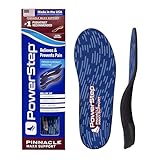
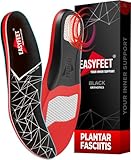

Frequently Asked Questions About Foot Pain From Horseback Riding
Why do my feet hurt when horseback riding?
Stirrup pressure on ball of foot; rigid riding boots; sustained foot positioning; long rides; specific heel-down position; cold weather riding; falls and dismount injuries; barn work in addition to riding. Equestrian foot anatomy adapts long-term.
What riding boots are best for foot pain?
Higher quality leather (better fit); proper sizing critical; consider wider boot options; custom boots possible for serious riders. Features: heel for stirrup safety (1-1.5 inch); appropriate height; comfortable fit. Boot fit affects safety and foot health.
How do I reduce stirrup pressure on my feet?
Wider stirrups (some Western style); cushioned stirrup pads; proper foot position in stirrup (ball of foot on stirrup, NOT pushed forward); custom orthotics in boots; metatarsal pads. Address Mortons neuroma if present.
What if a horse steps on my foot?
Same-day evaluation needed even if seems minor – horses weigh 1000+ lbs. RED FLAGS: cant bear weight; severe swelling; obvious deformity; severe pain. X-rays, ice, elevation, sometimes immobilization. Surgery rarely needed for severe cases.
Can I wear orthotics in riding boots?
YES with riding-appropriate orthotics. Must fit in riding boots (often tight); reduce stirrup pressure; address arch issues. Many serious riders benefit, especially flat-footed, high-arched, with chronic foot pain or Mortons neuroma.
How do I keep my feet warm horseback riding in winter?
Quality wool riding socks; insulated riding boots; chemical foot warmers (where allowed); avoid over-tightening boots; keep moving; warm up before mounting; appropriate winter clothing. Some riders use heated riding insoles for extreme cold.
When should I see a podiatrist about horseback riding foot pain?
Pain persists despite boot/stirrup adjustments; suspected Mortons neuroma; recurring ankle sprains; foot crushing injury; need riding-specific orthotic evaluation; chronic conditions affecting riding; bunion or hammertoe progression; cold feet not improving.
Related Resources from Balance Foot & Ankle
Still Dealing With Foot Pain From Horseback Riding?
Same-week appointments at Balance Foot & Ankle in Howell & Bloomfield Township, MI.
Book Your AppointmentFrequently Asked Questions
When should I see a doctor?
See a podiatrist if pain persists past 2 weeks, prevents normal activity, or is accompanied by red-flag symptoms (warmth, swelling, numbness, inability to bear weight).
Can I treat this at home?
Mild cases respond to RICE protocol (rest, ice, compression, elevation), supportive shoes, and OTC anti-inflammatories. Persistent symptoms need professional evaluation.
How long does it take to heal?
Most soft tissue injuries resolve in 2-6 weeks with appropriate care. Bone injuries take 6-12 weeks. Chronic conditions need longer-term management.
In-Office Treatment at Balance Foot & Ankle
If home treatment isn’t providing relief for your foot pain, our podiatry team at Balance Foot & Ankle can help with same-day evaluations and advanced in-office care.
APMA: Foot Pain Relief and Activity-Related Causes
Ready to Get Relief?
Same-day appointments available in Howell & Bloomfield Township, MI
4.9★ | 1,123 Reviews | 3,000+ Surgeries
Or call: (810) 206-1402

Dr. Tom Biernacki, DPM is a board-certified foot & ankle surgeon (ABFAS & ABPM) at Balance Foot & Ankle Specialists in Southeast Michigan. With over a decade of clinical experience, he specializes in heel pain, bunions, diabetic foot care, sports injuries, and minimally invasive surgery. Dr. Biernacki is a member of the APMA and ACFAS, and his patient education content on MichiganFootDoctors.com and YouTube has made him one of the most-followed foot & ankle educators on YouTube.