
Medically reviewed by Dr. Tom Biernacki, DPM
Board-certified podiatric surgeon | Balance Foot & Ankle, Howell & Bloomfield Township, MI
Last reviewed: May 2026

| Injury | Mechanism | Location | Treatment |
|---|---|---|---|
| Heel bruise / fat pad contusion | Hard landings, falls on heel | Posterior heel, plantar heel | Gel heel cup, reduce impact activity, NSAIDs x1 week |
| Extensor tendonitis (lace bite) | Boot tongue pressure on dorsal tendons | Top of foot / front ankle | Tongue pad, skip eyelet, loosen upper buckles |
| Peroneal tendinopathy | Toe-edge riding, lateral ankle stress | Outside of ankle | Rest, ankle brace, orthotics; ultrasound if persistent |
| Ankle sprain | Fall with binding release, edge catch | Lateral or medial ankle | RICE, brace; X-ray if unable to bear weight (Ottawa Rules) |
| Plantar fasciitis | Rigid boot, repetitive fascia loading | Arch, medial heel | Stretching, orthotics, heel cup, activity modification |
| Metatarsalgia | Narrow boot toe box, heel-edge pressure | Ball of foot | Wider boot, metatarsal pad, reduce session length |
| Boot Fit Factor | Ideal | Common Mistake |
|---|---|---|
| Flex rating | Beginners: 1–4; Intermediate: 5–7; Expert: 8–10 | Beginners in stiff boots = ankle pain and fatigue |
| Heel hold | Heel locked in pocket, <3mm lift | Heel lift = blisters, loss of edge control, Achilles pain |
| Boot length | Toes barely touch front, not curled | Too short = toe compression; too long = heel slippage |
| Liner heat molding | Custom-molded at shop or using oven method | Generic liner = hot spots and pressure points |
| Orthotics compatibility | Remove factory insole, replace with custom or quality aftermarket | Adding orthotics over factory insole = too tight |
Quick answer: Foot Pain From Snowboarding has multiple potential causes including mechanical, neurological, vascular, and inflammatory. The most common causes we identify are overuse, ill-fitting shoes, and biomechanical imbalance. Red flags requiring urgent evaluation: warmth/redness (infection), inability to bear weight (fracture), and unilateral swelling without injury (DVT). Call (810) 206-1402.
Medically Reviewed | Dr. Tom Biernacki, DPM | Board-Certified Podiatrist | Balance Foot & Ankle, Michigan
Watch: Flat Feet and Heel Pain Best Running Shoes 2026 — MichiganFootDoctors YouTube
Foot Pain From Snowboarding: Quick Answer
Snowboarding causes unique foot pain – the soft boot construction is more comfortable than ski boots but creates different issues including foot fatigue, ankle problems, and toe issues. We help dozens of snowboarders yearly at Balance Foot and Ankle. Here is the comprehensive snowboarding foot pain guide.
Why Snowboarding Causes Foot Pain
Snowboard-specific demands: Soft boot construction (more comfortable but less support); both feet on one board; stance angle creates uneven foot demands; long days (often 6-8 hours); leaning back/forward heel/toe edges; cold environment; falls and crashes; standing in lift lines; getting on/off lifts repeatedly. Different from skiing: less rigid boots = less pressure point issues but more foot fatigue and instability.
Most Common Snowboarding Foot Issues
1. Foot fatigue: Most common; from sustained activity in soft boots. 2. Heel bruise: From back of board impact. 3. Ankle pain: From limited rigidity. 4. Toenail issues: From boot pressure on long days. 5. Cold feet: Common; circulation issues. 6. Achilles issues: From boot angle. 7. Bunion irritation: Pressure point. 8. Wrist injuries: Common (foot indirect related). 9. Ankle sprains: From falls.
Snowboard Boot Selection
Boot types: All-mountain (versatile); freestyle (softer, more flex); freeride (stiffer for big mountain). Lacing systems: Traditional (lots of adjustment); BOA (quick adjustment); speed laces (compromise). Fitting: Snug heel pocket; toes touch front when standing, pull back when in riding stance; foot doesnt move inside boot; consider custom liners. For foot pain prone: Higher quality boots; custom liners (Intuition, Toaster); thermoformable liners.
Bindings and Foot Health
Binding considerations: Strap bindings (most common; adjustable); rear-entry bindings (faster on/off but less precision); step-in bindings (Burton Step-On – newer technology). For foot pain: Proper binding setup critical; correct stance width; appropriate forward lean; comfortable strap tension. Stance angles: Personal preference but affects foot demands; usually 12-18 degrees front, -3 to -9 back; experiment for comfort.
Cold Foot Solutions
Cold feet snowboarding: Very common. Solutions: Quality merino wool snowboard socks (NOT cotton, NOT two pairs); boot heaters (Hotronic, Thermic); chemical foot warmers; properly fitted boots (not over-tightened); custom insulated insoles. Vasoconstriction: Caffeine, nicotine, alcohol worsen circulation. Quick warm-up: warm beverage breaks; brief lodge time when needed.
Heel Bruise from Snowboarding
Heel bruise (calcaneal contusion): Common in snowboarders; from back of board impact during heelside landings or falls. Pattern: Heel pain especially with weight bearing; mild swelling sometimes; gradual onset typically. Treatment: Rest from snowboarding; ice; heel cup; supportive shoes off the board; gradual return; persistent cases need imaging to rule out stress fracture. Prevention: Better boot cushioning; learn proper landing technique; gradual progression.
Custom Orthotics for Snowboarding
Snowboard orthotic considerations: Lower profile to fit in soft boot; provide arch support without limiting flexibility; address heel cushioning; sometimes asymmetric to address stance angle issues. Different from skiing orthotics: More flexibility; more cushion focus; less rigid edge control needs. Many serious snowboarders benefit: Especially with chronic foot pain; pre-existing foot conditions; long ride days.
Stance Angle and Foot Issues
Stance affects foot demands: Wider stance = more leg/foot strain; narrower = less stability; angled stance puts uneven loads on feet. For foot pain: Try slightly different angles; ensure heel position centered in binding; adjust as you learn what your body needs. Asymmetric demands: front foot vs back foot different stress patterns.
When to See a Podiatrist
See us if: snowboarding-related foot pain persists more than 1-2 weeks; recurring heel bruises; suspected stress fracture; need orthotic evaluation; chronic conditions affecting snowboarding; ankle sprain that wont heal; bunion/hammertoe progression; cold feet not improving with conservative measures. Book online 24/7 at Balance Foot and Ankle. Schedule online.
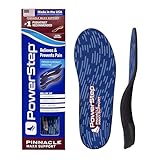
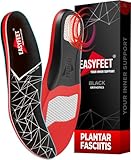
Podiatrist-Recommended Products


Frequently Asked Questions About Foot Pain From Snowboarding
Why does snowboarding hurt my feet?
Soft boot construction (more comfortable but less support); both feet on one board; stance angle creates uneven foot demands; long days; cold environment; falls and crashes; standing in lift lines. Different from skiing – less pressure points but more foot fatigue.
What snowboard boots are best for foot pain?
Higher quality boots with custom liners (Intuition, Toaster); thermoformable liners. Lacing system options: traditional, BOA (quick), speed laces. Boot type: all-mountain (versatile), freestyle (softer), freeride (stiffer).
How do I prevent cold feet snowboarding?
Quality merino wool socks (NOT cotton, NOT two pairs); boot heaters (Hotronic, Thermic); chemical foot warmers; properly fitted boots (not over-tightened); custom insulated insoles. Avoid caffeine/nicotine/alcohol (worsens circulation).
What is a snowboard heel bruise?
Calcaneal contusion from back of board impact during heelside landings or falls. Pattern: heel pain with weight bearing; mild swelling. Treatment: rest, ice, heel cup, supportive shoes off board, gradual return. Persistent cases need imaging to rule out stress fracture.
Can I wear orthotics in snowboard boots?
YES with snowboard-specific orthotics. Lower profile; provide arch support without limiting flexibility; address heel cushioning; sometimes asymmetric to address stance angle issues. Different from skiing orthotics – more flexibility, more cushion focus.
How does stance angle affect foot pain?
Wider stance = more leg/foot strain; narrower = less stability; angled stance puts uneven loads on feet. Experiment with different angles for comfort. Front foot vs back foot have different stress patterns – asymmetric demands.
When should I see a podiatrist about snowboarding foot pain?
Pain persists more than 1-2 weeks; recurring heel bruises; suspected stress fracture; need orthotic evaluation; chronic conditions affecting snowboarding; ankle sprain that wont heal; bunion/hammertoe progression; cold feet not improving.
Related Resources from Balance Foot & Ankle
Still Dealing With Foot Pain From Snowboarding?
Appointments at Balance Foot & Ankle in Howell & Bloomfield Township, MI.
Book Your Appointment⚕ Doctor Recommended
VitaMedica Arnica GelFragrance-free, non-greasy relief for foot & ankle soreness
View Product →⚠️ Most Common Mistake: Ignoring persistent foot pain and continuing normal activity without evaluation. Early podiatric care prevents minor foot issues from becoming chronic, difficult-to-treat conditions.
Frequently Asked Questions
🏥 Recommended by Dr. Biernacki — Foundation Wellness Products
These are the same products Dr. Biernacki recommends to his patients at Balance Foot & Ankle in Michigan. Available through our trusted partners.
In-Office Treatment at Balance Foot & Ankle
If home treatment isn’t providing relief for your foot pain, our podiatry team at Balance Foot & Ankle can help with expert evaluations and advanced in-office care.
APMA: Foot Pain Relief and Activity-Related Causes
Ready to Get Relief?
Book online 24/7 in Howell & Bloomfield Township, MI
4.9★ | 1,200+ Reviews | 3,000+ Surgeries
Or call: (810) 206-1402

Dr. Tom Biernacki, DPM is a board-certified foot & ankle surgeon (ABFAS & ABPM) at Balance Foot & Ankle Specialists in Southeast Michigan. With over a decade of clinical experience, he specializes in heel pain, bunions, diabetic foot care, sports injuries, and minimally invasive surgery. Dr. Biernacki is a member of the APMA and ACFAS, and his patient education content on MichiganFootDoctors.com and YouTube has made him one of the most-followed foot & ankle educators on YouTube.