
Medically reviewed by Dr. Tom Biernacki, DPM
Board-certified podiatric surgeon | Balance Foot & Ankle, Howell & Bloomfield Township, MI
Last reviewed: May 2026

| Ski Boot Pain Location | Likely Cause | Quick Fix | If Persistent |
|---|---|---|---|
| Shin / front of lower leg (shin bang) | Boot tongue pressure, too-stiff flex, aggressive lean | Shin pad, reduce forward lean, spoiler adjustment | Bootfitter evaluation, flex adjustment, shell punch |
| Top of foot (dorsum) | Instep too high for boot last; lace/buckle pressure | Loosen top buckle, tongue pad | Shell punch over instep, custom last/liner |
| Toe box / numbness in toes | Boot too narrow, toe box too shallow | Loosen toe buckle, heat mold liner | Wider last, custom liner, nerve evaluation |
| Heel / arch pain | Poor arch support, flat factory insole | Custom or aftermarket footbed | Podiatry evaluation for plantar fasciitis |
| Outside ankle / lateral foot | Canting error — boot too upright, excessive supination | Canting adjustment by bootfitter | Biomechanical assessment |
| Big toe joint | Hallux valgus (bunion) pressure on toe box | Toe box punch at bunion prominence | Custom boot last designed for bunions |
| Flex Rating | Best For | Too Stiff Risk | Too Soft Risk |
|---|---|---|---|
| 60–80 (soft) | Beginners, lighter weight skiers, casual terrain | N/A — too soft for performance skiing | Loss of edge control, ankle fatigue on hard snow |
| 90–110 (medium) | Intermediate to advanced recreational skiers | Shin bang in beginners using medium boots | Flex-out on aggressive carving |
| 120–130 (stiff) | Expert / racing terrain, aggressive skiing | Shin bruising, Achilles strain in non-experts | N/A — expert range |
| 140+ (race stiff) | Competitive racers only | Significant injury risk in non-racers | N/A |
Quick answer: Foot Pain From Skiing Boots has multiple potential causes including mechanical, neurological, vascular, and inflammatory. The most common causes we identify are overuse, ill-fitting shoes, and biomechanical imbalance. Red flags requiring urgent evaluation: warmth/redness (infection), inability to bear weight (fracture), and unilateral swelling without injury (DVT). Call (810) 206-1402.
Watch: Flat Feet and Heel Pain Best Running Shoes 2026 — MichiganFootDoctors YouTube
Foot Pain From Ski Boots: Quick Answer
Ski boots cause foot pain in nearly every skier at some point – the rigid construction, tight fit, and cold environment create unique foot challenges. We help dozens of skiers yearly at Balance Foot and Ankle. Here is the comprehensive ski boot foot pain guide.
Why Ski Boots Cause Foot Pain
Ski boot demands: Very rigid construction (no foot flexion); tight fit required for performance; pressure points from boot construction; cold environment (stiffens materials and feet); long ski days (often 6-8 hours); aggressive forward lean position; transmission of all skiing forces through feet to skis; often poorly fitted at retail. Skiing foot anatomy: many skiers develop foot adaptations to boot demands; wider feet, calluses, structural changes.
Most Common Ski Boot Foot Issues
1. Pressure points: Specific areas of pain from boot construction; navicular, ankle bones, fifth metatarsal common. 2. Numbness: Especially toes; from over-tight buckling. 3. Cold feet: Common; circulation issues. 4. Bunion irritation: Boot pressure on bunions painful. 5. Toenail issues: Black toenails common; from boot pressure. 6. Plantar fasciitis flare: From boot demands. 7. Achilles tendinitis: From boot angle. 8. Foot fungus: From sweaty conditions. 9. Foot cramps: From boot pressure.
Proper Ski Boot Fitting
Boot fitting essentials: Professional fitting at ski shop (NOT general sporting goods); boots fit smaller than shoes (typically 1-1.5 sizes smaller for adults); shell sizing (try shell without liner first); custom thermomoldable liners for many; flex rating appropriate to skier ability/weight. Toes touch front when standing, pull back slightly when in skiing position. Bad fitting: causes most ski boot foot pain.
Pressure Point Solutions
Common pressure points: Toe cap (forefoot deformities); ankle bones (malleoli); navicular (top of arch); fifth metatarsal (outside of foot); heel (improper heel lock). Solutions: Boot punching/stretching at ski shop (most stores can heat-mold boots); thermoformable shell modifications; pads to redirect pressure; custom orthotics dramatically help; in severe cases custom boots. “Bootfitter”: specialized profession; worth seeking out.
Custom Orthotics for Skiing
Ski orthotic considerations: Different from regular orthotics; lower profile to fit in boot; address inside-edge versus outside-edge weighting; carbon fiber or composite materials; specific to skiing biomechanics. Many serious skiers use custom ski orthotics: Dramatic performance improvement; significant pain reduction; better edge control. Worth investment for: serious skiers, those with foot pain, recreational skiers wanting better performance.
Cold Foot Solutions
Cold feet skiing: Very common; can be miserable. Causes: Inadequate insulation; over-tight boots restricting circulation; wet socks; cold weather; long days outside. Solutions: Quality merino wool ski socks (NOT cotton); never two pairs of socks (more cold paradoxically); boot heaters (Hotronic, Thermic – great investment); chemical foot warmers (single use); ensure boots not over-tightened; custom insulated insoles. Vasoconstriction: Caffeine and nicotine worsen.
Toenail Issues from Skiing
Black toenails common: From boot pressure during skiing, especially aggressive moguls or hard runs. Treatment: Sometimes need drainage if very painful; usually resolves on own (may lose nail temporarily). Prevention: Properly fitted boots (not too small in toe box); short, well-trimmed nails; loosen buckles in lift line; avoid downhill skiing positions causing toe jamming.
Boot-Related Ankle Issues
Ski boots create ankle issues: Achilles tendinitis (from boot angle and forward lean); ankle stiffness (from immobilization); shin pain (from boot tongue). Solutions: Proper flex rating (not too stiff); custom liners; boot fitting adjustments; address pre-existing Achilles issues; calf stretching; sometimes adjusting forward lean of boot. Severe cases: switch boot brand/model.
Off-Mountain Foot Care
Address foot health off-mountain: Quality everyday shoes; address foot conditions in off-season; calf stretching; intrinsic foot strengthening; air out boots between days; antifungal powder if prone to fungus; proper sock care. Off-season: opportunity to address chronic issues; pre-season foot evaluation; prepare for ski season.
When to See a Podiatrist
See us if: ski boot foot pain persists despite boot fitting; recurring black toenails; bunion or hammertoe progression in skier; need ski-specific orthotic evaluation; pre-season foot conditioning; suspected stress fracture; cold feet not improving with conservative measures; chronic conditions affecting skiing; need bootfitter referral. Book online 24/7 at Balance Foot and Ankle. Schedule online.
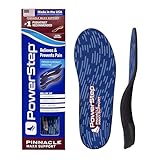
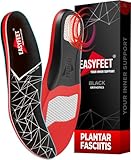
Podiatrist-Recommended Products


Frequently Asked Questions About Foot Pain From Ski Boots
Why do ski boots hurt my feet?
Very rigid construction (no foot flexion); tight fit required for performance; pressure points; cold environment; long ski days; aggressive forward lean position; transmission of all skiing forces; often poorly fitted at retail. Skiing foot anatomy adapts to boot demands.
Should ski boots fit smaller than shoes?
YES – typically 1-1.5 sizes smaller for adults. Shell sizing important (try shell without liner first); custom thermomoldable liners often needed; flex rating appropriate to ability/weight. Professional fitting at ski shop essential.
How do I fix pressure points in my ski boots?
Boot punching/stretching at ski shop (most stores can heat-mold boots); thermoformable shell modifications; pads to redirect pressure; custom orthotics dramatically help; in severe cases custom boots. Seek out specialized “bootfitter”.
Why are my feet cold in ski boots?
Inadequate insulation; over-tight boots restricting circulation; wet socks; cold weather; long days outside. Solutions: quality merino wool ski socks (NOT cotton); never two pairs (more cold paradoxically); boot heaters (Hotronic, Thermic – great investment); chemical foot warmers.
Why do I get black toenails from skiing?
Boot pressure during skiing, especially aggressive moguls or hard runs. Treatment: sometimes need drainage if very painful; usually resolves on own. Prevention: properly fitted boots; short well-trimmed nails; loosen buckles in lift line.
Can I wear orthotics in ski boots?
YES – custom ski orthotics dramatically help. Different from regular orthotics: lower profile, address edge weighting, carbon fiber/composite materials, ski-specific biomechanics. Many serious skiers use them. Worth investment.
When should I see a podiatrist about ski boot foot pain?
Pain persists despite boot fitting; recurring black toenails; bunion/hammertoe progression in skier; need ski-specific orthotic evaluation; pre-season foot conditioning; suspected stress fracture; cold feet not improving; chronic conditions affecting skiing.
Related Resources from Balance Foot & Ankle
Still Dealing With Foot Pain From Ski Boots?
Appointments at Balance Foot & Ankle in Howell & Bloomfield Township, MI.
Book Your AppointmentIn-Office Treatment at Balance Foot & Ankle
If home treatment isn’t providing relief for your foot pain, our podiatry team at Balance Foot & Ankle can help with expert evaluations and advanced in-office care.
APMA: Foot Pain Relief and Activity-Related Causes
Ready to Get Relief?
Book online 24/7 in Howell & Bloomfield Township, MI
4.9★ | 1,200+ Reviews | 3,000+ Surgeries
Or call: (810) 206-1402

Dr. Tom Biernacki, DPM is a board-certified foot & ankle surgeon (ABFAS & ABPM) at Balance Foot & Ankle Specialists in Southeast Michigan. With over a decade of clinical experience, he specializes in heel pain, bunions, diabetic foot care, sports injuries, and minimally invasive surgery. Dr. Biernacki is a member of the APMA and ACFAS, and his patient education content on MichiganFootDoctors.com and YouTube has made him one of the most-followed foot & ankle educators on YouTube.