
Medically reviewed by Dr. Tom Biernacki, DPM
Board-certified podiatric surgeon | Balance Foot & Ankle, Howell & Bloomfield Township, MI
Last reviewed: May 2026

| Product Category | Best For | Evidence Level | Price Range | Podiatrist Verdict |
|---|---|---|---|---|
| OTC arch support insoles | Plantar fasciitis, flat feet, general ache | High | $20–$60 | First-line; Superfeet Green, Powerstep Pinnacle top picks |
| Custom orthotics | Structural deformity, recurrent injuries | High | $300–$600 | Gold standard when OTC fails; prescription required |
| Plantar fasciitis night splint | Morning heel pain from plantar fasciitis | High | $25–$60 | Maintains stretch overnight; highly effective |
| Compression socks (15–20 mmHg) | Swelling, venous insufficiency, recovery | High | $15–$40 | Excellent for end-of-day swelling and travel |
| Topical diclofenac (Voltaren) | Arthritis, localized joint pain | High (RCTs) | $15–$25 | OTC NSAID gel; effective with fewer GI side effects |
| Metatarsal pads | Ball of foot pain, Morton’s neuroma | Moderate | $10–$20 | Reposition load off metatarsal heads; use with insole |
| TENS/EMS unit | Nerve pain, neuropathy, muscle tension | Moderate | $40–$150 | Adjunct; helps with neuropathy and post-exercise ache |
| Condition | Top Product Pick | Why It Works |
|---|---|---|
| Plantar fasciitis | Night splint + OTC arch support insole | Maintains stretch; distributes load away from fascia |
| Achilles tendinopathy | Heel lift (6–10mm) + eccentric calf exercise band | Reduces tendon tension; eccentric loading is gold standard |
| Morton’s neuroma | Metatarsal pad + wide toe-box shoe | Splays metatarsal heads; reduces nerve compression |
| Bunion pain | Toe spacer + bunion-specific shoe insert | Realigns 1st ray; reduces intermetatarsal pressure |
| Diabetic foot soreness | Diabetic insoles (extra-depth) + seamless socks | Offloads pressure points; prevents skin breakdown |
| Post-surgical swelling | Compression sleeve + elevation wedge | Reduces edema; speeds recovery |
Quick answer: Foot Pain Relief Products has multiple potential causes including mechanical, neurological, vascular, and inflammatory. The most common causes we identify are overuse, ill-fitting shoes, and biomechanical imbalance. Red flags requiring urgent evaluation: warmth/redness (infection), inability to bear weight (fracture), and unilateral swelling without injury (DVT). Call (810) 206-1402.
Medically Reviewed | Dr. Tom Biernacki, DPM | Board-Certified Podiatrist | Balance Foot & Ankle, Michigan
![How to Cure Plantar Fasciitis in One Week? [FAST Heel Pain Relief!]](https://www.michiganfootdoctors.com/wp-content/cache/flying-press/b5600c3bfb9845a6095da8266d8b5363.jpg)
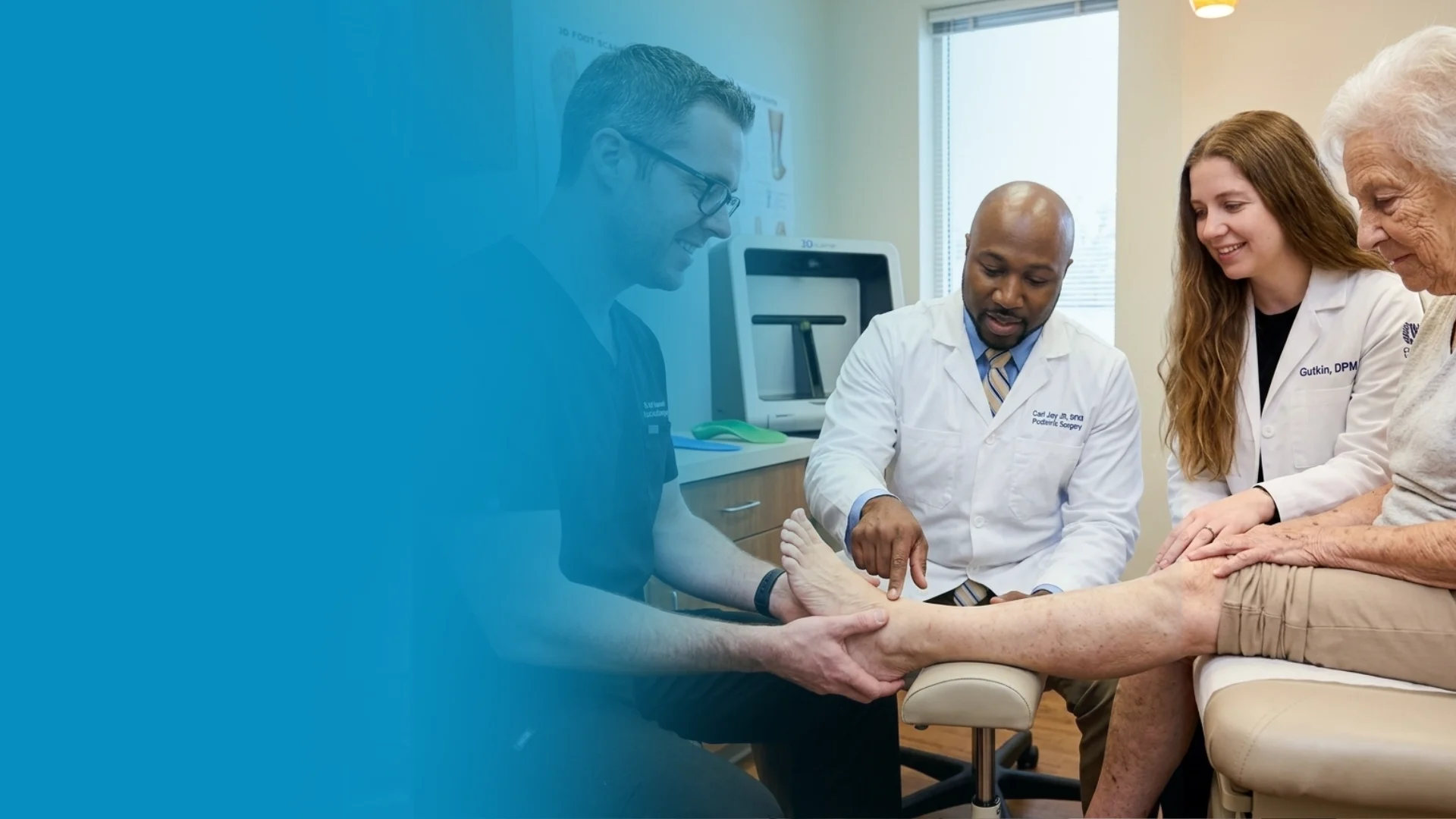
Watch: How to Cure Plantar Fasciitis in One Week? [FAST Heel Pain Relief!] — MichiganFootDoctors YouTube
The most important clinical decision with Foot Pain Relief Products isn’t which treatment to start with — it’s identifying the correct subtype. That changes everything. Call (810) 206-1402.
Foot Pain Relief Products: Quick Answer
Many foot pain solutions cost less than $30 and provide significant relief – but knowing which products actually work is critical. We help thousands of patients yearly at Balance Foot and Ankle navigate effective pain relief products. Here are the 12 most effective items for various foot conditions.
1. Custom Orthotics ($400-$700)
Most important investment for foot pain. What they treat: Plantar fasciitis, flat feet, posterior tibial dysfunction, hallux limitus, biomechanical issues. Cost: $400-$700 (often insurance-covered for medical necessity). Effectiveness: Resolves 70-80% of moderate-severe foot conditions when properly prescribed.
2. Premium OTC Insoles ($30-$80)
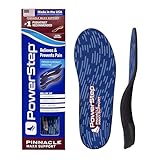
Best brands: Powerstep Pinnacle ($45-$50); PowerStep Pinnacle Green ($55); Vionic Active ($50); Sof Sole Athlete ($25-$35). What they treat: Mild-moderate plantar fasciitis, arch pain, foot fatigue. Cost-effective option before custom orthotics.
3. Spiky Massage Ball / Frozen Water Bottle ($5-$15)
What they do: Trigger point release; combine massage with cold therapy. What they treat: Plantar fasciitis (#1 indication); arch pain; foot fatigue. How to use: Roll under arch 5-10 minutes daily. Frozen water bottle: free alternative providing cold therapy too.
4. Heel Cups ($10-$30)
Best brands: Tuli Heavy Duty (#1 pick); Dr. Scholl gel; Sorbothane. What they treat: Heel pain, plantar fasciitis, fat pad atrophy, heel spurs. Cost-effective for mild heel pain.
5. Metatarsal Pads ($10-$25)
Best brands: Hapad (#1 pick); Pedifix Visco-Gel; ZenToes. What they treat: Metatarsalgia, Mortons neuroma, sesamoiditis. Critical: proper placement BEHIND metatarsal heads, not under them.
6. Toe Spacers / Yoga Toes ($25-$65)
What they treat: Bunions, hammertoes, Mortons neuroma, foot fatigue. Best brands: Yoga Toes Original ($25-$35); Correct Toes ($65). Symptom relief not anatomical correction.
7. Night Splint for Plantar Fasciitis ($20-$60)
What it does: Holds foot in dorsiflexed position during sleep, preventing fascia tightening. What it treats: Plantar fasciitis morning pain. Best for: 4-8 week protocol; significant improvement in morning pain.
8. Heel Cushion Inserts ($10-$25)
What they do: Cushion heel from impact. What they treat: Heel pain, fat pad atrophy, walking on hard surfaces. Different from full orthotics: simpler, less expensive option for heel pain only.
9. Compression Socks ($20-$50)
What they treat: Foot/ankle swelling; recovery; circulation. Best brands: Sigvaris, Comrad, Vim and Vigr, Bombas Performance. Compression levels: 15-20 mmHg for daily wear, 20-30 mmHg for stronger support.
10. Topical NSAIDs (Diclofenac Gel) ($15-$30)
What they treat: Localized pain (arthritis, tendinitis, bunion pain). Pros: Safer than oral NSAIDs (especially for elderly); no GI or kidney issues. Cons: Less effective than oral for severe pain; need to apply 4x daily.
11. Toe Sleeves and Crest Pads ($10-$20)
What they treat: Hammertoe pain, calluses on toes, bunion protection. Brands: Pedifix, ZenToes, Dr. Frederick. Cost-effective for shoe pressure protection.
12. Quality Footwear (Variable cost)
Most important purchase for foot health. Categories: Maximum cushion (Hoka Bondi); stability (Brooks Adrenaline); supportive casual (Vionic); premium dress (Allen Edmonds); diabetic depth (Drew, Orthofeet). Cost: $80-$400. Best investment: replace every 6-12 months for daily wear.
When to Skip Products and See a Podiatrist
See us if: persistent pain despite product use; recurring foot problems; need professional diagnosis; need custom orthotics; suspected serious conditions (stress fracture, neuropathy); diabetic patients with any foot concerns. Many patients waste money on products that wont help their specific condition. Professional evaluation identifies the right tools for your specific problem. Schedule consultation.
Podiatrist-Recommended Products


Frequently Asked Questions About Foot Pain Relief Products
What is the best foot pain relief product?
Depends on condition: custom orthotics (#1 for biomechanical issues); spiky ball + frozen water bottle (plantar fasciitis); heel cups (heel pain); metatarsal pads (forefoot pain); toe spacers (bunions/hammertoes).
Are OTC orthotics worth it?
For mild-moderate cases: yes – 40% of patients respond. Best brands: Powerstep Pinnacle, PowerStep Pinnacle Green, Vionic Active. If inadequate after 4-6 weeks, upgrade to custom orthotics.
What is the best plantar fasciitis product?
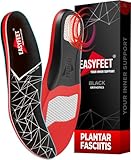
Custom orthotic (medical-grade); spiky ball/frozen water bottle for self-massage; quality OTC insole (Powerstep); supportive shoes (Hoka Bondi); night splint. Combine multiple for best results.
Will products alone fix my foot pain?
For mild conditions: often yes. For moderate-severe: products help but professional evaluation often needed. Custom orthotics significantly more effective than OTC for biomechanical issues.
How much should I spend on foot pain products?
Total $50-$150 covers most basic needs (insoles, massage ball, heel cups, etc). Custom orthotics $400-$700 are best investment for chronic conditions. Quality footwear $80-$400 is essential.
What products should I AVOID?
Cheap unsupportive insoles (cant address biomechanical issues); flat unsupportive shoes (Toms, ballet flats); high heels >1.5 inches; cheap flip-flops; medicated corn pads on diabetic feet; aggressive home callus tools.
Are massage tools worth it?
Yes – $5-$15 spiky ball provides excellent plantar fasciitis relief. Frozen water bottle (free) combines massage with cold therapy. Foam rollers help calves. More expensive percussion tools provide modest additional benefit.
Related Resources from Balance Foot & Ankle
Still Dealing With Foot Pain Relief Products?
Same-week appointments at Balance Foot & Ankle in Howell & Bloomfield Township, MI.
Book Your Appointment⚕ Doctor Recommended
Doctor Hoy’s Natural Pain ReliefTopical relief for foot & ankle pain
View Product →⚠️ Most Common Mistake: Ignoring persistent foot pain and continuing normal activity without evaluation. Early podiatric care prevents minor foot issues from becoming chronic, difficult-to-treat conditions.
Frequently Asked Questions
In-Office Treatment at Balance Foot & Ankle
If home treatment isn’t providing relief for your foot or ankle condition, our podiatry team at Balance Foot & Ankle can help with same-day evaluations and advanced in-office care.
Same-day appointments available. (810) 206-1402
🏥 Recommended by Dr. Biernacki — Foundation Wellness Products
These are the same products Dr. Biernacki recommends to his patients at Balance Foot & Ankle in Michigan. Available through our trusted partners.
APMA: Foot Pain Relief Products and Methods
Ready to Get Relief?
Same-day appointments available in Howell & Bloomfield Township, MI
4.9★ | 1,123 Reviews | 3,000+ Surgeries
Or call: (810) 206-1402

Dr. Tom Biernacki, DPM is a board-certified foot & ankle surgeon (ABFAS & ABPM) at Balance Foot & Ankle Specialists in Southeast Michigan. With over a decade of clinical experience, he specializes in heel pain, bunions, diabetic foot care, sports injuries, and minimally invasive surgery. Dr. Biernacki is a member of the APMA and ACFAS, and his patient education content on MichiganFootDoctors.com and YouTube has made him one of the most-followed foot & ankle educators on YouTube.