
Medically reviewed by Dr. Tom Biernacki, DPM
Board-certified podiatric surgeon | Balance Foot & Ankle, Howell & Bloomfield Township, MI
Last reviewed: May 2026

| Treatment | Arthritis Type | Evidence | Pain Relief Onset | Duration of Effect |
|---|---|---|---|---|
| Custom orthotics / stiff-soled rocker shoes | OA, RA, gout, psoriatic | High | Days–weeks | Ongoing with use |
| Topical diclofenac (Voltaren) | OA (localized joint) | High | Days | While using; no systemic effects |
| Oral NSAIDs (ibuprofen, naproxen) | All inflammatory types | High | Hours | Short-term; GI risk with chronic use |
| Cortisone injection | OA, RA, gout flare | High | 1–3 days | 4–12 weeks |
| Hyaluronic acid (HA) injection | OA (ankle, 1st MTP) | Moderate | 2–4 weeks | 3–6 months |
| PRP injection | OA (early–moderate) | Emerging | 4–8 weeks | 6–12 months |
| Arthroscopic debridement | Ankle OA (early) | Moderate | Weeks post-op | 1–5 years |
| Joint fusion (arthrodesis) | End-stage OA or RA | High (definitive) | Post-healing (3–6 mo) | Permanent — eliminates motion |
| Total ankle replacement | End-stage ankle OA | High (modern implants) | Post-healing (6–12 mo) | 15–20 year implant life |
| Joint Affected | Most Common Arthritis | Hallmark Symptom | First-Line Treatment |
|---|---|---|---|
| 1st MTP (big toe) | Hallux rigidus (OA) | Stiffness / pain with push-off | Rocker-bottom shoe + orthotics; cheilectomy |
| Ankle (tibiotalar) | Post-traumatic OA | Deep ache; instability | Brace + orthotics; cortisone; TAR or fusion |
| Midfoot (Lisfranc) | Post-traumatic OA | Top-of-foot ache with standing | Stiff arch support; surgical fusion if severe |
| Subtalar joint | Post-fracture OA | Pain with uneven ground | Orthotics; subtalar fusion |
| Multiple small joints | Rheumatoid arthritis | Morning stiffness; symmetric | DMARDs (rheumatology) + podiatric offloading |
Quick answer: Treatment for foot arthritis treatment options follows a stepwise approach: 1) conservative care first (rest, ice, supportive footwear, OTC anti-inflammatories), 2) physical therapy and targeted exercises, 3) in-office treatments (injections, custom orthotics) if conservative fails at 4-6 weeks, 4) surgery for refractory cases. Most patients resolve at step 1 or 2. Call (810) 206-1402.
![How to Regrow Cartilage & Reverse OsteoArthritis? [Can We Do It?]](https://www.michiganfootdoctors.com/wp-content/cache/flying-press/6f8bfd0a4becc695adbde1cd9df37f15.jpg)
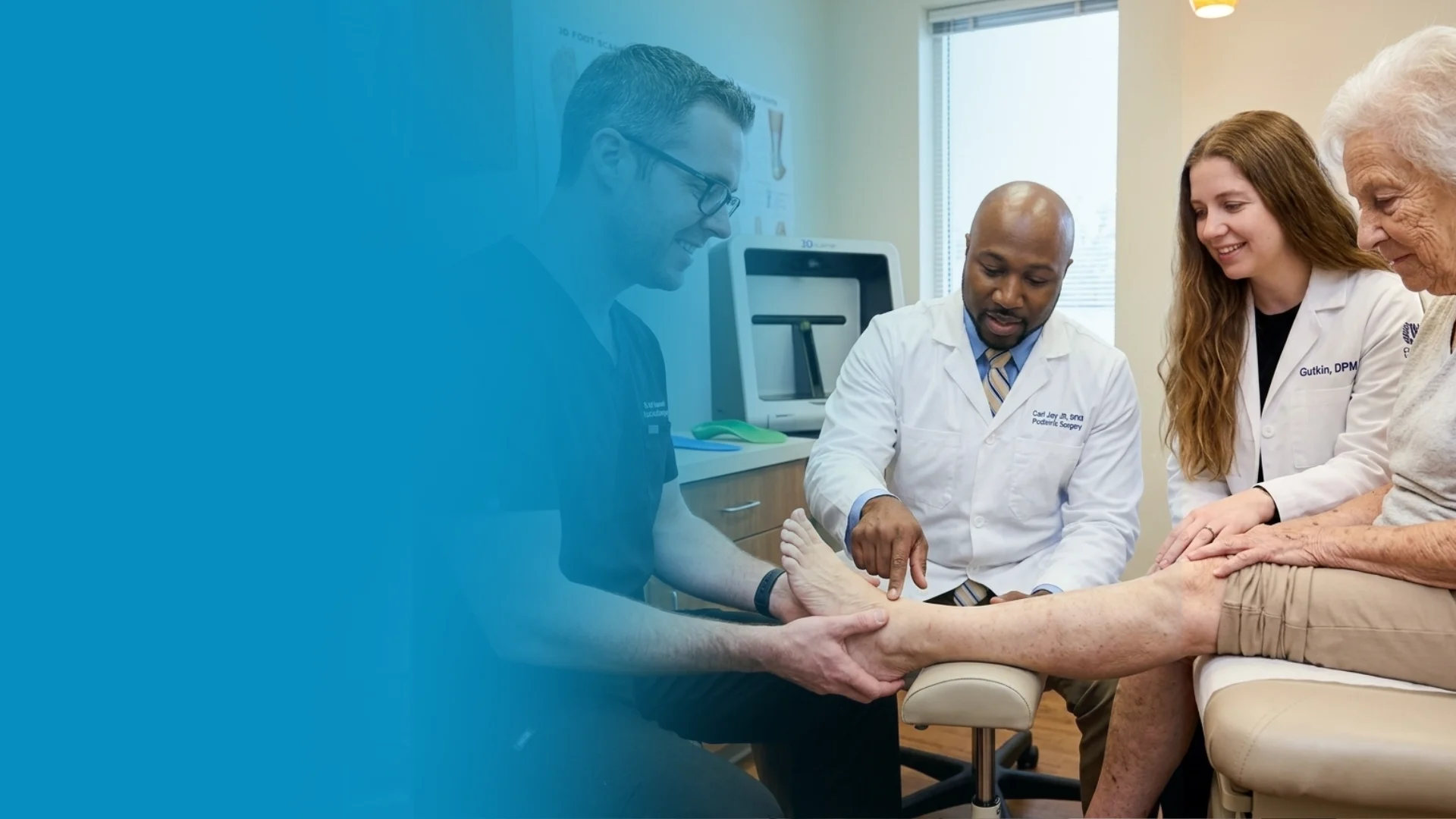
Watch: How to Regrow Cartilage & Reverse OsteoArthritis? [Can We Do It?] — MichiganFootDoctors YouTube
The most important clinical decision with Foot Arthritis Treatment Options isn’t which treatment to start with — it’s identifying the correct subtype. That changes everything. Call (810) 206-1402.
Foot Arthritis Treatment Options: Quick Answer
Foot arthritis affects millions of Americans – and modern treatment options range from simple shoe modifications to advanced surgical reconstruction. Many patients can manage foot arthritis without surgery for years. We treat thousands of arthritis patients yearly at Balance Foot and Ankle. Here is the complete treatment guide.
First-Line Conservative Treatment
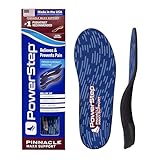
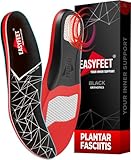
For most foot arthritis: 1. Stiff-soled rocker shoes: Hoka Bondi 8, Brooks Beast, On Cloudmonster – reduce joint motion at painful joint. 2. Custom orthotics with appropriate modifications (Morton extension for big toe; metatarsal pad for forefoot; arch support for midfoot/PTTD-related). 3. Carbon fiber footplate ($60-$200): for big toe arthritis specifically. 4. NSAIDs (ibuprofen, naproxen) short-term for acute flares. 5. Topical NSAIDs (diclofenac gel) for chronic management – safer than oral. 6. Activity modification: low-impact alternatives.
Specific Modifications by Joint
Big toe (hallux limitus/rigidus): Stiff-soled rocker shoes; carbon fiber footplate; Morton extension orthotic. Midfoot: Stiff-soled rocker shoes; custom orthotic with arch support; sometimes ankle bracing. Subtalar joint: Custom orthotic with rear-foot post; sometimes lace-up ankle brace. Ankle: Lace-up brace; sometimes Arizona AFO; cane or walker for severe cases. Multiple joints: Combined modifications; sometimes custom AFO for ankle and subtalar involvement.
Cortisone Injections
For acute arthritis flares: Cortisone injection can provide significant pain relief lasting 6-12 weeks. Best for: Severe pain limiting activities; pre-procedure or pre-surgery pain control; bridging to other treatments. Cautions: Multiple injections (more than 2-3 per joint per year) accelerate cartilage damage; not effective for long-term arthritis management. Use: as part of comprehensive plan, not as primary treatment.
Hyaluronic Acid Injections
What it is: Joint lubricating injections (Synvisc, Euflexxa, Orthovisc, Hyalgan); approved primarily for knee but used off-label for foot/ankle joints. Effectiveness: Mixed evidence; some patients report significant benefit. Cost: $300-$1500 per series (insurance variable). Best for: Patients wanting alternatives to cortisone for chronic management. Series: Usually 3-5 injections weekly.
Platelet-Rich Plasma (PRP) Injections
What it is: Injection of patients own concentrated platelets to potentially stimulate healing. Effectiveness: Emerging evidence for tendon/ligament conditions; limited evidence for arthritis. Cost: $500-$1500 per injection (typically not insurance-covered). Best for: Patients wanting modern treatment willing to invest; unclear long-term benefit for most arthritis.
When Surgery Is Indicated
Indications: 1. Failed 6+ months of comprehensive conservative care. 2. Severe pain limiting daily activities. 3. Visible joint deformity progression. 4. Functional limitations (cant wear shoes, walk distances). 5. Quality of life significantly affected. 6. Adequate medical fitness for procedure. Surgery is not a first-line option for most foot arthritis – most patients can manage conservatively for years.
Joint-Preserving Surgical Options
Cheilectomy: Removes bone spurs while preserving joint motion. Best for early-moderate big toe arthritis. Recovery 6-8 weeks. Joint replacement (implant): Newer titanium and pyrocarbon implants for big toe and ankle. Preserves motion. Recovery 8-12 weeks. Osteotomy (joint realignment): Cuts and realigns bone to redistribute joint forces. Recovery 6-12 weeks.
Joint Sacrifice Surgical Options (Fusion)
Arthrodesis (fusion): Permanently fuses arthritic joint, eliminating motion but providing pain relief. Best for: Severe arthritis where joint preservation not possible; failed previous joint-preserving surgery; patients who want definitive solution. Recovery: 8-12 weeks non-weight-bearing for many fusions; full recovery 4-6 months. Pros: High success rate for pain relief; durable. Cons: Permanent loss of joint motion; sometimes adjacent joint arthritis develops over years.
Activity Modifications for All Patients
1. Low-impact exercise: swimming, cycling, elliptical (vs running, basketball). 2. Weight management: each pound off saves 4 pounds of foot loading. 3. Daily stretching: maintain joint flexibility. 4. Strength training: stronger muscles support joints. 5. Quality footwear: avoid high heels, flat unsupportive shoes; choose stiff-soled rocker shoes. 6. Custom orthotics: address biomechanical contributors. 7. Address underlying conditions: diabetes control, RA management, etc.
When to See a Podiatrist
See us for: foot arthritis diagnosis and treatment; pain not improving with OTC measures; questions about treatment options; need for advanced treatments (injections, surgery); custom orthotic evaluation; joint deformity development; second opinion if surgery recommended elsewhere. Same-week appointments at Balance Foot and Ankle. Schedule online.
Podiatrist-Recommended Products


In-Office Treatment at Balance Foot & Ankle
If home treatment isn’t providing relief for your foot or ankle condition, our podiatry team at Balance Foot & Ankle can help with same-day evaluations and advanced in-office care.
Same-day appointments available. (810) 206-1402
Frequently Asked Questions About Foot Arthritis Treatment Options
What are the best treatments for foot arthritis?
First-line conservative: stiff-soled rocker shoes, custom orthotics, NSAIDs, weight management. Second-line: cortisone injections, hyaluronic acid, PRP. Surgery for failed conservative care.
When should I consider surgery for foot arthritis?
After 6+ months of failed comprehensive conservative care; severe pain limiting daily activities; visible deformity progression; functional limitations; quality of life significantly affected.
Will cortisone injections help foot arthritis?
Yes for acute flares – 6-12 weeks pain relief. Limit to 2-3 injections per joint per year due to cartilage damage risk. Not effective for long-term arthritis management – use as part of comprehensive plan.
Whats the difference between joint-preserving surgery and fusion?
Joint-preserving (cheilectomy, replacement, osteotomy): maintains joint motion. Fusion (arthrodesis): eliminates motion but provides definitive pain relief. Choice depends on arthritis severity, joint involved, patient activity level.
Can I prevent foot arthritis from getting worse?
Yes – weight management; quality supportive shoes; custom orthotics; activity modifications; address underlying conditions; daily stretching; address pain early. Cannot prevent established arthritis but can slow progression.
Will custom orthotics help foot arthritis?
Yes – properly designed orthotics with appropriate modifications (Morton extension, metatarsal pad, arch support) significantly reduce arthritis pain and may slow progression.
How long is recovery from foot arthritis surgery?
Cheilectomy: 6-8 weeks. Joint replacement: 8-12 weeks. Fusion: 8-12 weeks non-weight-bearing; full recovery 4-6 months. Always with surgeon-specific instructions.
Related Resources from Balance Foot & Ankle
Still Dealing With Foot Arthritis Treatment Options?
Same-week appointments at Balance Foot & Ankle in Howell & Bloomfield Township, MI.
Book Your Appointment⚕ Doctor Recommended
Doctor Hoy’s Natural Pain ReliefTopical relief for foot & ankle pain
View Product →APMA: Foot Arthritis — Treatment Options
Ready to Get Relief?
Same-day appointments available in Howell & Bloomfield Township, MI
4.9★ | 1,123 Reviews | 3,000+ Surgeries
Or call: (810) 206-1402

Dr. Tom Biernacki, DPM is a board-certified foot & ankle surgeon (ABFAS & ABPM) at Balance Foot & Ankle Specialists in Southeast Michigan. With over a decade of clinical experience, he specializes in heel pain, bunions, diabetic foot care, sports injuries, and minimally invasive surgery. Dr. Biernacki is a member of the APMA and ACFAS, and his patient education content on MichiganFootDoctors.com and YouTube has made him one of the most-followed foot & ankle educators on YouTube.