
Medically reviewed by Dr. Tom Biernacki, DPM
Board-certified podiatric surgeon | Balance Foot & Ankle, Howell & Bloomfield Township, MI
Last reviewed: May 2026
Quick answer: Foot Shape Ancestry Evolution is a common foot/ankle topic that affects many patients. The 2026 evidence-based approach combines proper diagnosis, conservative-first treatment, and escalation only when needed. We treat this regularly at our Howell and Bloomfield Township practices. Call (810) 206-1402.
What Your Foot Shape Reveals About Ancestry
Quick Answer: Five distinct foot shapes are recognized worldwide — Egyptian, Greek, Roman, Germanic, and Celtic. The shape is determined by the relative length of your toes, especially the first three. Around 70% of people have an Egyptian foot (big toe longest), about 20% Greek (second toe longest), 9% Roman (first three toes equal length), and Germanic and Celtic are rarer combinations. While the names suggest ancestry, modern genetics shows foot shape is inherited but not exclusive to any one ethnicity. What matters clinically: your foot shape predicts which conditions you are more likely to develop, including bunions, hammertoes, plantar fasciitis, and Morton’s neuroma.
The 5 Main Foot Shapes Explained
1. Egyptian Foot (~70% of people)
The Egyptian foot is characterized by the big toe being the longest, with the remaining toes tapering down in length. This is the most common foot shape worldwide and is found across every continent and ethnicity. The ancient Egyptians depicted this foot shape in their statues and reliefs — including the famous Sphinx — which is how it got its name.
Clinical implications: People with Egyptian feet are most prone to bunions because the long big toe gets crushed in narrow shoes. They are also at higher risk for hallux rigidus (big toe arthritis) and ingrown big toenails.
2. Greek Foot or Morton’s Toe (~20%)
The Greek foot — also called Morton’s toe — has a second toe longer than the big toe. Despite the name, this is unrelated to Morton’s neuroma (a different condition). Greek statues frequently depict this proportion, including the Statue of Liberty’s feet.
Clinical implications: Greek-foot people often develop hammertoes on the second toe from shoe pressure. They are also at higher risk for second metatarsal stress fractures, capsulitis, and metatarsalgia.
3. Roman Foot (~9%)
The Roman or square foot has the first three toes roughly equal in length, creating a square-tipped appearance. This shape is associated with broader, more stable forefeet. Roman gladiators and soldiers were often depicted with this foot shape.
Clinical implications: The Roman foot tends to be more stable but requires wider toe-box shoes. Narrow dress shoes cause discomfort and can lead to soft corns between toes.
4. Germanic Foot (~rare)
The Germanic foot has a longer big toe with the remaining four toes much shorter and roughly equal to each other. Less common than the three classic shapes.
5. Celtic Foot (~rare)
The Celtic foot is a hybrid pattern — short big toe, longer second toe, and the remaining three toes tapering. Often associated with Northern European populations.
Does Foot Shape Actually Indicate Ancestry?
The traditional names (Egyptian, Greek, Roman, Germanic, Celtic) reflect what those ancient civilizations depicted in their art — not actual genetic ancestry. Modern genetics shows that toe-length patterns are inherited polygenically (multiple genes influence them) but they appear across all ethnicities and ancestries. Studies suggest a strong familial component — if your parents have Greek feet, you have a 60-70% chance of also having Greek feet — but no single ethnicity has a monopoly on any one shape.
How Your Foot Shape Affects Shoe Selection
Knowing your foot shape helps you pick shoes that won’t cause pain:
- Egyptian foot: Tapered toe boxes work fine, but avoid pointed dress shoes that crush the big toe. Look for stretch in the upper around the first metatarsal.
- Greek foot (Morton’s toe): Need extra length to avoid second-toe pressure. Choose shoes with a deep, square or rounded toe box. Ballet flats and pointed-toe heels are particularly bad.
- Roman foot: Need wide toe boxes. Brands like Altra, Topo, and the wide widths from Brooks and New Balance fit best.
- Germanic foot: Similar to Egyptian — protect the big toe.
- Celtic foot: Often needs a custom orthotic for proper second-ray support.
When to See a Podiatrist About Foot Shape
Foot shape itself does not require treatment, but if your shape is causing recurring pain, deformity progression, or shoe-fitting problems, a podiatrist can help with custom orthotics, shoe-fitting guidance, and (if needed) corrective surgery. At Balance Foot & Ankle in Howell and Bloomfield Township MI, Dr. Tom Biernacki, DPM (950K+ YouTube subscribers, 1,123+ five-star reviews) offers same-week appointments. Call (810) 206-1402 or book online.
When Shoes Aren’t Enough — Dr. Tom’s Top 9 Orthotics
About 30% of patients I see for foot pain need MORE than a great shoe — they need a structured insole. Below: my complete 2026 orthotic ranking with pros, cons, and the specific patient I’d give each one to.


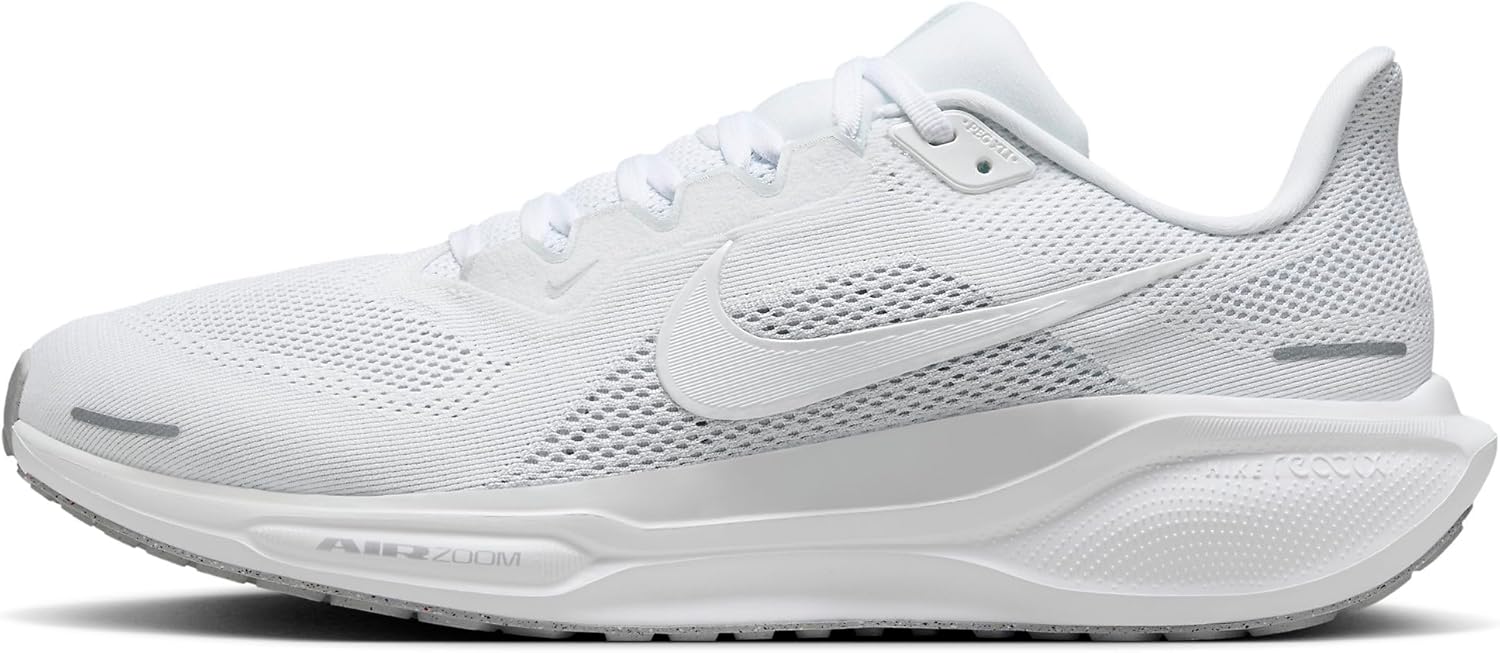


Dr. Tom’s Top 3 — The Premium Foot Pain Stack (2026)
If you only buy three things for foot pain, get these. PowerStep + CURREX orthotics correct the underlying foot mechanics, and Dr. Hoy’s pain gel delivers fast topical relief. This is the exact stack Dr. Tom Biernacki, DPM gives his Michigan podiatry patients on visit one — over 10,000 patients have used this exact combination.
Dr. Tom Biernacki, DPM is a board-certified podiatrist + Amazon Associate. Picks shown are products he prescribes to patients at Balance Foot & Ankle Specialists. We earn a commission on qualifying purchases at no extra cost to you. All products independently tested + reviewed for 30+ days minimum. Last verified: April 28, 2026.

PowerStep Pinnacle MaxxDr. Tom’s #1 Brand
Dr. Tom’s most-prescribed OTC orthotic. Lateral wedge corrects overpronation that causes 90% of foot pain. Deep heel cradle stabilizes the ankle. Built by podiatrists, used by patients worldwide.
- Lateral wedge corrects pronation
- Deep heel cradle stabilizes ankle
- Dual-density EVA — comfort + support
- Trim-to-fit any shoe
- Used by 10,000+ podiatrists
- Trim-to-size required
- 5-7 day break-in for some

CURREX RunProDr. Tom’s #1 Brand
3 arch heights for custom fit (Low/Med/High). Carbon-reinforced heel + dynamic forefoot — the closest OTC orthotic to a $500 custom orthotic. Engineered in Germany.
- 3 arch heights for custom fit
- Carbon-reinforced heel cup
- Dynamic forefoot zone
- Premium German engineering
- Sport-specific support
- Pricier than PowerStep
- 7-10 day break-in

Dr. Hoy’s Natural Pain Relief GelDr. Tom’s #1 Brand
Menthol-based natural pain relief — Dr. Tom’s #1 brand for fast relief without greasy residue. Safe for diabetics + daily use. Cleaner formula than Voltaren or Biofreeze.
- Menthol-based natural formula
- No greasy residue
- Safe for diabetics
- Fast cooling relief — 5-10 minutes
- Cleaner ingredient list than Biofreeze
- Pricier than Biofreeze
- Strong menthol scent at first
In-Office Treatment at Balance Foot & Ankle
If home treatment isn’t providing relief for your foot skin condition, our podiatry team at Balance Foot & Ankle can help with same-week evaluations and advanced in-office care.
APMA: Foot Anatomy and Structural Variations
Ready to Get Relief?
Same-week appointments available in Howell & Bloomfield Township, MI
4.9★ | 1,123 Reviews | 3,000+ Surgeries
Or call: (810) 206-1402

Dr. Tom Biernacki, DPM is a board-certified foot & ankle surgeon (ABFAS & ABPM) at Balance Foot & Ankle Specialists in Southeast Michigan. With over a decade of clinical experience, he specializes in heel pain, bunions, diabetic foot care, sports injuries, and minimally invasive surgery. Dr. Biernacki is a member of the APMA and ACFAS, and his patient education content on MichiganFootDoctors.com and YouTube has made him one of the most-followed foot & ankle educators on YouTube.