

Quick answer: Getting Second Opinion Before Foot Surgery When Why It Matters is a common foot/ankle topic that affects many patients. The 2026 evidence-based approach combines proper diagnosis, conservative-first treatment, and escalation only when needed. We treat this regularly at our Howell and Bloomfield Township practices. Call (810) 206-1402.

Medically Reviewed by Dr. Tom Biernacki, DPM, FACFAS — Board-certified podiatrist & foot surgeon | Balance Foot & Ankle | Last updated: May 2026
A second opinion before foot surgery is almost always worth getting — especially for elective procedures like bunion correction, flat foot reconstruction, or hammertoe surgery. Red flags that make a second opinion essential: you haven’t completed 3–6 months of conservative care, the surgeon can’t explain why surgery is necessary, the proposed procedure is complex or irreversible, or you simply feel uncertain. Second opinions are covered by most insurance plans and do not delay care when obtained promptly.
When a Second Opinion Is Essential vs. Optional
Not every foot surgery recommendation requires a second opinion — but specific situations make one critical. Understanding the difference helps you make this decision efficiently without unnecessary delay.
Second Opinion Decision Guide
| Situation | Second Opinion Priority | Why |
|---|---|---|
| Conservative care not yet tried | Essential | Surgery should always follow failed conservative care for most elective conditions |
| Bunion, hammertoe, or flat foot surgery | Strongly recommended | Multiple surgical approaches exist; technique choice significantly affects recovery and outcome |
| Surgeon cannot explain the “why” | Essential | You should receive a clear, specific reason why your anatomy warrants surgery |
| Acute fracture or tendon rupture | Low priority | Acute trauma often requires timely intervention; delay carries risk |
| You feel rushed or pressured | Essential | Elective foot surgery virtually never requires same-week decisions |
| Fusion surgery (arthrodesis) | Strongly recommended | Irreversible — permanently eliminates joint motion |
| You’ve already had conservative care and pain is severe | Optional | If diagnosis and conservative failure are well-documented, a second opinion may simply confirm what you already know |
What to Bring to a Second Opinion Appointment
- Imaging reports and films — X-rays, MRI, and CT scans from your original evaluation. Request the actual DICOM files, not just the written reports — the reviewing surgeon needs to see the images.
- Operative plan summary — Ask your first surgeon for a written description of the proposed procedure(s), including the specific technique and hardware if applicable.
- Conservative care documentation — Records of physical therapy, orthotics, injections, and medications tried, with duration and outcome.
- A list of specific questions — Is this surgery necessary? What are the alternatives? What is the recovery timeline? What are the risks specific to my anatomy and health history?
Questions to Ask the Second-Opinion Surgeon
- Do you agree that surgery is indicated for my condition and severity?
- Would you recommend the same procedure, or a different approach?
- What is the expected recovery time and what does recovery involve week by week?
- What is your complication rate for this specific procedure?
- How many of this procedure do you perform per year?
- What happens if I choose not to have surgery — what is the natural history of my condition?
- Are there any non-surgical options that haven’t been tried yet?
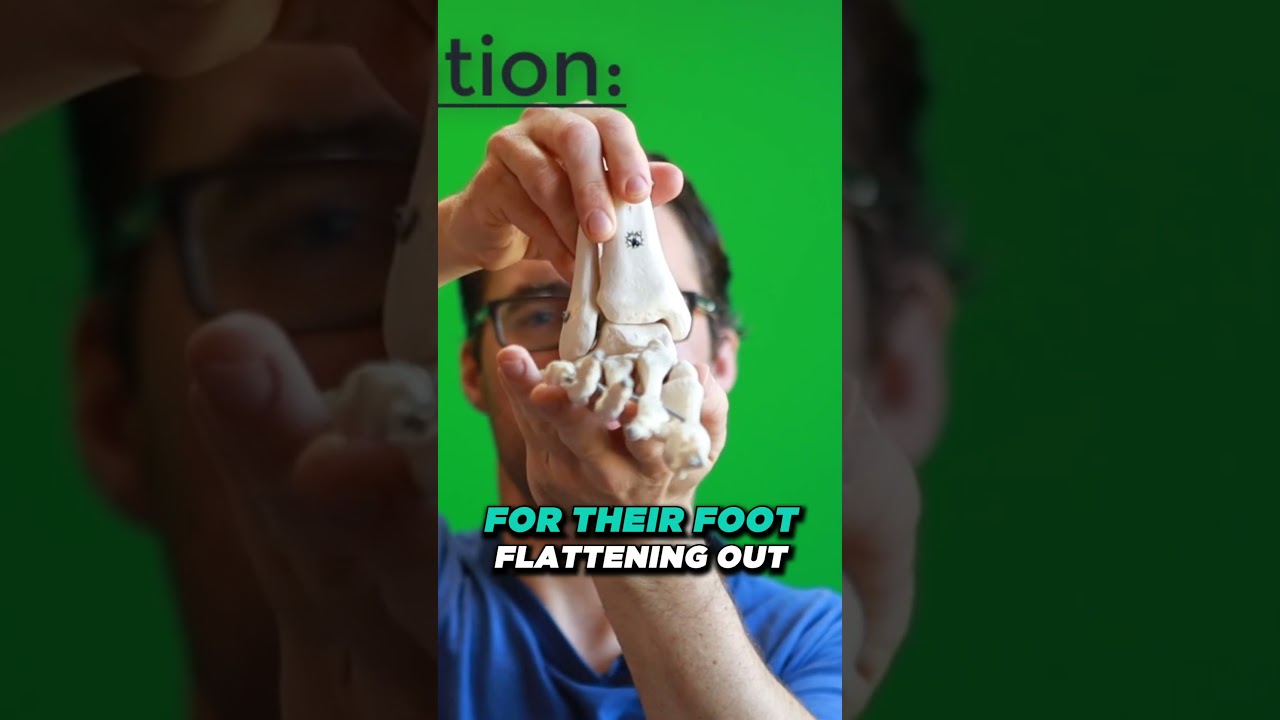
Watch: Is Foot Surgery Worth It? What to Ask Before You Decide
Dr. Tom Biernacki breaks down one of the most common dilemmas patients face — whether a surgical recommendation is truly necessary, and what questions lead to the most informed decision:
The most common mistake patients make is waiting too long to get a second opinion out of loyalty to their first surgeon or fear of seeming difficult. A well-trained foot surgeon will not be offended by a second opinion request — in fact, most actively encourage it for major elective procedures. The real risk is proceeding with surgery you later regret because you didn’t fully explore your options. A second opinion at Balance Foot & Ankle is a no-pressure consultation — we’ll review your imaging, give you our honest clinical assessment, and help you understand all available paths forward.
Frequently Asked Questions
Does getting a second opinion delay my surgery?
For elective foot surgery, a second opinion typically adds 2–4 weeks to the timeline — not clinically significant for conditions like bunions, hammertoes, or flat feet that have been present for months or years. For semi-urgent conditions like Lisfranc injuries or posterior tibial tendon dysfunction at Stage 2–3, minimize the delay by scheduling your second opinion within 1–2 weeks of the first recommendation. Truly urgent situations (open fractures, acute infections) should be treated without delay — second opinions are not appropriate in these cases.
Will my insurance cover a second opinion for foot surgery?
Most insurance plans — including BCBS, UHC, Priority Health, HAP, Medicare, and most Michigan PPOs — cover second opinion consultations for surgical recommendations. The visit is typically billed as an office consultation (CPT 99243 or 99244). You will pay your standard specialist co-pay or co-insurance. Call your insurance before the visit to confirm coverage. Very rarely, HMO plans require a referral — check your plan documents.
What if the second opinion disagrees with the first?
Disagreement between surgeons is more common than patients realize — particularly on technique, timing, and whether surgery is necessary at all. If opinions differ significantly, you have three options: obtain a third opinion from a surgeon at a major academic medical center or subspecialty group; proceed with the surgeon whose reasoning resonated more clearly with your understanding of your condition; or pursue additional conservative care before committing to surgery. Disagreement is not a problem — it is information that helps you make a better-informed decision.
How do I request a second opinion consultation at Balance Foot & Ankle?
Call (810) 206-1402 or book online through our new patient portal. Let us know at scheduling that you are seeking a second opinion — we’ll ensure adequate time is allocated for a thorough review of your imaging and surgical plan. Bring your original X-rays, MRI films, and the operative plan from your first surgeon. Dr. Tom Biernacki performs several hundred foot and ankle procedures annually and provides frank, evidence-based assessments at second opinion consultations.
What is the most common reason patients regret foot surgery?
In our clinical experience, the most common regret is proceeding with surgery before exhausting conservative care — particularly custom orthotics, physical therapy, and targeted injections. A significant percentage of patients referred to us for surgical second opinions are ultimately managed conservatively with excellent outcomes. Surgery produces irreversible structural changes; it is most appropriate when the diagnosis is clear, conservative measures have genuinely failed, and the patient’s quality of life impact justifies the procedure’s risks and recovery demands.
Facing Foot Surgery? Get a Second Opinion First.
Honest, thorough surgical second opinions at Howell and Bloomfield Township, MI. Dr. Tom Biernacki DPM, FACFAS — board-certified podiatric surgeon with 3,000+ procedures. No pressure. Just clarity.
Book a Consultation (810) 206-1402Related Articles
- Bunion Treatment & Surgery in Michigan
- Flat Feet Surgery: Is It Worth It?
- Custom Orthotics in Michigan
- New Patient Guide: Your First Podiatry Visit
- When to See a Podiatrist

In-Office Treatment at Balance Foot & Ankle
If home treatment isn’t providing relief for your foot and ankle conditions, our podiatry team at Balance Foot & Ankle can help with same-day evaluations and advanced in-office care.
Same-day appointments available. (810) 206-1402
Doctor Hoy’s Natural Pain Relief Gel
Natural topical pain relief I use in our clinic. Arnica + camphor formula — apply directly to the area 3–4x daily. ($20–25)
Shop Doctor Hoy’s →Same-Week Appointments in Howell & Bloomfield Township
Three board-certified podiatric surgeons. 1,123+ five-star reviews. Most insurance accepted.

Dr. Tom Biernacki, DPM is a board-certified foot & ankle surgeon (ABFAS & ABPM) at Balance Foot & Ankle Specialists in Southeast Michigan. With over a decade of clinical experience, he specializes in heel pain, bunions, diabetic foot care, sports injuries, and minimally invasive surgery. Dr. Biernacki is a member of the APMA and ACFAS, and his patient education content on MichiganFootDoctors.com and YouTube has made him one of the most-followed foot & ankle educators on YouTube.
More questions patients ask
Will my surgeon be offended if I get a second opinion?
Any ethical surgeon welcomes second opinions — it's standard medical practice. Board-certified surgeons understand that informed patients make better surgical candidates with more realistic expectations and higher satisfaction rates. If your surgeon discourages a second opinion, that itself is a red flag.
Does insurance cover second opinions for foot surgery?
Most PPO and Medicare plans cover second surgical opinions — many encourage them for procedures over a certain cost threshold. Some plans mandate second opinions for elective surgeries. Balance Foot & Ankle accepts BCBS and most Michigan insurers. Call (810) 206-1402 to verify coverage.
How long should I wait before getting a second opinion?
For elective procedures (bunion, hammertoe, plantar fasciitis release), take 2-4 weeks to schedule. For conditions that may worsen with delay (progressive deformity, tendon rupture), seek a second opinion within 1-2 weeks. For emergencies (open fracture, compartment syndrome), proceed immediately.
What should I bring to a second opinion appointment?
Bring all imaging (X-rays, MRI, CT on CD or patient portal), surgical recommendation letter, list of treatments tried with dates, current medications, and questions. Complete records prevent unnecessary repeat imaging and give the consulting surgeon the full picture.
What if the second opinion recommends a different surgery?
Different surgical recommendations are common — studies show 42% disagreement rates for the same foot condition. Compare proposed procedures' evidence base, recovery timelines, complication rates, and long-term outcomes. A third opinion from an academic medical center can help break the tie.
Still have a question about coverage or cost? Book online and we will check your benefits before your visit: Book in Howell · Book in Bloomfield Township. Prefer to talk it through first? Call (810) 206-1402.