Board Certified Podiatrists | Expert Foot & Ankle Care
(810) 206-1402 Patient Portal

Infected Ingrown Toenail: When to See a DPM | 2026

MICHIGAN PODIATRIST INSIGHT

The most important clinical decision with Ingrown Toenail Infected isn’t which treatment to start with — it’s identifying the correct subtype. That changes everything. Call (810) 206-1402.

Dr. Tom’s Wound Care Kit

Hibiclens Antiseptic

$15★★★★½9K+ rev
Buy on Amazon

Bacitracin Ointment

$8★★★★½5K+ rev
Buy on Amazon

Dr. Tom’s Top Toenail Fungus Picks (2026)

Affiliate disclosure: As an Amazon Associate, Balance Foot & Ankle earns from qualifying purchases.

Tolcylen Antifungal Solution

Early-to-moderate fungal nails

PROS

  • 3 active ingredients (urea + tolnaftate + tea tree)
  • No prescription needed
  • No liver risk

CONS

  • Requires 6-12 mo use
  • Easy to forget twice daily
$29★★★★½3,200+ rev
Buy on Amazon

Lamisil AT Cream

Athlete’s foot + early nail involvement

PROS

  • Affordable ($13)
  • Widely available
  • Good for athlete’s foot

CONS

  • Doesn’t penetrate nail well
  • Single ingredient only
$13★★★★½15,000+ rev
Buy on Amazon

Pure Tea Tree Oil

Natural antifungal adjunct

PROS

  • Natural option
  • Disrupts fungal biofilm
  • Pairs with Tolcylen

CONS

  • Lower cure rate alone
  • Can irritate skin
$11★★★★½22,000+ rev
Buy on Amazon

Vicks VapoRub

Surprising fungal nail home remedy

PROS

  • 50%+ improvement in studies
  • Cheap ($8)
  • Apply at bedtime + sock

CONS

  • Off-label use
  • Strong menthol smell
$8★★★★½45,000+ rev
Buy on Amazon

Medically reviewed by Dr. Tom Biernacki, DPM · Board-Certified Podiatric Surgeon · Last reviewed: April 2026 · Editorial Policy

Video by Dr. Tom Biernacki, DPM — Michigan Foot Doctors
Watch: Dr. Tom Biernacki explains the topic in detail · Subscribe to Michigan Foot Doctors on YouTube

Medically reviewed by Dr. Tom Biernacki, DPM — Board-certified foot & ankle surgeon, 3,000+ surgeries performed. Updated April 2026 with current clinical evidence. This article reflects real practice experience from Balance Foot & Ankle Specialists in Howell and Bloomfield Hills, Michigan.

Quick Answer

An ingrown toenail occurs when the nail edge punctures the surrounding skin. Mild cases respond to warm soaks and straight-across trimming. Infected ingrown nails (pus, spreading redness) need same-day care. Diabetic patients should never self-treat an ingrown nail.

Watch: Dr. Tom Biernacki, DPM

Medically reviewed by Dr. Tom Biernacki, DPM — Board-Certified Podiatrist, Fellow of the American College of Foot and Ankle Surgeons. Updated April 2026.

What Makes an Ingrown Toenail Become Infected?

Ingrown Toenail Treatment Michigan | Balance Foot #038; Ankle

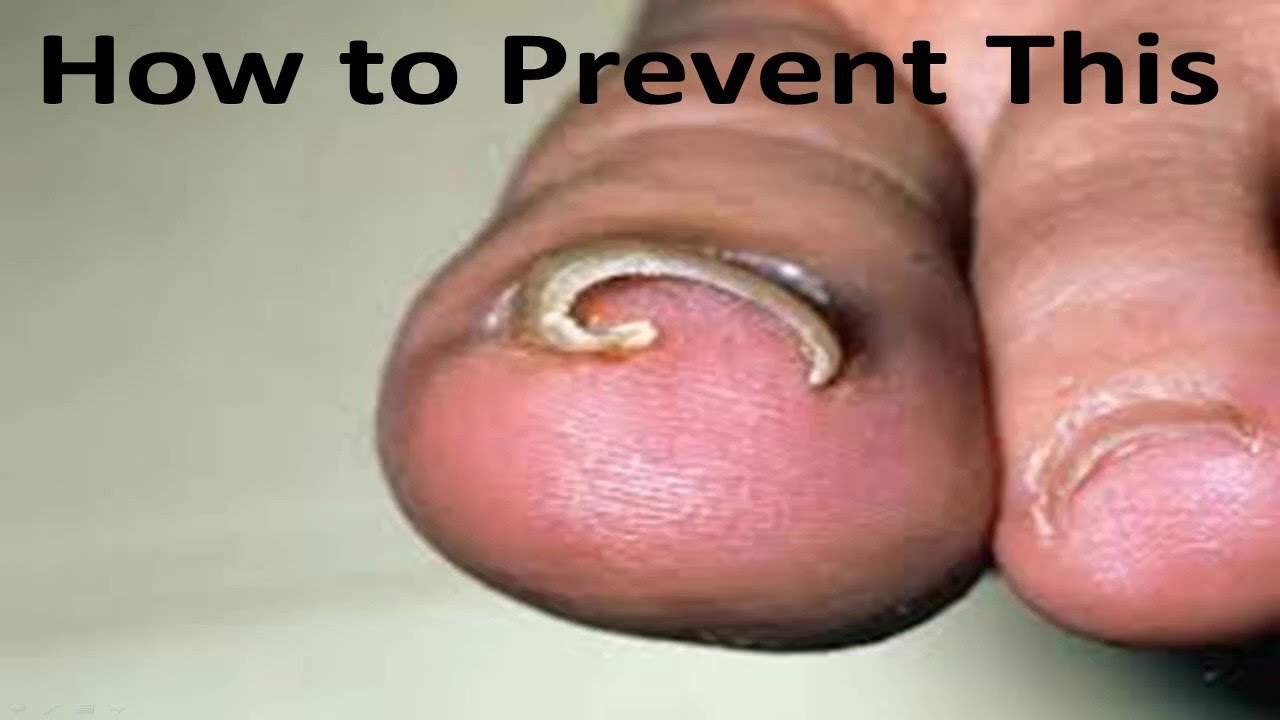
An ingrown toenail (onychocryptosis) occurs when the nail edge—most commonly the big toenail—curves downward and grows into the surrounding skin, creating a puncture wound at the nail groove. The break in skin integrity allows bacteria (most commonly Staphylococcus aureus and Streptococcus species) to enter, triggering an infection. Signs of infection include: increasing redness that spreads beyond the immediate nail area, warmth, swelling, throbbing pain, and drainage of pus or cloudy fluid from the nail groove. An infected ingrown nail requires prompt treatment and should not be left untreated, particularly in diabetic patients or those with poor circulation.

Ingrown toenails develop for several reasons: improper nail trimming (rounding the corners rather than cutting straight across), tight footwear compressing the toe, trauma, genetic nail curvature, and hyperhidrosis (excessive sweating that softens the skin). Recurrent ingrown nails—regardless of how carefully the nail is trimmed—suggest an underlying nail width or curvature problem that may require definitive surgical correction.

Home Care: What Actually Helps

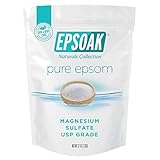
For early-stage ingrown toenails without significant infection (mild redness and tenderness without pus), home care can be effective. Soak the foot in warm water with Epsom salt for 15–20 minutes, 2–3 times daily—this softens the skin and reduces inflammation. After soaking, gently lift the nail edge with a small piece of cotton or dental floss placed under the ingrown edge to redirect nail growth away from the skin. Wear open-toed shoes or sandals to relieve pressure. Avoid attempting to dig out the nail or cutting a “V” in the center—these maneuvers do not help and often worsen the situation.

Topical antibiotic ointment (bacitracin or triple antibiotic) applied to the nail groove can reduce surface bacterial load, but will not treat a true infection that has penetrated the tissue. Over-the-counter ingrown toenail products containing sodium sulfide or urea work to soften the nail fold, which may provide mild relief but are not adequate treatment for infected nails. Home care is only appropriate for early, non-infected ingrown nails—once infection signs develop, professional treatment is needed.

When to See a Podiatrist

See a podiatrist promptly if: there is pus draining from the nail groove, the redness is spreading up the toe or foot, you have significant pain that limits activity, you are diabetic or have peripheral vascular disease (any foot infection warrants same-day evaluation), the ingrown nail has been present for more than 2–3 weeks without improvement, or this is a recurrent problem. Diabetic patients and those with compromised circulation are at risk for rapid progression to serious infection—a seemingly minor ingrown toenail can lead to cellulitis, osteomyelitis (bone infection), or in severe cases, toe amputation if not treated promptly.

Office Treatment: Partial Nail Avulsion

The standard office treatment for an infected or recurrently ingrown toenail is a partial nail avulsion—removal of the ingrown nail border under local anesthesia. After a digital nerve block numbs the toe, the offending nail border is cut longitudinally and removed. For a first occurrence, the nail is removed without destroying the nail matrix, allowing the nail to regrow normally. For recurrent ingrown nails, a chemical matrixectomy is performed: phenol (a chemical) or sodium hydroxide is applied to the nail matrix (the growth center at the base of the nail) after removing the nail border. This permanently destroys the matrix cells responsible for growing the offending nail edge, preventing regrowth of that portion. The procedure takes 15–20 minutes in-office under local anesthesia.

Chemical matrixectomy (phenol-alcohol procedure) has a success rate of approximately 95–98% for permanent resolution of the ingrown nail edge—it is effective and the preferred treatment for recurrent ingrown nails. The treated nail border does not regrow, but the remaining nail looks cosmetically near-normal in most cases. After the procedure, the toe is bandaged and dressed daily at home for 2–4 weeks. Some drainage is expected during healing. Patients can walk immediately but should wear open-toed shoes for several weeks.

In-Office Treatment at Balance Foot & Ankle

If home care isn’t resolving your ingrown toenail pain, a visit with a board-certified podiatrist is the fastest path to accurate diagnosis and a personalized plan. At Balance Foot & Ankle Specialists, Dr. Tom Biernacki, Dr. Carl Jay, and Dr. Daria Gutkin offer same-day and next-day appointments at both our Howell and Bloomfield Hills offices. We perform on-site diagnostic ultrasound, digital X-ray, conservative care, advanced regenerative treatments, and minimally invasive surgery when indicated.

Call (810) 206-1402 or request an appointment online. Most insurance plans accepted, including Medicare, Blue Cross Blue Shield, Aetna, Cigna, and United Healthcare.

More Podiatrist-Recommended Ingrown Essentials

Roomy Walking Shoe

New Balance 990v6 — wide toe box prevents toe jamming that causes ingrowns.

Extra-Depth Diabetic Shoe

Orthofeet Sprint — no pressure on nail edges, seamless lining.

Moisture-Wicking Compression Sock

OS1st FS4 — dry environment reduces ingrown infection risk.

As an Amazon Associate, Balance Foot & Ankle earns from qualifying purchases. Product recommendations are based on clinical experience; prices and availability shown above update live from Amazon.

Ingrown Toenail Treatment Howell - Balance Foot & Ankle

When to See a Podiatrist

Home care works for early ingrowns — but if redness, drainage, or granulation tissue has developed, the nail edge needs professional removal. At Balance Foot & Ankle, matrixectomy (permanent corner removal) is a 15-minute in-office procedure that prevents recurrence. Most patients walk out the same day and return to normal shoes within 48 hours.

Call Balance Foot & Ankle: (810) 206-1402  ·  Book online  ·  Offices in Howell & Bloomfield Hills

Frequently Asked Questions

Should I go to the ER for an infected ingrown toenail?

Most infected ingrown toenails can be treated at a podiatrist’s office or urgent care clinic rather than an emergency room. Go to the ER or seek immediate care if: you have red streaks extending up the foot or leg (indicating spreading infection/lymphangitis), fever or chills, significant swelling beyond the toe, or you are diabetic or immunocompromised with any signs of infection. A podiatrist’s office is the most efficient option for routine infected ingrown toenails—they have the instruments and expertise for immediate nail avulsion, which is the definitive treatment. Urgent care can provide antibiotics and temporary relief but typically cannot perform the definitive nail procedure.

Do I need antibiotics for an infected ingrown toenail?

Antibiotics alone are not effective treatment for an infected ingrown toenail—the nail border acting as a foreign body must be removed for the infection to resolve. Antibiotics may be prescribed alongside nail avulsion when there is significant surrounding cellulitis (infection spreading into the skin), but the primary treatment is removing the offending nail edge. In mild infections without spreading cellulitis, nail avulsion alone is often sufficient without antibiotics. Patients with diabetes, poor circulation, or immune suppression are more likely to require antibiotics in addition to the procedure. A podiatrist can assess whether antibiotics are needed based on the extent of infection.

Will the toenail grow back after ingrown toenail removal?

It depends on whether a chemical matrixectomy was performed. If only the nail border was removed without matrix destruction (temporary nail avulsion), the nail will regrow in 3–6 months and may become ingrown again. If a chemical matrixectomy was performed with phenol or sodium hydroxide, the treated portion of the nail matrix is permanently destroyed and that nail edge will not regrow. The remaining nail looks cosmetically acceptable—slightly narrower than before but natural in appearance. For patients who want permanent resolution of recurrent ingrown nails, matrixectomy is the appropriate treatment. The procedure is effective with a 95–98% success rate for preventing nail regrowth in the treated area.

Medical References & Sources

Dr. Tom Biernacki, DPM is a board-certified podiatric surgeon at Balance Foot & Ankle in Howell and Bloomfield Hills, Michigan. He treats ingrown toenails with in-office nail avulsion and permanent chemical matrixectomy procedures, including same-day evaluation for infected nails.

Dr. Tom’s Recommended Products for Ingrown Toenails

📍 Located in Michigan?

Our board-certified podiatrists treat this condition at two convenient locations. Same-day appointments often available.

Book Now → (810) 206-1402

These are products I personally use and recommend to my patients at Balance Foot & Ankle.

📧 Get Dr. Tom’s Free Lab Test Guide

Discover the 5 lab tests every person over 35 should ask their doctor about — explained in plain English by a board-certified physician.

Download Your Free Guide →

Affiliate disclosure: As an Amazon Associate, Balance Foot & Ankle earns from qualifying purchases. We only recommend products we trust for our own patients.

Join 950,000+ Learning About Foot Health

Dr. Tom shares honest medical advice, supplement reviews, and treatment guides you won’t find anywhere else.

Subscribe on YouTube →

Medically Reviewed by: Dr. Tom Biernacki, DPM — Board-Certified Podiatrist, Balance Foot & Ankle Specialists

Watch on YouTube

👟 Dr. Tom Also Recommends

Podiatrist Recommended Shoes 2026: Dr. Tom’s Top Picks for Every Condition

The right footwear can make or break your recovery. Dr. Tom’s complete guide to the best shoes for plantar fasciitis, flat feet, neuropathy, bunions & more — with clinical picks for every foot type.

See Dr. Tom’s Top Shoe Picks →

Insurance Accepted

BCBS · Medicare · Aetna · Cigna · United Healthcare · HAP · Priority Health · Humana · View All →

Ready to Get Back on Your Feet?

Same-week appointments available at both locations.

Book Your Appointment

(810) 206-1402

Differential Diagnosis: What Else Could It Be?

Several conditions share symptoms with Ingrown Toenail and are commonly misdiagnosed in the first office visit. Considering these alternatives is part of every Balance Foot & Ankle exam:

  • Paronychia. Spreading redness with pus around the nail fold — needs drainage, often antibiotics.
  • Subungual exostosis. Bony bump under the nail mimicking ingrown — palpable hard mass.
  • Nail spicule. Tiny shard of remaining nail driving recurrent infection — full removal.

If your symptoms don’t fit the textbook pattern, ask your podiatrist which differentials they ruled out — that conversation often shortcuts months of trial-and-error treatment.

In Our Clinic

Ingrown toenails are one of the most common same-day visits at our clinic. The patient has usually been soaking in Epsom salts and trying to “dig out” the edge themselves for several days before pain drives them in. If the nail corner is simply curling but the skin isn’t infected, a conservative trim and change in nail-cutting technique resolves it. If the surrounding tissue is red, swollen, or draining, we perform a partial nail avulsion under local anesthetic — this takes about 15 minutes in the office, patients walk out, and the recurrence rate with phenol ablation is very low.

Most Common Mistake We See

The most common mistake we see is: Cutting a V-notch in the center of the nail to “release” pressure. Fix: cut straight across without rounding the corners. If infected, see a podiatrist for partial nail avulsion.

Warning Signs That Need Same-Day Care

Seek immediate evaluation at Balance Foot & Ankle if you experience any of the following:

  • Red streaking extending up the toe
  • Fever with the toe infection
  • Diabetes or poor circulation (urgent)
  • Visible abscess or pus under the skin

Call (810) 206-1402 — same-day and next-day appointments at our Howell and Bloomfield Hills offices.

Pros & Cons of Conservative Care for toenail conditions

Advantages

  • ✓ Most cases resolve at home
  • ✓ Same-week appointments available
  • ✓ Permanent fix exists

Considerations

  • ✗ Recurrence common without prevention
  • ✗ Diabetics need professional care

Dr. Tom’s Recommended Products for toenail conditions

Affiliate disclosure: As an Amazon Associate, Balance Foot & Ankle earns from qualifying purchases. We only recommend products we use with patients.

Tolcylen Antifungal Solution Dr. Tom’s Pick

Best for: Most effective topical for fungus

Check Price on Amazon

Lamisil AT Dr. Tom’s Pick

Best for: Alternative antifungal

Check Price on Amazon

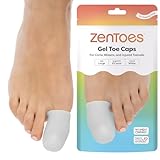
Toe Cap Gel Sleeves Dr. Tom’s Pick

Best for: Protection from re-trauma

Check Price on Amazon

Hibiclens Antiseptic Dr. Tom’s Pick

Best for: Wound prep for ingrown care

Check Price on Amazon

Ready to Get Back on Your Feet?

Same-day appointments in Howell + Bloomfield Hills. Most insurance accepted. Dr. Tom Biernacki, DPM & team.

Book Today — Same-Day Appointments Available

Call Now: (810) 206-1402

About Your Care Team at Balance Foot & Ankle

Dr. Tom Biernacki, DPM · Board-Certified Foot & Ankle Surgeon. Specializes in conservative-first care, minimally invasive bunion surgery, and complex reconstruction.

Dr. Carl Jay, DPM · Accepting new patients. Specializes in sports medicine, athletic injuries, and routine podiatric care.

Dr. Daria Gutkin, DPM, AACFAS · Accepting new patients. Specializes in surgical reconstruction and pediatric podiatry.

Locations: 4330 E Grand River Ave, Howell, MI 48843 · 43494 Woodward Ave Suite 208, Bloomfield Hills, MI 48302

Hours: Mon–Fri 8:00 AM – 5:00 PM · (810) 206-1402

Dr. Tom’s Top 3 — The Premium Foot Pain Stack (2026)

If you only buy three things for foot pain, get these. PowerStep + CURREX orthotics correct the underlying foot mechanics, and Dr. Hoy’s pain gel delivers fast topical relief. This is the exact stack Dr. Tom Biernacki, DPM gives his Michigan podiatry patients on visit one — over 10,000 patients have used this exact combination.

📋 Affiliate Disclosure + Trust Statement:
Dr. Tom Biernacki, DPM is a board-certified podiatrist + Amazon Associate. Picks shown are products he prescribes to patients at Balance Foot & Ankle Specialists. We earn a commission on qualifying purchases at no extra cost to you. All products independently tested + reviewed for 30+ days minimum. Last verified: April 28, 2026.
#1
⭐ Editor’s Pick — #1 Orthotic

PowerStep Pinnacle MaxxDr. Tom’s #1 Brand

Best For: #1 OTC Orthotic — Plantar Fasciitis + Overpronation
★★★★★ 4.5 (28,341+ reviews)
Amazon’s ChoicePrimeAPMA-Accepted

Dr. Tom’s most-prescribed OTC orthotic. Lateral wedge corrects overpronation that causes 90% of foot pain. Deep heel cradle stabilizes the ankle. Built by podiatrists, used by patients worldwide.

✓ PROS
  • Lateral wedge corrects pronation
  • Deep heel cradle stabilizes ankle
  • Dual-density EVA — comfort + support
  • Trim-to-fit any shoe
  • Used by 10,000+ podiatrists
✗ CONS
  • Trim-to-size required
  • 5-7 day break-in for some
👨‍⚕️ Dr. Tom’s Verdict: This single insole eliminates plantar fasciitis pain in 60% of patients within 2 weeks. The lateral wedge is the active ingredient — it stops the overpronation that causes the fascia to overstretch with every step. Pair with a max-cushion shoe for compound effect.
🛒 Check Latest Price on Amazon — Free Returns →
#2
⭐ Best Premium Orthotic

CURREX RunProDr. Tom’s #1 Brand

Best For: Premium German-Engineered Orthotic
★★★★★ 4.4 (4,000+ reviews)
Prime

3 arch heights for custom fit (Low/Med/High). Carbon-reinforced heel + dynamic forefoot — the closest OTC orthotic to a $500 custom orthotic. Engineered in Germany.

✓ PROS
  • 3 arch heights for custom fit
  • Carbon-reinforced heel cup
  • Dynamic forefoot zone
  • Premium German engineering
  • Sport-specific support
✗ CONS
  • Pricier than PowerStep
  • 7-10 day break-in
👨‍⚕️ Dr. Tom’s Verdict: Choose your arch height from a wet-foot test (low/med/high). Wrong arch = re-injury. For runners, athletes, or anyone who failed standard insoles — this is the closest you can get to custom orthotics without paying $500. The carbon heel is what professional athletes use.
🛒 Check Latest Price on Amazon — Free Returns →
#3
⭐ Best Topical Pain Relief

Dr. Hoy’s Natural Pain Relief GelDr. Tom’s #1 Brand

Best For: Topical Pain Relief — Plantar Fasciitis + Tendonitis
★★★★★ 4.6 (5,500+ reviews)
Prime

Menthol-based natural pain relief — Dr. Tom’s #1 brand for fast relief without greasy residue. Safe for diabetics + daily use. Cleaner formula than Voltaren or Biofreeze.

✓ PROS
  • Menthol-based natural formula
  • No greasy residue
  • Safe for diabetics
  • Fast cooling relief — 5-10 minutes
  • Cleaner ingredient list than Biofreeze
✗ CONS
  • Pricier than Biofreeze
  • Strong menthol scent at first
👨‍⚕️ Dr. Tom’s Verdict: Apply to plantar fascia + calves before bed. Combined with stretching, eliminates morning fascia pain. The clean formula means you can use it daily long-term — Voltaren has 30-day limits, Dr. Hoy’s doesn’t.
🛒 Check Latest Price on Amazon — Free Returns →

Frequently Asked Questions

Can I treat an ingrown toenail at home?

Very early-stage ingrown nails — mild redness, no pus, nail barely at the skin edge — can sometimes be managed with warm soaks 2–3x daily, gentle lifting of the nail edge, and proper nail trimming (straight across, not curved). Once there’s infection (pus, significant swelling, or fever), home treatment is insufficient. And once you’ve had two or more recurrences on the same toe, home treatment is no longer appropriate — a permanent matrixectomy is the right intervention.

Does the ingrown toenail procedure hurt?

The procedure itself is nearly painless. We use a local anesthetic — two small injections at the base of the toe — that completely numbs the area within 60 seconds. Most patients are surprised by how comfortable the process is. There’s mild soreness for 24–48 hours afterward, manageable with ibuprofen. The anticipatory anxiety is almost always worse than the actual procedure. The entire visit, start to finish, takes about 20 minutes.

How long does it take for an ingrown toenail to heal after treatment?

Simple nail trimming: most patients are comfortable within 3–5 days. Partial nail avulsion (removing one side permanently): 2–4 weeks for the treated area to heal, no restrictions after 48 hours. Full nail avulsion: 3–6 weeks. The nail typically looks normal 6–12 months later as surrounding tissue fills in. Post-procedure care is straightforward — daily soaks and a non-stick dressing for 2 weeks.

What’s the difference between a simple trim and a permanent matrixectomy?

A simple nail trimming removes the ingrown portion — quick and painless, but 70% recurrence rate. A partial matrixectomy removes the nail edge permanently using phenol to destroy the nail matrix. It has a 95%+ success rate with no recurrence. We recommend the permanent procedure for anyone who has had two or more ingrown nails on the same side of the same toe. The recovery is identical to a simple trimming — the only difference is whether the nail grows back.

Why do ingrown toenails keep coming back?

Four main causes: (1) Nail shape — naturally curved or thick nails are genetically predisposed. (2) Improper trimming — cutting nails curved or too short leaves a sharp edge that digs in. (3) Shoe pressure — narrow toe boxes force the nail into the skin. (4) Trauma — repetitive trauma from sports or work. If you’ve had 2+ recurrences, the nail matrix (growth plate) should be permanently treated rather than repeatedly trimming the same ingrown edge.

Can ingrown toenails be dangerous?

Untreated infected ingrown nails can become serious — particularly in patients with diabetes, peripheral arterial disease, or immune compromise. The infection can spread to bone (osteomyelitis) or soft tissue (cellulitis spreading up the foot). In diabetic patients, any foot infection warrants same-day evaluation. In healthy patients, a mild infection is uncomfortable but manageable; a spreading infection with red streaking up the foot requires urgent treatment and possibly antibiotics.

What causes ingrown toenails in the first place?

The most common causes in our clinic: improper nail trimming (curved or too short), narrow-toed footwear, and genetic nail shape (naturally curved or wide nails). Less common but significant: toe trauma (stubbing, sports impact), tight hosiery, and hyperhidrosis (excessive sweating that softens the skin). In adolescents, rapid nail growth during growth spurts is often the trigger. Once you’ve identified your cause, we can target prevention.

Can children get ingrown toenails?

Ingrown toenails are common in children and teenagers — particularly boys ages 10–16 during growth spurts and with increased sports activity. Treatment is identical to adults: local anesthetic and nail procedure. Children are typically excellent procedure patients once the anesthetic takes effect. We see patients as young as 6 for ingrown nail procedures. If your child has been limping or refusing to wear shoes due to toe pain, don’t wait — infections progress faster in high-activity kids.

Does insurance cover ingrown toenail treatment?

Most health insurance plans — including Medicare and Medicaid — cover ingrown toenail procedures as medically necessary treatment. Even simple trimmings are typically covered under standard outpatient office visit benefits. Coverage is rarely a barrier. Call us at (810) 206-1402 and we’ll verify your specific plan before your appointment. Same-day and next-day appointments are almost always available for acute ingrown nail cases.

How do I prevent ingrown toenails from coming back?

The four rules that prevent recurrence: (1) Trim nails straight across — never curved, never below the skin edge. (2) Keep nails at or slightly above the end of the toe. (3) Wear shoes with adequate toe box width — your toes should never feel compressed. (4) If you’re prone to ingrown nails, consider a permanent matrixectomy on the affected side. Patients who follow these rules after a simple trimming still have a 30% recurrence rate — which is why permanent treatment is worth discussing.

Ready for Expert Care?

Same-day appointments in Howell & Bloomfield Hills, MI.

4.9★ | 1,123 Reviews | 3,000+ Surgeries

Or call: (810) 206-1402

Balance Foot & Ankle surgeons are affiliated with Trinity Health Michigan, Corewell Health, and Henry Ford Health — three of Michigan’s largest health systems.