
Medically reviewed by Dr. Tom Biernacki, DPM
Board-certified podiatric surgeon | Balance Foot & Ankle, Howell & Bloomfield Township, MI
Last reviewed: May 2026

Quick answer: Inside Ankle Pain 2 has multiple potential causes including mechanical, neurological, vascular, and inflammatory. The most common causes we identify are overuse, ill-fitting shoes, and biomechanical imbalance. Red flags requiring urgent evaluation: warmth/redness (infection), inability to bear weight (fracture), and unilateral swelling without injury (DVT). Call (810) 206-1402.
Pain on the inside of the ankle — the medial side — is one of the most overlooked areas in foot and ankle medicine. While lateral (outer) ankle sprains dominate the conversation, medial ankle pain is often more serious, more persistent, and more likely to lead to long-term disability if left untreated. In our clinic, we see posterior tibial tendon injuries mismanaged for months because patients assumed the pain would resolve on its own.
The key to recovery is early, accurate diagnosis. The inner ankle houses the posterior tibial tendon, deltoid ligament complex, tibial nerve, and several major blood vessels — each capable of producing pain that looks nearly identical on initial presentation but requires a completely different treatment approach.
The most important clinical decision with Inside Ankle Pain 2 isn’t which treatment to start with — it’s identifying the correct subtype. That changes everything. Call (810) 206-1402.
Anatomy of the Inner Ankle
The medial (inner) ankle is bounded by the medial malleolus — the bony prominence on the inside of your ankle. Behind and below it runs the posterior tibial tendon, the most important dynamic stabilizer of the arch. The deltoid ligament fans out from the medial malleolus to connect to the talus, calcaneus, and navicular — it is the primary static restraint against outward rolling of the ankle. The tarsal tunnel is a canal just behind the medial malleolus through which the posterior tibial nerve travels, providing sensation to the sole of the foot. Damage or dysfunction to any of these structures produces medial ankle pain.
Posterior Tibial Tendon Dysfunction (PTTD) — Most Common Cause
PTTD is the most common cause of adult-acquired flatfoot and the most frequently missed cause of chronic inside ankle pain. The posterior tibial tendon runs from the calf muscle, behind the medial malleolus, and inserts into the navicular and plantar bones. Its job is to invert the foot, support the arch during stance, and push off during gait. When it degenerates, becomes inflamed, or tears, the arch collapses progressively — producing medial ankle pain, swelling, and a noticeable flattening of the foot.
Stage classification: PTTD progresses through four stages. Stage I — tendon inflammation without deformity. Stage II — tendon tear with flexible flatfoot (the foot can still be passively corrected). Stage III — rigid flatfoot. Stage IV — ankle joint involvement. Stage I–II is managed conservatively; Stage III–IV often requires surgical reconstruction. Getting diagnosed and treated in Stage I or II makes all the difference — it is the most important reason to see a podiatrist at the first sign of medial ankle pain rather than waiting.
Classic presentation: Insidious onset of medial ankle pain and swelling. The “single heel rise test” is the clinical gold standard — inability to rise onto the toes of the affected foot alone. The navicular (the prominent bony point midway along the inner arch) becomes tender. Pain is worst going down stairs or inclines.
Deltoid Ligament Sprain
The deltoid ligament is a wide, fan-shaped structure that stabilizes the medial ankle. It is significantly stronger than the lateral ligaments — which is why medial ankle sprains are far less common than lateral sprains but far more serious when they do occur. A high-force mechanism is usually required: forced eversion (ankle rolling outward) or a severe pronation injury. Isolated deltoid ligament injuries are often associated with fibular fractures (Maisonneuve fracture) and must be evaluated with full-length leg X-rays to rule out this combination.
Clinical signs: Immediate swelling below and behind the medial malleolus, significant instability with eversion stress testing, and difficulty bearing weight. Deltoid ligament sprains heal over 6–12 weeks with protected weight-bearing and physical therapy; severe tears may require surgical repair.
Tarsal Tunnel Syndrome
The tarsal tunnel is a narrow passageway behind the medial malleolus formed by the flexor retinaculum (a thick fibrous band) and the underlying bones. The posterior tibial nerve passes through this tunnel and divides into the medial plantar, lateral plantar, and calcaneal nerves to supply the bottom of the foot. When the nerve is compressed — from swelling after a sprain, a cyst or ganglion, overpronation that collapses the tunnel space, or space-occupying lesions — patients experience burning, tingling, or electric-shock pain along the medial ankle and sole.
Key distinction: Tarsal tunnel pain often includes numbness and tingling radiating into the toes or heel, and is frequently worst at night or after prolonged standing. A positive Tinel’s sign (tapping behind the medial malleolus reproduces the symptoms) is highly suggestive. Nerve conduction studies confirm the diagnosis and localize the level of compression.
Medial Malleolus Stress Fracture
A stress fracture of the medial malleolus is uncommon but frequently missed. Runners and military recruits who rapidly increase training volume are at highest risk. Pain localizes directly over the bony tip of the medial malleolus — tender to direct palpation and worsened by running or jumping. Early X-rays are often normal; MRI or CT scan is required for diagnosis. Medial malleolus stress fractures carry a significant risk of complete fracture if activity continues, making prompt diagnosis critical.
Other Causes of Inside Ankle Pain
Several additional conditions produce medial ankle symptoms: Accessory navicular syndrome — a congenital extra bone adjacent to the navicular creates a painful fibrous attachment point for the posterior tibial tendon, common in adolescents and adults with flat feet. Flexor hallucis longus tenosynovitis — overuse inflammation of the tendon that flexes the big toe, running behind the medial malleolus, common in dancers and long-distance runners. Tibialis posterior tenosynovitis — early-stage tendon inflammation before structural damage occurs. Medial ankle impingement — scar tissue or osteophytes in the medial gutter produce pain with forced plantarflexion, common after ankle sprains.
How We Diagnose Inside Ankle Pain
Accurate diagnosis requires a structured physical examination: palpation mapping along the entire course of the posterior tibial tendon, deltoid ligament stress testing, Tinel’s sign testing for tarsal tunnel, and the single heel rise test for PTTD. Weight-bearing X-rays assess alignment changes associated with flatfoot deformity and rule out bony injury. Diagnostic ultrasound provides real-time visualization of the posterior tibial tendon — we can identify tears, thickening, and fluid around the tendon during the office visit. MRI is reserved for surgical planning or when the ultrasound findings are inconclusive.
Treatment Options for Inside Ankle Pain
Conservative Treatment — Stage I PTTD and Tendon Inflammation
For tendon inflammation and early dysfunction, a combination of immobilization, arch support, and compression is the foundation. We consistently recommend DASS Medical Compression Socks 20-30mmHg for patients with medial ankle swelling and early PTTD — the graduated compression reduces edema, supports venous return, and provides the medial ankle proprioceptive input that braces cannot. A medially posted orthotic or arch support (PowerStep Pinnacle) redirects load away from the degenerating tendon. In acute flares, a walking boot for 4–6 weeks allows the tendon to quiet down before rehabilitation begins.
Physical Therapy and Tendon Rehabilitation
Eccentric calf strengthening is the cornerstone of PTTD rehabilitation — progressive loading of the tendon under controlled conditions promotes collagen remodeling and restores tensile strength. Single-leg heel raises on an incline, tibialis posterior resisted inversion exercises, and balance training on unstable surfaces form the core program. Most patients with Stage I–II PTTD achieve significant improvement within 12–16 weeks of supervised physical therapy combined with orthotic support.
Topical and Injection Therapy
For acute flares and persistent tendon pain, Doctor Hoy’s Natural Pain Relief Gel applied directly over the medial ankle provides targeted arnica and camphor anti-inflammatory action without systemic NSAID risks. In-office options include PRP (platelet-rich plasma) injections into the tendon sheath — we use ultrasound guidance to ensure precise placement — which stimulates healing in degenerative tendons. Corticosteroid injections around the posterior tibial tendon are used very cautiously, as they carry a risk of tendon rupture with repeated use.
Surgical Options
Stage II PTTD that fails 6 months of comprehensive conservative management, and all Stage III–IV cases, require surgical reconstruction. The gold standard is a flexor digitorum longus (FDL) tendon transfer combined with a medial displacement calcaneal osteotomy (bone cut to realign the heel). Stage IV cases involving the ankle joint require triple arthrodesis or total ankle replacement. Early surgical intervention in Stage II PTTD produces significantly better outcomes than waiting for progression to a rigid flatfoot deformity.
The Most Common Mistake We See
The most common mistake we see is treating medial ankle pain as a “mild ankle sprain” with RICE (rest, ice, compression, elevation) and returning to activity in 1–2 weeks. Lateral sprains often do recover with this approach, but posterior tibial tendon injuries deteriorate significantly if not immobilized and rehabilitated properly in the early stages. Patients who spend 3–6 months “walking it off” frequently present to us in Stage II or early Stage III PTTD — requiring surgical reconstruction that could have been avoided with a walking boot and orthotics in Stage I. If the pain is on the inside of the ankle, do not assume it is just a sprain.
In-Office Treatment at Balance Foot & Ankle
At Balance Foot & Ankle, we offer same-day diagnostic ultrasound for posterior tibial tendon assessment, in-office PRP injections with ultrasound guidance, custom orthotics, and surgical reconstruction when needed — across both our Howell, MI and Bloomfield Township, MI locations. Do not let inside ankle pain progress past Stage I.
Book a same-day appointment or call (810) 206-1402.
Frequently Asked Questions
What is the most common cause of inside ankle pain?
Posterior tibial tendon dysfunction (PTTD) is the most common cause of chronic inside ankle pain, particularly in adults over 40. In younger, more active patients, acute deltoid ligament sprains are the most frequent cause. In runners, posterior tibial tendinitis (early PTTD without structural deformity) and medial malleolus stress fractures should both be considered. Tarsal tunnel syndrome can affect any age group and produces burning or tingling rather than the localized ache typical of tendon or ligament injuries.
How long does inside ankle pain take to heal?
Healing time depends heavily on the cause. A mild deltoid ligament sprain improves in 4–6 weeks with RICE and gradual rehabilitation. Posterior tibial tendinitis (Stage I PTTD) typically responds to conservative treatment within 6–12 weeks. Stage II PTTD requiring tendon reconstruction has a surgical recovery of 3–6 months. Tarsal tunnel syndrome that responds to conservative management (orthotics, compression, activity modification) usually improves within 3–4 months; surgical decompression adds another 3 months of recovery. The critical variable is how early treatment begins.
Can I walk on inside ankle pain?
Mild medial ankle pain that does not worsen with walking and has no associated swelling can generally be walked on with arch support and compression. However, if the pain is progressively worsening, if you have noticeable swelling, or if you are unable to perform a single-leg heel rise, you should significantly reduce walking and see a podiatrist. Continuing to load a tearing posterior tibial tendon accelerates progression from a reversible (Stage I–II) to an irreversible (Stage III) deformity. When in doubt, rest and get evaluated first.
When should I see a podiatrist for inside ankle pain?
See a podiatrist if: the pain has persisted beyond 2 weeks despite rest and compression, you have significant swelling or bruising after an injury, you are developing a flat arch in the affected foot, or you have burning or tingling radiating into the foot. Prompt evaluation allows Stage I PTTD to be caught and reversed before structural changes occur. Waiting until the deformity is visible means the window for conservative treatment has already closed.
Does insurance cover inside ankle pain treatment?
Yes — office visits, diagnostic ultrasound, physical therapy, and conservative treatments like orthotics and bracing are covered by most major insurance plans, including Medicare, for medically documented conditions such as PTTD and deltoid ligament injuries. PRP injections are typically out-of-pocket. Surgical reconstruction is covered with appropriate documentation. Our team verifies your specific coverage before any procedure.
The Bottom Line
Inside ankle pain should never be dismissed as a minor sprain. The posterior tibial tendon is the keystone of the foot arch, and once it progresses past Stage II dysfunction, surgical reconstruction becomes the only reliable solution. Early diagnosis — ideally while the tendon is still intact and the arch is flexible — opens a window for conservative management that produces excellent long-term outcomes. If you have medial ankle pain, tenderness behind the inner ankle bump, or notice your arch flattening on one side, get evaluated before the window closes.
Sources
- Kohls-Gatzoulis J, et al. Tibialis posterior dysfunction: a common and treatable cause of adult acquired flatfoot. BMJ. 2004;329(7478):1328–1333.
- Raikin SM, et al. Reconstruction of Stage II posterior tibial tendon dysfunction. Foot Ankle Clin. 2012;17(2):249–282.
- Ahmad M, Tsang K, Mackenney PJ, Adedapo AO. Tarsal tunnel syndrome: a literature review. Foot Ankle Surg. 2012;18(3):149–152.
- Hintermann B. Medial ankle instability. Foot Ankle Clin. 2003;8(4):723–738.
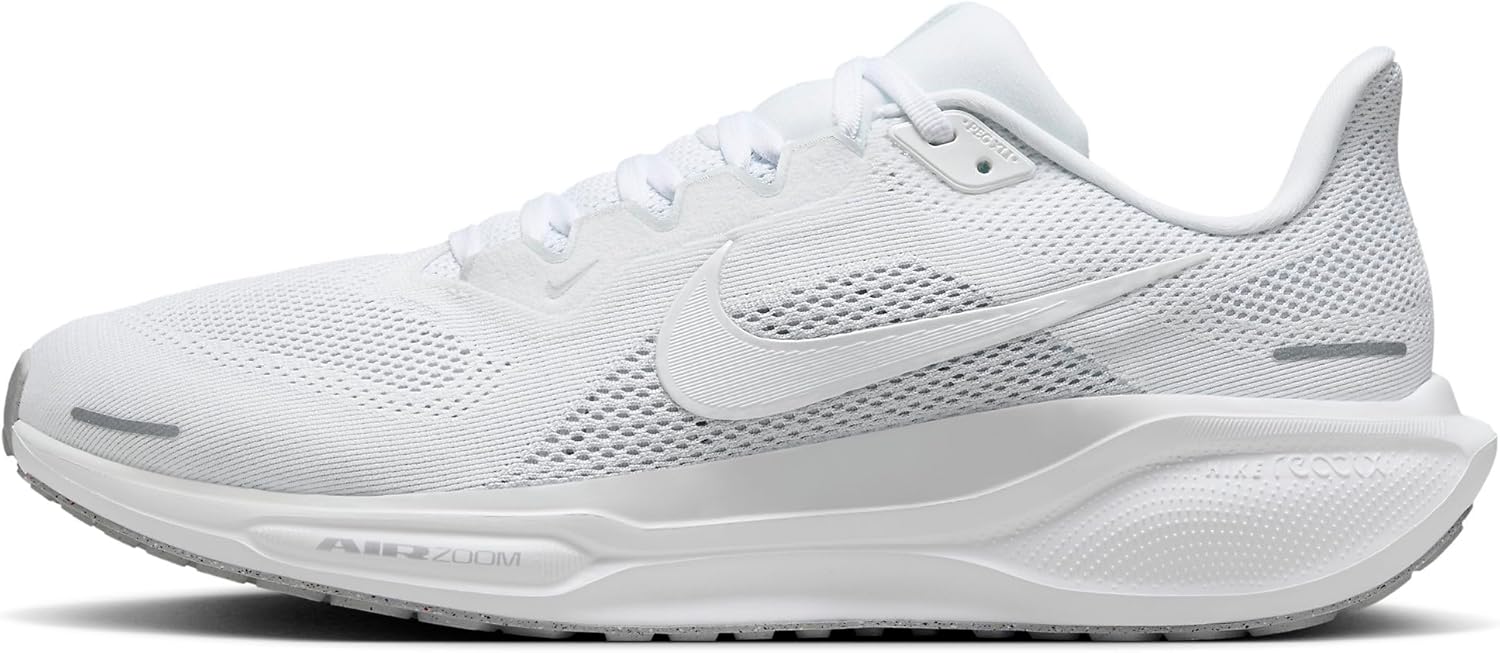
When Shoes Aren’t Enough — Dr. Tom’s Top 9 Orthotics
About 30% of patients I see for foot pain need MORE than a great shoe — they need a structured insole. Below: my complete 2026 orthotic ranking with pros, cons, and the specific patient I’d give each one to.




Frequently Asked Questions
When should I see a doctor?
See a podiatrist if pain persists past 2 weeks, prevents normal activity, or is accompanied by red-flag symptoms (warmth, swelling, numbness, inability to bear weight).
Can I treat this at home?
Mild cases respond to RICE protocol (rest, ice, compression, elevation), supportive shoes, and OTC anti-inflammatories. Persistent symptoms need professional evaluation.
How long does it take to heal?
Most soft tissue injuries resolve in 2-6 weeks with appropriate care. Bone injuries take 6-12 weeks. Chronic conditions need longer-term management.

Dr. Tom Biernacki, DPM is a board-certified foot & ankle surgeon (ABFAS & ABPM) at Balance Foot & Ankle Specialists in Southeast Michigan. With over a decade of clinical experience, he specializes in heel pain, bunions, diabetic foot care, sports injuries, and minimally invasive surgery. Dr. Biernacki is a member of the APMA and ACFAS, and his patient education content on MichiganFootDoctors.com and YouTube has made him one of the most-followed foot & ankle educators on YouTube.