
Medically reviewed by Dr. Tom Biernacki, DPM
Board-certified podiatric surgeon | Balance Foot & Ankle, Howell & Bloomfield Hills, MI
Last reviewed: May 2026
Balance Foot & Ankle offers same-day appointments for urgent foot and ankle conditions across Southeast Michigan — but the most important factor in outcomes isn’t getting seen quickly. Our podiatrists explain what to do in the first 24-48 hours before your appointment that most patients skip entirely. Call (810) 206-1402 — expert podiatric care across Michigan.

| Fracture Type | Zone | Location | Mechanism | Blood Supply | Treatment |
|---|---|---|---|---|---|
| Tuberosity Avulsion Fracture | Zone 1 | Base of 5th MT tuberosity (peroneus brevis / plantar fascia pull-off) | Inversion ankle sprain; acute avulsion | Excellent vascular supply | Conservative — walking boot 4–6 weeks; 95%+ healing; rarely surgery |
| Jones Fracture (True) | Zone 2 | Proximal metaphyseal-diaphyseal junction; distal to 4th-5th intermetatarsal articulation | Acute or stress; forced plantarflexion + inversion; lateral loading | Watershed zone — poor blood supply; high nonunion risk | NWB boot 6–8 weeks (conservative); IM screw fixation for athletes / active patients |
| Diaphyseal Stress Fracture | Zone 3 | Proximal diaphysis; distal to Jones zone | Repetitive stress; overuse; no acute event | Poor; highest nonunion risk | IM screw fixation for most active patients; high nonunion with conservative treatment alone |
| Dancer’s Fracture | Mid-shaft | 5th MT mid-diaphysis; spiral or oblique pattern | Twisting injury; landing from jump | Normal mid-shaft supply | Conservative — boot 4–6 weeks; good healing; surgery only if displaced >3 mm or angulated |
| Treatment | Indication | Protocol | Healing Rate | Return to Sport |
|---|---|---|---|---|
| NWB Cast / Boot (Conservative) | Zone 2 Jones fracture in non-athletic / low-demand patients; Zone 1 avulsion; Dancer’s fracture | NWB short leg cast or CAM boot 6–8 weeks; serial X-rays to confirm healing; gradual WB after bridging callus | Zone 2 non-athlete: 80–85% union at 8–12 weeks; Zone 3: lower (40–60%) | 3–4 months (conservative) |
| Intramedullary Screw Fixation | Zone 2 Jones fracture in athletes / active patients; Zone 3 stress fracture; any nonunion; acute Jones in high-demand patient | 4.5–5.5 mm solid or cannulated intramedullary screw via stab incision; compression across fracture site | 90–95% union with rigid screw fixation | 6–8 weeks to full sport; 4× faster than conservative for athletes |
| Bone Grafting (Nonunion Repair) | Established nonunion (>12 weeks no progression); failed conservative; failed prior screw | Curettage of fibrous nonunion tissue; cancellous bone graft (iliac crest or local); revised IM screw fixation | 85–90% union after revision with bone graft | 4–6 months from revision surgery |
| Vitamin D / Metabolic Optimization | All Jones fractures — adjunct; especially recurrent or bilateral stress fractures | Check serum 25-OH vitamin D; supplement if <40 ng/mL; check calcium intake; assess biomechanics | Improves healing biology; reduces recurrent stress fracture risk | Adjunct to primary treatment; ongoing |
![Metatarsalgia Treatment [BEST Ball of Foot Pain RELIEF 2024]](https://www.michiganfootdoctors.com/wp-content/cache/flying-press/d7857672675f2bf191a8e896b2f7208b.jpg)
Watch: Metatarsalgia Treatment [BEST Ball of Foot Pain RELIEF 2024] — MichiganFootDoctors YouTube
Foot pain isn't resolving?
Same-week appointments at Howell & Bloomfield Hills
Medically Reviewed | Dr. Tom Biernacki, DPM | Board-Certified Podiatric Surgeon | Balance Foot & Ankle, Michigan
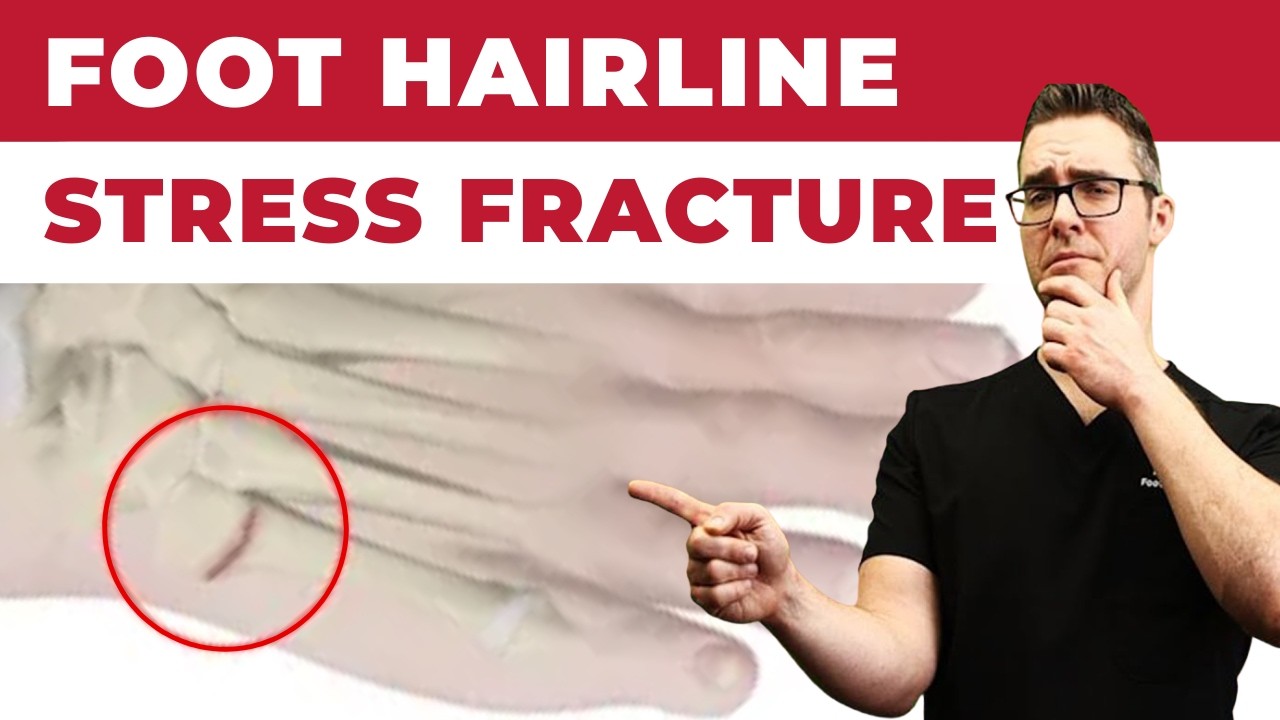

Not all 5th metatarsal fractures are equal — and the distinction between a benign avulsion fracture and a true Jones fracture can mean the difference between a walking boot and an operation. At Balance Foot & Ankle PLLC, Dr. Tom Biernacki uses precise radiographic analysis and clinical assessment to classify each fracture correctly and choose the right treatment pathway to achieve reliable union and full return to activity.
The Three Zones of 5th Metatarsal Fractures
Zone 1 (Avulsion Fracture / “Dancer’s Fracture”): The most common 5th metatarsal fracture — an avulsion at the tuberosity from peroneus brevis or lateral band of plantar fascia traction. Generally heals reliably with 4–6 weeks in a walking boot or hard-soled shoe. Non-union is rare. This is NOT a Jones fracture.
Zone 2 (True Jones Fracture): Fracture at the metaphyseal-diaphyseal junction, extending into the intermetatarsal articulation. This zone has a watershed blood supply — the nutrient artery enters the diaphysis but doesn’t supply the metaphyseal-diaphyseal junction well. Non-union rates without surgery can reach 25–50%. The Jones fracture requires careful treatment planning.
Zone 3 (Diaphyseal Stress Fracture): Occurs in the proximal diaphysis, typically in athletes with high repetitive loading. High refracture and non-union risk. In competitive athletes, surgery is almost universally recommended. These fractures can be subtle on initial X-ray, requiring MRI or CT for diagnosis.
Why Jones Fractures Have High Non-Union Risk
The metaphyseal-diaphyseal junction of the 5th metatarsal sits in a vascular watershed zone — distal enough that the nutrient artery’s supply is tenuous, yet proximal enough that periosteal vessels don’t provide robust healing. This anatomical reality, combined with the mechanical stress of weight-bearing on the lateral column, predisposes Zone 2 fractures to delayed union and non-union, particularly in athletes and those who continue loading the foot.
Diagnosis: Getting the Classification Right
Weight-bearing X-rays in anteroposterior, lateral, and oblique views are essential. Zone classification requires careful measurement of fracture line position relative to the 4th–5th intermetatarsal articulation. When the fracture line extends into or proximal to this articulation, it is a true Jones fracture. MRI is used for stress reactions (pre-fracture bone marrow edema in Zone 2/3) and when initial X-rays are equivocal. CT scan evaluates fracture gap, comminution, and screw trajectory planning.
Treatment: Conservative vs. Surgical
Zone 1 Conservative: Walking boot or hard-soled shoe 4–6 weeks. Weight-bearing as tolerated from day one. Excellent prognosis. Surgery only for large displaced fragments or symptomatic non-union (rare).
Zone 2 Acute Jones Fracture — Active Patients: Intramedullary cannulated screw fixation is strongly recommended for athletes, active adults, and anyone wanting reliable, rapid healing. A 4.5–6.5mm solid or cannulated screw is inserted through the tip of the tuberosity, crossing the fracture site under fluoroscopic guidance. Non-weight-bearing 2 weeks, protected weight-bearing 4 weeks, return to sport 10–14 weeks with CT-confirmed healing.
Zone 2 — Low-Demand Patients: Non-weight-bearing cast immobilization for 6–8 weeks is an option, but union rates are lower (50–75%) and healing takes 3–4 months. Patients must understand the non-union risk and the potential need for delayed surgery.
Zone 3 Stress Fractures: Intramedullary screw fixation plus bone grafting (if sclerotic margins indicate chronic non-union) is standard. Athletes return to full training at 16–20 weeks post-operatively.
Return to Sport After Jones Fracture Surgery
CT scan at 10–12 weeks confirms cortical bridging across the fracture site — the prerequisite for progressive loading. Physical therapy focuses on proprioception, peroneal strengthening, and sport-specific retraining. High-top footwear and lateral ankle bracing during the initial return phase protect against inversion injury that could displace a healing fracture site.
Dr. Tom's Product Recommendations
5th Metatarsal Fracture Walking Boot
⭐ Highly Rated
Medical-grade walking boot for Zone 1 avulsion fractures and post-operative Jones fracture recovery. Rigid rocker sole offloads the lateral column.
Dr. Tom says: “Used this boot for my Zone 1 fracture — comfortable and stable enough to get around at work.”
Zone 1 avulsion fractures and post-op Jones fracture recovery
Acute Jones fractures requiring strict non-weight-bearing
Disclosure: We earn a commission at no extra cost to you.
Lateral Column Offloading Padding
⭐ Highly Rated
Adhesive foam padding to offload the 5th metatarsal base during Zone 1 fracture healing in hard-soled shoes. U-shaped design protects the tuberosity.
Dr. Tom says: “This padding made a big difference in comfort once I transitioned out of the boot.”
Zone 1 fracture transition out of boot
Not for active Jones fractures — use a boot
Disclosure: We earn a commission at no extra cost to you.
✅ Pros / Benefits
- Accurate zone classification prevents under-treating high-risk Jones fractures
- Intramedullary screw fixation achieves 90–95% union with rapid return to activity
- Zone 1 avulsion fractures heal reliably without surgery in most patients
❌ Cons / Risks
- Zone 2–3 fractures treated conservatively have non-union rates up to 50% without surgery
- Surgical fixation requires 10–14 weeks before return to full athletic activity
- Stress fractures in Zone 3 may require bone grafting if sclerotic margins are present
Dr. Tom Biernacki’s Recommendation
The Jones fracture is one of those injuries where getting the zone classification right on day one changes everything. I’ve had patients come to me after 12 weeks in a cast from another provider — still not healed, now needing a bone graft on top of the screw. For active patients with a true Zone 2 fracture, I have a direct conversation: surgery now means you’re back to sport in 3 months with high confidence; conservative care means gambling on union for 4+ months with a real chance of non-union. Most athletes choose the screw.
— Dr. Tom Biernacki, DPM | Board-Certified Podiatric Surgeon | Balance Foot & Ankle
Frequently Asked Questions
What is the difference between a Jones fracture and an avulsion fracture?
An avulsion fracture (Zone 1) occurs at the tip of the 5th metatarsal tuberosity and heals reliably with conservative care. A Jones fracture (Zone 2) occurs at the metaphyseal-diaphyseal junction and has a high non-union risk due to poor blood supply. The distinction is made on X-ray by the fracture line’s relationship to the 4th–5th metatarsal articulation. Treatment differs dramatically — Zone 1 heals in a boot; Zone 2 often requires surgery.
How long does Jones fracture surgery take to heal?
After intramedullary screw fixation, most patients are non-weight-bearing for 2 weeks, then in a protected boot for 4 weeks. CT scan at 10–12 weeks confirms cortical bridging. Return to sport typically occurs at 10–14 weeks for acute fractures. Chronic stress fractures with sclerotic margins may take 16–20 weeks to achieve full activity, especially if bone grafting was required.
Can I walk on a Jones fracture?
Zone 1 avulsion fractures allow immediate weight-bearing in a boot. True Jones fractures (Zone 2) should be non-weight-bearing until surgically fixed or until fracture stability is confirmed — continued loading significantly increases non-union risk. After surgical fixation, protected weight-bearing begins at 2 weeks and progresses based on healing response and surgeon protocol.
What causes Jones fractures?
Acute Jones fractures occur from high-energy lateral loading — a sudden plant-and-cut maneuver, inversion sprain, or direct impact to the lateral foot. Stress fractures in Zone 2–3 develop from repetitive cumulative loading in athletes (runners, basketball/soccer players) and may present insidiously as lateral foot pain before frank fracture occurs. Cavovarus foot alignment increases Zone 2–3 stress fracture risk by concentrating load on the lateral column.
Michigan Foot Pain? See Dr. Biernacki In Person
4.9★ rated | 1,123 Reviews | 3,000+ Surgeries
Same-week appointments · Howell & Bloomfield Hills
📞 (810) 206-1402 Book Online →Frequently Asked Questions
When should I see a podiatrist?
If symptoms persist past 2 weeks, affect your normal activity, or are accompanied by red-flag symptoms (warmth, redness, swelling, inability to bear weight).
What does treatment cost?
Most diagnostic visits and conservative treatments are covered by Medicare and major insurers. Out-of-pocket costs vary by your specific plan.
How quickly can I get an appointment?
Most non-urgent cases see us within 5 business days. Urgent cases (sudden pain, possible fracture) typically same or next business day.
In-Office Treatment at Balance Foot & Ankle
If home treatment isn’t providing relief for your metatarsalgia, our podiatry team at Balance Foot & Ankle can help with same-day evaluations and advanced in-office care.
Ready to Get Relief?
Same-day appointments available in Howell & Bloomfield Hills, MI
4.9★ | 1,123 Reviews | 3,000+ Surgeries
Or call: (810) 206-1402

Dr. Tom Biernacki, DPM is a board-certified foot & ankle surgeon (ABFAS & ABPM) at Balance Foot & Ankle Specialists in Southeast Michigan. With over a decade of clinical experience, he specializes in heel pain, bunions, diabetic foot care, sports injuries, and minimally invasive surgery. Dr. Biernacki is a member of the APMA and ACFAS, and his patient education content on MichiganFootDoctors.com and YouTube has made him one of the most-followed foot & ankle educators on YouTube.