
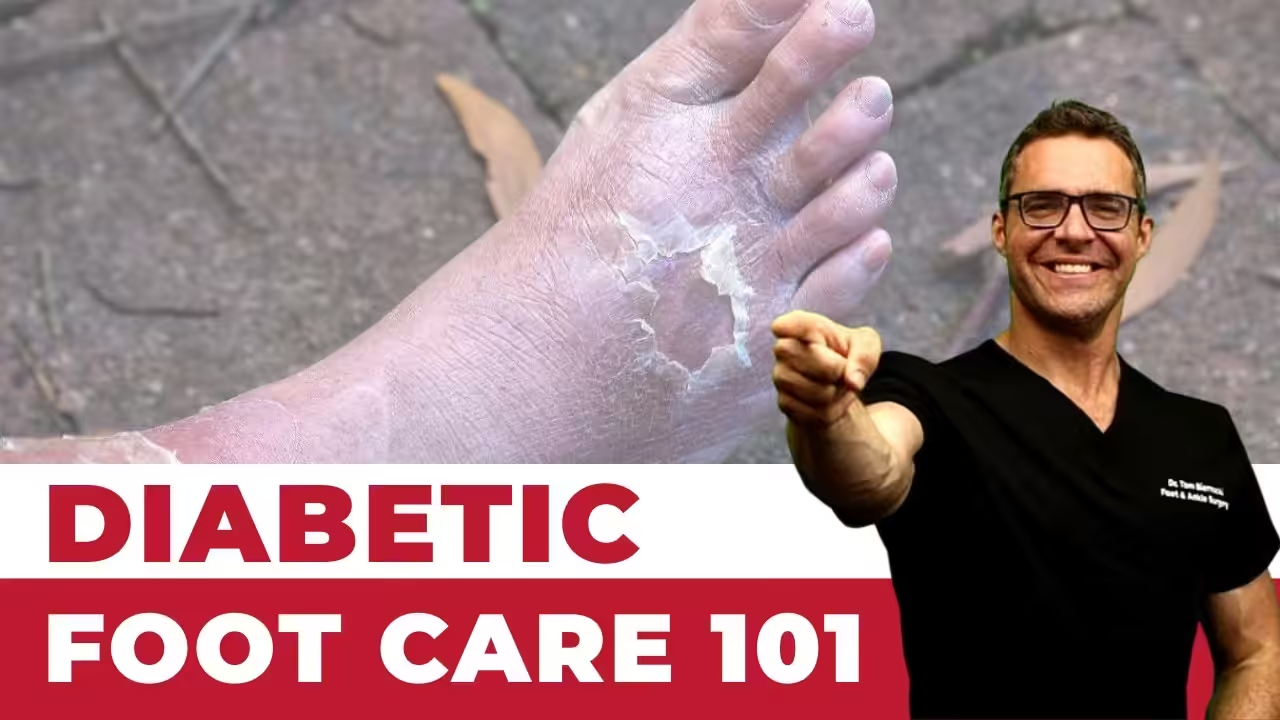
Quick answer: Lupus Foot Health Joint Pain Raynauds has multiple potential causes including mechanical, neurological, vascular, and inflammatory. The most common causes we identify are overuse, ill-fitting shoes, and biomechanical imbalance. Red flags requiring urgent evaluation: warmth/redness (infection), inability to bear weight (fracture), and unilateral swelling without injury (DVT). Call (810) 206-1402.
Medically reviewed by Dr. Tom Biernacki, DPM — Board-Certified Podiatric Surgeon — Balance Foot & Ankle, Howell & Bloomfield Hills, MI. Last updated April 2026.
▶ Watch
Medically reviewed by Dr. Tom Biernacki, DPM | Board-certified podiatrist | 3,000+ surgeries performed
Last updated: April 2, 2026
The most important clinical decision with Lupus Foot Health Joint Pain Raynauds isn’t which treatment to start with — it’s identifying the correct subtype. That changes everything. Call (810) 206-1402.
How Lupus Affects the Feet and Ankles
Systemic lupus erythematosus is a chronic autoimmune disease where the immune system attacks healthy tissues throughout the body, including joints, skin, blood vessels, and connective tissues of the feet. The feet are particularly vulnerable because they contain 26 bones, 33 joints, and an extensive vascular network — all potential targets for lupus-mediated inflammation.
Lupus arthritis typically presents as symmetric joint pain and swelling affecting the metatarsophalangeal (MTP) joints, midtarsal joints, and ankle. Unlike rheumatoid arthritis, lupus arthritis is generally non-erosive, meaning it causes pain and deformity through ligament laxity rather than bone destruction. However, approximately 10 percent of lupus patients develop Jaccoud’s arthropathy — a deforming condition that causes hallux valgus, hammer toes, and flatfoot from progressive ligamentous damage.
Vascular complications including Raynaud’s phenomenon, vasculitis, and antiphospholipid syndrome create additional foot health challenges. Raynaud’s affects up to 40 percent of lupus patients, causing painful digital ischemia with color changes triggered by cold exposure — a significant concern during Michigan’s long winters.
Common Foot Manifestations of Lupus
Lupus arthritis in the feet produces morning stiffness lasting more than one hour, joint swelling that migrates between locations, and pain that may fluctuate with disease flares. The ankle joint is involved in approximately 50 percent of cases, causing difficulty with stairs, uneven surfaces, and prolonged walking. MTP joint inflammation mimics metatarsalgia, producing forefoot pain during push-off that limits walking distance.
Cutaneous lupus lesions on the feet include discoid lupus plaques, livedo reticularis (a lace-like purplish discoloration), and vasculitic ulcers that develop on the toes and around the ankles. These ulcers are particularly concerning because they indicate active vasculitis, heal slowly due to compromised circulation, and carry infection risk that requires close monitoring and specialized wound care.
Peripheral neuropathy affects approximately 20 percent of lupus patients, causing numbness, tingling, and burning sensations in the feet. This sensory loss increases fall risk and delays detection of injuries, pressure sores, and infections — creating a clinical picture similar to diabetic neuropathy that requires protective foot care strategies.
Raynaud’s Phenomenon and Cold-Weather Foot Protection
Raynaud’s phenomenon causes episodic vasospasm in the digital arteries, producing a characteristic white-blue-red color sequence in the toes during cold exposure or emotional stress. In lupus patients, Raynaud’s can be severe enough to cause digital ulceration and, in rare cases, gangrene requiring amputation.
Michigan’s climate poses particular challenges for lupus patients with Raynaud’s. Temperatures below freezing for four to five months each year mean daily cold exposure during activities as simple as walking to the car or checking the mailbox. Protective strategies include layered wool or synthetic socks, insulated waterproof boots, chemical toe warmers during outdoor activities, and avoiding prolonged cold exposure entirely when possible.
Dr. Biernacki monitors lupus patients with Raynaud’s closely during winter months, assessing digital perfusion and screening for early ulceration at regular intervals. Patients experiencing prolonged color changes lasting more than 20 minutes, digital numbness that does not resolve with rewarming, or any break in skin integrity should seek immediate evaluation to prevent tissue loss.
Medication Effects on Foot Health
Corticosteroids — a cornerstone of lupus management — produce significant foot-related side effects during long-term use. Steroid-induced osteoporosis increases stress fracture risk in the metatarsals and calcaneus, while fat pad atrophy reduces natural cushioning under the heel and ball of the foot. Avascular necrosis of the talus, though less common than hip AVN, occurs in lupus patients on chronic corticosteroid therapy.
Hydroxychloroquine, the most commonly prescribed lupus maintenance medication, is generally foot-friendly with anti-inflammatory properties that benefit joint symptoms. However, it rarely causes neuromyopathy affecting the lower extremities, presenting as progressive proximal muscle weakness and distal sensory changes that mimic lupus peripheral neuropathy.
Immunosuppressive medications including mycophenolate, azathioprine, and cyclophosphamide increase infection susceptibility in the feet. Minor cuts, blisters, and ingrown toenails can progress rapidly to serious infections in immunosuppressed patients. Regular professional nail care and immediate treatment of any skin breakdown are essential components of foot health management for lupus patients on these medications.
Comprehensive Podiatric Care for Lupus Patients
Regular podiatric monitoring for lupus patients includes vascular assessment using doppler ultrasonography to evaluate arterial perfusion, neurological testing with monofilament and vibration perception threshold to quantify neuropathy progression, joint range-of-motion documentation to track arthropathy advancement, and skin examination for early ulceration or vasculitic changes.
Custom orthotics and accommodative footwear play a critical role in protecting lupus-affected feet. Orthotics with deep heel cups, metatarsal pads, and full-length cushioning reduce pressure on inflamed joints and compensate for fat pad atrophy from corticosteroid use. Extra-depth shoes with seamless linings protect against friction injuries in patients with neuropathy or fragile skin.
Wound care for lupus-related foot ulcers requires a coordinated approach between podiatry and rheumatology. Vasculitic ulcers respond primarily to systemic immunosuppressive therapy that addresses the underlying inflammation, while local wound care maintains a clean environment for healing. Offloading techniques, advanced wound dressings, and infection surveillance are essential components of successful ulcer management.
Daily Foot Care Routine for Lupus Patients
A structured daily foot care routine prevents complications in lupus patients, particularly those with neuropathy, vascular disease, or immunosuppression. Each evening, visually inspect both feet for cuts, blisters, color changes, swelling, or areas of warmth that might indicate early infection or inflammation. Use a mirror for sole inspection if mobility limits your ability to see the bottoms of your feet.
Keep skin moisturized to prevent cracks that serve as infection entry points, but avoid applying moisturizer between the toes where excess moisture promotes fungal infections. Wash feet daily with lukewarm water — never hot — as Raynaud’s and neuropathy can impair temperature sensation. Pat feet dry thoroughly rather than rubbing, especially between the toes.
Nail care should be performed by a professional rather than at home, particularly for patients on immunosuppressive therapy. Improperly trimmed nails and cuticle manipulation create infection risks that can escalate rapidly in immunocompromised individuals. Regular professional foot care every 6-8 weeks maintains nail health safely while providing an opportunity for clinical assessment.
Warning Signs Requiring Urgent Evaluation
- function bold() { [native code] } — undefined
- function bold() { [native code] } — undefined
- function bold() { [native code] } — undefined
- function bold() { [native code] } — undefined
The Most Common Mistake We See
The most common mistake lupus patients make with foot care is assuming their foot pain is just from lupus and not seeking podiatric evaluation. Foot symptoms in lupus can indicate active disease flares, medication complications, developing neuropathy, or stress fractures — each requiring different treatment. A podiatrist experienced with autoimmune conditions distinguishes between these causes and ensures appropriate treatment.
Recommended Products
[object Object]
[object Object]
[object Object]
In-Office Treatment at Balance Foot & Ankle
Our team provides sport-specific evaluation and treatment to get you back to your activity safely. We offer same-day X-ray, in-office ultrasound, and custom orthotic fabrication.
Same-day appointments available. Call (810) 206-1402 or book online.
More Podiatrist-Recommended Foot Health Essentials
Hoka Clifton 10


Max-cushion everyday shoe — podiatrist favorite for walking and running.

OOFOS Recovery Slide

Impact-absorbing recovery sandal — wear after long days on your feet.
As an Amazon Associate, Balance Foot & Ankle earns from qualifying purchases. Product recommendations are based on clinical experience; prices and availability shown above update live from Amazon.
When to See a Podiatrist
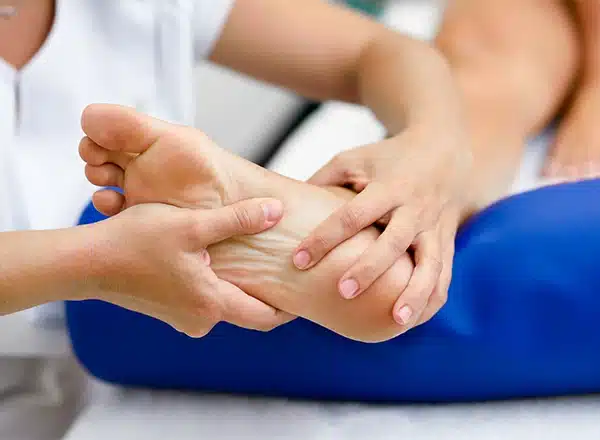
If foot or ankle pain has been bothering you for more than a few weeks, home care alone may not be enough. Balance Foot & Ankle offers same-week appointments at our Howell and Bloomfield Hills clinics — no referral needed in most cases. Bring your current shoes and a short list of symptoms and we’ll build you a treatment plan in one visit.
Call Balance Foot & Ankle: (810) 206-1402 · Book online · Offices in Howell & Bloomfield Hills
Frequently Asked Questions
How often should lupus patients see a podiatrist?
Lupus patients should have podiatric evaluations every 3-4 months, or more frequently during active flares or when experiencing new foot symptoms. Patients with neuropathy, Raynaud’s, or a history of foot ulcers benefit from monthly monitoring during Michigan’s winter months when cold-related complications peak.
Can lupus cause permanent foot deformity?
Yes. Jaccoud’s arthropathy develops in approximately 10 percent of lupus patients, causing progressive hallux valgus, hammer toes, and flatfoot deformity through ligament and capsule damage. Early intervention with orthotics and appropriate footwear slows deformity progression, while advanced cases may benefit from surgical correction.
Is foot surgery safe for lupus patients?
Foot surgery can be performed safely in lupus patients with careful perioperative planning. Coordination between your podiatrist and rheumatologist ensures disease is well-controlled before surgery, immunosuppressive medications are managed appropriately, and healing is monitored closely. Lupus patients may experience slower wound healing and require extended recovery periods.
Should I exercise if lupus is affecting my feet?
Appropriate exercise is beneficial for lupus foot health, maintaining joint mobility, muscle strength, and cardiovascular fitness. Low-impact activities like swimming, cycling, and water aerobics minimize foot stress while providing full-body benefits. Avoid high-impact activities during flares, and use supportive footwear with custom orthotics during all weight-bearing exercise.
The Bottom Line
Lupus demands proactive, specialized foot care to prevent the joint damage, vascular complications, and neuropathy that threaten mobility. Regular podiatric monitoring, protective footwear strategies, and coordinated care between your rheumatologist and podiatrist preserve foot function and quality of life. If you have lupus and are experiencing foot symptoms, schedule an evaluation to develop a thorough protection plan.
Sources
- Otter SJ, et al. Foot pain in rheumatology: findings from a national audit. J Foot Ankle Res. 2023;16(1):18.
- Williams AE, et al. Systemic lupus erythematosus foot involvement: review and recommendations. Lupus. 2022;31(4):383-394.
- Cervera R, et al. Morbidity and mortality in systemic lupus erythematosus during a 10-year period. Medicine. 2003;82(5):299-308.
- Zoma A. Musculoskeletal involvement in systemic lupus erythematosus. Lupus. 2004;13(11):851-853.
Protect Your Feet From Lupus Complications
Dr. Tom Biernacki has performed over 3,000 foot and ankle surgeries with a 4.9-star rating from 1,123 patient reviews.
Or call (810) 206-1402 for same-day appointments
Lupus Foot Care in Michigan
Lupus can significantly affect foot health through joint inflammation, Raynaud’s phenomenon, and skin changes. At Balance Foot & Ankle, we provide specialized podiatric care for patients with autoimmune conditions.
Learn About Our Foot Pain Treatments | Book Your Appointment | Call (810) 206-1402
Clinical References
- Otter SJ, et al. “The foot in systemic lupus erythematosus.” Lupus. 2016;25(9):950-957.
- Williams AE, et al. “The foot in systemic lupus erythematosus: a review.” Lupus. 2020;29(11):1356-1363.
- Grossman JM. “Lupus arthritis.” Best Pract Res Clin Rheumatol. 2009;23(4):495-506.
Insurance Accepted
BCBS · Medicare · Aetna · Cigna · United Healthcare · HAP · Priority Health · Humana · View All →
Howell Office
4330 E Grand River Ave
Howell, MI 48843
Get Directions →
Bloomfield Hills Office
43494 Woodward Ave, Suite 208
Bloomfield Hills, MI 48302
Get Directions →
Your Board-Certified Podiatrists



Ready to Get Back on Your Feet?
Same-week appointments available at both locations.
Book Your AppointmentIn-Office Treatment at Balance Foot & Ankle
If home treatment isn’t providing relief for your foot and ankle pain, our podiatry team at Balance Foot & Ankle can help with same-day evaluations and advanced in-office care.
Same-day appointments available. (810) 206-1402
Doctor Hoy’s Natural Pain Relief Gel
Natural topical pain relief I use in our clinic. Arnica + camphor formula — apply directly to the area 3–4x daily. ($20–25)
Shop Doctor Hoy’s →Frequently Asked Questions
When should I see a doctor?
See a podiatrist if pain persists past 2 weeks, prevents normal activity, or is accompanied by red-flag symptoms (warmth, swelling, numbness, inability to bear weight).
Can I treat this at home?
Mild cases respond to RICE protocol (rest, ice, compression, elevation), supportive shoes, and OTC anti-inflammatories. Persistent symptoms need professional evaluation.
How long does it take to heal?
Most soft tissue injuries resolve in 2-6 weeks with appropriate care. Bone injuries take 6-12 weeks. Chronic conditions need longer-term management.

Dr. Tom Biernacki, DPM is a board-certified foot & ankle surgeon (ABFAS & ABPM) at Balance Foot & Ankle Specialists in Southeast Michigan. With over a decade of clinical experience, he specializes in heel pain, bunions, diabetic foot care, sports injuries, and minimally invasive surgery. Dr. Biernacki is a member of the APMA and ACFAS, and his patient education content on MichiganFootDoctors.com and YouTube has made him one of the most-followed foot & ankle educators on YouTube.