
Medically reviewed by Dr. Tom Biernacki, DPM
Board-certified podiatric surgeon | Balance Foot & Ankle, Howell & Bloomfield Township, MI
Last reviewed: May 2026

| Location | Classification | Risk Group | X-ray Timing | Treatment | Return to Sport |
|---|---|---|---|---|---|
| 2nd Metatarsal Shaft (most common) | Low-risk | Runners; military recruits; dancers | Normal 2-3 weeks; periosteal reaction late | Activity modification; stiff shoe; boot if severe | 4-6 weeks |
| 3rd Metatarsal Shaft | Low-risk | Same as 2nd met | Same as 2nd met | Activity modification; boot if needed | 4-6 weeks |
| 5th Metatarsal Diaphysis (Jones Fracture) | HIGH-RISK (watershed zone) | Athletes; lateral ankle instability | Transverse fracture at diaphysis on X-ray | Athletes: ORIF screw fixation; non-athletes: NWB cast 6-8 weeks | Athletes: 8-12 weeks; non-athletes: 10-16 weeks; refracture risk 25-40% without ORIF |
| 5th Metatarsal Base (Avulsion fracture) | Low-risk | Inversion sprain; peroneus brevis avulsion | Fracture at metaphysis/base visible on X-ray | Boot or CAM walker; protected WB; heals reliably | 4-8 weeks |
| Navicular Stress Fracture | HIGH-RISK | Sprinters; jumpers; court sport athletes | Normal on X-ray; MRI or CT required | NWB cast 6-8 weeks; ORIF if displaced or non-union | 3-6 months; AVN risk if inadequately treated |
| Sesamoid Stress Fracture | Moderate risk | Dancers; forefoot strikers | Thin lucent line on X-ray; MRI confirms | CAM boot 6-12 weeks; sesamoidectomy if non-union | 6-12 weeks with boot |
| Risk Factor | Mechanism | Modification |
|---|---|---|
| Rapid training load increase | 10% rule violation; bone remodeling lags behind mechanical demand | Increase running volume less than 10% per week |
| Low bone density (osteopenia/osteoporosis) | Reduced bone strength at any given load | DEXA scan; vitamin D + calcium optimization; endocrinology referral |
| Female athlete triad / RED-S | Energy deficiency + menstrual dysfunction + low BMD | Nutrition counseling; sports medicine evaluation; bone health optimization |
| Cavus (high-arch) foot | Rigid foot; increased lateral column load; 5th met stress concentration | Custom orthotics with lateral offloading; cushioned footwear |
| Leg length discrepancy | Longer limb absorbs greater repetitive load | Heel lift; orthotic equalization; biomechanical assessment |
| Vitamin D deficiency | Impaired bone mineralization and remodeling | 25-OH vitamin D level; supplement to level greater than 40 ng/mL |
Quick answer: Treatment for metatarsal stress fracture foot pain treatment michigan follows a stepwise approach: 1) conservative care first (rest, ice, supportive footwear, OTC anti-inflammatories), 2) physical therapy and targeted exercises, 3) in-office treatments (injections, custom orthotics) if conservative fails at 4-6 weeks, 4) surgery for refractory cases. Most patients resolve at step 1 or 2. Call (810) 206-1402.
Medically Reviewed | Dr. Tom Biernacki, DPM | Board-Certified Podiatric Surgeon | Balance Foot & Ankle, Michigan

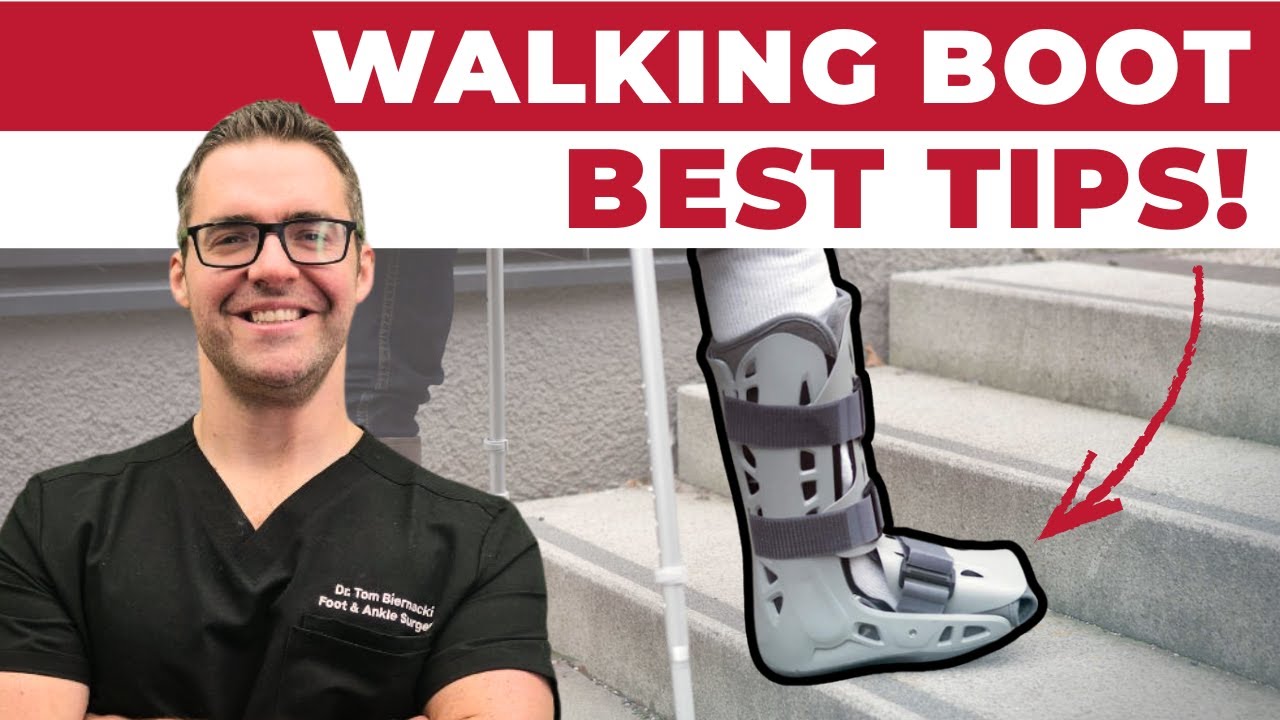
![Calcaneus Stress Fracture Treatment [Heel Stress Fracture RECOVERY!]](https://www.michiganfootdoctors.com/wp-content/cache/flying-press/cdfca81fb25b3ea56c6af7d70a9e3fb0.jpg)
Watch: Calcaneus Stress Fracture Treatment [Heel Stress Fracture RECOVERY!] — MichiganFootDoctors YouTube
What Is a Metatarsal Stress Fracture?
A metatarsal stress fracture is a hairline crack in one of the five metatarsal bones — the long bones that connect the mid-foot to the toes. Unlike acute fractures caused by a single traumatic event, stress fractures develop gradually from repetitive mechanical loading that overwhelms the bone’s capacity for repair and remodeling.
At Balance Foot & Ankle PLLC, Dr. Tom Biernacki treats metatarsal stress fractures in runners, dancers, military personnel, and anyone who has recently increased their activity load. Early, accurate diagnosis is critical — a stress fracture that is ignored or undertreated can progress to a complete fracture requiring prolonged immobilization or surgery.
Which Metatarsals Are Most Commonly Affected?
The second and third metatarsals are the most common sites for stress fractures because they bear the greatest proportion of forefoot load during push-off. The fifth metatarsal (particularly the proximal metaphysis and diaphysis) is the most clinically significant stress fracture site because blood supply in this zone is limited, making healing unpredictable and increasing the risk of delayed union or nonunion.
Jones fractures — a specific type of fifth metatarsal stress fracture at the junction of the metaphysis and diaphysis — are notorious for healing complications and often require surgical fixation in active patients and athletes.
Causes and Risk Factors
The fundamental cause of any stress fracture is a mismatch between mechanical demand and bone resilience. Common contributing factors include:
Rapid training increases: Increasing mileage, intensity, or training surface too quickly is the most common trigger in recreational and competitive athletes. The “10% rule” — increasing weekly mileage by no more than 10% — exists specifically to prevent stress injuries.
Biomechanical abnormalities: High arches (cavus foot) concentrate load on the lateral metatarsals. Flatfoot with overpronation overloads the medial metatarsals. Leg length discrepancy creates asymmetric loading across the forefoot.
Nutritional and hormonal factors: Low bone density, vitamin D deficiency, calcium inadequacy, and the female athlete triad (low energy availability, menstrual dysfunction, low bone density) dramatically increase stress fracture risk.
Footwear: Worn-out shoes with collapsed cushioning provide inadequate shock absorption. Transitioning too quickly to minimalist footwear increases metatarsal stress.
Symptoms of a Metatarsal Stress Fracture
The classic presentation is a gradual onset of sharp, localized pain along the top of the forefoot that progressively worsens with weight-bearing activity and temporarily improves with rest. Tenderness is pinpoint — directly over the fracture site when pressed. Swelling and mild bruising may develop over the affected metatarsal in the days following onset.
A critical warning sign: if you notice swelling on the top of your foot after increasing your activity, do not “walk it off.” Continuing to load a stress fracture dramatically increases the risk of complete fracture.
Diagnosis
Dr. Biernacki begins with weight-bearing X-rays. Early stress fractures often appear normal on plain X-ray — the characteristic periosteal reaction or fracture line may not appear for 2–4 weeks after symptom onset. When X-rays are negative but clinical suspicion is high, MRI is the gold standard — it detects bone marrow edema (the stress reaction phase) and the fracture line with high sensitivity, often before X-rays become positive.
Treatment
For most metatarsal stress fractures (2nd–4th metatarsals): A period of protected weight-bearing in a stiff-soled shoe or removable walking boot for 4–8 weeks, combined with activity modification, allows the bone to heal without surgical intervention. Vitamin D and calcium supplementation are added when deficiency is identified.
For high-risk fractures (Jones fracture, 5th metatarsal): Active patients and athletes are often recommended early surgical fixation with an intramedullary screw, which reduces healing time, dramatically lowers nonunion risk, and allows earlier return to sport compared with prolonged casting.
Custom orthotics: After healing, custom-molded orthotics that address the underlying biomechanical cause — whether cavus foot, overpronation, or leg length discrepancy — are essential to prevent recurrence.
Return to Sport
Return-to-sport timelines depend on fracture location, severity, and treatment approach. Second through fourth metatarsal stress fractures managed conservatively typically allow return to full activity in 6–10 weeks. Jones fractures treated surgically can achieve return to sport in 8–12 weeks. Bone stimulators (low-intensity pulsed ultrasound or electromagnetic stimulation) may be used to accelerate healing in delayed or complex cases.
Dr. Tom's Product Recommendations

Aircast AirSelect Walker Boot
⭐ Highly Rated
Pneumatic walking boot with air cell cushioning for protected weight-bearing during metatarsal stress fracture healing. The rigid rocker sole offloads forefoot pressure effectively.
Patients in conservative boot treatment
Those requiring surgical fixation
Disclosure: We earn a commission at no extra cost to you.

Vital Proteins Collagen + Vitamin D Supplement
⭐ Highly Rated
Supports bone matrix remodeling and collagen synthesis during stress fracture recovery. Vitamin D is essential for calcium absorption and bone healing.
Patients with nutritional deficiencies or delayed healing
Those who already have optimal vitamin D levels
Disclosure: We earn a commission at no extra cost to you.
✅ Pros / Benefits
- Most 2nd–4th metatarsal stress fractures heal without surgery
- MRI provides early diagnosis before X-rays turn positive
- Jones fracture surgical fixation achieves faster return to sport
- Custom orthotics address root biomechanical cause after healing
❌ Cons / Risks
- Jones fractures carry high nonunion risk if undertreated
- Complete fracture can occur if activity continues on a stress fracture
- Healing may take 6–12 weeks with activity restrictions
Dr. Tom Biernacki’s Recommendation
Metatarsal stress fractures are one of the most common overuse injuries I see, and the most important message is: don’t ignore forefoot pain that progressively worsens with activity. Early diagnosis — sometimes with MRI when X-rays are negative — prevents a manageable stress fracture from becoming a complete fracture that needs surgery. And after healing, we always look at footwear, training load, and biomechanics to stop it from happening again.
— Dr. Tom Biernacki, DPM | Board-Certified Podiatric Surgeon | Balance Foot & Ankle
Frequently Asked Questions
How do I know if I have a metatarsal stress fracture versus a regular sprain?
Stress fractures produce pinpoint tenderness directly over the bone when pressed, and the pain progressively worsens over days to weeks with activity. Sprains typically cause diffuse swelling and tenderness around a joint and improve within days. If forefoot pain is worsening despite rest, see a podiatrist for X-rays.
Can I walk on a metatarsal stress fracture?
Walking on a stress fracture without protection risks progression to a complete fracture. A stiff-soled shoe or walking boot offloads the fracture site and is typically required during the healing phase. Dr. Biernacki will determine the appropriate level of weight-bearing for your specific fracture.
How long does a metatarsal stress fracture take to heal?
Most 2nd–4th metatarsal stress fractures heal in 6–10 weeks with appropriate protected weight-bearing. Jones fractures (5th metatarsal) can take 8–16 weeks if treated conservatively, or 8–12 weeks after surgical fixation with early protected weight-bearing.
Will I need surgery for a metatarsal stress fracture?
The vast majority of metatarsal stress fractures heal without surgery. The exception is the Jones fracture at the proximal 5th metatarsal, where surgical fixation is often recommended for athletes and active patients to prevent nonunion and achieve faster return to sport.
Michigan Foot Pain? See Dr. Biernacki In Person
4.9★ rated | 1,200+ Reviews | 3,000+ Surgeries
Book online 24/7 · Howell & Bloomfield Township
📞 (810) 206-1402 Book Online →In-Office Treatment at Balance Foot & Ankle
If home treatment isn’t providing relief for your metatarsal stress fracture foot pain treatment michigan, our podiatry team at Balance Foot & Ankle can help with expert evaluations and advanced in-office care.
OrthoInfo – AAOS: Stress Fractures
Ready to Get Relief?
Book online 24/7 in Howell & Bloomfield Township, MI
4.9★ | 1,200+ Reviews | 3,000+ Surgeries
Or call: (810) 206-1402

Dr. Tom Biernacki, DPM is a board-certified foot & ankle surgeon (ABFAS & ABPM) at Balance Foot & Ankle Specialists in Southeast Michigan. With over a decade of clinical experience, he specializes in heel pain, bunions, diabetic foot care, sports injuries, and minimally invasive surgery. Dr. Biernacki is a member of the APMA and ACFAS, and his patient education content on MichiganFootDoctors.com and YouTube has made him one of the most-followed foot & ankle educators on YouTube.