
Medically reviewed by Dr. Tom Biernacki, DPM
Board-certified podiatric surgeon | Balance Foot & Ankle, Howell & Bloomfield Township, MI
Last reviewed: May 2026

| Metatarsal | Common Population | High-Risk Factors | Typical Treatment |
|---|---|---|---|
| 2nd Metatarsal (most common) | Runners, ballet dancers, military | Long 2nd MT, high-arch foot, osteoporosis | NWB boot 4–6 weeks → gradual return 8–12 weeks |
| 3rd Metatarsal | Runners, walking athletes | Hyperpronation, overtraining | NWB boot 4–6 weeks; rarely surgical |
| 4th Metatarsal | Dancers, recreational athletes | Lateral forefoot overload | NWB boot 4–6 weeks; rarely surgical |
| 5th Metatarsal Base (Zone 1 — Dancer fracture) | Ankle inversion injury | Inversion mechanism; avulsion by peroneus brevis | WB boot 4–6 weeks; very rarely surgical |
| 5th Metatarsal Diaphysis (Zone 2 — Jones fracture) | Athletes, basketball, football | Varus foot, lateral overload, sudden cutting | NWB cast/boot 6–8 weeks; surgery for athletes (screw fixation) |
| 5th Metatarsal Diaphysis (Zone 3 — true stress fracture) | Distance runners, military recruits | Varus foot, low bone density, overtraining | Surgery (intramedullary screw) — high non-union risk with conservative care |
| Factor | Jones Fracture (Zone 2) | 2nd–4th MT Stress Fracture |
|---|---|---|
| Mechanism | Acute — lateral forefoot loading; sudden direction change | Insidious — repetitive microtrauma over weeks |
| X-ray appearance | Transverse fracture at 5th MT diaphysis (proximal); may show sclerosis if chronic | Often normal early; periosteal reaction or cortical thickening at 2–4 weeks |
| Non-union risk | High (25–50% conservative); watershed blood supply zone | Low (5–10%); most heal with adequate rest |
| Surgery for competitive athletes | Yes — intramedullary screw; faster return to sport | Rarely; only for delayed union >3 months |
| Return to sport (conservative) | 12–16 weeks | 8–12 weeks |
| Return to sport (surgical) | 6–10 weeks (significantly faster) | Rarely done |
Quick answer: Metatarsal Stress Fracture Michigan Podiatrist is a common foot/ankle topic that affects many patients. The 2026 evidence-based approach combines proper diagnosis, conservative-first treatment, and escalation only when needed. We treat this regularly at our Howell and Bloomfield Township practices. Call (810) 206-1402.
Foot pain isn't resolving?
Same-week appointments at Howell & Bloomfield Township
Medically Reviewed | Dr. Tom Biernacki, DPM | Board-Certified Podiatric Surgeon | Balance Foot & Ankle, Michigan
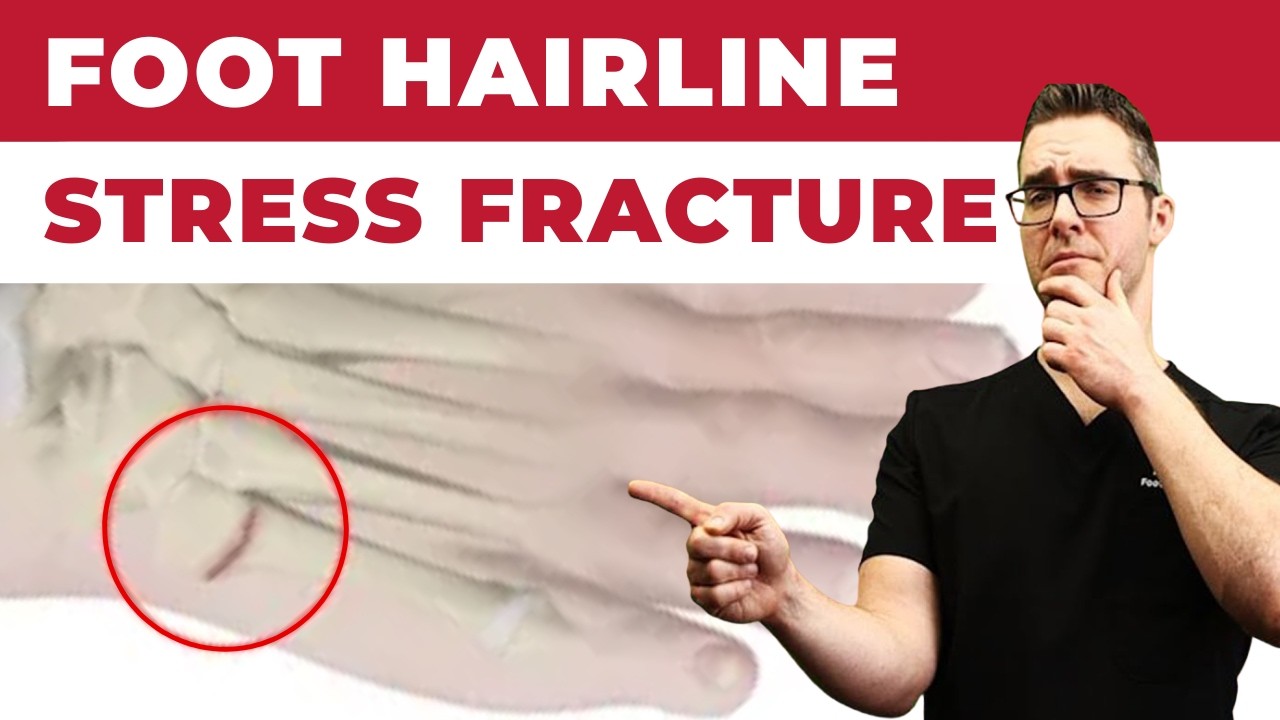

![Calcaneus Stress Fracture Treatment [Heel Stress Fracture RECOVERY!]](https://www.michiganfootdoctors.com/wp-content/cache/flying-press/cdfca81fb25b3ea56c6af7d70a9e3fb0.jpg)
Watch: Calcaneus Stress Fracture Treatment [Heel Stress Fracture RECOVERY!] — MichiganFootDoctors YouTube
What Are Metatarsal Stress Fractures?
Metatarsal stress fractures are fatigue fractures of the five metatarsal bones — the long bones running from the midfoot to the toes. They develop from cumulative cyclic loading that exceeds the bone’s remodeling capacity, causing microscopic crack propagation that can progress to a complete fracture if loading continues. The 2nd and 3rd metatarsals are most commonly affected in runners; the 5th metatarsal base (Jones fracture zone) is the most clinically important due to its increased risk of non-union. Historically called “march fractures” from their high incidence in military recruits beginning intensive walking and running training.
Who Gets Metatarsal Stress Fractures?
Runners increasing weekly mileage too rapidly (the “10% rule” violation), dancers performing repetitive forefoot loading, military recruits during basic training, and female athletes with the female athlete triad (low energy availability, menstrual dysfunction, low bone density) are the highest-risk populations. Biomechanical risk factors include Morton’s foot anatomy (short first metatarsal, long second metatarsal), cavus foot (concentrates load on lateral metatarsals), and insufficient shock-absorbing footwear. Older patients with osteoporosis can develop metatarsal stress fractures from ordinary walking.
Symptoms
Patients report a gradual onset of forefoot pain that worsens with activity and improves with rest. Localized point tenderness directly over the affected metatarsal shaft is the hallmark finding. Swelling and warmth may be present over the fracture site. In early stress reactions, symptoms may be mild enough that athletes continue training through them — until the fracture progresses to complete displacement. The “hop test” (single-leg hop on the affected foot) typically reproduces pain at the fracture site and is a useful in-office screening tool.
Diagnosis: Why X-Rays Are Often Normal
Plain X-rays are frequently negative in the first 2–3 weeks after symptom onset, as periosteal new bone formation (the first radiographic change) requires this time to become visible. A negative X-ray in a runner with point tenderness over a metatarsal does not exclude a stress fracture. MRI is the gold standard for early diagnosis — it reveals bone marrow edema (stress reaction) within days of symptom onset and precisely stages the fracture (stress reaction without visible fracture line through complete fracture with cortical disruption). Bone scintigraphy (technetium bone scan) is an alternative when MRI is not available, with high sensitivity but lower specificity than MRI. CT scan is rarely needed for routine metatarsal stress fractures but is valuable for Jones fractures where the fracture line geometry guides surgical versus conservative decision-making.
Treatment by Metatarsal Location
2nd and 3rd Metatarsal Stress Fractures (Most Common): These heal reliably with conservative management — a stiff-soled shoe or post-operative shoe for 4–6 weeks, activity modification (replacing running with swimming or cycling), and addressing the causative biomechanical factors with custom orthotics. Return to running is typically 6–8 weeks. Healing is confirmed clinically (resolution of point tenderness) and, when uncertain, by follow-up imaging.
4th Metatarsal Stress Fractures: Managed similarly to 2nd and 3rd, with slightly higher incidence in athletes with lateral column overloading from cavus foot mechanics. Custom orthotics addressing the cavus deformity are particularly important in this group to prevent recurrence.
1st Metatarsal Stress Fractures (Uncommon): Sesamoid fractures and stress fractures of the first metatarsal require more careful management due to the high load-bearing role of the first ray. Partial weight-bearing in a cast or boot for 6–8 weeks with activity restriction is standard.
5th Metatarsal Base (Jones Fracture — Zone II): The Jones fracture is the most important and clinically challenging metatarsal stress fracture. It occurs at the junction of the proximal diaphysis and the metaphysis of the 5th metatarsal — a watershed blood supply zone with poor intrinsic healing capacity. Non-union rates with conservative management are 15–40%. Surgical treatment with an intramedullary screw is generally preferred for athletes and active patients: healing rates exceed 90%, and return to sport is faster than with casting. Elite and competitive athletes typically require surgical fixation; recreational athletes may opt for conservative management with close monitoring.
Bone Stimulation for Delayed Healing
Low-intensity pulsed ultrasound (LIPUS/EXOGEN) and electromagnetic bone stimulation (PEMF) devices are FDA-cleared adjuncts for fractures at risk of delayed union or non-union, particularly Jones fractures managed conservatively and 2nd metatarsal fractures in patients with compromised bone density or poor healing response. Dr. Biernacki prescribes bone stimulators when fracture healing appears slower than expected on follow-up imaging.
Custom Orthotics for Prevention and Rehabilitation
Custom orthotics addressing the underlying biomechanical driver are essential for preventing recurrence. For 2nd/3rd metatarsal stress fractures, a metatarsal bar or pad proximal to the fracture site reduces focal loading. For 4th/5th metatarsal fractures, lateral column offloading relieves the causative stress. For cavus foot mechanics, a full-length custom orthotic corrects hindfoot varus and distributes forefoot load more evenly. Dr. Biernacki fabricates custom orthotics from a 3D scan or plaster cast at Balance Foot & Ankle.
Dr. Biernacki’s Expertise
Dr. Tom Biernacki at Balance Foot & Ankle manages metatarsal stress fractures across the severity spectrum — from early stress reactions in recreational runners to Jones fracture surgical fixation in competitive athletes. He emphasizes early accurate diagnosis (MRI when clinical suspicion is high), tailored treatment by fracture location, and comprehensive rehabilitation addressing biomechanical risk factors to prevent recurrence.
Dr. Tom's Product Recommendations

Ossur Rebound Post-Op Shoe
⭐ Highly Rated
Rigid-sole post-operative shoe that reduces metatarsal bending forces during weight-bearing. Prescribed for 2nd-4th metatarsal stress fractures as protected ambulation device.
Dr. Tom says: “My podiatrist had me wear this for my stress fracture instead of the heavy boot. So much easier to get around during my 6-week recovery.”
2nd-4th metatarsal shaft stress fractures with stable cortex, protected weight-bearing phase
Jones fractures (5th metatarsal base) or complete displaced fractures — these require boot or cast immobilization
Disclosure: We earn a commission at no extra cost to you.

BioSole Metatarsal Arch Pad Insoles
⭐ Highly Rated
Built-in metatarsal pad positions just proximal to the metatarsal heads to reduce forefoot pressure during stress fracture healing and rehabilitation. Fits in running shoes during return-to-activity phase.
Dr. Tom says: “These shifted the pressure away from my healed fracture site during my return to running. No pain recurrence in 8 months.”
Metatarsal stress fracture rehabilitation, metatarsalgia prevention, forefoot pressure reduction
Not a substitute for custom orthotics with specific biomechanical prescription for fracture prevention
Disclosure: We earn a commission at no extra cost to you.
✅ Pros / Benefits
- MRI provides early diagnosis before fracture is visible on X-ray, enabling faster treatment initiation
- Jones fracture surgical fixation achieves 90%+ healing with faster return to sport than casting
- Custom orthotics addressing causative biomechanics prevent recurrence in runners and athletes
❌ Cons / Risks
- Jones fractures require 6-8 weeks non-weight-bearing with conservative management and 15-40% non-union risk
- Athletes must modify or stop running for 6-12 weeks depending on fracture location and severity
- Female athlete triad-associated fractures require nutritional and hormonal assessment beyond podiatric scope
Dr. Tom Biernacki’s Recommendation
Metatarsal stress fractures are a runner’s nightmare — you’re training well, everything feels good, and then one day you have forefoot pain that just doesn’t go away. The key message I give every patient: a negative X-ray does not mean there’s no fracture. If you have point tenderness on a metatarsal and you’ve been increasing your mileage, you need an MRI. The Jones fracture is the one I watch most carefully — it’s the one that will turn into a non-union nightmare if we don’t treat it aggressively from the start.
— Dr. Tom Biernacki, DPM | Board-Certified Podiatric Surgeon | Balance Foot & Ankle
Frequently Asked Questions
How long does a metatarsal stress fracture take to heal?
Most 2nd-4th metatarsal stress fractures heal within 6–8 weeks with appropriate rest and protected weight-bearing. Jones fractures (5th metatarsal base) require 8–12 weeks with conservative management, or 6–8 weeks followed by return to sport after surgical fixation. Factors that extend healing include osteoporosis, diabetes, smoking, and continued weight-bearing on the fracture.
Can I walk on a metatarsal stress fracture?
Protected weight-bearing in a stiff-soled shoe or boot is usually permitted for 2nd-4th metatarsal fractures. Jones fractures (5th metatarsal zone II) are typically managed with non-weight-bearing for 6–8 weeks in a cast or boot, or immediate surgical fixation with earlier weight-bearing post-operatively. Never run or return to impact activity until Dr. Biernacki clears you with imaging confirmation of healing.
What is a Jones fracture and why is it different?
A Jones fracture is a stress fracture of the 5th metatarsal at a specific anatomic zone — the junction of the metaphysis and proximal diaphysis (about 1.5–2 cm from the base). This zone has poor blood supply and a high non-union rate of 15–40% with conservative treatment. It requires more aggressive management than other metatarsal stress fractures, and surgical fixation is generally recommended for athletes and active patients.
What can I do for exercise while my metatarsal stress fracture heals?
Non-impact activities are encouraged: swimming, pool running (aqua jogging with a floatation belt), cycling (stationary or road, depending on fracture location and severity), and upper body gym work. These maintain cardiovascular fitness and muscle conditioning during the healing period. Dr. Biernacki will specify which activities are appropriate based on your fracture location and stage of healing.
Michigan Foot Pain? See Dr. Biernacki In Person
4.9★ rated | 1,123 Reviews | 3,000+ Surgeries
Same-week appointments · Howell & Bloomfield Township
📞 (810) 206-1402 Book Online →Frequently Asked Questions
When should I see a podiatrist?
If symptoms persist past 2 weeks, affect your normal activity, or are accompanied by red-flag symptoms (warmth, redness, swelling, inability to bear weight).
What does treatment cost?
Most diagnostic visits and conservative treatments are covered by Medicare and major insurers. Out-of-pocket costs vary by your specific plan.
How quickly can I get an appointment?
Most non-urgent cases see us within 5 business days. Urgent cases (sudden pain, possible fracture) typically same or next business day.
What is Stress fracture?
Stress fracture is a common foot/ankle condition that affects mobility and quality of life. Understanding the underlying cause is the first step in successful treatment. Our podiatrists at Balance Foot & Ankle perform a hands-on biomechanical exam, review your activity history, and use diagnostic imaging when appropriate to identify the root cause—not just treat the symptom. Many patients have been told to “rest and ice” without a deeper diagnostic workup; our approach is different.
Symptoms and warning signs
Common signs of stress fracture include pain that worsens with activity, morning stiffness, swelling, tenderness when palpated, and difficulty bearing weight. If you experience sudden severe pain, inability to walk, visible deformity, numbness or color change, contact our office the same day or visit urgent care—these can signal a more serious injury such as a fracture, tendon rupture, or vascular compromise. Diabetics with any foot wound should seek same-day care.
Conservative treatment options
Most cases of stress fracture respond to non-surgical care: structured rest, supportive footwear changes, custom orthotics, targeted stretching and strengthening protocols, anti-inflammatory medications when medically appropriate, and in-office procedures such as ultrasound-guided injections. We also offer advanced therapies including MLS laser therapy, EPAT/shockwave, regenerative injections, and image-guided procedures. Treatment is sequenced from least invasive to most invasive, and we explain the rationale at every step.
When is surgery considered?
Surgery is reserved for cases that fail 3-6 months of well-structured conservative care, when there is structural pathology (severe deformity, complete tear, advanced arthritis), or when imaging shows damage that will not heal without intervention. Our surgeons have performed 3,000+ foot and ankle procedures and prioritize minimally-invasive techniques whenever appropriate. We discuss recovery timelines, return-to-activity milestones, and realistic outcome expectations before any procedure is scheduled.
Recovery timeline and prevention
Recovery from stress fracture varies based on severity and chosen treatment path. Conservative cases often improve within 4-8 weeks with consistent adherence to the protocol. Post-procedural recovery may range from a few days (in-office procedures) to several months (reconstructive surgery). Long-term prevention involves footwear assessment, activity modification, structured strengthening, and regular check-ins with your podiatrist if you have a history of recurrence. We provide written home-exercise plans and digital follow-up support.
Ready to feel better?
Same-week appointments available in Howell and Bloomfield Township, Michigan.
Book Your VisitIn-Office Treatment at Balance Foot & Ankle
If home treatment isn’t providing relief for your stress fractures, our podiatry team at Balance Foot & Ankle can help with same-day evaluations and advanced in-office care.
Ready to Get Relief?
Same-day appointments available in Howell & Bloomfield Township, MI
4.9★ | 1,123 Reviews | 3,000+ Surgeries
Or call: (810) 206-1402

Dr. Tom Biernacki, DPM is a board-certified foot & ankle surgeon (ABFAS & ABPM) at Balance Foot & Ankle Specialists in Southeast Michigan. With over a decade of clinical experience, he specializes in heel pain, bunions, diabetic foot care, sports injuries, and minimally invasive surgery. Dr. Biernacki is a member of the APMA and ACFAS, and his patient education content on MichiganFootDoctors.com and YouTube has made him one of the most-followed foot & ankle educators on YouTube.