
Medically reviewed by Dr. Tom Biernacki, DPM
Board-certified podiatric surgeon | Balance Foot & Ankle, Howell & Bloomfield Township, MI
Last reviewed: May 2026

| Feature | Detail |
|---|---|
| Anatomy | Central 1/3 of navicular has poor blood supply (watershed zone) → highest non-union risk of any foot stress fracture |
| At-risk athletes | Sprinters, basketball players, soccer players; high-arch cavus foot; short 1st metatarsal |
| Typical presentation | Vague dorsomedial midfoot pain; insidious onset over weeks/months; worsens with activity; N-spot tenderness (navicular dorsum) is key |
| X-ray sensitivity | Only 30–40% — most stress fractures are invisible on plain X-ray |
| CT scan | Gold standard for grading navicular stress fractures; shows fracture line extent and displacement |
| MRI sensitivity | 85–95% — detects bone stress reaction before CT shows cortical break |
| Khan CT Classification | Type I: incomplete cortical break; Type II: complete fracture no displacement; Type III: complete + displaced or comminuted |
| Treatment | Khan Type | Protocol | Return to Sport |
|---|---|---|---|
| Non-surgical NWB cast/boot | Type I–II (non-displaced) | Strict NWB × 6 weeks → walking boot × 2–4 weeks → gradual return | 4–5 months |
| Surgical fixation (percutaneous screw) | Type II (athlete); Type III (displaced) | Percutaneous lag screw compression + NWB 6 weeks → gradual return | 3–4 months (faster than conservative for athletes) |
| Surgical fixation + bone graft | Type III; delayed union; revision | Open reduction + internal fixation + cancellous bone graft; NWB 6–8 weeks | 4–6 months |
| CRITICAL: No partial weight-bearing | All types until healed | Even partial WB dramatically increases non-union risk — strict NWB is non-negotiable | — |
Quick answer: Navicular Stress Fracture Michigan Podiatrist is a common foot/ankle topic that affects many patients. The 2026 evidence-based approach combines proper diagnosis, conservative-first treatment, and escalation only when needed. We treat this regularly at our Howell and Bloomfield Township practices. Call (810) 206-1402.
Foot pain isn't resolving?
Same-week appointments at Howell & Bloomfield Township
Medically Reviewed | Dr. Tom Biernacki, DPM | Board-Certified Podiatric Surgeon | Balance Foot & Ankle, Michigan
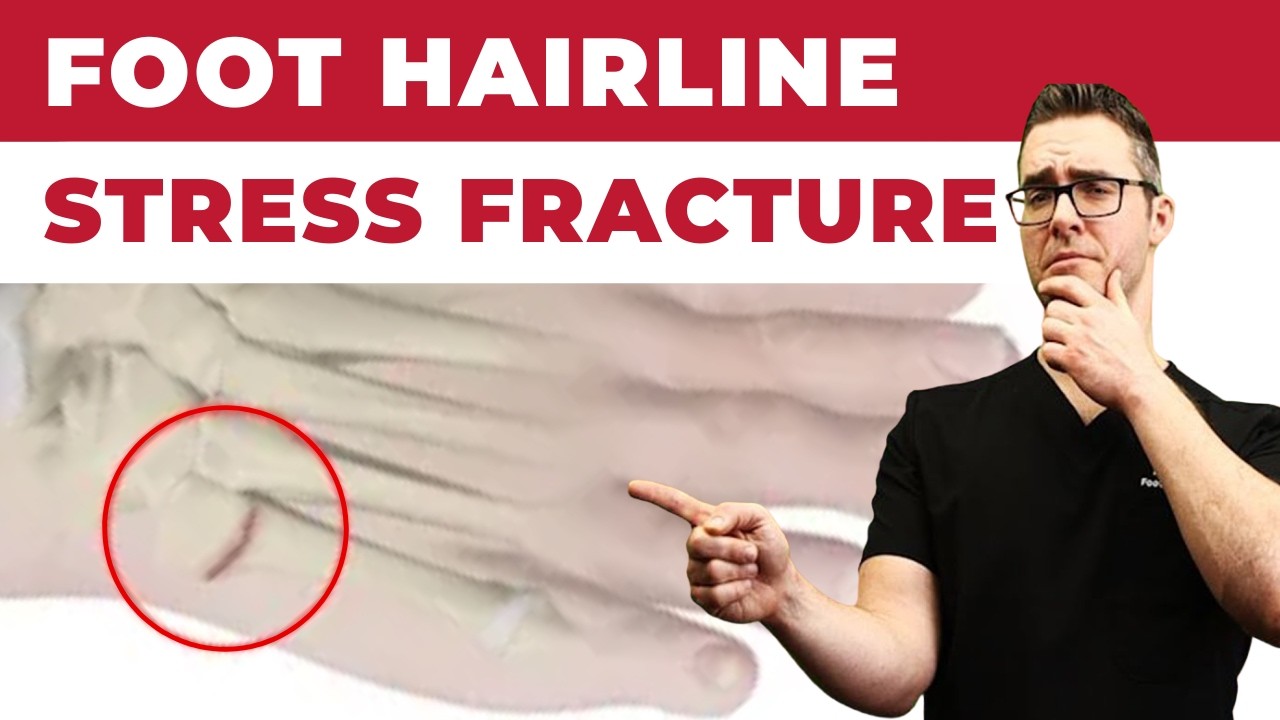

![Calcaneus Stress Fracture Treatment [Heel Stress Fracture RECOVERY!]](https://www.michiganfootdoctors.com/wp-content/cache/flying-press/cdfca81fb25b3ea56c6af7d70a9e3fb0.jpg)
Watch: Calcaneus Stress Fracture Treatment [Heel Stress Fracture RECOVERY!] — MichiganFootDoctors YouTube
What Is a Navicular Stress Fracture?
A navicular stress fracture is a fatigue fracture of the tarsal navicular — the comma-shaped bone at the apex of the medial longitudinal arch, between the talus and the three cuneiform bones. It is one of the highest-risk stress fractures in the athletic foot because of the navicular’s unique vascular anatomy: the central third of the bone receives a relatively poor blood supply, making it prone to avascular necrosis and delayed union. Untreated or undertreated navicular stress fractures can progress to complete fracture, displacement, and long-term arthritis requiring fusion.
Who Gets Navicular Stress Fractures?
Navicular stress fractures primarily affect runners, basketball players, soccer players, and military recruits — populations that combine high-volume repetitive loading with limited recovery time. Middle-distance and distance runners (track athletes, cross-country) are especially vulnerable. Biomechanical risk factors include a shorter first metatarsal (Morton’s foot), limited subtalar joint range of motion, and a tight Achilles-gastrocnemius complex. Rapid mileage escalation (the “too much, too soon” training error) is the most common precipitant.
Why Are They Frequently Missed?
Navicular stress fractures have a well-earned reputation as a “missed diagnosis.” Plain X-rays are negative in the majority of early cases because the fracture line is hairline and runs in the sagittal plane, perpendicular to the standard AP projection. Patients often present with vague midfoot aching — sometimes called the “N-spot” (point tenderness over the dorsal navicular) — that is attributed to a sprain. Weeks or months of failed conservative care follow before the correct diagnosis is made. MRI is the gold standard for early diagnosis, revealing bone marrow edema (stress reaction) before a frank fracture line is visible. CT scan defines fracture geometry and cortical involvement better than MRI, making it essential for surgical planning.
Classification and Severity
The Saxena classification grades navicular stress fractures by CT findings: Type I involves dorsal cortex only (no complete fracture line), Type II extends into the body but not to the plantar cortex, and Type III is a complete fracture or frank displacement. Type I fractures have the best outcomes with strict conservative treatment; Type II and III carry higher risk of delayed union and may require surgical fixation.
Conservative Treatment Protocol
The cornerstone of navicular stress fracture treatment is strict non-weight-bearing in a cast or boot for 6–8 weeks — and “strict” means no weight-bearing at all during that period, even for short distances. Partial weight-bearing during this window dramatically increases the risk of fracture progression and non-union. After 6–8 weeks, weight-bearing is gradually reintroduced with serial clinical and imaging assessment. Full return to running typically requires 3–5 months from injury. Bone stimulation (PEMF or ultrasound-based EXOGEN) may be added to accelerate healing, particularly for Type II fractures at risk of delayed union.
Surgical Treatment
Surgery is indicated for Type II–III fractures, complete fractures with displacement, fractures in athletes who require accelerated return to sport, or cases of non-union after adequate conservative management. The standard procedure involves percutaneous or open reduction of the fracture, followed by cannulated screw fixation across the fracture plane. For fractures with avascular central fragment, bone grafting (autograft from the distal tibial metaphysis or iliac crest) is combined with screw fixation. Post-operatively, athletes are typically non-weight-bearing for 4–6 weeks, then progress to weight-bearing, physical therapy, and return to sport over 4–6 months.
Return to Sport and Long-Term Outcomes
With appropriate treatment, the majority of athletes return to full sport. Predictors of good outcome include early diagnosis (before fracture completion), strict adherence to non-weight-bearing protocol, and controlled rehabilitation. Risk of recurrence is minimized by addressing biomechanical drivers — custom orthotics to support the medial arch, Achilles flexibility maintenance, and sensible training load management. Athletes who develop post-traumatic naviculocuneiform or talonavicular arthritis may require subsequent joint injection or, rarely, fusion.
Dr. Biernacki’s Approach to Navicular Stress Fractures
Dr. Tom Biernacki at Balance Foot & Ankle has extensive experience managing navicular stress fractures in competitive and recreational athletes across Michigan. He emphasizes early MRI or CT to catch fractures before they progress, strict protocol adherence, and realistic return-to-sport planning that respects the bone’s healing timeline. For athletes with upcoming competitions, Dr. Biernacki coordinates closely with coaches and sports medicine teams to optimize recovery without compromising long-term bone health.
Dr. Tom's Product Recommendations

BioSkin Trilok Ankle Brace
⭐ Highly Rated
Low-profile ankle and midfoot support used during late-stage rehabilitation after navicular stress fracture. Provides proprioceptive feedback during return-to-sport transition.
Dr. Tom says: “My sports PT had me use this during my track comeback after my navicular fracture — gave me confidence returning to full training.”
Late rehabilitation phase (weeks 10+), return-to-sport transition after navicular fracture clearance
Acute phase requiring strict non-weight-bearing — a brace does NOT replace cast/boot immobilization
Disclosure: We earn a commission at no extra cost to you.

EXOGEN Bone Healing System (Prescription-Grade Ultrasound)
⭐ Highly Rated
Low-intensity pulsed ultrasound (LIPUS) bone stimulator for accelerating healing of navicular and other foot stress fractures. Prescription device — discuss with Dr. Biernacki.
Dr. Tom says: “My doctor prescribed the EXOGEN for my navicular fracture. My follow-up MRI at 8 weeks showed complete healing — I was thrilled.”
Type II navicular fractures, delayed union, athletes needing accelerated bone healing timeline
Type I fractures healing normally on schedule — add cost/device burden unnecessary for straightforward cases
Disclosure: We earn a commission at no extra cost to you.
✅ Pros / Benefits
- Early MRI diagnosis prevents fracture progression from stress reaction to complete fracture
- CT scan provides precise surgical planning for Type II-III fractures
- Strict non-weight-bearing for 6-8 weeks results in excellent healing in majority of Type I-II cases
❌ Cons / Risks
- Non-negotiable 6-8 weeks non-weight-bearing is difficult for athletes and active workers
- Central avascular zone increases risk of delayed union compared to other stress fractures
- Type III fractures or non-union cases require surgery with 4-6 month return-to-sport timeline
Dr. Tom Biernacki’s Recommendation
Navicular stress fractures are the ones I worry about most when a runner comes in with midfoot pain and a normal X-ray. The ‘N-spot’ test — pressing firmly on the dorsal navicular — is surprisingly accurate when positive. If I find point tenderness there in a runner, we go straight to MRI. The cost of a missed navicular stress fracture — progression to complete fracture, avascular necrosis, possible fusion — far exceeds the cost of early imaging. When we catch them early and protect them properly, most athletes make a full return to competition.
— Dr. Tom Biernacki, DPM | Board-Certified Podiatric Surgeon | Balance Foot & Ankle
Frequently Asked Questions
How is a navicular stress fracture different from a regular navicular fracture?
Acute navicular fractures result from a single traumatic event (like a twisting injury). Stress fractures develop gradually from repetitive loading over weeks to months. The treatment approach differs: acute fractures may require immediate surgery if displaced; stress fractures typically begin with strict non-weight-bearing unless imaging shows significant displacement.
Why can’t I walk at all during the 6-8 week non-weight-bearing period?
The navicular’s central blood supply is precarious. Any compressive loading during the early healing phase disrupts the healing response and risks converting a partial stress fracture into a complete, potentially displaced fracture. Even a few steps per day is sufficient to impair healing — crutches or a knee scooter must be used consistently.
Can a navicular stress fracture heal without surgery?
Yes — the majority of Type I and many Type II fractures heal with strict conservative management. However, Type III fractures (complete fractures) and non-unions after conservative treatment typically require surgical fixation for reliable healing and return to sport.
How long until I can run again after a navicular stress fracture?
Most athletes return to running at 3–5 months from injury onset with conservative treatment. Surgical cases typically return at 4–6 months. Return-to-sport clearance is based on clinical examination (resolution of N-spot tenderness) combined with follow-up imaging confirming fracture healing.
Do I need an MRI or CT scan — which is better?
Both are recommended for complete evaluation. MRI is the best first test — it detects early bone marrow edema (stress reaction) before a fracture line is visible on X-ray or CT. CT scan is essential for surgical planning — it precisely defines fracture geometry, cortical involvement, and fragment position.
Michigan Foot Pain? See Dr. Biernacki In Person
4.9★ rated | 1,123 Reviews | 3,000+ Surgeries
Same-week appointments · Howell & Bloomfield Township
📞 (810) 206-1402 Book Online →Frequently Asked Questions
When should I see a podiatrist?
If symptoms persist past 2 weeks, affect your normal activity, or are accompanied by red-flag symptoms (warmth, redness, swelling, inability to bear weight).
What does treatment cost?
Most diagnostic visits and conservative treatments are covered by Medicare and major insurers. Out-of-pocket costs vary by your specific plan.
How quickly can I get an appointment?
Most non-urgent cases see us within 5 business days. Urgent cases (sudden pain, possible fracture) typically same or next business day.
What is Stress fracture?
Stress fracture is a common foot/ankle condition that affects mobility and quality of life. Understanding the underlying cause is the first step in successful treatment. Our podiatrists at Balance Foot & Ankle perform a hands-on biomechanical exam, review your activity history, and use diagnostic imaging when appropriate to identify the root cause—not just treat the symptom. Many patients have been told to “rest and ice” without a deeper diagnostic workup; our approach is different.
Symptoms and warning signs
Common signs of stress fracture include pain that worsens with activity, morning stiffness, swelling, tenderness when palpated, and difficulty bearing weight. If you experience sudden severe pain, inability to walk, visible deformity, numbness or color change, contact our office the same day or visit urgent care—these can signal a more serious injury such as a fracture, tendon rupture, or vascular compromise. Diabetics with any foot wound should seek same-day care.
Conservative treatment options
Most cases of stress fracture respond to non-surgical care: structured rest, supportive footwear changes, custom orthotics, targeted stretching and strengthening protocols, anti-inflammatory medications when medically appropriate, and in-office procedures such as ultrasound-guided injections. We also offer advanced therapies including MLS laser therapy, EPAT/shockwave, regenerative injections, and image-guided procedures. Treatment is sequenced from least invasive to most invasive, and we explain the rationale at every step.
When is surgery considered?
Surgery is reserved for cases that fail 3-6 months of well-structured conservative care, when there is structural pathology (severe deformity, complete tear, advanced arthritis), or when imaging shows damage that will not heal without intervention. Our surgeons have performed 3,000+ foot and ankle procedures and prioritize minimally-invasive techniques whenever appropriate. We discuss recovery timelines, return-to-activity milestones, and realistic outcome expectations before any procedure is scheduled.
Recovery timeline and prevention
Recovery from stress fracture varies based on severity and chosen treatment path. Conservative cases often improve within 4-8 weeks with consistent adherence to the protocol. Post-procedural recovery may range from a few days (in-office procedures) to several months (reconstructive surgery). Long-term prevention involves footwear assessment, activity modification, structured strengthening, and regular check-ins with your podiatrist if you have a history of recurrence. We provide written home-exercise plans and digital follow-up support.
Ready to feel better?
Same-week appointments available in Howell and Bloomfield Township, Michigan.
Book Your VisitIn-Office Treatment at Balance Foot & Ankle
If home treatment isn’t providing relief for your stress fractures, our podiatry team at Balance Foot & Ankle can help with same-day evaluations and advanced in-office care.
Ready to Get Relief?
Same-day appointments available in Howell & Bloomfield Township, MI
4.9★ | 1,123 Reviews | 3,000+ Surgeries
Or call: (810) 206-1402

Dr. Tom Biernacki, DPM is a board-certified foot & ankle surgeon (ABFAS & ABPM) at Balance Foot & Ankle Specialists in Southeast Michigan. With over a decade of clinical experience, he specializes in heel pain, bunions, diabetic foot care, sports injuries, and minimally invasive surgery. Dr. Biernacki is a member of the APMA and ACFAS, and his patient education content on MichiganFootDoctors.com and YouTube has made him one of the most-followed foot & ankle educators on YouTube.