
Medically reviewed by Dr. Tom Biernacki, DPM
Board-certified podiatric surgeon | Balance Foot & Ankle, Howell & Bloomfield Township, MI
Last reviewed: May 2026

| Classification (Torg) | CT Finding | Treatment | Return to Sport | Surgical Rate |
|---|---|---|---|---|
| Type I — Incomplete cortical break | Dorsal cortical break only; no complete fracture line | NWB cast × 6–8 weeks; strict compliance required | 4–5 months | <5% |
| Type II — Complete fracture, no displacement | Fracture line through navicular, central third; no displacement | NWB cast × 8 weeks; CT confirmation of healing; bone stimulator adjunct | 5–6 months | 10–15% (failure of conservative) |
| Type III — Complete with comminution or displacement | Comminuted or displaced fracture; may have associated fractures | ORIF (open reduction + internal fixation with screw) | 6–9 months post-surgery | >90% |
| Delayed union / non-union | Fracture line persists >3 months; sclerotic margins | ORIF + bone graft; bone stimulator | 9–12 months | Required |
| Feature | Navicular Stress Fracture | Midfoot Sprain | Lisfranc Injury |
|---|---|---|---|
| Location | Dorsal midfoot; navicular palpation tender | Diffuse midfoot; ligamentous; variable | Base of 2nd MT / 1st–2nd TMT joint |
| Onset | Gradual; insidious; activity-related | Acute injury or chronic overuse | Acute; often rotational mechanism |
| X-ray | Often normal — CT required for diagnosis | Normal; MRI shows ligament edema | May show diastasis; CT for subtle cases |
| Key Test | N-spot test (dorsal navicular palpation) — highly specific | Midfoot stress test; palpation | Pronation-abduction stress test |
| Risk Group | Track athletes; basketball; middle-distance runners | Any athlete; often overuse | Football linemen; equestrians; falls |
| Critical Action | Immediate NWB — any continued loading delays healing | Activity modification; bracing | NWB; surgical if unstable |
Quick answer: Treatment for navicular stress fracture treatment follows a stepwise approach: 1) conservative care first (rest, ice, supportive footwear, OTC anti-inflammatories), 2) physical therapy and targeted exercises, 3) in-office treatments (injections, custom orthotics) if conservative fails at 4-6 weeks, 4) surgery for refractory cases. Most patients resolve at step 1 or 2. Call (810) 206-1402.
Medically reviewed by Dr. Tom Biernacki, DPM
Board-certified podiatric surgeon | Balance Foot & Ankle
Last reviewed: April 26, 2026
![Calcaneus Stress Fracture Treatment [Heel Stress Fracture RECOVERY!]](https://www.michiganfootdoctors.com/wp-content/cache/flying-press/cdfca81fb25b3ea56c6af7d70a9e3fb0.jpg)
Watch: Calcaneus Stress Fracture Treatment [Heel Stress Fracture RECOVERY!] — MichiganFootDoctors YouTube
Of all the stress fractures we diagnose at Balance Foot & Ankle, navicular stress fractures are the ones we lose the most sleep over. They are genuinely dangerous — not life-threatening, but career-threatening for athletes. Miss one, continue training, and a hairline crack can become a complete fracture or a non-union requiring surgery and months of additional recovery. The diagnosis requires a high index of suspicion because the pain is subtle, X-rays are frequently negative, and the athlete’s instinct is always to push through.
The most important clinical decision with Navicular Stress Fracture Treatment isn’t which treatment to start with — it’s identifying the correct subtype. That changes everything. Call (810) 206-1402.
The most important clinical decision with Navicular Stress Fracture Treatment isn’t which treatment to start with — it’s identifying the correct subtype. That changes everything. Call (810) 206-1402.
Navicular Bone Anatomy
The navicular is a boat-shaped bone (“navicula” is Latin for small boat) sitting at the apex of the medial longitudinal arch. It articulates with the talus posteriorly and the three cuneiform bones anteriorly — making it the keystone of the medial arch. During push-off, the navicular experiences concentrated compressive and tensile stress. The critical vulnerability is its watershed vascular zone: the central third of the navicular receives blood supply from vessels entering on both sides, leaving a poorly perfused zone in the middle. This is precisely where 80–90% of navicular stress fractures occur.
Key takeaway: Navicular stress fractures occur in the poorly vascularized central third of the bone in 80–90% of cases — which is why they heal slowly and why missing the diagnosis is dangerous. Any dorsal midfoot pain in an athlete requires MRI if X-rays are negative.
Causes and Risk Factors
Navicular stress fractures are almost exclusively overuse injuries from repetitive high-impact loading. They are most common in track and field athletes (particularly sprinters and jumpers), basketball players, soccer players, military recruits, and gymnasts. The classic mechanism is explosive push-off — the navicular acts as a fulcrum under tremendous force with every stride. Risk factors include:
- Rapid training load increases — the “too much, too fast” principle; the most common identifiable cause in our clinic
- Cavus (high-arched) foot — rigid high arches concentrate stress at the navicular rather than distributing it through the arch
- Limited ankle dorsiflexion — tight calves and equinus increase navicular loading during push-off
- Short first metatarsal (Morton’s foot) — shifts load medially onto the navicular
- Nutritional deficiencies — low bone density from vitamin D deficiency, calcium insufficiency, or relative energy deficiency in sport (RED-S)
- Hard training surfaces — concrete and track rubber are less forgiving than grass or rubberized track
Symptoms of Navicular Stress Fracture
The classic presentation is vague dorsal midfoot pain that initially appears only during high-intensity activity and disappears at rest. Athletes often describe it as a “dull ache” at the top of their foot that has been present for weeks before they seek evaluation. Unlike acute fractures, the onset is insidious — there is no single memorable injury event.
- “N-spot” tenderness: Direct tenderness on palpation of the proximal dorsal navicular — this is the most sensitive clinical sign (>80% sensitivity). In our clinic, any athlete with N-spot tenderness gets MRI regardless of X-ray findings.
- Activity-related pain that worsens through a run or training session and resolves with rest (early stage)
- Rest pain and swelling in more advanced cases
- Stiffness and aching at the top of the midfoot after sitting for a prolonged period
Diagnosis: Why X-Rays Miss It
Plain X-rays miss approximately 60–80% of navicular stress fractures in the acute phase. The central third fracture line is often too fine to visualize without specialized positioning, and the overlapping bones of the midfoot obscure the navicular on standard views. MRI is the gold standard — it detects bone marrow edema (the earliest pathological change) before a visible fracture line develops. CT scan is used when MRI is unavailable or when surgical planning requires precise fracture geometry. Bone scan is highly sensitive but lacks the specificity of MRI.
In our clinic, our protocol for suspected navicular stress fracture: X-ray first (to rule out other pathology). If X-ray is negative and N-spot tenderness is present, MRI of the foot is ordered. We do not wait for “conservative treatment failure” before imaging — the consequences of a missed navicular stress fracture are too significant.
![Cuboid Syndrome Self Treatment [Cuboid Bone: Outside of Foot Pain]](https://www.michiganfootdoctors.com/wp-content/cache/flying-press/e201dcc5a7aa11ce63fc4877ce76c92d.jpg)
Treatment Protocol
Treatment depends on fracture classification. We use the Saxena classification:
- Type I (dorsal cortex crack only): Strict non-weight-bearing in a cast or CAM boot for 6–8 weeks. Non-weight-bearing is non-negotiable — partial weight-bearing leads to significantly higher non-union rates.
- Type II (fracture into navicular body): Non-weight-bearing for 6–8 weeks; consider surgical fixation for elite athletes who need predictable return-to-sport timeline.
- Type III (comminuted or displaced): Surgical fixation (screw fixation ± bone grafting). Return to sport: 16–20 weeks post-operatively with rehabilitation.
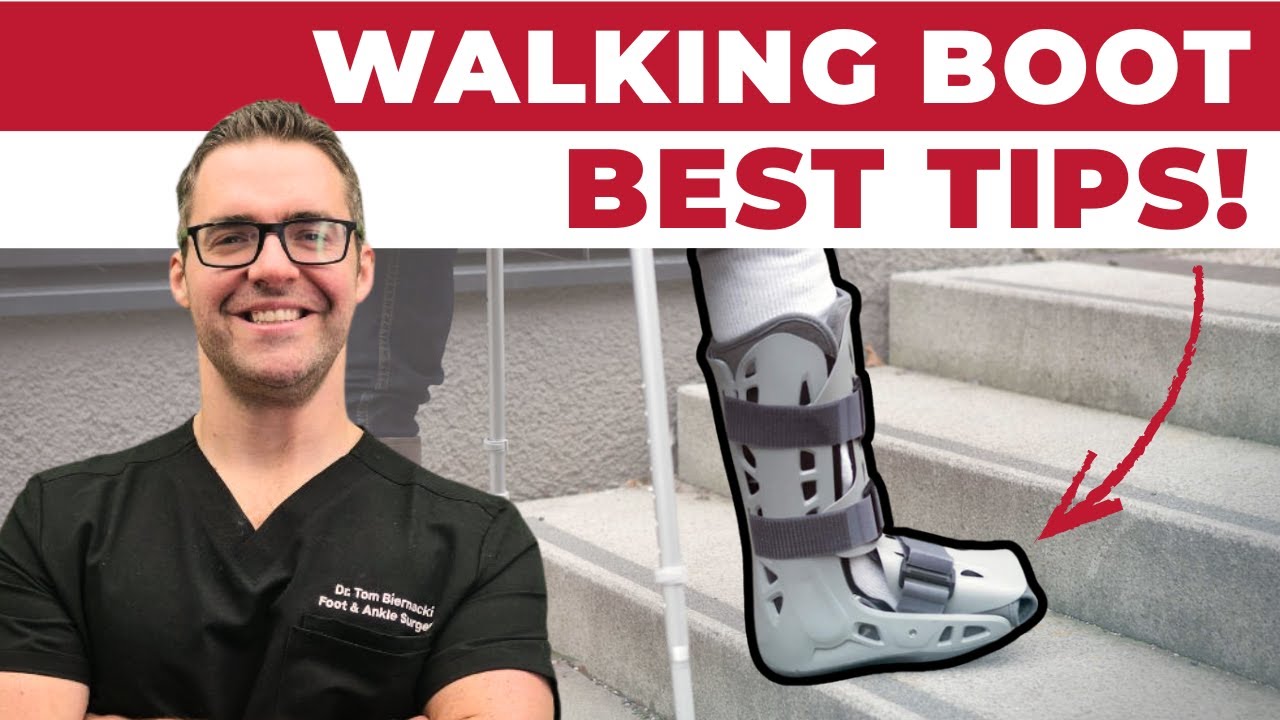
Non-weight-bearing is the single most important treatment variable. Patients who are strictly non-weight-bearing in a cast (not a removable boot) have union rates of 86–92%, compared to 54–65% for those allowed partial weight-bearing (Khan et al.). A removable boot is acceptable only for patients who can demonstrate complete compliance; otherwise a cast is preferred.
⚠️ When to seek immediate evaluation for midfoot pain:
- Pinpoint dorsal midfoot tenderness in an athlete
- Midfoot pain that began gradually and has lasted more than 2 weeks
- Pain that worsens during activity and improves with complete rest
- Any swelling or bruising on the top of the foot without known injury
- Athlete experiencing bone pain anywhere — nutritional risk factors present
Return to Sport
Return to sport after navicular stress fracture is determined by clinical and imaging criteria, not calendar time alone. We require: (1) complete clinical resolution of N-spot tenderness, (2) CT or MRI confirmation of cortical bridging, and (3) successful completion of a graduated return-to-running protocol. The minimum realistic timeline is 12 weeks for Type I fractures, 16 weeks for Type II, and 20–26 weeks for surgical cases. Athletes who return before these criteria are met face a substantial risk of complete fracture and surgical intervention.
Frequently Asked Questions
How do I know if I have a navicular stress fracture?
The key clinical sign is pinpoint tenderness on the dorsal (top) surface of the navicular bone — the “N-spot.” If pressing on the top of your midfoot reproduces your pain, you need imaging. X-rays are often negative; MRI is necessary for definitive diagnosis.
How long does a navicular stress fracture take to heal?
Type I: 6–8 weeks non-weight-bearing + 4–6 weeks graduated return to sport. Type II: 8–12 weeks + 6–8 weeks return to sport. Type III (surgical): 16–26 weeks total. These timelines assume strict non-weight-bearing compliance.
Can I walk on a navicular stress fracture?
No — walking on a navicular stress fracture significantly increases the risk of non-union (failure to heal) or progression to a complete fracture. Strict non-weight-bearing in a cast or boot is required from the day of diagnosis.
Will a navicular stress fracture heal on its own?
Type I fractures heal conservatively in 86–92% of cases with strict non-weight-bearing. Type II and III fractures have higher non-union rates with conservative treatment and are often better managed surgically, especially in competitive athletes.
Is surgery required for navicular stress fracture?
Surgery is not always required. Type I fractures are managed conservatively in most cases. Surgery (screw fixation) is recommended for Type II–III fractures, competitive athletes who need reliable return-to-sport timelines, or any fracture that fails to heal with 3+ months of conservative care.
Sources
- Khan KM, et al. Stress fractures in athletes. Sports Med. 1994;17(1):65-89.
- Saxena A, et al. Navicular stress fractures: a new classification system. J Foot Ankle Surg. 2000;39(2):96-103.
- Boden BP, et al. High-risk stress fractures. Clin Sports Med. 2006;25(1):15-33.
- Malliaropoulos N, et al. Navicular stress fractures: return to sport. Br J Sports Med. 2024;58(3):166-172.
Ready to Get Relief?
Same-day appointments available in Howell & Bloomfield Township, MI
4.9★ | 1,123 Reviews | 3,000+ Surgeries
Or call: (810) 206-1402
What is Stress fracture?
Stress fracture is a common foot/ankle condition that affects mobility and quality of life. Understanding the underlying cause is the first step in successful treatment. Our podiatrists at Balance Foot & Ankle perform a hands-on biomechanical exam, review your activity history, and use diagnostic imaging when appropriate to identify the root cause—not just treat the symptom. Many patients have been told to “rest and ice” without a deeper diagnostic workup; our approach is different.
Symptoms and warning signs
Common signs of stress fracture include pain that worsens with activity, morning stiffness, swelling, tenderness when palpated, and difficulty bearing weight. If you experience sudden severe pain, inability to walk, visible deformity, numbness or color change, contact our office the same day or visit urgent care—these can signal a more serious injury such as a fracture, tendon rupture, or vascular compromise. Diabetics with any foot wound should seek same-day care.
Conservative treatment options
Most cases of stress fracture respond to non-surgical care: structured rest, supportive footwear changes, custom orthotics, targeted stretching and strengthening protocols, anti-inflammatory medications when medically appropriate, and in-office procedures such as ultrasound-guided injections. We also offer advanced therapies including MLS laser therapy, EPAT/shockwave, regenerative injections, and image-guided procedures. Treatment is sequenced from least invasive to most invasive, and we explain the rationale at every step.
When is surgery considered?
Surgery is reserved for cases that fail 3-6 months of well-structured conservative care, when there is structural pathology (severe deformity, complete tear, advanced arthritis), or when imaging shows damage that will not heal without intervention. Our surgeons have performed 3,000+ foot and ankle procedures and prioritize minimally-invasive techniques whenever appropriate. We discuss recovery timelines, return-to-activity milestones, and realistic outcome expectations before any procedure is scheduled.
Recovery timeline and prevention
Recovery from stress fracture varies based on severity and chosen treatment path. Conservative cases often improve within 4-8 weeks with consistent adherence to the protocol. Post-procedural recovery may range from a few days (in-office procedures) to several months (reconstructive surgery). Long-term prevention involves footwear assessment, activity modification, structured strengthening, and regular check-ins with your podiatrist if you have a history of recurrence. We provide written home-exercise plans and digital follow-up support.
Ready to feel better?
Same-week appointments available in Howell and Bloomfield Township, Michigan.
Book Your VisitIn-Office Treatment at Balance Foot & Ankle
If home treatment isn’t providing relief for your navicular stress fracture treatment, our podiatry team at Balance Foot & Ankle can help with same-day evaluations and advanced in-office care.
Ready to Get Relief?
Same-day appointments available in Howell & Bloomfield Township, MI
4.9★ | 1,123 Reviews | 3,000+ Surgeries
Or call: (810) 206-1402

Dr. Tom Biernacki, DPM is a board-certified foot & ankle surgeon (ABFAS & ABPM) at Balance Foot & Ankle Specialists in Southeast Michigan. With over a decade of clinical experience, he specializes in heel pain, bunions, diabetic foot care, sports injuries, and minimally invasive surgery. Dr. Biernacki is a member of the APMA and ACFAS, and his patient education content on MichiganFootDoctors.com and YouTube has made him one of the most-followed foot & ankle educators on YouTube.
More questions patients ask
What is a navicular stress fracture?
The navicular bone sits at the top of the midfoot arch and is vulnerable to stress fractures at its central third, which has the poorest blood supply. Navicular stress fractures are most common in sprinters, basketball players, jumpers, and military recruits — athletes who perform explosive push-off. Pain is located at the dorsal (top) midfoot, often described as a vague ache that worsens with activity and is pinpoint tender on palpation of the 'N-spot' at the top of the navicular.
How is a navicular stress fracture diagnosed?
X-rays are normal in up to 80% of cases, making MRI or CT the required diagnostic standard. MRI shows bone marrow edema and the fracture line with high sensitivity. CT better characterizes fracture anatomy — whether it is a partial stress reaction, incomplete fracture, or complete fracture extending through the bone — which guides treatment decisions. Diagnosis is often delayed because the condition is under-recognized.
What is the treatment for a navicular stress fracture?
Non-displaced navicular stress fractures require strict non-weight-bearing in a cast for 6–8 weeks — this is critically important, as partial weight-bearing leads to non-union. After X-ray confirmation of healing, a graduated return to running over 4–6 weeks is supervised by a podiatrist or sports medicine physician. Displaced or complete fractures, and fractures failing conservative care after 6–8 weeks, require surgical fixation with screws.
What is the return to sport timeline after a navicular stress fracture?
With proper non-weight-bearing and healing confirmed on CT, athletes typically return to sport in 3–5 months for partial stress reactions and 4–6 months for complete fractures. Athletes treated with surgery may return faster (3–4 months) when fixation is secure and healing is confirmed. Recurrence risk is significant — a graduated return-to-sport program supervised by a podiatrist with custom orthotics to reduce navicular load is essential.
Still have a question about coverage or cost? Book online and we will check your benefits before your visit: Book in Howell · Book in Bloomfield Township. Prefer to talk it through first? Call (810) 206-1402.