

The most important clinical decision with Neuropathy Vitamins Supplements isn’t which treatment to start with — it’s identifying the correct subtype. That changes everything. Call (810) 206-1402.
Dr. Tom’s Top Foot Health Supplements
Medically reviewed by Dr. Tom Biernacki, DPM
Board-certified podiatric surgeon | Balance Foot & Ankle
Last reviewed: May 2026
Affiliate disclosure: Amazon Associate. Always discuss supplements with your physician before starting.
Vitamin B12 Methylcobalamin
Neuropathy support · Nerve repair
PROS
- Active B12 form
- Sublingual absorption
- Neuropathy adjunct
CONS
- Effects take 2-3 months
- Doesn’t replace medical care
Alpha Lipoic Acid 600mg
Diabetic neuropathy · Nerve antioxidant
PROS
- Peer-reviewed for neuropathy
- Both fat- and water-soluble
- Clinical doses available
CONS
- Possible blood sugar effect
- GI upset possible
Acetyl-L-Carnitine (ALCAR)
Diabetic neuropathy · Energy
PROS
- Crosses blood-brain barrier
- Studied for nerve repair
- Pairs with ALA
CONS
- Effects gradual (3+ months)
- Higher cost
Vitamin D3 5000 IU
Bone health · Stress fracture prevention
PROS
- Improves bone density
- Most patients deficient
- Affordable preventive
CONS
- Get blood test first
- Toxicity at very high doses
Related Conditions
Quick Answer
Neuropathy Supplements 2026: Evidence-Based Guide Podiatris relates to foot neuropathy — typically caused by nerve compression or systemic. Most patients improve in varies by cause with conservative care. Same-week appointments in Howell + Bloomfield Township: (810) 206-1402.

Quick Answer
Diabetic peripheral neuropathy is nerve damage from prolonged hyperglycaemia, causing burning, tingling, numbness, or loss of protective sensation in the feet. It will not reverse without addressing glucose control. Daily foot checks, proper footwear, and annual monofilament testing prevent ulceration.
Watch: Dr. Tom Biernacki, DPM
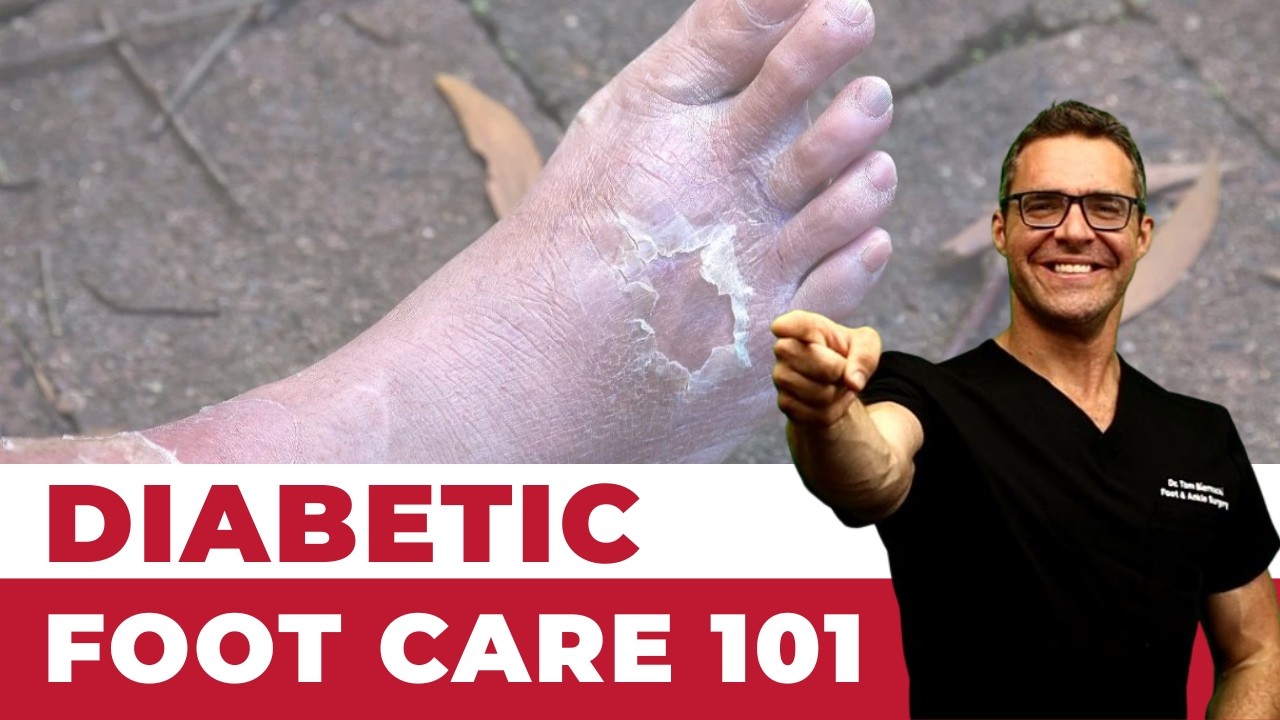
✅ Medically reviewed by Dr. Tom Biernacki, DPM — Board-certified podiatrist specializing in foot & ankle surgery. View credentials.
Can Vitamins Really Help Peripheral Neuropathy? For specialized treatment, see our neuropathy treatment Michigan.
Peripheral neuropathy—damage to the nerves that carry signals from your brain and spinal cord to the rest of your body—is one of the most challenging conditions I treat. Patients frequently ask about supplements, and for good reason: some have meaningful clinical evidence, while others are heavily marketed with little data to back them up.
As a podiatrist treating peripheral neuropathy daily, I’ve seen patients waste significant money on supplements that provide no benefit, while others avoid ones that could genuinely help. This guide covers what the evidence actually shows—organized by level of support, not by marketing claims.
Important caveat: supplements are not a substitute for treating the underlying cause of neuropathy. If your neuropathy is caused by diabetes, alcohol use, B12 deficiency, or chemotherapy, addressing that root cause is more important than any supplement. But for symptomatic management and nerve support, certain nutrients have real data behind them.
Vitamin B12: The Most Important Neuropathy Vitamin
Vitamin B12 deficiency is one of the most common and most underdiagnosed causes of peripheral neuropathy—and it’s entirely reversible if caught early. The peripheral nervous system requires B12 for myelin synthesis (the protective sheath around nerve fibers). Without adequate B12, the myelin degenerates and nerve conduction slows.
Who is at risk: Anyone over 60 (B12 absorption declines with age), patients on metformin (depletes B12 by 20-30% with long-term use), patients on proton pump inhibitors, strict vegetarians and vegans, and anyone with inflammatory bowel disease or gastric bypass surgery.
Testing is essential: Normal serum B12 levels are typically 200–900 pg/mL, but neurological symptoms can occur at levels as low as 300 pg/mL. I also check methylmalonic acid (MMA) and homocysteine levels—these are more sensitive markers of functional B12 deficiency and can be elevated even when serum B12 looks borderline normal.
Forms matter: Methylcobalamin is the neurologically active form and is preferred over cyanocobalamin for neuropathy. For patients with deficiency, intramuscular injections (1000 mcg monthly) may be more reliable than oral supplementation if absorption is impaired. For maintenance supplementation, oral methylcobalamin 1000–2000 mcg daily is reasonable.
Evidence level: Strong. Multiple controlled trials show B12 supplementation reverses neuropathy symptoms in deficient patients. Response is best when deficiency is caught before severe nerve damage occurs.
Alpha-Lipoic Acid (ALA): The Best-Studied Neuropathy Supplement
Alpha-lipoic acid is the most extensively studied supplement for peripheral neuropathy with actual randomized controlled trial data. It’s a potent antioxidant that works in both water-soluble and fat-soluble environments—unusual for an antioxidant. It reduces oxidative stress in nerve tissue and has been shown to improve nerve conduction velocity in diabetic peripheral neuropathy.
The SYDNEY trial (a key German multicenter RCT) and multiple follow-up studies showed that ALA at 600 mg/day for 5 weeks produced statistically significant improvements in the Total Symptom Score for diabetic neuropathy—including burning pain, stabbing pain, and numbness. Effects were seen as early as 3 weeks.
Dosing: 600 mg once daily, taken 30 minutes before a meal for best absorption. The R-form (R-ALA) is the biologically active isomer and some products standardize to this form. Standard racemic ALA (R+S mix) has been used in most clinical trials.
Practical consideration: ALA can slightly lower blood sugar. Diabetic patients on medication should monitor their glucose and discuss with their physician. It’s generally well-tolerated at the recommended dose.
Evidence level: Strong for diabetic peripheral neuropathy. Multiple RCTs including the SYDNEY 2 trial demonstrate benefit. Evidence is stronger for intravenous ALA (used in European clinics) but oral supplementation at 600 mg/day has positive data as well.
Benfotiamine: The Fat-Soluble B1 for Diabetic Neuropathy
Benfotiamine is a fat-soluble synthetic derivative of thiamine (vitamin B1). Unlike standard thiamine, it crosses cell membranes much more efficiently and achieves dramatically higher tissue levels. It works by activating transketolase, an enzyme that redirects excess glucose away from the pathways that cause nerve damage in diabetes.
Randomized controlled trials, particularly from the BEDIP study, showed benfotiamine significantly reduced the Neuropathy Symptom Score compared to placebo in patients with diabetic peripheral neuropathy. It appears to work through a different mechanism than ALA, making them potentially complementary.
Dosing: Typically 300–600 mg/day in divided doses. It’s significantly better absorbed than standard thiamine.
Best for: Specifically diabetic neuropathy driven by chronic hyperglycemia. Less evidence for other neuropathy types.
Evidence level: Good for diabetic neuropathy. Multiple RCTs with positive results, though trials are generally smaller than the ALA literature.
B-Complex Vitamins: B1, B6, and B12 Together
The B vitamins work synergistically in nerve metabolism. Several fixed-dose combinations of B1 (thiamine), B6 (pyridoxine), and B12 (methylcobalamin) are widely used internationally for neuropathy. The combination is sold under brand names like Neurobion and has been studied in multiple trials.
A critical caveat on B6: high-dose pyridoxine (typically over 100 mg/day for extended periods) can actually cause peripheral neuropathy rather than treat it. Many patients unknowingly take high-dose B6 in multiple supplements. Keep B6 under 100 mg/day total from all sources.
B1 (thiamine) deficiency is a specific cause of peripheral neuropathy seen in alcoholic neuropathy and some malnutrition states. If alcoholic neuropathy is suspected, thiamine supplementation is standard of care.
Acetyl-L-Carnitine (ALC): Nerve Repair and Pain Relief
Acetyl-L-carnitine is an amino acid derivative involved in mitochondrial energy metabolism. It has two potential mechanisms in neuropathy: improving nerve energy metabolism and directly stimulating nerve growth factor. Animal studies showed nerve regeneration; human trials have shown mixed but generally positive results for pain relief.
A systematic review published in the Journal of Diabetes Complications showed statistically significant improvements in nerve conduction velocity and neuropathic pain in patients taking ALC compared to placebo. Effects were seen at doses of 1500–3000 mg/day.
Evidence level: Moderate. Promising human trial data but smaller trials than ALA. Good safety profile at recommended doses.
Vitamin D: Underappreciated in Neuropathy
Vitamin D deficiency is extremely common (estimated 40% of US adults) and has been associated with increased neuropathic pain in multiple observational studies. Vitamin D receptors are present on peripheral nerves, and the vitamin plays a role in neuronal development and myelination.
Several small randomized trials in diabetic neuropathy patients showed that correcting vitamin D deficiency (targeting 25-OH vitamin D levels above 40 ng/mL) produced modest improvements in neuropathic symptoms and nerve conduction studies.
I routinely check 25-OH vitamin D in my neuropathy patients. If levels are below 30 ng/mL, supplementation is warranted regardless of neuropathy. I typically recommend 2000–4000 IU/day and recheck in 3 months, targeting levels of 40–60 ng/mL.
Evidence level: Moderate. Strong association between deficiency and neuropathy; correction of deficiency appears beneficial.
Omega-3 Fatty Acids: Anti-Inflammatory Nerve Support
EPA and DHA (the omega-3s found in fish oil) have anti-inflammatory properties that may benefit neuropathy driven by inflammation. A 2021 randomized trial in patients with chemotherapy-induced peripheral neuropathy showed significant reductions in pain and numbness with omega-3 supplementation compared to placebo.
For diabetic neuropathy, the evidence is mixed. Omega-3s appear most beneficial for neuropathy with a significant inflammatory component. The dose used in most neuropathy studies is 2–4 grams of combined EPA/DHA daily from fish oil.
Supplements With Weak or No Evidence
Many supplements are marketed for neuropathy with minimal clinical evidence. Caveat emptor:
Magnesium: Important for nerve function and often low in diabetics, but no strong RCT evidence for peripheral neuropathy specifically. Still worthwhile to check and correct if deficient.
Evening primrose oil (GLA): Some positive trials, but evidence quality is poor and results have not been replicated consistently.
Glutamine: Some evidence in chemotherapy-induced neuropathy prevention, but weak evidence for established neuropathy.
Methylated B vitamins marketed as “superior”: For patients without methylation gene variants (MTHFR), there’s no clear advantage of methylated forms over standard B vitamins at typical doses.
Building a Rational Supplement Protocol
For most patients with peripheral neuropathy, I recommend starting with the evidence-based core: checking and correcting B12 and vitamin D deficiencies, then considering ALA 600 mg/day as a maintenance antioxidant. Benfotiamine is a reasonable addition for diabetic neuropathy. Omega-3s are a rational choice for inflammatory neuropathy.
Always disclose all supplements to your physician—some interact with medications (ALA with metformin, omega-3s with blood thinners) and some can be problematic at high doses (B6 toxicity).
Supplements work best as part of a thorough approach that includes glycemic control for diabetic neuropathy, physical therapy, appropriate footwear to prevent injuries to numb feet, and regular podiatric monitoring to catch complications early.
Frequently Asked Questions
How long do neuropathy vitamins take to work?
Alpha-lipoic acid studies showed measurable improvement at 3–5 weeks with consistent daily use. B12 correction can improve symptoms within 1–3 months if deficiency was the cause, though severely damaged nerves may take 6–12 months to show full benefit. Supplements generally require 2–3 months of consistent use before drawing conclusions about effectiveness. Nerve healing is inherently slow—nerve fibers regenerate at approximately 1 mm per day.
Can supplements cure peripheral neuropathy?
No supplement can cure established nerve damage. However, if neuropathy was caused by a specific deficiency (particularly B12), correcting that deficiency can result in dramatic recovery—especially if caught before severe axonal damage. For other neuropathy types, supplements can slow progression, reduce symptoms, and support nerve health, but they work best as part of a thorough management plan that addresses the underlying cause.
Is alpha-lipoic acid safe for everyone with neuropathy?
ALA is generally well-tolerated at 600 mg/day. The main precaution is for diabetic patients on glucose-lowering medications—ALA can modestly lower blood sugar, so monitoring is appropriate when starting. Patients with thiamine deficiency (alcoholism, poor nutrition) should correct that first, as ALA theoretically could worsen thiamine-dependent pathways if thiamine is depleted. Pregnant women and those with thyroid conditions should discuss with their physician before starting ALA.
What’s the best vitamin for diabetic neuropathy specifically?
For diabetic peripheral neuropathy, alpha-lipoic acid has the strongest RCT evidence for symptomatic improvement. Benfotiamine addresses a specific mechanism of glucose-induced nerve damage and complements ALA. B12 should be checked especially in metformin users, as metformin significantly depletes B12 over time. Vitamin D correction is important if levels are low. These work best in combination with excellent glycemic control—no supplement can compensate for persistently high blood sugar.
Do I need a podiatrist if I have neuropathy?
Yes. Peripheral neuropathy in the feet creates serious risks that require specialized monitoring. Reduced sensation means you may not feel injuries, blisters, or ulcers until they’re severe. A podiatrist can perform monofilament testing to quantify sensation loss, identify early foot deformities that create pressure points, prescribe appropriate footwear and orthotics, treat nail and skin issues safely, and catch wounds before they become infections. For diabetic patients, ADA guidelines recommend at least annual podiatric examination—more frequently if sensation is significantly impaired.
Medical References & Sources
- PubMed Research — Alpha-Lipoic Acid Diabetic Neuropathy Trials
- NIH NINDS — Peripheral Neuropathy Information
- American Diabetes Association — Diabetic Foot Complications
- PubMed Research — Benfotiamine Neuropathy Studies
Dr. Tom Biernacki, DPM is a board-certified podiatrist at Balance Foot & Ankle with offices in Howell and Bloomfield Township, Michigan. He specializes in diabetic foot care, peripheral neuropathy management, and wound care.
Insurance Accepted
BCBS · Medicare · Aetna · Cigna · United Healthcare · HAP · Priority Health · Humana · View All →
Howell Office
4330 E Grand River Ave
Howell, MI 48843
Get Directions →
Bloomfield Township Office
43494 Woodward Ave, #208
Bloomfield Township, MI 48302
Get Directions →
Your Board-Certified Podiatrists



Ready to Get Back on Your Feet?
Same-week appointments available at both locations.
In-Office Treatment at Balance Foot & Ankle
If home care isn’t resolving your neuropathy symptoms, a visit with a board-certified podiatrist is the fastest path to accurate diagnosis and a personalized plan. At Balance Foot & Ankle Specialists, Dr. Tom Biernacki, Dr. Carl Jay, and Dr. Daria Gutkin offer same-day and next-day appointments at both our Howell and Bloomfield Township offices. We perform on-site diagnostic ultrasound, digital X-ray, conservative care, advanced regenerative treatments, and minimally invasive surgery when indicated.
Call (810) 206-1402 or request an appointment online. Most insurance plans accepted, including Medicare, Blue Cross Blue Shield, Aetna, Cigna, and United Healthcare.
Differential Diagnosis: What Else Could It Be?
Several conditions share symptoms with Diabetic Neuropathy and are commonly misdiagnosed in the first office visit. Considering these alternatives is part of every Balance Foot & Ankle exam:
- Tarsal tunnel syndrome. Burning radiating into the arch with positive Tinel’s at the medial ankle.
- Peripheral artery disease. Pain with walking that resolves with rest, weak pulses, hair loss on toes.
- Lumbar radiculopathy. Symptoms following a dermatome, often with back pain — MRI of spine, not foot.
If your symptoms don’t fit the textbook pattern, ask your podiatrist which differentials they ruled out — that conversation often shortcuts months of trial-and-error treatment.
In Our Clinic
Diabetic neuropathy patients in our clinic often don’t realize they have it until we put a 10-gram Semmes-Weinstein monofilament to the plantar foot and they can’t feel it. Many arrive for an unrelated concern — an ingrown toenail, a callus — and we catch the neuropathy on screening. The conversation then shifts: we need to discuss daily foot inspections, appropriate footwear, the urgency of any blister or open area, and the timing of vascular referral if pulses are diminished. Comprehensive diabetic foot exams are covered by Medicare annually. If you have diabetes, we want to see you once a year even if nothing hurts.
Most Common Mistake We See
The most common mistake we see is: Stopping B-vitamin supplementation as soon as symptoms improve. Fix: maintain supplementation for 6-18 months alongside strict glucose control.
Warning Signs That Need Same-Day Care
Seek immediate evaluation at Balance Foot & Ankle if you experience any of the following:
- Sudden loss of sensation on one side
- Wound on the foot not felt by the patient
- One-sided symptoms (rule out compression)
- Back pain plus leg symptoms (possible radiculopathy)
Call (810) 206-1402 — same-day and next-day appointments at our Howell and Bloomfield Township offices.
Pros & Cons of Conservative Care for diabetic foot care
Advantages
- ✓ Daily inspection prevents amputation
- ✓ Most insurance covers DME
- ✓ Custom orthotics help
Considerations
- ✗ Daily commitment required
- ✗ Slow wound healing
- ✗ Charcot risk if neuropathy
In This Article
- Quick Answer
- In-Office Treatment at Balance Foot & Ankle
- Differential Diagnosis: What Else Could It Be?
Several conditions share symptoms with Diabetic Neuropathy and are commonly misdiagnosed in the first office visit. Considering these alternatives is part of every Balance Foot & Ankle exam:Tarsal tunnel syndrome. Burning radiating into the arch with positive Tinel’s at the medial ankle.
Peripheral artery disease. Pain with walking that resolves with rest, weak pulses, hair loss on toes.
Lumbar radiculopathy. Symptoms following a dermatome, often with back pain — MRI of spine, not foot.If your symptoms don’t fit the textbook pattern, ask your podiatrist which differentials they ruled out — that conversation often shortcuts months of trial-and-error treatment.
In Our Clinic
Diabetic neuropathy patients in our clinic often don’t realize they have it until we put a 10-gram Semmes-Weinstein monofilament to the plantar foot and they can’t feel it. Many arrive for an unrelated concern — an ingrown toenail, a callus — and we catch the neuropathy on screening. The conversation then shifts: we need to discuss daily foot inspections, appropriate footwear, the urgency of any blister or open area, and the timing of vascular referral if pulses are diminished. Comprehensive diabetic foot exams are covered by Medicare annually. If you have diabetes, we want to see you once a year even if nothing hurts.Most Common Mistake We See
- Warning Signs That Need Same-Day Care
Dr. Tom’s Recommended Products for diabetic foot care
Affiliate disclosure: As an Amazon Associate, Balance Foot & Ankle earns from qualifying purchases. We only recommend products we use with patients.
Drew Moonwalker Diabetic Shoe Dr. Tom’s Pick
Best for: Medicare-covered diabetic footwear
Diabetic Compression Socks Dr. Tom’s Pick
Best for: Daily protection + circulation
Ready to Get Back on Your Feet?
Same-day appointments in Howell + Bloomfield Township. Most insurance accepted. Dr. Tom Biernacki, DPM & team.
Book Today — Same-Day Appointments Available
Call Now: (810) 206-1402
About Your Care Team at Balance Foot & Ankle
Dr. Tom Biernacki, DPM · Board-Certified Foot & Ankle Surgeon. Specializes in conservative-first care, minimally invasive bunion surgery, and complex reconstruction.
Dr. Carl Jay, DPM · Accepting new patients. Specializes in sports medicine, athletic injuries, and routine podiatric care.
Dr. Daria Gutkin, DPM, AACFAS · Accepting new patients. Specializes in surgical reconstruction and pediatric podiatry.
Locations: 4330 E Grand River Ave, Howell, MI 48843 · 43494 Woodward Ave Suite 208, Bloomfield Township, MI 48302
Hours: Mon–Fri 8:00 AM – 5:00 PM · (810) 206-1402
Ready for Expert Care?
Same-day appointments in Howell & Bloomfield Township, MI.
4.9★ | 1,123 Reviews | 3,000+ Surgeries
Or call: (810) 206-1402
