
Medically reviewed by Dr. Tom Biernacki, DPM
Board-certified podiatric surgeon | Balance Foot & Ankle, Howell & Bloomfield Township, MI
Last reviewed: May 2026

| Feature | High Arch (Cavus) Foot | Flat Foot (Planus) Foot |
|---|---|---|
| Arch height | Elevated; talar head covered | Collapsed; talar head uncovered |
| Subtalar motion | Rigid, supinated (limited eversion) | Hypermobile, pronated (excessive eversion) |
| Shock absorption | Poor (rigid foot) | Variable (may be excessive or poor) |
| Typical injuries | Lateral ankle sprains, 5th met stress fx, plantar fasciitis, IT band | Plantar fasciitis, shin splints, posterior tibial tendon, medial knee |
| Shoe wear pattern | Outer heel + outer forefoot | Inner heel + inner forefoot |
| Orthotic type | Accommodative + lateral wedge (valgus post) | Functional/semi-rigid + medial post (varus) |
| Footwear recommendation | Neutral/cushioned, curved last | Stability or motion-control, straight last |
| Neurological workup | Yes — rule out CMT if progressive or bilateral | Rarely needed (usually structural) |
| Cavus Foot Injury | Mechanism | Orthotic Feature That Helps | Additional Treatment |
|---|---|---|---|
| Lateral ankle sprains (recurrent) | Varus heel positioning → inversion tendency | Lateral rearfoot wedge (valgus post) | Peroneal strengthening + ankle bracing |
| 5th metatarsal stress fracture | Lateral column overloading | Lateral forefoot cushioning + met pad | Non-weight-bearing boot; surgery if Jones zone II |
| Plantar fasciitis | Shortened, tense plantar fascia in high arch | Cushioned heel + soft top cover | Stretching (different approach than flat foot PF) |
| Metatarsalgia (1st + 5th heads) | Rigid foot = poor load distribution | Full metatarsal pad + soft top cover | Cushioned forefoot shoes |
| Peroneal tendinopathy | Chronic supination strains peroneals | Lateral wedge reduces supination | Eccentric peroneal strengthening |
| IT band / lateral knee pain | Supination → lateral force chain to knee | Lateral wedge + cushioning | Hip abductor strengthening + IT band stretching |
Quick answer: Orthotics For High Arches is a common foot/ankle topic that affects many patients. The 2026 evidence-based approach combines proper diagnosis, conservative-first treatment, and escalation only when needed. We treat this regularly at our Howell and Bloomfield Township practices. Call (810) 206-1402.
Medically Reviewed | Dr. Tom Biernacki, DPM | Board-Certified Podiatrist | Balance Foot & Ankle, Michigan | 5,000+ patients/year
The most important clinical decision with Orthotics For High Arches isn’t which treatment to start with — it’s identifying the correct subtype. That changes everything. Call (810) 206-1402.
The most important clinical decision with Orthotics For High Arches isn’t which treatment to start with — it’s identifying the correct subtype. That changes everything. Call (810) 206-1402.
Why High Arches Need Different Orthotics Than Flat Feet
High-arched feet (pes cavus) have the opposite problem from flat feet: too much arch, not too little. The rigid, supinating high-arched foot is a poor shock absorber — concentrated pressure on the heel and metatarsal heads. Lateral ankle instability is common from the supinated position. Prescribing a rigid motion-control orthotic designed for flatfoot onto a high-arched foot makes things worse — it pushes against an already over-arched structure.
What High-Arch Orthotics Need
Arch fill (accommodation): The device should fill the arch space to distribute pressure across the entire plantar surface — preventing it from concentrating on the heel and metatarsal heads. Lateral wedging (lateral posting): Mild lateral forefoot or rearfoot posting encourages pronation — moving the foot toward neutral from its supinated default. Cushioning: A softer, more accommodative top cover distributes metatarsal and heel pressure better than the rigid devices used for flatfoot. Stability for lateral ankle: Deeper heel cup and lateral flange prevent the foot from rolling further into supination.
OTC Options for High Arches
CURREX RunPro (high-arch profile) — designed for high-arch runners. PowerStep Pinnacle Berry/Purple — accommodative with cushioning. Avoid firm motion-control insoles (PowerStep Pinnacle Maxx) which are designed for flatfoot — they will be uncomfortable and counterproductive for high-arch feet.
FAQs
Can orthotics lower a high arch? No — orthotics cannot structurally change arch height. They manage symptoms by distributing pressure and improving mechanical alignment. Significant symptomatic cavus feet — particularly with progressive neurological underlying cause — require surgical evaluation.
Michigan Foot & Ankle? See Dr. Biernacki In Person
Same-week appointments at our Howell and Bloomfield Township offices.
📞 (810) 206-1402 Book Online →When Shoes Aren’t Enough — Dr. Tom’s Top 9 Orthotics
About 30% of patients I see for foot pain need MORE than a great shoe — they need a structured insole. Below: my complete 2026 orthotic ranking with pros, cons, and the specific patient I’d give each one to.
★ DR. TOM’S COMPLETE 2026 ORTHOTIC RANKING
9 Best Prefab Orthotics by Use Case
PowerStep, CURREX, Spenco, Vionic, and Tread Labs — every orthotic I’ve fitted to thousands of patients across both Michigan offices. Each card includes pros, cons, and the specific patient I’d give it to. Real Amazon ratings, review counts, and prices below.
Best All-Purpose Orthotic for Most Patients
Semi-rigid arch shell + dual-layer cushion + deep heel cup. The orthotic I’ve fitted to more patients than any other for 15 years. APMA-accepted. Trim-to-fit design works in athletic shoes, casual shoes, and most work boots.

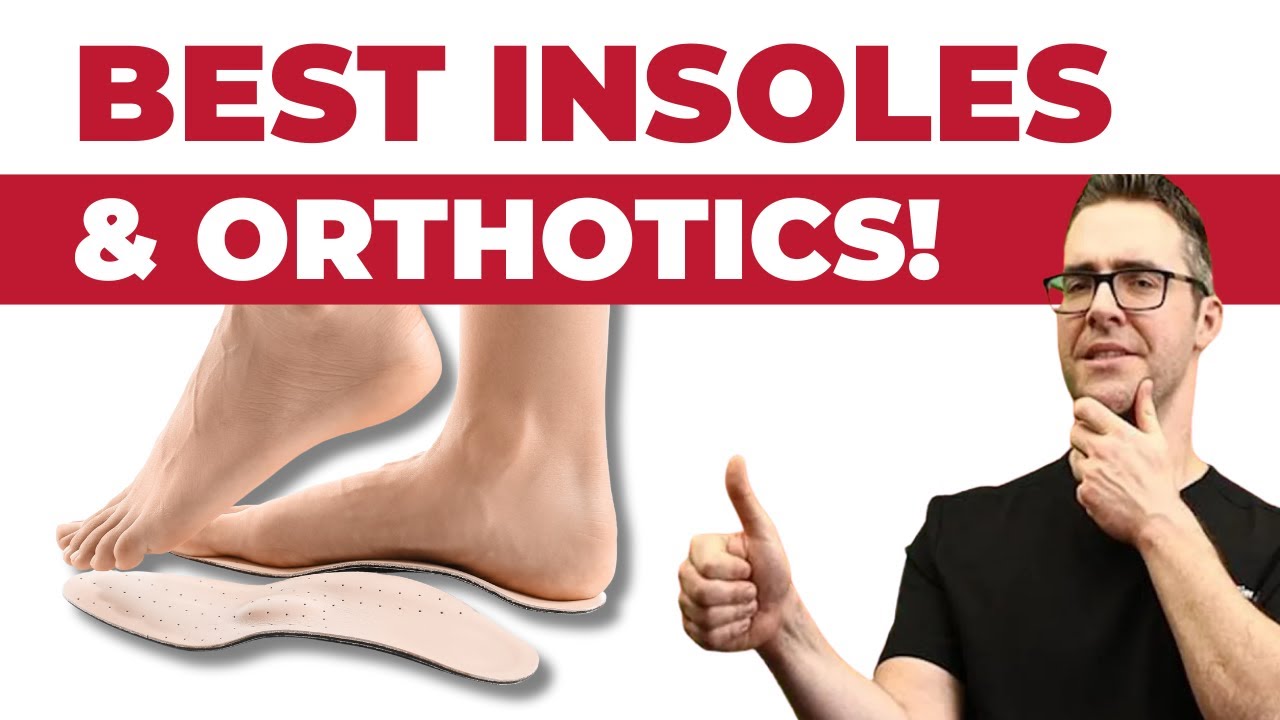
![Best Insoles & Orthotics 2026 [Flat Feet, Plantar Fasciitis, Bunions]](https://www.michiganfootdoctors.com/wp-content/cache/flying-press/c8bafcb9b179f8abb63d894b334fd14e.jpg)
Watch: Best Insoles & Orthotics 2026 [Flat Feet, Plantar Fasciitis, Bunions] — MichiganFootDoctors YouTube
✓ Pros
- Semi-rigid arch shell provides true biomechanical correction
- Deep heel cup centers the heel and reduces lateral instability
- Dual-layer cushion (top + bottom) lasts 9-12 months daily wear
- Available in 8 sizes for precise fit
- APMA-accepted and clinically validated
- APMA-accepted with superior cushioning versus rigid alternatives
✗ Cons
- Too thick for most dress shoes (use ProTech Slim instead)
- Some break-in period required (3-7 days for arch tolerance)
- Not enough correction for severe pes planus or rigid pes cavus
Dr. Tom’s Recommendation: If a patient has run-of-the-mill plantar fasciitis, mild flat feet, or arch fatigue, this is the first orthotic I try. Better value than most premium alternatives for 90% of patients, which is why it’s the first orthotic I reach for in the clinic. Sub-$50 typically.
Maximum Motion Control · Flat Feet & Severe Over-Pronation
PowerStep’s most aggressive stability orthotic. Adds a 2°-7° medial heel post on top of the standard PowerStep platform — designed specifically for flat-footed patients and severe pronators who need real corrective force.

✓ Pros
- 2°-7° medial heel post adds aggressive pronation control
- Same trusted PowerStep arch shell, more correction
- Built specifically for flat-foot biomechanics
- Excellent for posterior tibial tendon dysfunction (PTTD)
- Removable top cover for cleaning
✗ Cons
- Too aggressive for neutral-arch patients
- Needs longer break-in (10-14 days) due to stronger correction
- Adds 2-3 mm of stack height — won’t fit slim dress shoes
Dr. Tom’s Recommendation: When a patient comes in with significant flat feet AND symptoms (heel pain, arch pain, knee pain), the Original PowerStep isn’t aggressive enough. The Maxx is what gets prescribed. About 25% of my flat-footed patients end up here.
Low-Profile · Fits Dress Shoes & Narrow Casuals
3 mm slim profile with podiatrist-designed tri-planar arch technology. Engineered specifically to fit inside dress shoes, oxfords, loafers, and women’s flats without crowding the toe box. Vionic was founded by an Australian podiatrist.
✓ Pros
- 3 mm slim profile (vs 7-10 mm for standard orthotics)
- Tri-planar arch technology adds support without bulk
- Built-in deep heel cup despite slim design
- Fits dress shoes WITHOUT having to remove the factory insole
- Trim-to-fit · APMA-accepted
✗ Cons
- Less arch support than full-volume orthotics
- Top cover wears faster than thicker alternatives
- Not enough correction for severe foot deformities
Dr. Tom’s Recommendation: My default when a patient says ‘I need orthotics but I have to wear dress shoes for work.’ Slim enough to fit in oxfords and pumps without the heel sliding out. The single highest-impact change you can make for office workers with foot pain.
Built-In Metatarsal Pad · Morton’s Neuroma · Ball-of-Foot Pain
Standard Pinnacle orthotic with a built-in metatarsal pad positioned proximal to the metatarsal heads — the exact location that offloads neuromas and metatarsalgia. No need for separate met pads or pad placement guesswork.

✓ Pros
- Built-in met pad eliminates DIY pad placement errors
- Specifically designed for Morton’s neuroma + metatarsalgia
- Same trusted PowerStep arch + heel cup platform
- Top cover protects sensitive forefoot skin
- Faster relief than orthotics + add-on met pads
✗ Cons
- Met pad position is fixed (can’t fine-tune individual placement)
- Some patients with very small or very large feet need custom
- Slightly thicker than the standard Pinnacle
Dr. Tom’s Recommendation: If a patient has Morton’s neuroma, sesamoiditis, or generalized ball-of-foot pain (metatarsalgia), this saves a clinic visit and a prescription. The built-in pad placement is anatomically correct for 80% of feet. Way better than DIY met pads.
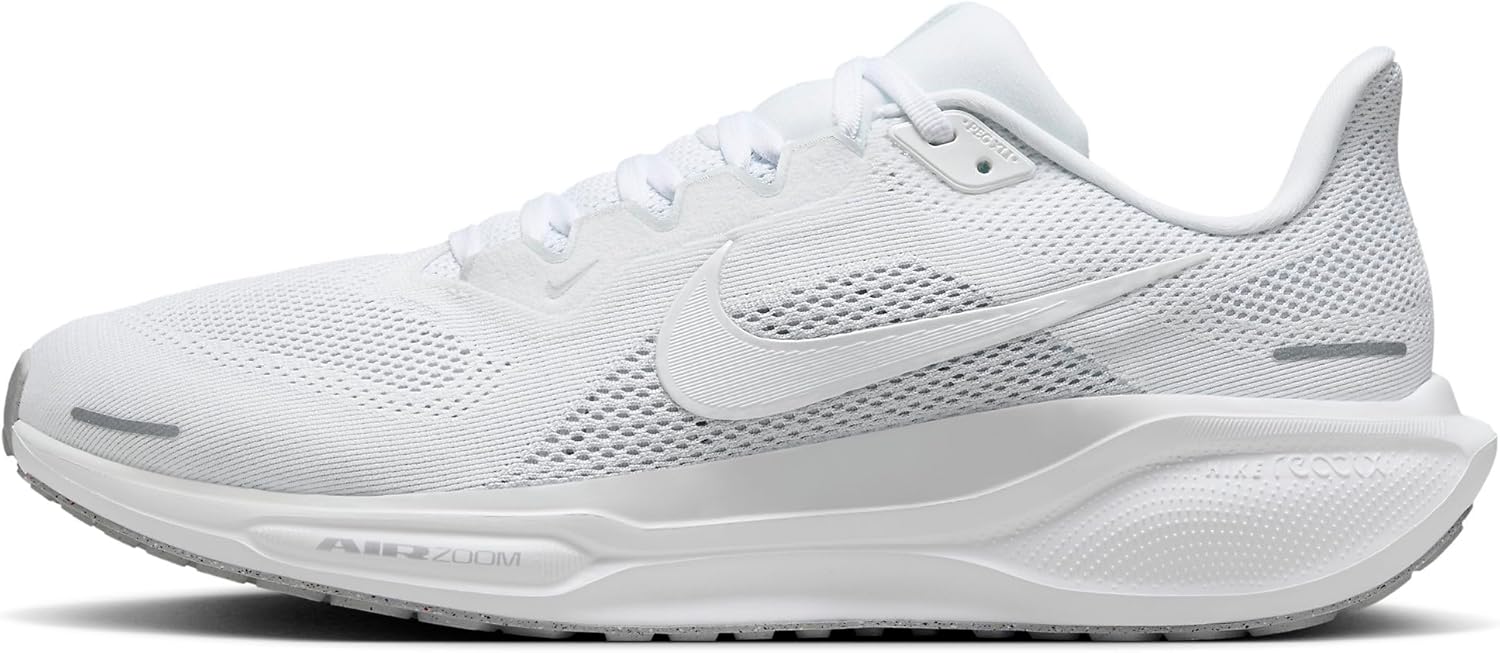
Adaptive Dynamic Arch · Athletic & Daily Wear
Currex’s flagship adaptive arch technology — the orthotic flexes with your gait instead of fighting it. Different stiffness zones along the length give you targeted support at the heel, midfoot, and forefoot. Available in three arch heights (low/medium/high).
✓ Pros
- Dynamic flex zones adapt to natural gait cycle
- Three arch heights ensure precise fit
- Lighter than rigid orthotics (no ‘heavy foot’ feel)
- Excellent for runners and athletic walkers
- European podiatric design (German engineering)
✗ Cons
- More expensive than PowerStep Original ($55-65 typically)
- Less aggressive correction than Pinnacle Maxx for severe cases
- Three arch heights means you must self-select correctly
Dr. Tom’s Recommendation: I started recommending Currex three years ago for runners who said PowerStep felt ‘too rigid.’ The dynamic flex zones respect natural gait. Best for active patients who walk 8K+ steps daily and don’t need maximum motion control.
Running-Specific · Heel Strike + Forefoot Strike Compatible
Currex’s purpose-built running orthotic. The midfoot flex zone is positioned for runner’s gait mechanics, with a flared heel cushion for heel strikers and a forefoot rocker for midfoot/forefoot strikers. Tested on 1000+ runners during product development.

✓ Pros
- Designed by German biomechanics lab specifically for runners
- Dynamic arch flexes with running gait (not static like PowerStep)
- Three arch heights (low/medium/high)
- Reduces overuse injury risk in mid-distance runners
- Lightweight (no impact on cadence)
✗ Cons
- Premium price ($60-75)
- Not aggressive enough for severe over-pronators (use Pinnacle Maxx)
- Runner-specific design = less ideal for daily walking shoes
Dr. Tom’s Recommendation: If a patient runs 20+ miles per week and has plantar fasciitis or shin splints, this is the orthotic I prescribe. The dynamic flex zones respect running biomechanics in a way that no rigid PowerStep can match. Pricier but worth it for serious runners.
Cavus Foot & High-Arch Patients
Polyurethane base with a deeper heel cup and higher arch profile than PowerStep — built for cavus (high-arched) feet that need maximum cushion and support. The 5-zone cushioning system addresses the unique pressure points of high-arch feet.

✓ Pros
- Deeper heel cup centers the heel for cavus foot stability
- Higher arch profile fills the void under high arches
- 5-zone cushioning addresses cavus foot pressure points
- Polyurethane base lasts 12+ months
- Available in Wide width
✗ Cons
- Too tall/aggressive for normal or low arches
- Won’t fit slim dress shoes
- Pricier than PowerStep Original
- Some patients find the arch height uncomfortable initially
Dr. Tom’s Recommendation: Cavus foot patients are often misdiagnosed and given low-arch orthotics — that makes everything worse. Spenco’s Total Support has the arch profile that high-arch feet actually need. About 15% of my patients have cavus feet; this is what they wear.
Cushion Layer · Standing All Day · Gel Pressure Relief
NOT a true biomechanical orthotic — this is a cushion insole. But for patients who want gel pressure relief instead of arch correction (or to add ON TOP of factory insoles in work boots), this is the best gel option on Amazon.

✓ Pros
- Genuine gel cushioning (not foam pretending to be gel)
- Targeted gel waves under heel and ball of foot
- Trim-to-fit · works in most shoe types
- Sub-$15 price (most affordable option in this list)
- Massaging texture is genuinely soothing
✗ Cons
- ZERO arch support — this is cushion only
- Won’t fix plantar fasciitis or flat-foot issues
- Compresses faster than PowerStep (4-6 months)
- Top cover wears through in high-mileage applications
Dr. Tom’s Recommendation: I recommend these to patients who tell me ‘I just want my feet to stop hurting at the end of my shift’ and who don’t have a biomechanical issue. Construction workers, factory workers, retail. Pure cushion does the job for them.
Tight-Fitting Shoes · Cycling Shoes · Hockey Skates
Tread Labs Pace insole with firm orthotic arch support for flat feet and plantar fasciitis relief. The replaceable top cover design makes it one of the most durable picks in this guide — backed by a million-mile guarantee and recommended for tight-fitting athletic footwear.

✓ Pros
- Firm orthotic arch support shell (podiatrist-grade)
- Slim profile fits tight athletic footwear
- Lasts 12+ months daily wear
- Excellent for cycling shoes specifically
- Built-in odor-control treatment
✗ Cons
- Premium price ($45-55)
- Less cushion than PowerStep equivalents
- Not as aggressive correction as Pinnacle Maxx for flat feet
- The signature ‘heel cup feel’ takes 1-2 weeks to adapt to
Dr. Tom’s Recommendation: If you’re a cyclist with foot numbness, hot spots, or knee pain — this is the orthotic. The stabilizer cap solves cycling-specific biomechanical issues that no other orthotic addresses. Worth the premium for athletes.
None of these solving your foot pain?
Some patients (about 30%) need custom-molded prescription orthotics. We make 3D-scanned custom orthotics in our Howell and Bloomfield Township offices — specifically built for your foot mechanics.
Schedule a Custom Orthotic Fitting →FSA/HSA eligible · Most insurance accepted · (810) 206-1402

⚠️ Most Common Mistake: Using Arch-Support Orthotics Designed for Flat Feet on High Arches
High-arched (cavus) feet and flat feet require opposite orthotic designs. Standard arch-support insoles push upward on the arch — appropriate for flat feet to prevent collapse, but counterproductive for high arches that are already rigid and elevated. For cavus feet, orthotics should ACCOMMODATE and cushion (not elevate), distribute pressure across the whole foot (the high arch concentrates load under the heel and ball), and provide lateral heel posting to improve stability in a supination-prone foot. Using a flat-foot orthotic on a high-arched foot can increase arch pain, lateral ankle instability risk, and forefoot pressure. Always have arch type assessed before orthotic prescription.
Frequently Asked Questions
Recommended by Dr. Biernacki
Products our Michigan patients trust for foot & ankle recovery — curated by Dr. Tom.
Shop Foundation Wellness Products →In-Office Treatment at Balance Foot & Ankle
If home treatment isn’t providing relief for your custom orthotics, our podiatry team at Balance Foot & Ankle can help with same-day evaluations and advanced in-office care.
OrthoInfo – AAOS: Cavus Foot (High-Arched Foot)
Ready to Get Relief?
Same-day appointments available in Howell & Bloomfield Township, MI
4.9★ | 1,123 Reviews | 3,000+ Surgeries
Or call: (810) 206-1402

Dr. Tom Biernacki, DPM is a board-certified foot & ankle surgeon (ABFAS & ABPM) at Balance Foot & Ankle Specialists in Southeast Michigan. With over a decade of clinical experience, he specializes in heel pain, bunions, diabetic foot care, sports injuries, and minimally invasive surgery. Dr. Biernacki is a member of the APMA and ACFAS, and his patient education content on MichiganFootDoctors.com and YouTube has made him one of the most-followed foot & ankle educators on YouTube.