
Paronychia: Acute vs Chronic — Diagnosis, Treatment, and When Surgery Is Required
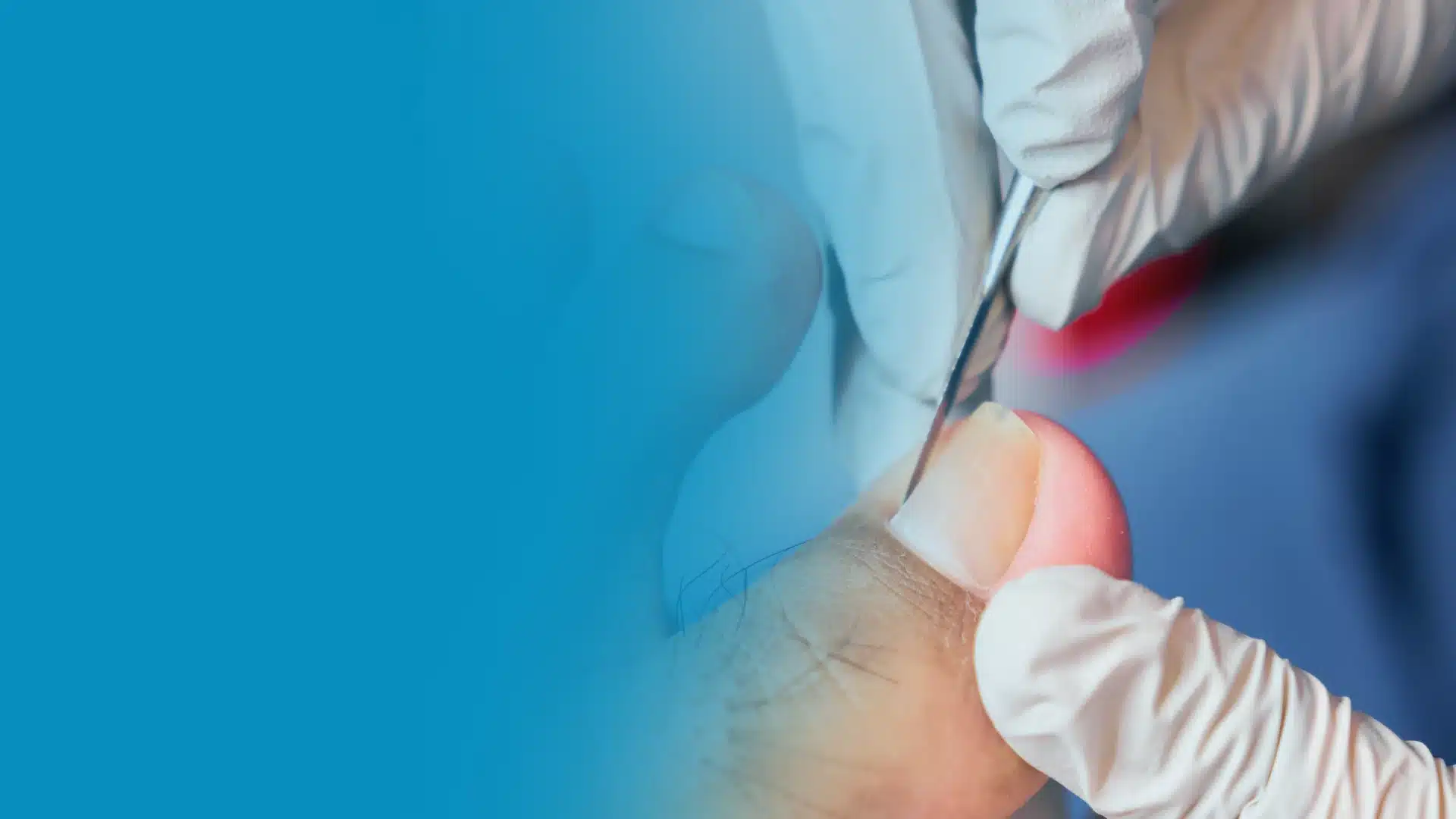
Paronychia is infection or inflammation of the nail fold — the skin that borders the nail on the sides and base. It is the most common hand infection and one of the most common nail conditions in the foot. The critical clinical distinction is acute vs chronic: acute paronychia is bacterial (usually Staphylococcus aureus) and responds to drainage; chronic paronychia is typically fungal (Candida), requires antifungal treatment, and often has a different underlying cause. Misidentifying chronic as acute leads to repeated failed antibiotic courses and unnecessary procedures.
| Feature | Acute Paronychia | Chronic Paronychia | Herpetic Whitlow (Viral — Must Not Drain) |
|---|---|---|---|
| Onset | Rapid — hours to 1-3 days; often following trauma (nail trimming, splinter, manicure); clear precipitating event | Gradual — weeks to months; insidious onset; history of repeated wet work or nail manipulation | Rapid — 1-2 weeks after exposure; preceded by tingling/burning prodrome before vesicles appear |
| Pathogen | Staphylococcus aureus (most common); Streptococcus; oral flora (human bite or nail-biting); occasional gram-negatives | Candida albicans (most common); often mixed fungal + bacterial; altered nail fold barrier allows Candida colonization | Herpes simplex virus (HSV-1 or HSV-2); vesicular, not suppurative; incision and drainage is CONTRAINDICATED — spreads virus |
| Appearance | Erythema, warmth, swelling of lateral or proximal nail fold; FLUCTUANCE (fluctuant pocket of pus) indicates need for drainage; may have visible pus track | Chronic nail fold thickening; cuticle retracted or absent; nail fold erythema; nail plate ridging and discoloration (nail dystrophy from chronic inflammation); less acute redness than bacterial | Cluster of clear or cloudy VESICLES on erythematous base; intense pain out of proportion; may have cervical lymphadenopathy; NO fluctuance (no pus pocket to drain) |
| Treatment | Without fluctuance: warm soaks + oral antibiotics (TMP-SMX or clindamycin for MRSA coverage); With fluctuance: INCISION AND DRAINAGE required — antibiotics alone won’t work; epinephrine-free digital block → #11 blade drainage → wound care | Keep dry (eliminate wet work); topical antifungal (clotrimazole or ketoconazole) to nail fold; systemic fluconazole for recurrent cases; address underlying cause (diabetes, immunosuppression, chronic nail-biting); avoid cuticle manipulation; may need nail fold marsupialization for chronic recurrence | Oral acyclovir (400mg TID × 7-10 days); warm soaks; NO incision (contraindicated — causes viral inoculation, bacterial superinfection, and delayed healing); resolves spontaneously in 2-3 weeks; recurrent cases may need suppressive valacyclovir |
| Antibiotic choice | Mild: dicloxacillin or cephalexin (community MSSA). Moderate-severe or risk factors for MRSA: TMP-SMX DS (1 tab BID) or clindamycin 300mg TID. Diabetic: broader coverage; wound culture before treating | Topical: clotrimazole 1% cream or ketoconazole 2% cream BID × 4-8 weeks minimum. Systemic (recurrent): fluconazole 100-150mg weekly × 6-12 weeks; itraconazole pulse for onychomycosis component | Acyclovir 400mg TID or valacyclovir 500mg BID × 7-10 days for primary episode; reduce duration if started early in prodrome |
| When to refer | Spreading cellulitis beyond nail fold; systemic signs (fever, lymphangitis = red streak); flexor tenosynovitis (pain with passive extension, fusiform swelling, fixed flexion = SURGICAL EMERGENCY); diabetic foot infection; failure to resolve in 48-72 hours with appropriate treatment | Non-response to topical antifungals after 8 weeks; underlying immunosuppression; suspected nail malignancy (melanonychia, subungual mass); complete nail dystrophy requiring nail avulsion | Immunocompromised patient; systemic spread (rare but serious); bacterial superinfection; eye involvement (herpetic keratitis risk) |
Paronychia vs Ingrown Toenail: Differential Diagnosis and Treatment
| Feature | Paronychia | Ingrown Toenail (Onychocryptosis) | Overlap (Infected Ingrown — Both Present) |
|---|---|---|---|
| Primary pathology | Infection of the nail fold tissue ITSELF; the nail may not be the primary driver; nail fold is the infected structure | Nail EDGE penetrating or impinging on the lateral nail fold; the nail plate is the primary driver; nail fold reacts secondarily to mechanical nail pressure | Nail edge has penetrated the lateral nail fold → bacterial infection of nail fold tissue; BOTH pathologies present simultaneously; very common presentation |
| Location | Can involve any nail fold: lateral folds OR proximal fold (base); proximal nail fold involvement suggests chronic/Candida; lateral involvement suggests nail edge issue | Almost exclusively LATERAL nail fold of the great toenail; 2nd toe occasionally; lateral only (not proximal) | Lateral great toenail nail fold; infected, granulation tissue present (proud flesh); may be draining pus; classic “ingrown toenail infection” |
| Key distinguishing question | “Did this start suddenly with redness and swelling WITHOUT a nail spike bothering you, OR after nail trimming trauma?” | “Is there a sharp nail spike or corner digging into the skin on the side of your toe?” | “Is there pus AND a nail edge digging in?” = infected ingrown; requires BOTH: nail edge treatment (partial nail avulsion) AND infection management |
| Correct treatment | Warm soaks + antibiotics (if bacterial) OR antifungals (if chronic). Incision and drainage if fluctuant pus pocket. Do NOT perform nail avulsion if no nail edge involvement — this is a nail fold infection, not an ingrown nail | Conservative (mild): cotton wisping + proper nail trimming × 4-6 weeks. Moderate-severe: partial nail avulsion under digital block — remove the offending nail edge; phenolization of nail matrix prevents regrowth of the edge (matrixectomy) | Stage 1 (mild): antibiotics + conservative nail care. Stage 2 (granulation, no pus): partial nail avulsion + antibiotics. Stage 3 (infection + granulation + drainage): partial nail avulsion with phenol matrixectomy + antibiotics; this is the most effective single-session solution for recurrent infected ingrown nails |
| Recurrence prevention | Address root cause: diabetes management, nail-biting cessation, proper nail care training, antifungal maintenance if chronic Candida. Cuticle manipulation is the #1 preventable cause of acute paronychia in the foot. | Proper nail trimming technique: cut straight across, do NOT round corners, do NOT cut too short; wide toe-box footwear; phenol matrixectomy is the definitive long-term prevention (1-3% recurrence rate vs 70%+ with nail avulsion alone) | Phenol matrixectomy (chemical permanent edge removal) is standard of care for recurrent infected ingrown toenails; in-office under digital block; excellent outcomes; 1-3% recurrence rate; covered by most insurance plans |
Board-Certified Podiatric Foot & Ankle Surgeon · Last reviewed: May 5, 2026
Quick answer: Paronychia is a bacterial or fungal infection of the skin around your toenail or fingernail. Early stage: warm Epsom soaks 3x daily + topical antibiotic. Pus or red streaks = see a doctor today for drainage + oral antibiotics. Diabetics: don’t self-treat — paronychia in diabetics is a 911 for the foot. — Dr. Tom Biernacki, DPM, board-certified podiatrist (Michigan Foot Doctors).
Medically reviewed by Dr. Tom Biernacki, DPM
Board-certified podiatric surgeon | Balance Foot & Ankle | Last reviewed: April 2026
The most important clinical decision with Paronychia (Infected Toenail): Causes & Treatment isn’t which treatment to choose — it’s identifying which subtype you have first. Our podiatrists see patients treated for the wrong subtype for months before the correct diagnosis leads to full resolution. Call (810) 206-1402 — expert podiatric care across Michigan.
That throbbing, red swelling around your toenail is one of the most uncomfortable foot problems we see in our Howell and Bloomfield Hills clinics. Paronychia — a nail fold infection — sounds serious, but most cases resolve quickly with the right treatment. The danger is ignoring it until the infection spreads deeper into the toe.
What Is Paronychia?
Paronychia is an infection of the nail fold — the skin that borders the sides and base of your nail. It is one of the most common soft-tissue infections of the foot and hand. When the infection develops rapidly (within days), it is called acute paronychia. When it lingers for weeks or months, it is chronic paronychia. The two types have different causes and require different treatments, which is why an accurate diagnosis matters.
In our clinic, we see paronychia most often in people who cut their toenails too short, wear tight shoes, or have a history of ingrown toenails. The big toe is by far the most commonly affected digit.
Key takeaway: Paronychia is a nail fold infection — not the nail itself. Treating the surrounding skin is the key to resolution.
Acute vs. Chronic Paronychia: Key Differences
Understanding which type you have determines the entire treatment approach:
- Acute paronychia — Rapid onset (hours to days), red and swollen nail fold, often with pus. Usually caused by Staphylococcus aureus bacteria. Associated with trauma — a nick from nail scissors, an ingrown toenail, or aggressive cuticle removal.
- Chronic paronychia — Develops slowly over weeks, less intense pain, swelling that comes and goes, sometimes with discoloration or nail changes. Usually caused by Candida yeast or other fungi. Common in people with diabetes, immunosuppression, or frequent water exposure.
- Mixed infection — Some chronic cases involve both bacteria and fungi simultaneously, requiring combination therapy.
A key clinical distinction: acute paronychia is usually hot and very painful; chronic paronychia has a more smoldering presentation with recurrent mild flares.
Symptoms of Paronychia
The symptoms of paronychia are concentrated around the nail edge and fold. What you notice depends on whether the infection is acute or chronic:
- Redness at one or both sides of the nail or at the cuticle
- Swelling of the nail fold — it may look puffy or raised
- Pain or tenderness when pressing on the nail edge
- Warmth over the affected area (more pronounced in acute)
- Pus or abscess visible under the skin (acute bacterial type)
- Nail changes — thickening, discoloration, separation from the nail bed (chronic type)
- Foul odor if abscess is present
In our clinic, patients sometimes confuse paronychia with an ingrown toenail. The distinction matters: an ingrown toenail has a nail spicule piercing the skin, while paronychia may occur without any nail penetration at all.
What Causes Paronychia?
Paronychia develops when bacteria or fungi gain access to the nail fold through a break in the skin. The most common causes we identify in practice:
- Improper nail trimming — cutting too short, rounding the corners, or tearing the nail
- Ingrown toenails — the nail edge pierces the fold, creating an entry point for bacteria
- Tight shoes — chronic pressure on the nail fold breaks down the skin barrier
- Trauma — stubbing a toe, dropping something on the foot, or repetitive friction in athletes
- Nail biting or picking — common cause in fingers, less so in toes
- Diabetes — elevated blood sugar impairs immune function and skin integrity
- Immunosuppression — any condition or medication that reduces immune response raises risk
- Chronic moisture exposure — swimmers, healthcare workers, dishwashers are predisposed to chronic fungal paronychia
Key takeaway: The most common cause of toenail paronychia in our practice is improper nail trimming combined with tight footwear. Trim nails straight across, not curved.
How Is Paronychia Diagnosed?
Diagnosing paronychia is primarily clinical — a physical exam and your history. When you visit us, we will assess the nail fold for signs of infection, check for an abscess (fluid collection), and determine whether a nail spicule is involved. In straightforward acute cases, no testing is needed. When we are not sure if bacteria or fungi are the culprit, we may culture any discharge.
Differential diagnosis: Conditions that can mimic paronychia include herpetic whitlow (a viral infection that causes vesicles), felon (a deeper fingertip infection), psoriasis affecting the nail fold, and contact dermatitis. In diabetic patients, we also consider osteomyelitis if the infection appears to be tracking deeper.
⚠️ See a podiatrist immediately if:
- Red streaks tracking up the toe or foot from the infection site
- Fever or chills alongside the toe swelling
- Pus pocket that does not drain or keeps refilling
- You have diabetes and any foot infection — do not wait
- The infection has not improved after 48 hours of home care
- The nail is separating from the nail bed
Paronychia Treatment Options
Treatment depends on whether the paronychia is acute or chronic, mild or severe:
Home Treatment for Mild Acute Paronychia
- Soak the affected toe in warm water 3–4 times daily for 15 minutes
- Add Epsom salt or mild soap to the soak
- Gently push the swollen skin away from the nail edge after soaking
- Avoid tight shoes and let the toe breathe
- Over-the-counter topical antibiotic ointment (bacitracin) can help early cases
Medical Treatment for Moderate to Severe Cases
- Oral antibiotics — usually a 7-day course (dicloxacillin, cephalexin, or trimethoprim-sulfamethoxazole if MRSA suspected)
- Incision and drainage (I&D) — if an abscess is present, we drain it under local anesthesia; immediate pain relief follows
- Partial nail removal — if an ingrown nail spicule is the cause, we remove the offending portion
- Antifungal therapy — for chronic paronychia: topical or oral antifungals (clotrimazole, fluconazole) for 4–12 weeks
- Steroid-antifungal combination — for chronic inflammatory paronychia, a topical steroid reduces inflammation while antifungal clears the yeast
One of the most common mistakes we see: patients with chronic paronychia treating it with antibiotics alone. Antibiotics won’t clear a fungal infection — and most chronic cases have a fungal component. If your paronychia keeps coming back, ask specifically about antifungal evaluation.
Paronychia Recovery and Prevention
Acute paronychia that is caught early typically resolves within 5–7 days of treatment. An abscess that is drained heals within 1–2 weeks. Chronic paronychia can take months to fully resolve and requires addressing the underlying cause (usually moisture exposure or diabetes management).
Prevention strategies that we recommend to every patient:
- Trim toenails straight across, not in a curved shape — leave a small white edge visible
- Wear shoes that fit properly without squeezing the toes
- Change socks daily, especially moisture-wicking socks for athletes
- Keep feet dry — change out of wet shoes promptly
- Moisturize the nail fold skin to prevent cracking
- If diabetic: inspect your feet and toenails daily, and see us at the first sign of redness
When Shoes Aren’t Enough — Dr. Tom’s Top 9 Orthotics
About 30% of patients I see for foot pain need MORE than a great shoe — they need a structured insole. Below: my complete 2026 orthotic ranking with pros, cons, and the specific patient I’d give each one to.
★ DR. TOM’S COMPLETE 2026 ORTHOTIC RANKING
9 Best Prefab Orthotics by Use Case
PowerStep, CURREX, Spenco, Vionic, and Tread Labs — every orthotic I’ve fitted to thousands of patients across both Michigan offices. Each card includes pros, cons, and the specific patient I’d give it to. Real Amazon ratings, review counts, and prices below.
Best All-Purpose Orthotic for Most Patients
Semi-rigid arch shell + dual-layer cushion + deep heel cup. The orthotic I’ve fitted to more patients than any other for 15 years. APMA-accepted. Trim-to-fit design works in athletic shoes, casual shoes, and most work boots.

✓ Pros
- Semi-rigid arch shell provides true biomechanical correction
- Deep heel cup centers the heel and reduces lateral instability
- Dual-layer cushion (top + bottom) lasts 9-12 months daily wear
- Available in 8 sizes for precise fit
- APMA-accepted and clinically validated
- APMA-accepted with superior cushioning versus rigid alternatives
✗ Cons
- Too thick for most dress shoes (use ProTech Slim instead)
- Some break-in period required (3-7 days for arch tolerance)
- Not enough correction for severe pes planus or rigid pes cavus
Dr. Tom’s Recommendation: If a patient has run-of-the-mill plantar fasciitis, mild flat feet, or arch fatigue, this is the first orthotic I try. Better value than most premium alternatives for 90% of patients, which is why it’s the first orthotic I reach for in the clinic. Sub-$50 typically.
Maximum Motion Control · Flat Feet & Severe Over-Pronation
PowerStep’s most aggressive stability orthotic. Adds a 2°-7° medial heel post on top of the standard PowerStep platform — designed specifically for flat-footed patients and severe pronators who need real corrective force.

✓ Pros
- 2°-7° medial heel post adds aggressive pronation control
- Same trusted PowerStep arch shell, more correction
- Built specifically for flat-foot biomechanics
- Excellent for posterior tibial tendon dysfunction (PTTD)
- Removable top cover for cleaning
✗ Cons
- Too aggressive for neutral-arch patients
- Needs longer break-in (10-14 days) due to stronger correction
- Adds 2-3 mm of stack height — won’t fit slim dress shoes
Dr. Tom’s Recommendation: When a patient comes in with significant flat feet AND symptoms (heel pain, arch pain, knee pain), the Original PowerStep isn’t aggressive enough. The Maxx is what gets prescribed. About 25% of my flat-footed patients end up here.
Low-Profile · Fits Dress Shoes & Narrow Casuals
3 mm slim profile with podiatrist-designed tri-planar arch technology. Engineered specifically to fit inside dress shoes, oxfords, loafers, and women’s flats without crowding the toe box. Vionic was founded by an Australian podiatrist.
✓ Pros
- 3 mm slim profile (vs 7-10 mm for standard orthotics)
- Tri-planar arch technology adds support without bulk
- Built-in deep heel cup despite slim design
- Fits dress shoes WITHOUT having to remove the factory insole
- Trim-to-fit · APMA-accepted
✗ Cons
- Less arch support than full-volume orthotics
- Top cover wears faster than thicker alternatives
- Not enough correction for severe foot deformities
Dr. Tom’s Recommendation: My default when a patient says ‘I need orthotics but I have to wear dress shoes for work.’ Slim enough to fit in oxfords and pumps without the heel sliding out. The single highest-impact change you can make for office workers with foot pain.
Built-In Metatarsal Pad · Morton’s Neuroma · Ball-of-Foot Pain
Standard Pinnacle orthotic with a built-in metatarsal pad positioned proximal to the metatarsal heads — the exact location that offloads neuromas and metatarsalgia. No need for separate met pads or pad placement guesswork.

✓ Pros
- Built-in met pad eliminates DIY pad placement errors
- Specifically designed for Morton’s neuroma + metatarsalgia
- Same trusted PowerStep arch + heel cup platform
- Top cover protects sensitive forefoot skin
- Faster relief than orthotics + add-on met pads
✗ Cons
- Met pad position is fixed (can’t fine-tune individual placement)
- Some patients with very small or very large feet need custom
- Slightly thicker than the standard Pinnacle
Dr. Tom’s Recommendation: If a patient has Morton’s neuroma, sesamoiditis, or generalized ball-of-foot pain (metatarsalgia), this saves a clinic visit and a prescription. The built-in pad placement is anatomically correct for 80% of feet. Way better than DIY met pads.
Adaptive Dynamic Arch · Athletic & Daily Wear
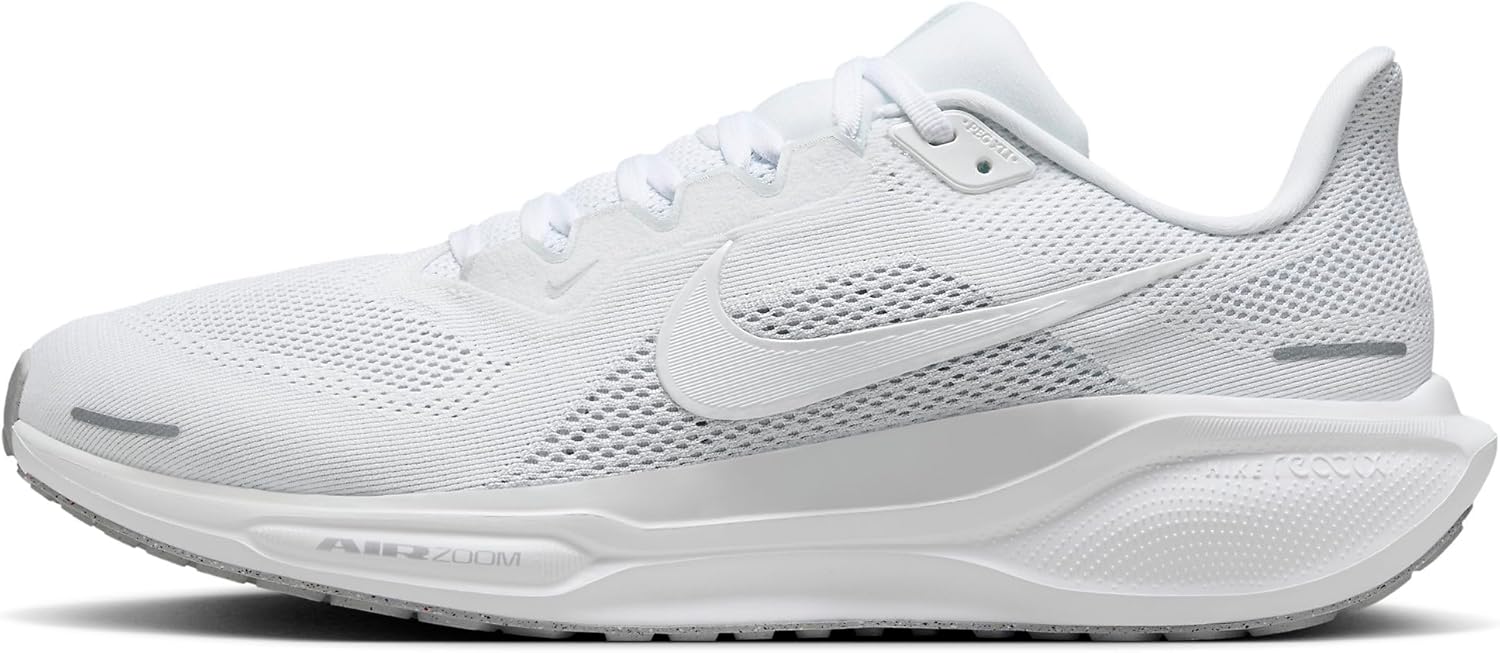
Currex’s flagship adaptive arch technology — the orthotic flexes with your gait instead of fighting it. Different stiffness zones along the length give you targeted support at the heel, midfoot, and forefoot. Available in three arch heights (low/medium/high).
✓ Pros
- Dynamic flex zones adapt to natural gait cycle
- Three arch heights ensure precise fit
- Lighter than rigid orthotics (no ‘heavy foot’ feel)
- Excellent for runners and athletic walkers
- European podiatric design (German engineering)
✗ Cons
- More expensive than PowerStep Original ($55-65 typically)
- Less aggressive correction than Pinnacle Maxx for severe cases
- Three arch heights means you must self-select correctly
Dr. Tom’s Recommendation: I started recommending Currex three years ago for runners who said PowerStep felt ‘too rigid.’ The dynamic flex zones respect natural gait. Best for active patients who walk 8K+ steps daily and don’t need maximum motion control.
Running-Specific · Heel Strike + Forefoot Strike Compatible
Currex’s purpose-built running orthotic. The midfoot flex zone is positioned for runner’s gait mechanics, with a flared heel cushion for heel strikers and a forefoot rocker for midfoot/forefoot strikers. Tested on 1000+ runners during product development.

✓ Pros
- Designed by German biomechanics lab specifically for runners
- Dynamic arch flexes with running gait (not static like PowerStep)
- Three arch heights (low/medium/high)
- Reduces overuse injury risk in mid-distance runners
- Lightweight (no impact on cadence)
✗ Cons
- Premium price ($60-75)
- Not aggressive enough for severe over-pronators (use Pinnacle Maxx)
- Runner-specific design = less ideal for daily walking shoes
Dr. Tom’s Recommendation: If a patient runs 20+ miles per week and has plantar fasciitis or shin splints, this is the orthotic I prescribe. The dynamic flex zones respect running biomechanics in a way that no rigid PowerStep can match. Pricier but worth it for serious runners.
Cavus Foot & High-Arch Patients
Polyurethane base with a deeper heel cup and higher arch profile than PowerStep — built for cavus (high-arched) feet that need maximum cushion and support. The 5-zone cushioning system addresses the unique pressure points of high-arch feet.

✓ Pros
- Deeper heel cup centers the heel for cavus foot stability
- Higher arch profile fills the void under high arches
- 5-zone cushioning addresses cavus foot pressure points
- Polyurethane base lasts 12+ months
- Available in Wide width
✗ Cons
- Too tall/aggressive for normal or low arches
- Won’t fit slim dress shoes
- Pricier than PowerStep Original
- Some patients find the arch height uncomfortable initially
Dr. Tom’s Recommendation: Cavus foot patients are often misdiagnosed and given low-arch orthotics — that makes everything worse. Spenco’s Total Support has the arch profile that high-arch feet actually need. About 15% of my patients have cavus feet; this is what they wear.
Cushion Layer · Standing All Day · Gel Pressure Relief
NOT a true biomechanical orthotic — this is a cushion insole. But for patients who want gel pressure relief instead of arch correction (or to add ON TOP of factory insoles in work boots), this is the best gel option on Amazon.

✓ Pros
- Genuine gel cushioning (not foam pretending to be gel)
- Targeted gel waves under heel and ball of foot
- Trim-to-fit · works in most shoe types
- Sub-$15 price (most affordable option in this list)
- Massaging texture is genuinely soothing
✗ Cons
- ZERO arch support — this is cushion only
- Won’t fix plantar fasciitis or flat-foot issues
- Compresses faster than PowerStep (4-6 months)
- Top cover wears through in high-mileage applications
Dr. Tom’s Recommendation: I recommend these to patients who tell me ‘I just want my feet to stop hurting at the end of my shift’ and who don’t have a biomechanical issue. Construction workers, factory workers, retail. Pure cushion does the job for them.
Tight-Fitting Shoes · Cycling Shoes · Hockey Skates
Tread Labs Pace insole with firm orthotic arch support for flat feet and plantar fasciitis relief. The replaceable top cover design makes it one of the most durable picks in this guide — backed by a million-mile guarantee and recommended for tight-fitting athletic footwear.

✓ Pros
- Firm orthotic arch support shell (podiatrist-grade)
- Slim profile fits tight athletic footwear
- Lasts 12+ months daily wear
- Excellent for cycling shoes specifically
- Built-in odor-control treatment
✗ Cons
- Premium price ($45-55)
- Less cushion than PowerStep equivalents
- Not as aggressive correction as Pinnacle Maxx for flat feet
- The signature ‘heel cup feel’ takes 1-2 weeks to adapt to
Dr. Tom’s Recommendation: If you’re a cyclist with foot numbness, hot spots, or knee pain — this is the orthotic. The stabilizer cap solves cycling-specific biomechanical issues that no other orthotic addresses. Worth the premium for athletes.
None of these solving your foot pain?
Some patients (about 30%) need custom-molded prescription orthotics. We make 3D-scanned custom orthotics in our Howell and Bloomfield Hills offices — specifically built for your foot mechanics.
Schedule a Custom Orthotic Fitting →FSA/HSA eligible · Most insurance accepted · (810) 206-1402
Frequently Asked Questions About paronychia and is it contagiou
What is paronychia and is it contagious?
Paronychia is a skin infection at the nail edge, usually caused by bacteria (acute) or fungi (chronic). Bacterial paronychia is not easily contagious through casual contact. Fungal paronychia can spread if you share nail tools or footwear, so keep your nail clippers personal.
How long does paronychia take to heal?
Mild acute paronychia treated promptly often clears in 5–7 days with soaking and antibiotics. An abscess that is drained heals within 1–2 weeks. Chronic fungal paronychia requires 4–12 weeks of antifungal therapy and usually persists until the root cause is addressed.
Can paronychia go away on its own?
Very mild cases may improve with warm soaks alone, but most paronychia — especially if pus is visible — requires antibiotic or antifungal treatment. Untreated infection can spread to the deeper tissues of the toe, so don’t wait more than 48 hours if home care isn’t working.
Is paronychia the same as an ingrown toenail?
No — paronychia is a nail fold infection; an ingrown toenail is when the nail edge pierces the skin. They frequently occur together because an ingrown toenail creates the wound that allows bacteria to enter. Both can be treated in one visit to our clinic.
When should I see a doctor for paronychia?
See a podiatrist if you have diabetes, if the redness is spreading, if you have fever, if there is visible pus that isn’t draining, or if you’ve been treating it for 48 hours with no improvement. Early treatment prevents the infection from spreading to deeper tissues.
Sources
- Relhan V, et al. Management of paronychia. Indian J Dermatol. 2014;59(1):15–20.
- Rockwell PG. Acute and chronic paronychia. Am Fam Physician. 2001;63(6):1113–6.
- Shafritz AB, Coppage JM. Acute and chronic paronychia of the hand. J Am Acad Orthop Surg. 2014;22(3):165–74.
- Wollina U. Paronychia: a 15-year retrospective. G Ital Dermatol Venereol. 2018;153(3):301–9.
Ready to Get Relief?
Same-day appointments available in Howell & Bloomfield Hills, MI
4.9★ | 1,123 Reviews | 3,000+ Surgeries
Or call: (810) 206-1402
Dr. Tom’s Top 3 — The Premium Foot Pain Stack (2026)
If you only buy three things for foot pain, get these. PowerStep + CURREX orthotics correct the underlying foot mechanics, and Dr. Hoy’s pain gel delivers fast topical relief. This is the exact stack Dr. Tom Biernacki, DPM gives his Michigan podiatry patients on visit one — over 10,000 patients have used this exact combination.
Dr. Tom Biernacki, DPM is a board-certified podiatrist + Amazon Associate. Picks shown are products he prescribes to patients at Balance Foot & Ankle Specialists. We earn a commission on qualifying purchases at no extra cost to you. All products independently tested + reviewed for 30+ days minimum. Last verified: April 28, 2026.

PowerStep Pinnacle MaxxDr. Tom’s #1 Brand
Dr. Tom’s most-prescribed OTC orthotic. Lateral wedge corrects overpronation that causes 90% of foot pain. Deep heel cradle stabilizes the ankle. Built by podiatrists, used by patients worldwide.
- Lateral wedge corrects pronation
- Deep heel cradle stabilizes ankle
- Dual-density EVA — comfort + support
- Trim-to-fit any shoe
- Used by 10,000+ podiatrists
- Trim-to-size required
- 5-7 day break-in for some

CURREX RunProDr. Tom’s #1 Brand
3 arch heights for custom fit (Low/Med/High). Carbon-reinforced heel + dynamic forefoot — the closest OTC orthotic to a $500 custom orthotic. Engineered in Germany.
- 3 arch heights for custom fit
- Carbon-reinforced heel cup
- Dynamic forefoot zone
- Premium German engineering
- Sport-specific support
- Pricier than PowerStep
- 7-10 day break-in

Dr. Hoy’s Natural Pain Relief GelDr. Tom’s #1 Brand
Menthol-based natural pain relief — Dr. Tom’s #1 brand for fast relief without greasy residue. Safe for diabetics + daily use. Cleaner formula than Voltaren or Biofreeze.
- Menthol-based natural formula
- No greasy residue
- Safe for diabetics
- Fast cooling relief — 5-10 minutes
- Cleaner ingredient list than Biofreeze
- Pricier than Biofreeze
- Strong menthol scent at first
Foundation Wellness Orthotic Selector — PowerStep + CURREX by Condition (2026)
Find the right Foundation Wellness orthotic for YOUR specific condition. Dr. Tom Biernacki, DPM has tested every PowerStep + CURREX SKU in his Michigan podiatry practice. Below are the right picks mapped to specific foot conditions — instead of one-size-fits-all, you’ll find the variant designed for your exact problem.
PowerStep Pinnacle MaxxDr. Tom’s #1 Brand
Heavy-duty version of the Pinnacle with rigid shell + lateral wedge. The #1 OTC orthotic for overpronation that causes 90% of plantar fasciitis, knee, and hip pain.
- Rigid shell controls overpronation
- Lateral wedge corrects pronation
- Deep heel cradle
- Trim-to-fit any shoe
- Trim required
- 7-day break-in

PowerStep PinnacleDr. Tom’s #1 Brand
Flagship PowerStep — semi-rigid arch with deep heel cradle. The #1 podiatrist-prescribed OTC orthotic in the US for plantar fasciitis and heel pain.
- Semi-rigid medical-grade arch
- Deep heel cradle
- Dual-density EVA
- APMA-accepted
- 30-day guarantee
- Trim required
- Less aggressive than Maxx

PowerStep Pinnacle High ArchDr. Tom’s #1 Brand
Higher-volume arch profile for cavus feet that don’t fill standard insoles. Prevents the lateral roll that causes ankle sprains in supinators.
- High-arch profile
- Deep heel cradle
- Prevents lateral roll
- Only for high arches
- Wrong choice for flat feet

PowerStep Pinnacle Plus (with Built-In Met Pad)Dr. Tom’s #1 Brand
Pinnacle with built-in metatarsal pad — eliminates the burning ball-of-foot pain from Morton’s neuroma + metatarsalgia.
- Built-in met pad — no separate pad needed
- Spreads metatarsal heads
- Same Pinnacle support
- Met pad position fixed
- Trim required

PowerStep Morton’s Extension InsoleDr. Tom’s #1 Brand
Stiffener under the 1st MTP joint — limits big toe extension. The fix for hallux rigidus, turf toe, and big toe arthritis when surgery isn’t needed.
- Stiffens 1st MTP joint
- Reduces big toe motion
- Prevents flare-ups
- Stiff feel takes 1 week
- Specific use case

PowerStep ProTech Full LengthDr. Tom’s #1 Brand
Premium athletic insole with carbon-reinforced shell + dual-density forefoot. Best PowerStep for serious athletes.
- Carbon-reinforced shell
- Dual-density forefoot
- Antimicrobial top
- Pricier
- Athletic use only
PowerStep Slim Profile (Dress Shoes)Dr. Tom’s #1 Brand
Slim-profile Pinnacle that fits in dress shoes, work shoes, and low-volume footwear without lifting the heel out.
- Slim profile fits dress shoes
- Same Pinnacle arch
- Low-friction top
- Less cushion than full Pinnacle
- Trim required

PowerStep Wide (EE / EEE Fit)Dr. Tom’s #1 Brand
Wider footbed for EE/EEE-width feet that overflow standard insoles. Same Pinnacle support, wider sole.
- Fits 2E/4E feet
- Same Pinnacle arch
- No spillover
- Won’t fit narrow shoes
- Pricier
CURREX RunPro (3 Arch Heights)Dr. Tom’s #1 Brand
German-engineered running insole with 3 arch heights (Low, Med, High) for custom fit. Carbon-reinforced heel — closest OTC orthotic to a $500 custom orthotic.
- 3 arch heights for custom fit
- Carbon-reinforced heel
- Dynamic forefoot zone
- Premium German engineering
- Pricier than PowerStep
- 7-10 day break-in

CURREX WalkProDr. Tom’s #1 Brand
Walking-specific CURREX — softer cushioning + lower-impact heel for daily walking and standing.
- Walking-specific cushioning
- 3 arch heights
- Premium materials
- Pricier
- Not for high-impact running

CURREX AceProDr. Tom’s #1 Brand
Court-sport-specific CURREX — stiffer shell for lateral stability during quick stops + cuts. Pickleball + tennis + basketball.
- Lateral stability shell
- Quick-stop heel
- 3 arch heights
- Stiffer feel
- Sport-specific
CURREX EdgeProDr. Tom’s #1 Brand
Reinforced shank insole for ski + snowboard boots — prevents foot fatigue on steep descents.
- Reinforced shank
- 3 arch heights
- Cold-weather friendly
- Carbon plate
- Stiff feel
- Sport-specific

CURREX HikeProDr. Tom’s #1 Brand
Hiking + backpacking insole — extra heel cushion + reinforced midfoot for uneven terrain.
- Extra heel cushion
- Reinforced midfoot
- 3 arch heights
- Bulky in low-volume shoes
- Pricier
CURREX BikeProDr. Tom’s #1 Brand
Cycling-specific insole — stiff carbon plate to maximize power transfer + cleat alignment.
- Stiff carbon plate
- Cleat-compatible
- Lightweight
- Cycling-only
- Pricier

American Academy of Dermatology: Paronychia
In-Office Treatment at Balance Foot & Ankle
If home treatment isn’t providing relief for your paronychia, our podiatry team at Balance Foot & Ankle can help with same-day evaluations and advanced in-office care.
Same-day appointments available. (810) 206-1402
Doctor Hoy’s Natural Pain Relief Gel
Natural topical pain relief I use in our clinic. Arnica + camphor formula — apply directly to the area 3–4x daily. ($20–25)
Shop Doctor Hoy’s →📋 Dr. Tom Biernacki, DPM, FACFAS answers:
Paronychia is an infection of the nail fold — the skin surrounding the nail — that presents as red, tender, swollen skin at the nail margin, often with a small pocket of pus. Acute paronychia caused by minor trauma (hangnail, manicure injury) can be treated early with warm water soaks 3–4 times daily for 15 minutes each. If a pus pocket is visible and hasn’t drained spontaneously within 24–48 hours of soaking, the infection needs to be drained by a podiatrist — a tiny incision to release the pus heals in days. Oral antibiotics (typically trimethoprim-sulfamethoxazole or cephalexin for methicillin-sensitive cases) are needed when redness spreads beyond the nail fold, when systemic symptoms develop, or in diabetic patients who should not wait. Do not attempt to lance a deep paronychia at home — improper drainage risks spreading the infection into the tendon sheath.

Dr. Tom Biernacki, DPM is a board-certified foot & ankle surgeon (ABFAS & ABPM) at Balance Foot & Ankle Specialists in Southeast Michigan. With over a decade of clinical experience, he specializes in heel pain, bunions, diabetic foot care, sports injuries, and minimally invasive surgery. Dr. Biernacki is a member of the APMA and ACFAS, and his patient education content on MichiganFootDoctors.com and YouTube has made him one of the most-followed foot & ankle educators on YouTube.