Posterior Tibial Tendon Repair vs Reconstruction in Stage
You are in the right place. Dr. Tom Biernacki, DPM, FACFAS — board-certified foot & ankle surgeon with 3,000+ surgeries — explains exactly what posterior tibial tendon repair vs reconstruction stage ii means and what works. Call (810) 206-1402 for same-day appointment at Howell or Bloomfield Hills.
The most important clinical decision with Posterior Tibial Tendon Repair Vs Reconstruction Stage Ii isn’t which treatment to start with — it’s identifying the correct subtype. That changes everything. Call (810) 206-1402.
Quick Answer
Posterior Tibial Tendon Repair vs Reconstruction in Stage II relates to tendon injury — typically caused by overuse or sudden strain. Most patients improve in 6-12 weeks with conservative care. Same-week appointments in Howell + Bloomfield Hills: (810) 206-1402.
Medically reviewed by Dr. Tom Biernacki, DPM — Board-certified foot & ankle surgeon, 3,000+ surgeries performed. Updated April 2026 with current clinical evidence. This article reflects real practice experience from Balance Foot & Ankle Specialists in Howell and Bloomfield Hills, Michigan.
Quick Answer
Most foot and ankle problems respond to conservative care — proper footwear, supportive inserts, activity modification, and targeted stretching — within 4-8 weeks. Persistent pain beyond that window, or any symptom that prevents walking, warrants a podiatric evaluation to rule out fracture, tendon tear, or systemic cause.
Watch: Dr. Tom Biernacki, DPM
Medically reviewed by Dr. Tom Biernacki, DPM — Board-Certified Podiatric Surgeon — Balance Foot & Ankle, Howell & Bloomfield Hills, MI. Last updated April 2026.
▶ Watch
Medically Reviewed by Dr. Tom Biernacki, DPM — Board-Certified Podiatrist, Balance Foot & Ankle Specialists, Michigan. Last updated April 2026.
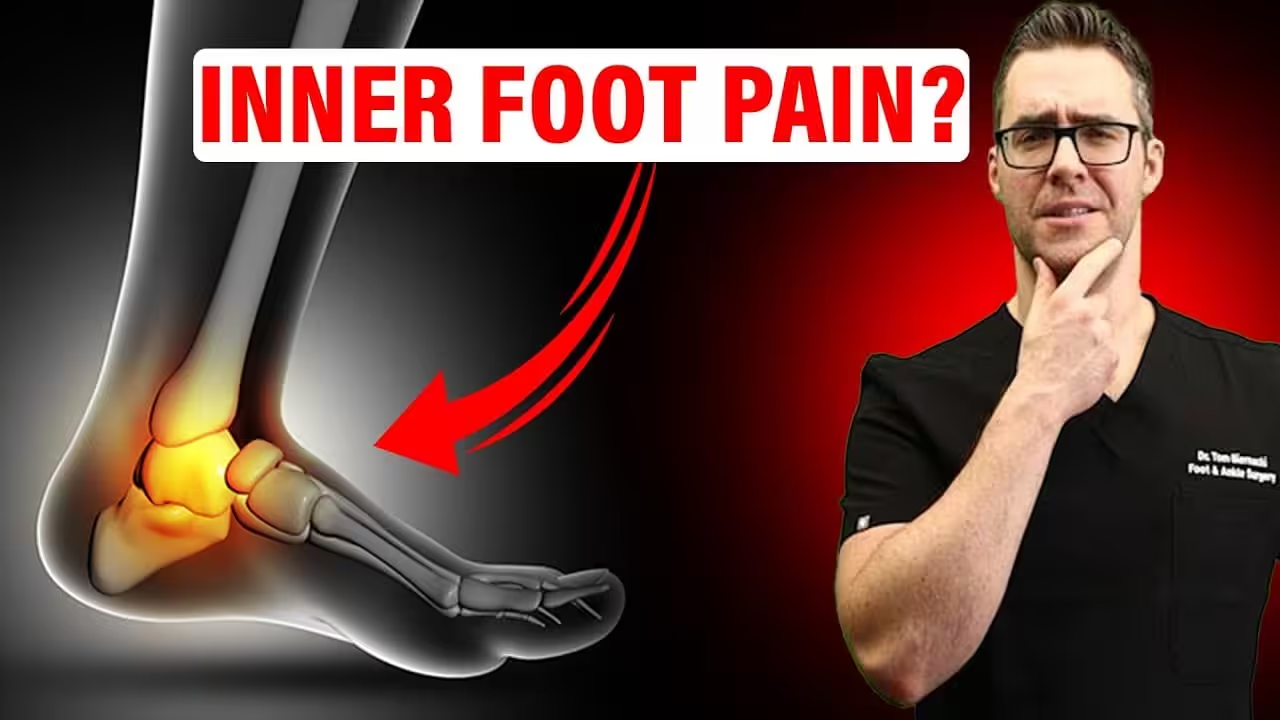
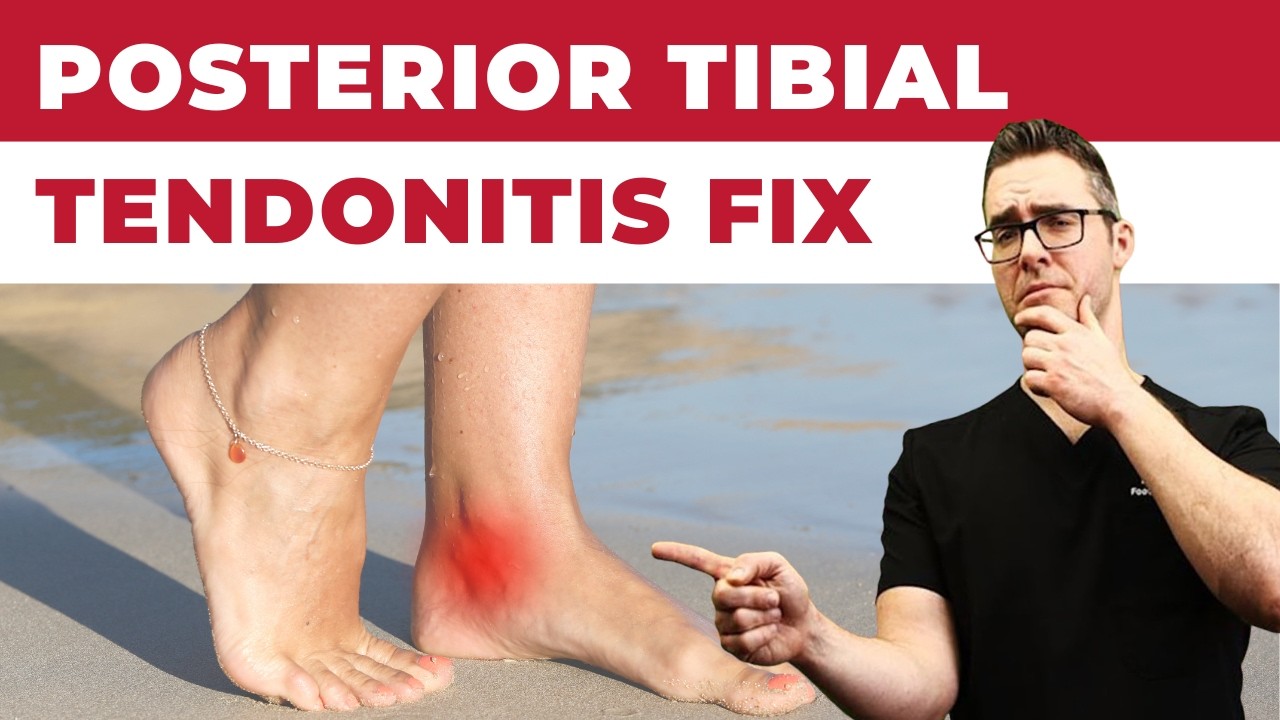
Stage II posterior tibial tendon dysfunction (PTTD) — characterized by a diseased or partially torn posterior tibial tendon producing symptomatic flexible flatfoot with a reducible deformity — represents the most common surgical stage of adult acquired flatfoot deformity. The surgical decision between direct tendon repair, tendon debridement, flexor digitorum longus (FDL) tendon transfer, or combinations thereof depends critically on the intraoperative tendon status, patient activity demands, and the degree of flatfoot deformity requiring bony correction.
Tendon Assessment: The Intraoperative Decision Point
Pre-operative MRI staging identifies the degree of tendon degeneration and tear — Grade 1 (tendinosis without macroscopic tear), Grade 2 (longitudinal split or partial tear with ≥50% tendon cross-section preserved), Grade 3 (near-complete or complete rupture with <50% viable tendon). Grade determines the appropriate surgical approach: Grade 1 tendinosis without structural failure responds to synovectomy and debridement alone if caught early, combined with calcaneal osteotomy to address the deformity-related loading. Grade 2 partial tears can be directly repaired if the tear is discrete and sufficient tissue remains for tubularization. Grade 3 near-complete tears cannot be directly repaired and require FDL tendon transfer augmentation.
FDL Tendon Transfer: Rationale and Technique
The FDL (flexor digitorum longus) is harvested through the same medial approach, transferred through a drill hole in the navicular, and sutured to the remaining posterior tibial tendon stump. The FDL is biomechanically inferior to the posterior tibial tendon — it lacks the same inversion strength and its excursion is insufficient to fully replicate PTT function. However, the transferred FDL provides a functional medial arch support structure and prevents progressive collapse. The functional deficit of the lost posterior tibial tendon is partly compensated by the FDL transfer and significantly by concurrent bony realignment (calcaneal osteotomy, Evans osteotomy, spring ligament repair).
The Bony Correction Imperative
Soft tissue procedures alone — tendon repair or transfer without bony correction — produce inferior results in Stage II PTTD with significant flatfoot deformity. Medial displacement calcaneal osteotomy (MDCO) and/or Evans osteotomy should accompany virtually all tendon procedures when a reducible flatfoot deformity is present. Dr. Biernacki at Balance Foot & Ankle evaluates PTTD stage with weight-bearing radiographs and MRI, and provides comprehensive surgical planning for adult flatfoot reconstruction. Call (810) 206-1402 at our Bloomfield Hills or Howell office.
📧 Get Dr. Tom’s Free Lab Test Guide
Discover the 5 lab tests every person over 35 should ask their doctor about — explained in plain English by a board-certified physician.
class=”mfd-patient-scenario” id=”in-our-clinic”>In Our Clinic: What We See
Clinical perspective from Dr. Tom Biernacki, DPM — Balance Foot & Ankle, Howell & Bloomfield Hills, MI:
In our clinic, adult acquired flatfoot from PTTD typically presents in women over 40, often with recent weight gain or a period of increased standing. They describe medial ankle pain and progressive “collapse” of the arch on one side. The gold-standard exam finding is an inability to perform a single-leg heel-rise on the affected side — the tendon can no longer invert the heel into a rigid lever. Early PTTD is staged and treated with custom orthoses and bracing, but progressive disease (Stage III-IV) typically requires surgical reconstruction to prevent rigid deformity.
class=”mfd-differential” id=”differential-diagnosis”>Differential Diagnosis: What Else Could It Be?
Not every case of posterior tibial tendon dysfunction (pttd) is straightforward. In our clinic we routinely rule out three look-alike conditions before confirming the diagnosis. If your symptoms don’t match the classic presentation, one of these may explain the pain — which is why physical exam matters more than self-diagnosis.
Condition
How It Differs
Congenital flat foot
Lifelong, usually bilateral, no pain, normal single-leg heel-rise test.
class=”wp-block-heading mfd-treatment-bridge” id=”in-office-treatment”>In-Office Treatment at Balance Foot & Ankle
If home care isn’t resolving your your foot or ankle concern, a visit with a board-certified podiatrist is the fastest path to accurate diagnosis and a personalized plan. At Balance Foot & Ankle Specialists, Dr. Tom Biernacki, Dr. Carl Jay, and Dr. Daria Gutkin offer same-day and next-day appointments at both our Howell and Bloomfield Hills offices. We perform on-site diagnostic ultrasound, digital X-ray, conservative care, advanced regenerative treatments, and minimally invasive surgery when indicated.
Impact-absorbing recovery sandal — wear after long days on your feet.
As an Amazon Associate, Balance Foot & Ankle earns from qualifying purchases. Product recommendations are based on clinical experience; prices and availability shown above update live from Amazon.
When to See a Podiatrist
If foot or ankle pain has been bothering you for more than a few weeks, home care alone may not be enough. Balance Foot & Ankle offers same-week appointments at our Howell and Bloomfield Hills clinics — no referral needed in most cases. Bring your current shoes and a short list of symptoms and we’ll build you a treatment plan in one visit.
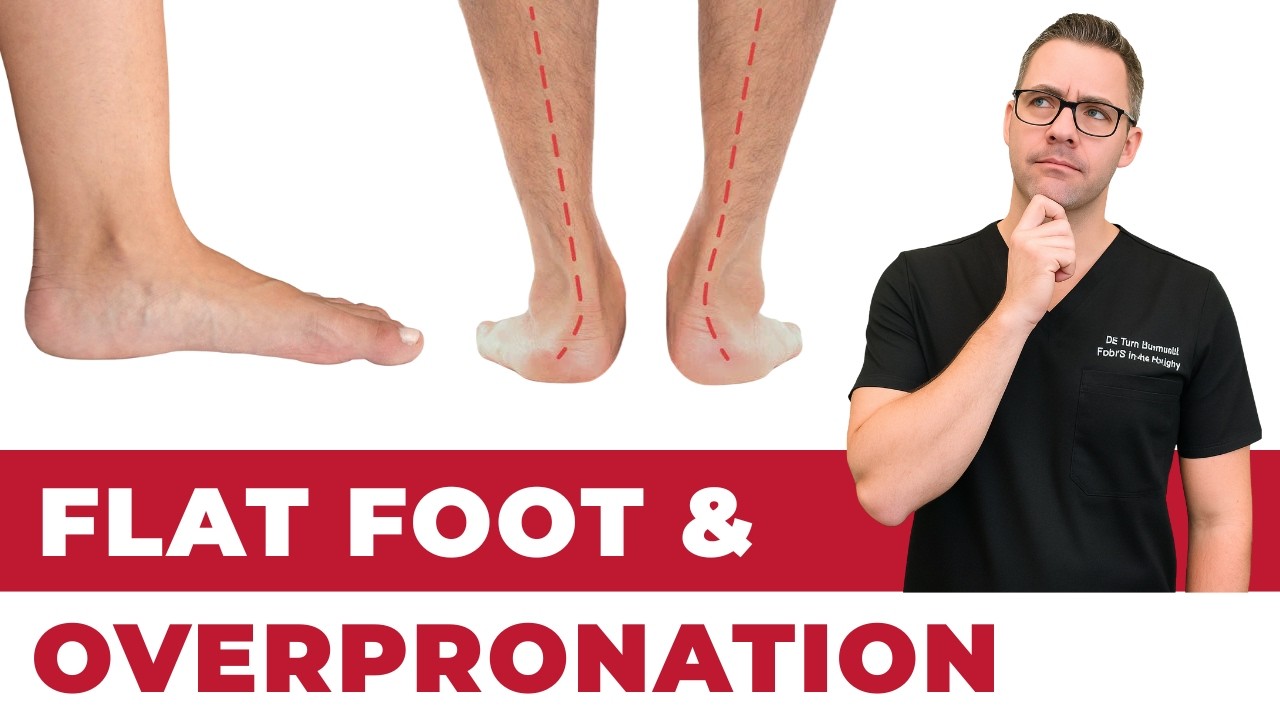
No — many people with flat feet have no pain at all. Pain develops when flat feet lead to excessive pronation that stresses tendons, ligaments, and joints. Risk factors for developing pain include obesity, prolonged standing, high-impact activities, and aging.
Can flat feet be corrected?
In children, arch development can sometimes be supported. In adults, the arch cannot be rebuilt without surgery, but custom orthotics, physical therapy, and appropriate footwear can effectively control symptoms and prevent progression.
What is the treatment for adult flatfoot deformity?
Early stages respond well to custom orthotics, physical therapy, and supportive footwear. Advanced cases with Achilles tightness may benefit from stretching and bracing. Severe cases — especially stage III-IV posterior tibial tendon dysfunction — may require reconstruction surgery.
Need Treatment at Balance Foot & Ankle?
Dr. Tom Biernacki, Dr. Carl Jay, and Dr. Daria Gutkin see patients at our Howell and Bloomfield Hills offices.
The most common mistake we see is: Waiting too long before seeking care. Fix: any foot pain lasting more than 4 weeks, or any sudden severe symptom, deserves a professional evaluation rather than more rest.
Warning Signs That Need Same-Day Care
Seek immediate evaluation at Balance Foot & Ankle if you experience any of the following:
Dr. Tom Biernacki, DPM · Board-Certified Foot & Ankle Surgeon. Specializes in conservative-first care, minimally invasive bunion surgery, and complex reconstruction.
Dr. Carl Jay, DPM · Accepting new patients. Specializes in sports medicine, athletic injuries, and routine podiatric care.
Dr. Daria Gutkin, DPM, AACFAS · Accepting new patients. Specializes in surgical reconstruction and pediatric podiatry.
Locations: 4330 E Grand River Ave, Howell, MI 48843 · 43494 Woodward Ave Suite 208, Bloomfield Hills, MI 48302
Foot pain is a common foot/ankle condition that affects mobility and quality of life. Understanding the underlying cause is the first step in successful treatment. Our podiatrists at Balance Foot & Ankle perform a hands-on biomechanical exam, review your activity history, and use diagnostic imaging when appropriate to identify the root cause—not just treat the symptom. Many patients have been told to “rest and ice” without a deeper diagnostic workup; our approach is different.
Symptoms and warning signs
Common signs of foot pain include pain that worsens with activity, morning stiffness, swelling, tenderness when palpated, and difficulty bearing weight. If you experience sudden severe pain, inability to walk, visible deformity, numbness or color change, contact our office the same day or visit urgent care—these can signal a more serious injury such as a fracture, tendon rupture, or vascular compromise. Diabetics with any foot wound should seek same-day care.
Conservative treatment options
Most cases of foot pain respond to non-surgical care: structured rest, supportive footwear changes, custom orthotics, targeted stretching and strengthening protocols, anti-inflammatory medications when medically appropriate, and in-office procedures such as ultrasound-guided injections. We also offer advanced therapies including MLS laser therapy, EPAT/shockwave, regenerative injections, and image-guided procedures. Treatment is sequenced from least invasive to most invasive, and we explain the rationale at every step.
When is surgery considered?
Surgery is reserved for cases that fail 3-6 months of well-structured conservative care, when there is structural pathology (severe deformity, complete tear, advanced arthritis), or when imaging shows damage that will not heal without intervention. Our surgeons have performed 3,000+ foot and ankle procedures and prioritize minimally-invasive techniques whenever appropriate. We discuss recovery timelines, return-to-activity milestones, and realistic outcome expectations before any procedure is scheduled.
Recovery timeline and prevention
Recovery from foot pain varies based on severity and chosen treatment path. Conservative cases often improve within 4-8 weeks with consistent adherence to the protocol. Post-procedural recovery may range from a few days (in-office procedures) to several months (reconstructive surgery). Long-term prevention involves footwear assessment, activity modification, structured strengthening, and regular check-ins with your podiatrist if you have a history of recurrence. We provide written home-exercise plans and digital follow-up support.
Reviewed by Dr. Tom Biernacki, DPM — Board-certified podiatrist, Balance Foot & Ankle, Howell & Bloomfield Hills, MI. 4.9-star rating across 1,123+ patient reviews. Schedule an evaluation | (810) 206-1402
Ready to feel better?
Same-week appointments available in Howell and Bloomfield Hills, Michigan.
Dr. Tom Biernacki, DPM is a board-certified foot & ankle surgeon (ABFAS & ABPM) at Balance Foot & Ankle Specialists in Southeast Michigan. With over a decade of clinical experience, he specializes in heel pain, bunions, diabetic foot care, sports injuries, and minimally invasive surgery. Dr. Biernacki is a member of the APMA and ACFAS, and his patient education content on MichiganFootDoctors.com and YouTube has made him one of the most-followed foot & ankle educators on YouTube.
Balance Foot & Ankle surgeons are affiliated with Trinity Health Michigan, Corewell Health, and Henry Ford Health — three of Michigan’s largest health systems.




![Heel Bursitis & Achilles Tendon Bursitis [Best HOME Treatment!]](https://www.michiganfootdoctors.com/wp-content/cache/flying-press/f2850da852ba9539b6bf4f72ae5062fe.jpg)