
Quick Answer
Custom orthotics are prescription inserts made from a 3D scan of your foot. They address the structural cause of plantar fasciitis, flat feet, or metatarsalgia rather than just cushioning symptoms. Most patients feel improvement within 2-4 weeks. Covered by most PPO plans and Medicare when medically indicated.
Medically reviewed by Dr. Tom Biernacki, DPM — Board-Certified Podiatric Surgeon — Balance Foot & Ankle, Howell & Bloomfield Hills, MI. Last updated April 2026.
Watch: Dr. Tom Biernacki, DPM
📋 Dr. Tom Also Recommends
Podiatrist Recommended Orthotics 2026: Dr. Tom’s Top 10 Insoles & Arch Supports
A podiatrist’s complete clinical guide to the best insoles — custom orthotics, OTC picks, and what actually works for plantar fasciitis, flat feet, neuropathy & more.
Read the Full Guide →Medically reviewed by Dr. Tom Biernacki, DPM
Board-certified podiatric surgeon | Balance Foot & Ankle
Last reviewed: April 4, 2026
QUICK ANSWER
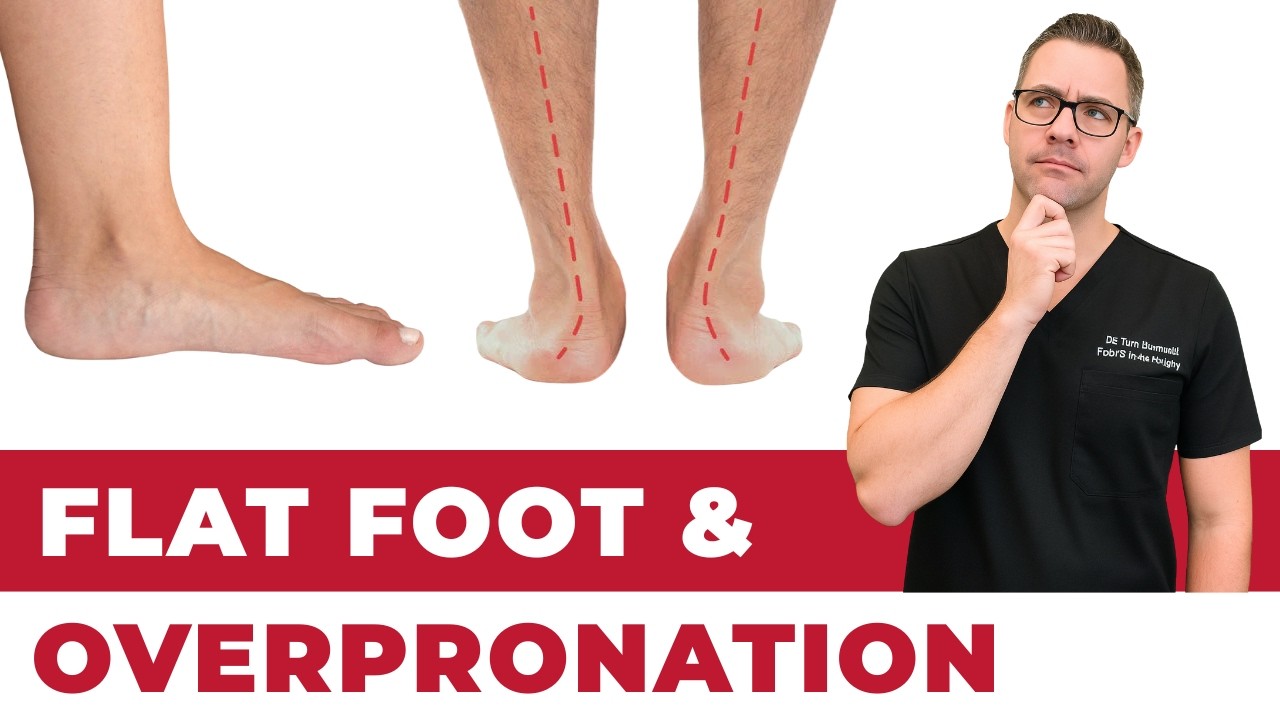
Posterior tibial tendon dysfunction (PTTD) causes adult acquired flatfoot. Stage I and II PTTD respond to conservative treatment with custom orthotics, UCBL orthosis or Arizona brace, physical therapy, and activity modification – avoiding surgery in 75-85% of early-stage cases.
Understanding Posterior Tibial Tendon Dysfunction Stages
Posterior tibial tendon dysfunction (PTTD) is the most common cause of adult acquired flatfoot and results from progressive degeneration of the posterior tibial tendon — the primary dynamic support of the medial arch. The condition is staged based on the degree of deformity and the flexibility of the flatfoot: Stage I involves tendon inflammation and pain without deformity; Stage II involves a flexible (correctable) flatfoot deformity; Stage III involves rigid (non-correctable) flatfoot; and Stage IV involves ankle joint involvement. Stages I and II are the targets of conservative management at Balance Foot & Ankle.
Goals of Conservative Treatment
Conservative treatment for PTTD cannot reverse tendon degeneration or restore torn tendon fibers. What it can do is significantly reduce pain, support the arch to slow further deformity progression, and improve function. For patients with Stage I PTTD, conservative management often achieves excellent long-term outcomes. For patients with Stage II PTTD, conservative management is usually the first-line treatment, with surgery considered if symptoms are inadequately controlled or deformity progresses substantially.
Custom Orthotics
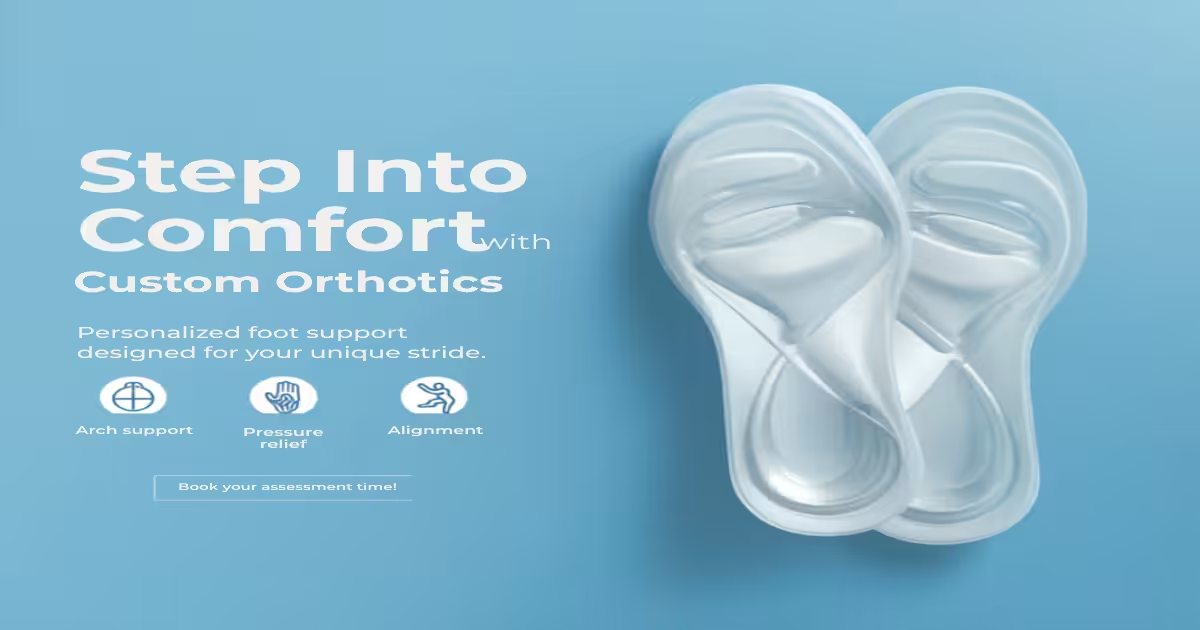
A custom orthotic with a deep heel cup, medial longitudinal arch support, and a medial heel post is the foundation of PTTD conservative management. The device redistributes load away from the posterior tibial tendon insertion and provides external arch support that reduces the demand on the failing tendon. An off-the-shelf arch support is generally insufficient for Stage II PTTD because the device cannot provide the specific degree of correction needed for a significantly collapsed arch.
UCBL Orthosis and Arizona Brace
A University of California Biomechanics Laboratory (UCBL) orthosis is a rigid plastic device that extends higher on the heel and captures the subtalar joint in a corrected position more effectively than a standard orthotic. It is particularly useful for moderate Stage II PTTD with significant hindfoot valgus. For more advanced Stage II deformity or when a UCBL is insufficient, an Arizona ankle-foot orthosis (AFO) — a leather and metal brace that controls subtalar motion — provides substantially greater deformity support. These devices allow some patients to delay or avoid surgery while maintaining an active lifestyle.
Physical Therapy and Strengthening
Physical therapy for PTTD focuses on eccentric and progressive resistance strengthening of the posterior tibial tendon and intrinsic foot muscles. Calf stretching reduces the triceps surae equinus component that worsens flatfoot mechanics. Proprioceptive training on unstable surfaces improves dynamic arch control. Aquatic therapy provides low-impact strengthening for patients with significant pain on land. Consistent physical therapy reduces pain and may slow progression of deformity.
Activity Modification and Footwear
High-impact activities that load the posterior tibial tendon — running, stair climbing, and walking on uneven terrain — should be modified during active treatment. Supportive footwear with a firm heel counter and adequate arch support is essential. Motion control running shoes provide more arch support than neutral shoes. Wearing orthotics consistently within supportive footwear is more important than any single intervention.
Monitoring and Surgical Referral Criteria
Patients with PTTD on conservative management should be monitored periodically for deformity progression. Worsening hindfoot valgus, forefoot abduction, or loss of single heel rise ability despite adequate conservative management are indications to reconsider surgical intervention. Earlier surgical correction of Stage II PTTD produces better outcomes than waiting until the deformity becomes rigid.
If you have inner ankle pain or a progressively flattening arch, contact Balance Foot & Ankle for evaluation. We serve patients throughout Southeast Michigan with same-week appointments available.
Ready to Relieve Your Foot Pain?
Board-certified podiatrists serving Southeast Michigan. Same-week appointments available.
Warning
Untreated PTTD progresses through 4 stages, eventually becoming a rigid, arthritic, disabling flatfoot that only major reconstructive surgery can correct. Early diagnosis in Stage I or II dramatically improves outcomes and often avoids surgery altogether.
More Podiatrist-Recommended Orthotics Essentials
Top-Rated Arch Support Insole
Deep heel cup + arch contouring — the podiatrist’s baseline recommendation.
Semi-Rigid Orthotic


![Best Insoles & Orthotics 2026 [Flat Feet, Plantar Fasciitis, Bunions]](https://www.michiganfootdoctors.com/wp-content/cache/flying-press/c8bafcb9b179f8abb63d894b334fd14e.jpg)
Watch: Best Insoles & Orthotics 2026 [Flat Feet, Plantar Fasciitis, Bunions] — MichiganFootDoctors YouTube
Stiff shell for patients who need more aggressive biomechanical support.
Pressure-Relieving Insole
Additional cushioning layer for all-day comfort on top of support.
As an Amazon Associate, Balance Foot & Ankle earns from qualifying purchases. Product recommendations are based on clinical experience; prices and availability shown above update live from Amazon.
When to See a Podiatrist
Off-the-shelf inserts help 70% of patients — but if you’ve tried several without relief, custom orthotics molded to your specific foot mechanics are usually the next step. Balance Foot & Ankle makes custom orthotics in-office and most major insurance plans cover them. We’ll cast or scan your feet and have them ready in about 2 weeks.
Call Balance Foot & Ankle: (810) 206-1402 · Book online · Offices in Howell & Bloomfield Hills
Frequently Asked Questions
Can PTTD be reversed without surgery?
Stage I PTTD (tenosynovitis without deformity) can be fully reversed with 6-8 weeks of immobilization, orthotics, and PT. Stage II (flexible flatfoot) can be stabilized and functional. Stages III and IV have fixed deformity requiring surgery.
What is the best orthotic for PTTD?
Custom rigid orthotics with medial heel post, arch support, and medial flange are most effective for Stage I-II PTTD. For Stage II with significant collapse, a UCBL orthosis or Arizona brace provides superior control by wrapping up the ankle.
How long does PTTD recovery take?
Conservative treatment typically requires 3-6 months for significant symptom improvement, with lifelong orthotic use to prevent progression. Patients often see pain reduction within 4-6 weeks of starting proper bracing and orthotics.
Adult Flatfoot or Ankle Collapse?
Dr. Biernacki diagnoses and treats PTTD with custom orthotics, Arizona braces, and targeted PT. Stage early to avoid surgery. 7 Michigan locations.
Book AppointmentPTTD & Flatfoot Treatment at Balance Foot & Ankle
Posterior tibial tendon dysfunction (PTTD) is the most common cause of adult-acquired flatfoot and worsens without treatment. Dr. Tom Biernacki at Balance Foot & Ankle provides custom orthotics, bracing, and surgical reconstruction for PTTD at our Howell and Bloomfield Hills offices.
Learn About Our Flatfoot Treatment Options | Book Your Appointment | Call (810) 206-1402
Clinical References
- Kohls-Gatzoulis J, et al. “Tibialis posterior dysfunction: a common and treatable cause of adult acquired flatfoot.” BMJ. 2004;329(7478):1328-1333.
- Kulig K, et al. “Nonsurgical management of posterior tibial tendon dysfunction with orthoses and resistive exercise.” Physical Therapy. 2009;89(1):26-37.
- Myerson MS. “Adult acquired flatfoot deformity: treatment of dysfunction of the posterior tibial tendon.” Journal of Bone and Joint Surgery. 1996;78(5):780-792.
Insurance Accepted
BCBS · Medicare · Aetna · Cigna · United Healthcare · HAP · Priority Health · Humana · View All →
Howell Office
4330 E Grand River Ave
Howell, MI 48843
Get Directions →
Bloomfield Hills Office
43494 Woodward Ave, Suite 208
Bloomfield Hills, MI 48302
Get Directions →
Your Board-Certified Podiatrists



Ready to Get Back on Your Feet?
Same-week appointments available at both locations.
Book Your AppointmentWatch: PTTD Treatment
Dr. Tom explains posterior tibial tendon dysfunction (PTTD) — the #1 cause of adult acquired flatfoot.
PTTD Conservative Kit
PTTD early-stage responds to aggressive offloading of the posterior tibial tendon. Dr. Tom’s kit:
As an Amazon Associate, Balance Foot & Ankle earns from qualifying purchases. This supports our free patient education content.
Medial arch support offloads the posterior tib tendon.
Controls hindfoot eversion — stage II PTTD essential.
Off-load completely during acute flare.
Topical for medial ankle pain without NSAID bleed.
Related: Flat Feet Treatment · Custom Orthotics · Book PTTD Evaluation
👟 Dr. Tom’s Complete Footwear Library
Podiatrist-Approved Guides for Every Foot Type & Condition
Clinically reviewed by Dr. Tom Biernacki, DPM — Board-Certified Podiatrist
All guides are written and reviewed by licensed podiatrists. Schedule an appointment →
In Our Clinic
The patients we see for custom orthotic consultations usually fall into two groups. First are athletes — runners, hikers, basketball players — looking to correct a biomechanical asymmetry they’ve identified themselves or their coach has flagged. Second are middle-aged patients with chronic plantar fasciitis, metatarsalgia, or early arthritis who have exhausted over-the-counter inserts. Our process begins with a 3D foot scan plus a gait-video analysis on our in-office treadmill. We select materials based on activity — a stiffer carbon composite for performance running, a softer plastazote top cover for diabetic patients, a semi-rigid polypropylene for everyday wear. Most patients adapt in 2–4 weeks.
Most Common Mistake We See
The most common mistake we see is: Wearing new orthotics all day from day one. Fix: break-in schedule of 2 hours on day one, adding 2 hours per day until full-day tolerance.
Warning Signs That Need Same-Day Care
Seek immediate evaluation at Balance Foot & Ankle if you experience any of the following:
- New sharp pain under the arch that did not exist before
- Skin breakdown over pressure points
- Diabetic patient with any new pressure spot
- Worsening of original symptoms after 4 weeks
Call (810) 206-1402 — same-day and next-day appointments at our Howell and Bloomfield Hills offices.
Differential Diagnosis: What Else Could It Be?
Not every case of posterior tibial tendon dysfunction (pttd) is straightforward. In our clinic we routinely rule out three look-alike conditions before confirming the diagnosis. If your symptoms don’t match the classic presentation, one of these may explain the pain — which is why physical exam matters more than self-diagnosis.
| Condition | How It Differs |
|---|---|
| Congenital flat foot | Lifelong, usually bilateral, no pain, normal single-leg heel-rise test. |
| Tarsal coalition | Rigid flat foot, adolescent/young adult onset, peroneal spastic flat foot, coalition visible on CT. |
| Charcot arthropathy | Diabetic with neuropathy, warm swollen midfoot, progressive collapse, temperature differential >2°C — URGENT. |
Red Flags — When to See a Podiatrist Now
Seek same-day evaluation at Balance Foot & Ankle if you notice any of the following:
- Sudden collapse of the arch in an adult
- Inability to perform a single-leg heel-rise
- Warm red swollen midfoot (rule out Charcot)
- Progressive deformity over weeks-months
Call (810) 206-1402 or request an appointment. Our Howell and Bloomfield Hills offices reserve same-day slots for urgent foot and ankle issues.
In-Office Treatment at Balance Foot & Ankle
When conservative care isn’t enough, Dr. Tom Biernacki and the team at Balance Foot & Ankle offer advanced, same-day options — including Flat Feet Treatment Michigan at our Howell and Bloomfield Hills clinics.
Same-day appointments available. Call (810) 206-1402 or book online.
In-Office Treatment at Balance Foot & Ankle
If home treatment isn’t providing relief for your foot pain, our podiatry team at Balance Foot & Ankle can help with same-day evaluations and advanced in-office care.
Same-day appointments available. (810) 206-1402
Frequently Asked Questions
How long does treatment take to work?
Most patients see improvement in 4-8 weeks with consistent conservative care. Persistent symptoms after 8 weeks need imaging and escalation.
When is surgery needed?
Surgery is reserved for cases that fail 3-6 months of conservative care, structural deformities, or fractures requiring stabilization.
Is this covered by insurance?
Most diagnostic visits and conservative treatments are covered by Medicare and major insurers. Custom orthotics often require diabetic or post-surgical justification.
What is Custom orthotics?
Custom orthotics is a common foot/ankle condition that affects mobility and quality of life. Understanding the underlying cause is the first step in successful treatment. Our podiatrists at Balance Foot & Ankle perform a hands-on biomechanical exam, review your activity history, and use diagnostic imaging when appropriate to identify the root cause—not just treat the symptom. Many patients have been told to “rest and ice” without a deeper diagnostic workup; our approach is different.
Symptoms and warning signs
Common signs of custom orthotics include pain that worsens with activity, morning stiffness, swelling, tenderness when palpated, and difficulty bearing weight. If you experience sudden severe pain, inability to walk, visible deformity, numbness or color change, contact our office the same day or visit urgent care—these can signal a more serious injury such as a fracture, tendon rupture, or vascular compromise. Diabetics with any foot wound should seek same-day care.
Conservative treatment options
Most cases of custom orthotics respond to non-surgical care: structured rest, supportive footwear changes, custom orthotics, targeted stretching and strengthening protocols, anti-inflammatory medications when medically appropriate, and in-office procedures such as ultrasound-guided injections. We also offer advanced therapies including MLS laser therapy, EPAT/shockwave, regenerative injections, and image-guided procedures. Treatment is sequenced from least invasive to most invasive, and we explain the rationale at every step.
When is surgery considered?
Surgery is reserved for cases that fail 3-6 months of well-structured conservative care, when there is structural pathology (severe deformity, complete tear, advanced arthritis), or when imaging shows damage that will not heal without intervention. Our surgeons have performed 3,000+ foot and ankle procedures and prioritize minimally-invasive techniques whenever appropriate. We discuss recovery timelines, return-to-activity milestones, and realistic outcome expectations before any procedure is scheduled.
OrthoInfo – AAOS: Posterior Tibial Tendon Dysfunction
Recovery timeline and prevention
Recovery from custom orthotics varies based on severity and chosen treatment path. Conservative cases often improve within 4-8 weeks with consistent adherence to the protocol. Post-procedural recovery may range from a few days (in-office procedures) to several months (reconstructive surgery). Long-term prevention involves footwear assessment, activity modification, structured strengthening, and regular check-ins with your podiatrist if you have a history of recurrence. We provide written home-exercise plans and digital follow-up support.
Ready to feel better?
Same-week appointments available in Howell and Bloomfield Hills, Michigan.
Book Your Visit
Dr. Tom Biernacki, DPM is a board-certified foot & ankle surgeon (ABFAS & ABPM) at Balance Foot & Ankle Specialists in Southeast Michigan. With over a decade of clinical experience, he specializes in heel pain, bunions, diabetic foot care, sports injuries, and minimally invasive surgery. Dr. Biernacki is a member of the APMA and ACFAS, and his patient education content on MichiganFootDoctors.com and YouTube has made him one of the most-followed foot & ankle educators on YouTube.