
Medically reviewed by Dr. Tom Biernacki, DPM
Board-certified podiatric surgeon | Balance Foot & Ankle, Howell & Bloomfield Township, MI
Last reviewed: May 2026

| Spinal Level | Nerve Root | Foot Symptom Location | Weakness Pattern | Reflex Affected |
|---|---|---|---|---|
| L3–L4 | L4 | Inner ankle, medial foot, great toe | Ankle dorsiflexion (mild) | Patellar reflex |
| L4–L5 | L5 | Top of foot, great toe, 2nd–3rd toes | Ankle dorsiflexion, great toe extension (EHL) | None specific (or medial hamstring) |
| L5–S1 | S1 | Outer foot, 4th–5th toes, plantar heel | Plantarflexion, eversion (peroneals) | Achilles reflex (absent/reduced) |
| Central disc herniation (multi-level) | Multiple | Bilateral feet, perineal numbness | Bilateral weakness; bladder/bowel | Multiple — EMERGENCY |
| Feature | Sciatica (Spinal Origin) | Tarsal Tunnel Syndrome | Peripheral Neuropathy | Morton’s Neuroma |
|---|---|---|---|---|
| Pain radiation | Buttock → leg → foot | Ankle → heel → sole | Symmetric, stocking distribution | Ball of foot → 3rd–4th toes |
| Back pain present | Yes (usually) | No | No | No |
| Worsened by | Sitting, bending, coughing | Standing, walking, tight shoes | Activity OR rest (burns at night) | Walking, tight shoes |
| Relieved by | Lying down, walking (vs. sitting) | Rest, removing shoes | Rest (burning may persist) | Removing shoes, barefoot |
| Tinel’s sign | At spine (SLR positive) | At tarsal tunnel (ankle) | Generalized hypersensitivity | Between metatarsal heads |
| Diagnostic test | Lumbar MRI; EMG/NCS | EMG/NCS; ultrasound | EMG/NCS; blood labs | Clinical; ultrasound/MRI |
| Treating specialist | Spine surgeon / neurologist | Podiatrist | Neurologist / podiatrist | Podiatrist |
Quick answer: Sciatica Feet Symptoms is a common foot/ankle topic that affects many patients. The 2026 evidence-based approach combines proper diagnosis, conservative-first treatment, and escalation only when needed. We treat this regularly at our Howell and Bloomfield Township practices. Call (810) 206-1402.
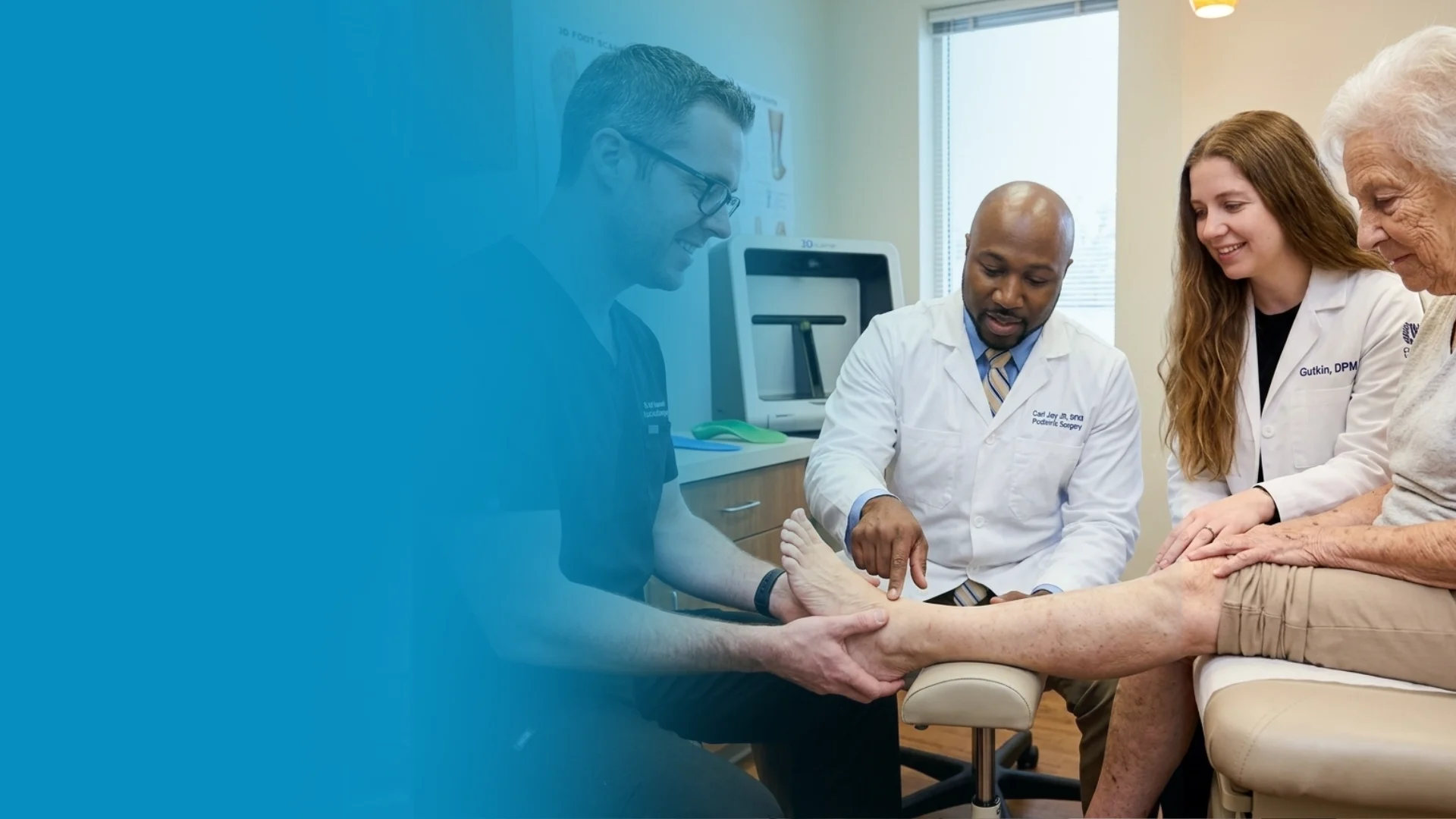
The most important clinical decision with Sciatica Feet Symptoms isn’t which treatment to start with — it’s identifying the correct subtype. That changes everything. Call (810) 206-1402.
Sciatica Symptoms Feet: Quick Answer
Foot pain, numbness, weakness, or tingling can be sciatica – nerve pain originating in the lower back. Misdiagnosing sciatica as a foot problem leads to unnecessary foot treatments while the actual cause goes unaddressed. We see hundreds of patients yearly at Balance Foot and Ankle with sciatica masquerading as foot problems. Here is how to recognize it.
What Is Sciatica?
Sciatica is irritation or compression of the sciatic nerve (or its branches) anywhere along its path from the lumbar spine through the buttock and down the leg into the foot. Causes: Lumbar disc herniation; lumbar spinal stenosis; piriformis syndrome (muscle compresses nerve); spondylolisthesis; degenerative spine disease; rare: tumor or infection. Affects 2-40% of population at some point.
Foot Symptoms of Sciatica by Nerve Root
L4 radiculopathy: Inner shin and inside of foot pain/numbness; weakness in dorsiflexion (lifting foot up). L5 radiculopathy (most common foot symptoms): Top of foot, big toe area pain/numbness; weakness in big toe extension and dorsiflexion (foot drop in severe cases). S1 radiculopathy: Outer foot, heel, sole pain/numbness; weakness in plantarflexion (cant rise on toes); decreased Achilles reflex.
Distinguishing Sciatica from Foot Conditions
Suspect sciatica if: Foot pain accompanied by back pain (often but not always); pain follows specific dermatomal pattern (rather than diffuse); numbness or tingling in specific toes; weakness in specific muscle groups; pain worse with sitting, bending, sneezing/coughing; nighttime pain that wakes you up. Pure foot conditions usually: Stay localized to foot; relate to specific activities; no associated back symptoms; reproducible by foot/ankle examination only.
Specific Foot Conditions That Mimic Sciatica
1. Mortons neuroma: Burning/tingling between toes – localized to specific web space. 2. Tarsal tunnel syndrome: Burning/tingling in arch and heel – reproduced by Tinel sign at medial ankle. 3. Peripheral neuropathy: Bilateral numbness/burning – symmetric pattern. 4. Plantar fasciitis: Heel pain – mechanical, no neurological component. 5. PAD claudication: Calf/foot pain with walking, relieved by rest – vascular not neurological.
Diagnosis (Often Multidisciplinary)
Foot/podiatry exam: Rules out local foot conditions; identifies neurological deficits. Spine exam: Range of motion, neurologic exam (strength, sensation, reflexes), Special tests (straight leg raise, slump test). MRI of lumbar spine: Gold standard for nerve compression. Nerve conduction studies / EMG: Identifies which nerve roots affected; differentiates from peripheral nerve issues. Often see both spine and foot specialists for diagnosis.
Conservative Treatment for Sciatica
1. Activity modification: Avoid prolonged sitting; movement helps. 2. NSAIDs: ibuprofen, naproxen for inflammation. 3. Physical therapy: Core strengthening, McKenzie exercises, nerve glides. 4. Hot/cold therapy: Symptomatic relief. 5. Acupuncture: Some evidence of benefit. 6. Yoga/Pilates: Helpful in chronic management. 7. Weight management: Reduces spinal loading. Most acute sciatica resolves in 6-12 weeks with conservative care.
Advanced Treatment Options
1. Epidural steroid injection: Reduces nerve inflammation; performed by pain management or spine specialists. 2. Gabapentin or pregabalin: For neuropathic pain component. 3. Muscle relaxants: Short-term for muscle spasm. 4. Lidocaine patches: Topical relief for affected areas. 5. Surgical decompression: Microdiscectomy, laminectomy for failed conservative care or progressive neurological deficits.
Why Foot Treatment May Not Help Sciatica
If sciatica is the actual cause of your foot symptoms: Custom orthotics wont resolve nerve-origin pain. Foot exercises wont decompress lumbar nerve. Foot surgery is contraindicated for nerve symptoms. However, foot care may still be needed if combined with: foot drop (need AFO bracing), peripheral nerve damage from chronic compression (gabapentin), associated mechanical foot issues. Multidisciplinary approach is often necessary.
When Foot Symptoms Need Spine Workup
See spine specialist if foot symptoms include: weakness (not just sensation issues); bowel or bladder dysfunction (medical emergency – cauda equina syndrome); foot drop (cant lift foot); severe back pain with foot symptoms; progression of symptoms; night pain that wakes you. Same-week appointments for any concerning neurological symptoms. Schedule an evaluation at Balance Foot and Ankle for differential diagnosis.
Frequently Asked Questions About Sciatica Symptoms Feet
Can sciatica cause foot pain?
Yes – sciatica commonly causes foot pain, numbness, tingling, or weakness. Specific symptoms depend on which nerve root is affected (L4, L5, or S1).
How do I know if my foot pain is sciatica?
Suspect sciatica if accompanied by back pain, follows specific dermatomal pattern, includes numbness/tingling/weakness, worsens with sitting or bending, has nighttime component, or affects specific toes vs whole foot.
What does sciatica in the foot feel like?
Burning, tingling, numbness, electric shock sensations in specific dermatomal pattern (top of foot for L5, outer foot/sole for S1, inner foot for L4). Often combined with back/buttock pain.
Can foot drop be sciatica?
Yes – L4 or L5 nerve root compression can cause foot drop (inability to lift foot up). Requires spine evaluation – sometimes urgent surgery needed for severe acute foot drop.
How long does sciatica in the foot last?
Acute sciatica: 6-12 weeks for most patients with conservative care. Chronic sciatica: months to years; often requires comprehensive treatment including epidural injections or surgery.
Should I see a podiatrist or spine doctor for sciatica foot symptoms?
Often both. Podiatrist rules out foot conditions and identifies neurological deficits. Spine doctor (orthopedist, neurologist, pain management) addresses underlying nerve compression.
Will orthotics help sciatica?
Not for the sciatica itself (nerve compression is in spine, not foot). May help if associated foot mechanical problems. Foot drop bracing (AFO) does help functional walking.
Related Resources from Balance Foot & Ankle
Still Dealing With Sciatica Symptoms Feet?
Same-week appointments at Balance Foot & Ankle in Howell & Bloomfield Township, MI.
💊 Dr. Tom’s Recovery Support Picks
Between appointments and after procedures, these are the products I recommend for at-home recovery support.
My go-to topical for post-procedure soreness. Arnica + menthol — apply 3-4x daily. Plant-based, FSA-eligible, no greasy residue.
Graduated compression helps reduce post-op swelling and supports recovery. True graduated design — not just tight socks.
FTC Disclosure: As an Amazon Associate and Foundation Wellness affiliate, we earn from qualifying purchases. This never affects our clinical recommendations.
In-Office Treatment at Balance Foot & Ankle
If home treatment isn’t providing relief for your neuropathy, our podiatry team at Balance Foot & Ankle can help with same-day evaluations and advanced in-office care.
PubMed: Sciatica and Foot Symptoms
Ready to Get Relief?
Same-day appointments available in Howell & Bloomfield Township, MI
4.9★ | 1,123 Reviews | 3,000+ Surgeries
Or call: (810) 206-1402

Dr. Tom Biernacki, DPM is a board-certified foot & ankle surgeon (ABFAS & ABPM) at Balance Foot & Ankle Specialists in Southeast Michigan. With over a decade of clinical experience, he specializes in heel pain, bunions, diabetic foot care, sports injuries, and minimally invasive surgery. Dr. Biernacki is a member of the APMA and ACFAS, and his patient education content on MichiganFootDoctors.com and YouTube has made him one of the most-followed foot & ankle educators on YouTube.