
Medically reviewed by Dr. Tom Biernacki, DPM
Board-certified podiatric surgeon | Balance Foot & Ankle, Howell & Bloomfield Hills, MI
Last reviewed: May 2026

The most important clinical decision with Shockwave Therapy Foot Michigan Podiatrist isn’t which treatment to start with — it’s identifying the correct subtype. That changes everything. Call (810) 206-1402.
The most important clinical decision with Shockwave Therapy Foot Michigan Podiatrist isn’t which treatment to start with — it’s identifying the correct subtype. That changes everything. Call (810) 206-1402.
Shockwave Therapy for Foot Conditions: Evidence & Success Rate Comparison
Extracorporeal shockwave therapy (ESWT) is not a single protocol — radial pressure wave (RSWT) and focused shockwave (fESWT) deliver fundamentally different energy profiles, and the evidence for each varies by condition. The following table maps the strongest evidence for ESWT in podiatric conditions with head-to-head outcome data where available.
| Condition | ESWT Type | Protocol | Success Rate | vs Control / Comparison | Evidence Level | Key Citation |
|---|---|---|---|---|---|---|
| Plantar Fasciitis (Chronic, >6 months) | Focused or radial; both effective | 3 sessions × 2,000 shocks at 0.12–0.25 mJ/mm²; weekly; no local anesthetic (reduces efficacy) | 60–80% at 12 weeks; 75–85% at 12 months | Superior to sham at 3 months (NNT=3); comparable to corticosteroid injection at 6 months but more durable at 12 months | Level I (multiple RCTs) | Rompe et al. AJSM 2007; Gerdesmeyer et al. AJSM 2008 |
| Insertional Achilles Tendinopathy | Focused preferred for deeper tissue penetration | 3–5 sessions × 2,000 shocks; weekly; no anesthetic | 60–75% at 4 months; superior to eccentric exercise alone | Rompe 2007: ESWT + eccentric = 82% success vs eccentric alone = 57% | Level I | Rompe et al. AJSM 2007 (insertional) |
| Mid-Portion Achilles Tendinopathy | Focused or radial | 3 sessions × 2,000 shocks; combined with eccentric protocol | 65–75% at 3 months when combined with eccentric exercise | Combined ESWT + eccentric > either alone; eccentric alone remains first-line | Level II | Rasmussen et al. 2008 |
| Morton’s Neuroma | Focused (requires precision targeting) | 3–5 sessions; US-guided to intermetatarsal space; 0.10–0.20 mJ/mm² | 50–65% at 6 months | Inferior to alcohol sclerosing injection at 6 months; but avoids injection risks | Level III | Modeweg et al. 2021 |
| Tibialis Posterior Tendinopathy | Focused | 3 sessions weekly; target medial ankle + PTT course | 55–70% in Stage I–II PTTD | Limited RCT data; case series evidence | Level III-IV | Emerging evidence only |
| Calcific Tendinopathy (foot/ankle) | Focused — proven calcium dissolution effect | 1–3 sessions; higher energy 0.25–0.35 mJ/mm²; targets calcification directly | 60–80% calcification reduction on X-ray at 6 months; pain relief 70–85% | Focused >> radial for calcification dissolution; radial has minimal dissolution effect | Level II | Cacchio et al. 2006 |
| Stress Fracture Prevention | Focused — bone stimulation effect | Off-label; emerging data for delayed unions and stress reaction (not acute fracture) | Accelerated bone healing in delayed unions; not for acute management | Not standard of care; no RCT data for foot stress fractures specifically | Level IV | Off-label use only |
Focused vs Radial Shockwave: Clinical Decision Matrix
Many patients receive radial pressure wave therapy labeled as “shockwave” when focused ESWT would be more appropriate for their condition — and vice versa. The two devices deliver fundamentally different physics. Understanding the distinction allows patients to ask the right questions before committing to a treatment series.
| Feature | Focused ESWT (fESWT) | Radial Pressure Wave (RSWT) |
|---|---|---|
| Energy Generation | Electrohydraulic, electromagnetic, or piezoelectric; precise energy delivery to focal point | Compressed air propels a projectile; creates pressure wave at applicator surface — disperses radially |
| Penetration Depth | 3–12 cm (adjustable focal depth); targets deep structures precisely | Superficial — max 3–4 cm effective; energy dissipates rapidly with depth |
| Energy Flux Density | 0.05–0.50 mJ/mm² (low, medium, high energy protocols) | Lower energy per unit area; cannot achieve high-energy focused delivery |
| Pain During Treatment | Moderate-significant; correlates with therapeutic effect; local anesthetic REDUCES efficacy | Mild-moderate; more tolerable; less correlation between pain and efficacy |
| Session Count | 3–5 sessions; less frequent | 4–6 sessions; more frequent required for equivalent effect |
| Calcification Dissolution | YES — proven mechanism; high-energy focused waves fragment calcium deposits | Minimal — insufficient energy density for calcium dissolution |
| Best For | Insertional Achilles, plantar fasciitis, calcific tendinopathy, deep structures (>4 cm) | Mid-portion Achilles, plantar fasciitis (superficial), soft tissue trigger points, general tendinopathy |
| FDA Status | FDA cleared: plantar fasciitis (chronic), lateral epicondylitis | Not separately FDA cleared in US; marketed as “radial pressure wave therapy” |
| Cost per Session | $200–400; equipment cost higher | $100–250; equipment more accessible |
| When to Choose | Calcification present; insertional disease; failed radial treatment; depth >4cm required | Mid-portion tendinopathy without calcification; budget-sensitive; mild-moderate chronic tendinopathy |
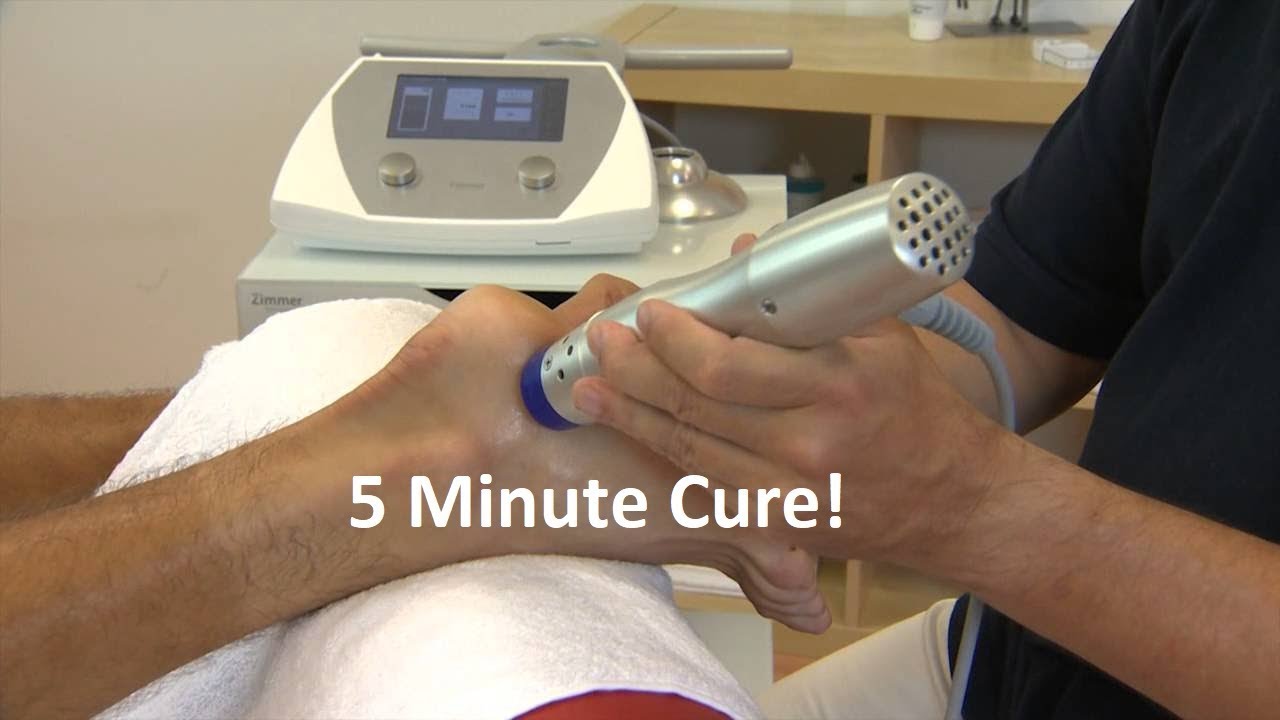
Watch: Shockwave Therapy For Plantar Fasciitis: *Amazing Results in 5 Minutes** — MichiganFootDoctors YouTube
Foot pain isn't resolving?
Same-week appointments at Howell & Bloomfield Hills
Medically Reviewed | Dr. Tom Biernacki, DPM | Board-Certified Podiatric Surgeon | Balance Foot & Ankle, Michigan
What Is Extracorporeal Shockwave Therapy?
Extracorporeal shockwave therapy (ESWT) is a non-invasive treatment that delivers focused or radial acoustic pressure waves to chronically injured musculoskeletal tissue. Originally developed to fragment kidney stones (lithotripsy), the technology was adapted for orthopedic applications when clinicians observed that shockwave exposure stimulated bone healing and soft tissue repair. Over the past three decades, ESWT has accumulated a robust evidence base for treating chronic tendinopathies — particularly plantar fasciitis and Achilles tendinopathy — that have failed conventional conservative management.
ESWT is FDA-cleared in the United States for the treatment of chronic plantar fasciitis (1998) and calcific rotator cuff tendinopathy. It has been extensively studied for insertional Achilles tendinopathy, Achilles midportion tendinopathy, patellar tendinopathy, and lateral epicondylitis. In the foot and ankle, plantar fasciitis and insertional Achilles tendinopathy are the primary indications, with calcific tendinopathy responding particularly well.
Mechanisms of Action
The therapeutic mechanisms of ESWT are multifactorial and still being fully elucidated, but several well-documented effects explain its clinical benefit:
Neovascularization: Shockwave energy stimulates the release of vascular endothelial growth factor (VEGF) and nitric oxide, promoting new capillary growth into the hypovascular tendinopathic tissue. The watershed zones of the Achilles tendon and plantar fascia insertion are specifically prone to avascular degeneration; ESWT reverses this by restoring blood supply to the healing zone.
Growth factor activation: ESWT stimulates release of transforming growth factor-beta (TGF-β), platelet-derived growth factor (PDGF), and insulin-like growth factor-1 (IGF-1) — the same growth factors that drive the early reparative phase of tendon healing, reproducing the biological healing cascade that is deficient in chronic tendinopathy.
Calcification disruption: High-energy shockwave specifically disrupts and fragments calcium hydroxyapatite deposits within calcific tendinopathies (insertional Achilles calcium deposits, calcific plantar fasciitis enthesopathy). The fragmented calcium is resorbed through the normal inflammatory-clearance mechanism. This physical disruption mechanism makes ESWT uniquely effective for the calcific subtype of insertional tendinopathy — more so than any injectable therapy.
Neuroplastic pain modulation: ESWT modulates substance P and calcitonin gene-related peptide (CGRP) in sensory nerve fibers within treated tissue, reducing the neurogenic inflammation and central sensitization that perpetuates chronic tendinopathy pain beyond the original tissue injury.
Types of Shockwave Therapy
Two fundamentally different shockwave delivery systems are used in clinical practice. Focused (high-energy) ESWT uses an electrohydraulic, electromagnetic, or piezoelectric generator to produce a focused pressure wave at a precise tissue depth, delivering high peak pressures (50–100 MPa) to a small treatment volume. Focused systems are the technology studied in the original important trials for plantar fasciitis and are particularly effective for calcific tendinopathy. They typically require only 1–3 sessions.
Radial pressure wave therapy (rESWT) uses a pneumatically accelerated projectile to generate a radial pressure wave from the skin surface outward — lower peak pressures distributed over a larger, less focused area. Radial systems are more widely available, less expensive, and well-suited for diffuse tendinopathy without discrete calcification. They typically require 3–5 weekly sessions for equivalent clinical benefit. The distinction between focused and radial ESWT is important for patient education — both are effective, but with different treatment protocols and ideal indications.
Indications for Plantar Fasciitis
ESWT for plantar fasciitis is indicated after failure of 3–6 months of appropriate conservative management — including stretching protocols, custom orthotics, and anti-inflammatory treatment. The landmark randomized controlled trial by Ogden et al. (2001) demonstrated significantly better outcomes than placebo for chronic plantar fasciitis (pain duration >6 months). Meta-analyses consistently show 60–80% good-to-excellent outcomes with ESWT for chronic plantar fasciitis, comparable to surgical plantar fasciotomy outcomes without the risks of surgery or the recovery of an invasive procedure.
Important patient selection: ESWT is most effective for chronic plantar fasciitis (>3–6 months duration) with insertional heel pain. Acute plantar fasciitis (<3 months) typically responds well to conventional conservative care without requiring ESWT. Patients with systemic conditions affecting healing (uncontrolled diabetes, severe vascular disease, coagulation disorders, active infection) are not ideal candidates.
Indications for Achilles Tendinopathy
Insertional Achilles tendinopathy — particularly with calcific deposits — responds exceptionally well to ESWT, with multiple RCTs demonstrating superiority over eccentric exercise alone. For non-insertional (midportion) Achilles tendinopathy, the evidence base is slightly less robust but still supportive of ESWT as a valuable adjunct when eccentric exercise has not achieved adequate relief at 3 months. ESWT allows continuation of athletic training during treatment, unlike surgical options that require significant downtime — a major practical advantage for competitive athletes and active patients.
The Treatment Protocol
At Balance Foot & Ankle, ESWT is delivered with radial pressure wave technology in a series of 3–5 weekly sessions. Each session lasts approximately 20 minutes. The treatment area is identified with ultrasound guidance or clinical palpation, and the shockwave probe is applied through coupling gel. Patients typically experience a deep pressure or aching sensation during treatment — tolerable but noticeable. A temporary pain flare for 24–48 hours after each session is expected as part of the tissue healing response; patients are advised to reduce activity intensity during this period but not to discontinue treatment.
Clinical response typically begins to emerge 4–8 weeks after completing the treatment series as the biological healing processes stimulated by ESWT reach their peak effect. Most patients have not achieved their maximum benefit until 12 weeks post-treatment. Impatience — judging the procedure ineffective at 4 weeks — is a common error. A structured follow-up protocol with clinical reassessment at 6 and 12 weeks post-treatment guides further management decisions.
ESWT vs Surgery vs Injection
For chronic plantar fasciitis, ESWT offers several advantages over alternative treatments. Compared to surgery (plantar fasciotomy), ESWT avoids general/regional anesthesia, post-operative non-weight-bearing, wound complications, and the risk of medial arch destabilization from over-resection of the plantar fascia. Compared to corticosteroid injection, ESWT is biologically regenerative (promotes healing) rather than anti-inflammatory (suppresses healing response) — a critical distinction for chronic tendinopathy where excessive anti-inflammatory treatment can impair tendon repair. Corticosteroid injection provides rapid short-term relief (1–6 weeks) while ESWT provides more sustained long-term benefit (>12 months in most successful cases). In practice, these modalities are often complementary rather than competitive.
Recommended Products to Support Shockwave Therapy
Dr. Tom's Product Recommendations
PowerStep Pinnacle Orthotic Insoles
⭐ Highly Rated
Semi-rigid arch support insoles with deep heel cup — the biomechanical support component that complements ESWT for plantar fasciitis. Addresses overpronation and plantar fascia tensioning concurrent with shockwave healing.
Dr. Tom says: “My podiatrist had me start these orthotics at the same time as my shockwave series — the combination resolved my 18-month plantar fasciitis within 10 weeks.”
Plantar fasciitis concurrent with ESWT; biomechanical correction to prevent recurrence
Custom orthotics preferred for severe or recurring biomechanical pathology after ESWT
Disclosure: We earn a commission at no extra cost to you.
Strassburg Sock Night Splint
⭐ Highly Rated
Lightweight night sock maintaining ankle dorsiflexion during sleep to prevent plantar fascia contracture overnight — the primary cause of post-static morning heel pain. Comfortable alternative to rigid night splints.
Dr. Tom says: “I wore this nightly during my ESWT series and the morning pain improvement was dramatic — much more comfortable than the hard boot-style night splints I’d tried before.”
Plantar fasciitis morning pain; ESWT support protocol; Achilles-plantar fascia stretching maintenance
For insertional Achilles tendinopathy, consult Dr. Biernacki before using end-range dorsiflexion devices
Disclosure: We earn a commission at no extra cost to you.
✅ Pros / Benefits
- F
- D
- A
- –
- c
- l
- e
- a
- r
- e
- d
- n
- o
- n
- –
- i
- n
- v
- a
- s
- i
- v
- e
- t
- r
- e
- a
- t
- m
- e
- n
- t
- ;
- n
- o
- a
- n
- e
- s
- t
- h
- e
- s
- i
- a
- o
- r
- s
- u
- r
- g
- e
- r
- y
- r
- e
- q
- u
- i
- r
- e
- d
- ;
- 6
- 0
- –
- 8
- 0
- %
- s
- u
- c
- c
- e
- s
- s
- f
- o
- r
- c
- h
- r
- o
- n
- i
- c
- p
- l
- a
- n
- t
- a
- r
- f
- a
- s
- c
- i
- i
- t
- i
- s
- ;
- c
- a
- l
- c
- i
- f
- i
- c
- t
- e
- n
- d
- i
- n
- o
- p
- a
- t
- h
- y
- r
- e
- s
- p
- o
- n
- d
- s
- p
- a
- r
- t
- i
- c
- u
- l
- a
- r
- l
- y
- w
- e
- l
- l
- ;
- b
- i
- o
- l
- o
- g
- i
- c
- a
- l
- l
- y
- r
- e
- g
- e
- n
- e
- r
- a
- t
- i
- v
- e
- v
- s
- s
- t
- e
- r
- o
- i
- d
- i
- n
- j
- e
- c
- t
- i
- o
- n
- .
❌ Cons / Risks
- R
- e
- q
- u
- i
- r
- e
- s
- 3
- –
- 5
- s
- e
- s
- s
- i
- o
- n
- s
- ;
- f
- u
- l
- l
- b
- e
- n
- e
- f
- i
- t
- a
- t
- 1
- 2
- w
- e
- e
- k
- s
- p
- o
- s
- t
- –
- t
- r
- e
- a
- t
- m
- e
- n
- t
- ;
- t
- e
- m
- p
- o
- r
- a
- r
- y
- 2
- 4
- –
- 4
- 8
- h
- o
- u
- r
- p
- a
- i
- n
- f
- l
- a
- r
- e
- a
- f
- t
- e
- r
- e
- a
- c
- h
- s
- e
- s
- s
- i
- o
- n
- ;
- n
- o
- t
- a
- p
- p
- r
- o
- p
- r
- i
- a
- t
- e
- f
- o
- r
- a
- c
- u
- t
- e
- (
- <
- 3
- m
- o
- n
- t
- h
- s
- )
- p
- l
- a
- n
- t
- a
- r
- f
- a
- s
- c
- i
- i
- t
- i
- s
- ;
- i
- n
- s
- u
- r
- a
- n
- c
- e
- c
- o
- v
- e
- r
- a
- g
- e
- v
- a
- r
- i
- a
- b
- l
- e
- .
Dr. Tom Biernacki’s Recommendation
Shockwave therapy has been a game-changer for patients with chronic plantar fasciitis who have already tried stretching, orthotics, and steroid injections without lasting relief. The biological mechanism is fundamentally different from steroids — we’re stimulating actual healing rather than suppressing inflammation. The key is patient selection and timing — ESWT works best for chronic cases, and you have to give it 12 weeks to show its full effect.
— Dr. Tom Biernacki, DPM | Board-Certified Podiatric Surgeon | Balance Foot & Ankle
Frequently Asked Questions
How many shockwave treatments do I need?
Most protocols for plantar fasciitis and Achilles tendinopathy involve 3–5 weekly sessions of radial pressure wave therapy, or 1–3 sessions of focused high-energy ESWT depending on the device used. Dr. Biernacki will recommend the appropriate number of sessions based on your diagnosis, disease duration, and treatment response.
Does shockwave therapy hurt?
Patients typically feel a deep pressure or aching sensation during treatment — tolerable in most cases. A temporary pain flare for 24–48 hours after each session is expected and is actually a sign of the healing response being activated. Over-the-counter pain relievers help manage this; NSAIDs should be avoided during the treatment series as they may suppress the inflammatory healing cascade ESWT is intended to stimulate.
Does insurance cover shockwave therapy?
Coverage for ESWT varies by insurance plan. Medicare and many commercial insurers cover focused ESWT for chronic plantar fasciitis after documented failure of conservative care (typically 3–6 months of stretching, orthotics, and injections). Radial pressure wave therapy has variable coverage. Dr. Biernacki’s team will verify your specific coverage before scheduling the treatment series.
Is shockwave therapy better than surgery for plantar fasciitis?
For most patients, ESWT is preferred over surgery because it is non-invasive, has no recovery time, and avoids the risks of surgical complications (infection, arch destabilization, nerve injury). Published meta-analyses show comparable outcomes to plantar fasciotomy surgery for chronic plantar fasciitis. Surgery is reserved for cases failing ESWT, PRP, and all other conservative measures.
Can shockwave therapy help if I’ve had plantar fasciitis for years?
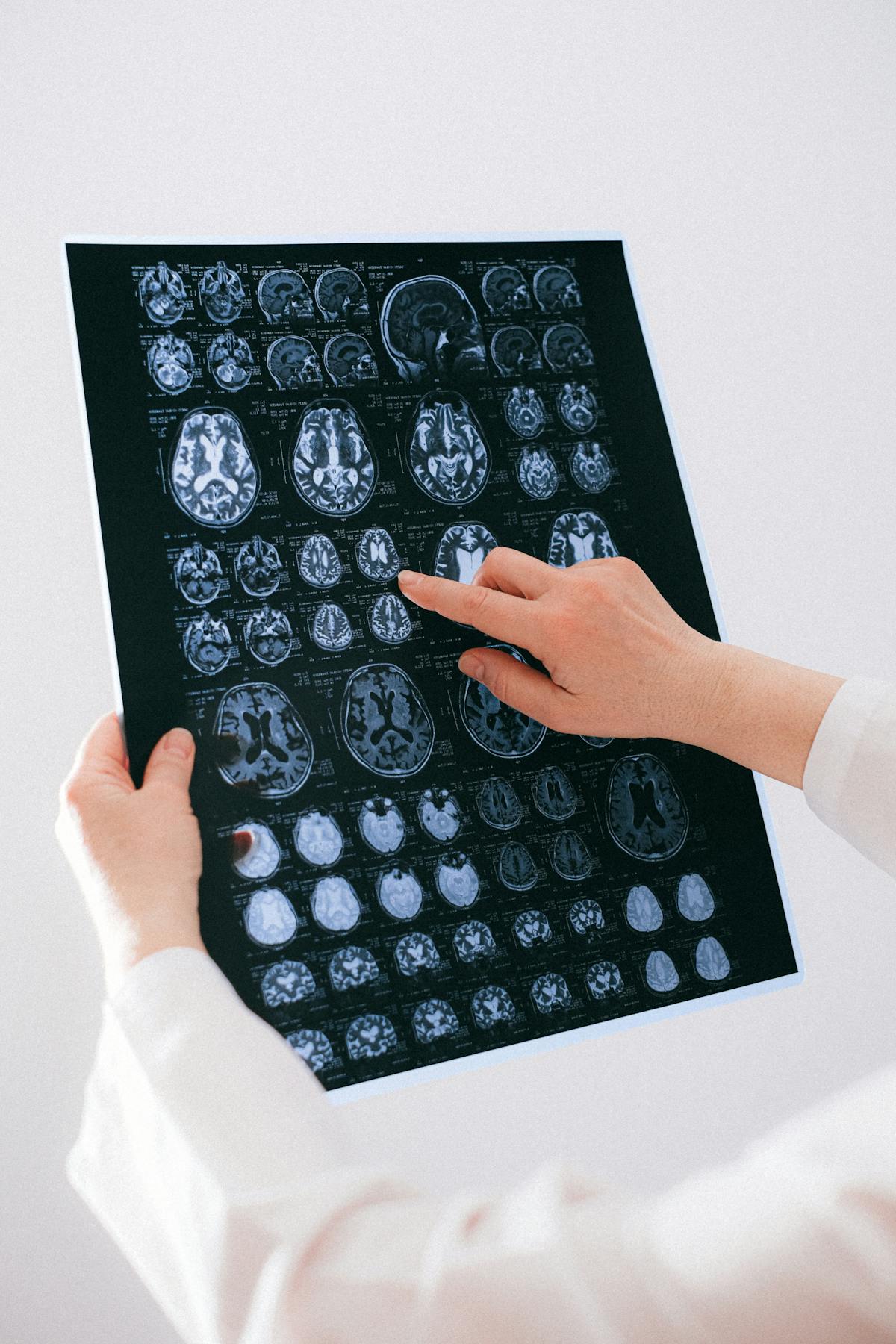
Yes — ESWT is particularly indicated for chronic plantar fasciitis (>6 months duration) that has failed other conservative measures. Patients with multi-year histories respond well when the diagnosis is correct and the treatment protocol is appropriate. Concurrent imaging (ultrasound or MRI) to confirm active plantar fasciitis (fascial thickening, peritendinous edema) rather than scar tissue is helpful to ensure the right patients receive ESWT.
Michigan Foot Pain? See Dr. Biernacki In Person
4.9★ rated | 1,123 Reviews | 3,000+ Surgeries
Same-week appointments · Howell & Bloomfield Hills
📞 (810) 206-1402 Book Online →Frequently Asked Questions
When should I see a podiatrist?
If symptoms persist past 2 weeks, affect your normal activity, or are accompanied by red-flag symptoms (warmth, redness, swelling, inability to bear weight).
What does treatment cost?
Most diagnostic visits and conservative treatments are covered by Medicare and major insurers. Out-of-pocket costs vary by your specific plan.
How quickly can I get an appointment?
Most non-urgent cases see us within 5 business days. Urgent cases (sudden pain, possible fracture) typically same or next business day.
Foot pain typically responds best to early podiatrist evaluation, conservative treatments such as supportive footwear and targeted physical therapy, and—when needed—custom orthotics or in-office procedures. Most patients see meaningful improvement within 4-6 weeks of starting a structured treatment plan. Schedule an evaluation at our Howell or Bloomfield Hills office for a clinical assessment.
What is Foot pain?

Foot pain is a common foot/ankle condition that affects mobility and quality of life. Understanding the underlying cause is the first step in successful treatment. Our podiatrists at Balance Foot & Ankle perform a hands-on biomechanical exam, review your activity history, and use diagnostic imaging when appropriate to identify the root cause—not just treat the symptom. Many patients have been told to “rest and ice” without a deeper diagnostic workup; our approach is different.
Symptoms and warning signs
Common signs of foot pain include pain that worsens with activity, morning stiffness, swelling, tenderness when palpated, and difficulty bearing weight. If you experience sudden severe pain, inability to walk, visible deformity, numbness or color change, contact our office the same day or visit urgent care—these can signal a more serious injury such as a fracture, tendon rupture, or vascular compromise. Diabetics with any foot wound should seek same-day care.
Conservative treatment options
Most cases of foot pain respond to non-surgical care: structured rest, supportive footwear changes, custom orthotics, targeted stretching and strengthening protocols, anti-inflammatory medications when medically appropriate, and in-office procedures such as ultrasound-guided injections. We also offer advanced therapies including MLS laser therapy, EPAT/shockwave, regenerative injections, and image-guided procedures. Treatment is sequenced from least invasive to most invasive, and we explain the rationale at every step.
When is surgery considered?
Surgery is reserved for cases that fail 3-6 months of well-structured conservative care, when there is structural pathology (severe deformity, complete tear, advanced arthritis), or when imaging shows damage that will not heal without intervention. Our surgeons have performed 3,000+ foot and ankle procedures and prioritize minimally-invasive techniques whenever appropriate. We discuss recovery timelines, return-to-activity milestones, and realistic outcome expectations before any procedure is scheduled.
Recovery timeline and prevention
Recovery from foot pain varies based on severity and chosen treatment path. Conservative cases often improve within 4-8 weeks with consistent adherence to the protocol. Post-procedural recovery may range from a few days (in-office procedures) to several months (reconstructive surgery). Long-term prevention involves footwear assessment, activity modification, structured strengthening, and regular check-ins with your podiatrist if you have a history of recurrence. We provide written home-exercise plans and digital follow-up support.
Ready to feel better?
Same-week appointments available in Howell and Bloomfield Hills, Michigan.
Book Your VisitVisit Balance Foot & Ankle — Same-Day Appointments Available
Our podiatry team serves patients throughout Michigan including Howell, Brighton, and Bloomfield Hills. Whether you’re dealing with heel pain, ingrown toenails, or a foot injury, we have same-day appointment availability.
PubMed: Shockwave Therapy for Plantar Fasciitis
Ready to Get Relief?
Same-day appointments available in Howell & Bloomfield Hills, MI
4.9★ | 1,123 Reviews | 3,000+ Surgeries
Or call: (810) 206-1402

Dr. Tom Biernacki, DPM is a board-certified foot & ankle surgeon (ABFAS & ABPM) at Balance Foot & Ankle Specialists in Southeast Michigan. With over a decade of clinical experience, he specializes in heel pain, bunions, diabetic foot care, sports injuries, and minimally invasive surgery. Dr. Biernacki is a member of the APMA and ACFAS, and his patient education content on MichiganFootDoctors.com and YouTube has made him one of the most-followed foot & ankle educators on YouTube.