
Medically reviewed by Dr. Tom Biernacki, DPM
Board-certified podiatric surgeon | Balance Foot & Ankle, Howell & Bloomfield Hills, MI
Last reviewed: May 2026

The most important clinical decision with Stress Fracture Foot Michigan Podiatrist isn’t which treatment to start with — it’s identifying the correct subtype. That changes everything. Call (810) 206-1402.
The most important clinical decision with Stress Fracture Foot Michigan Podiatrist isn’t which treatment to start with — it’s identifying the correct subtype. That changes everything. Call (810) 206-1402.
Foot Stress Fracture Location Risk Stratification: High-Risk vs. Low-Risk Sites
| Location | Risk Level | Blood Supply | Healing Potential | Treatment | Complication If Missed |
|---|---|---|---|---|---|
| Navicular | HIGH RISK ⚠️ | Poor — central avascular zone | Low without strict NWB | Strict NWB boot × 6–8 weeks; CT/MRI to confirm; surgery if displaced or failed conservative | Non-union; navicular collapse; chronic disability |
| 5th Metatarsal — Jones Zone (proximal shaft, Zone 2) | HIGH RISK ⚠️ | Watershed area — poor supply | Low; high non-union rate | NWB boot 6–8 weeks; CT/MRI; OR FIXATION with intramedullary screw for athletes | Non-union; refracture; chronic pain |
| Medial Malleolus | HIGH RISK ⚠️ | Cortical bone; poor | Risk of complete fracture if not protected | NWB boot; surgical fixation if dreaded black line on MRI or athlete | Complete fracture displacement; ankle instability |
| Anterior Tibial Cortex | HIGH RISK ⚠️ | Tension side of bone | Poor — tension forces inhibit healing | NWB boot; surgical IM nailing in athletes; very slow healer | Complete transverse fracture (catastrophic) |
| Sesamoids | HIGH RISK ⚠️ | Poor; end-artery supply | Low; avascular necrosis risk | Strict NWB boot 6–8 weeks; J-pad orthotic; sesamoidectomy if failed | Avascular necrosis; non-union requiring sesamoidectomy |
| 2nd–4th Metatarsal Shaft | LOW RISK ✅ | Good periosteal supply | Excellent | Stiff-soled shoe or CAM boot 4–6 weeks; full weight-bearing usually tolerated | Delayed union if ignored; refracture if premature return |
| 5th MT — Tuberosity Avulsion (Zone 1) | LOW RISK ✅ | Good — at apophysis | Excellent | Hard sole shoe or boot 4–6 weeks; most heal uneventfully; do NOT confuse with Jones fracture | Minimal if treated |
| Calcaneus | LOW RISK ✅ | Good cancellous supply | Good | Boot 4–6 weeks; gradual return; heel cup | Good prognosis with offloading |
Stress Fracture MRI Grading System and Return-to-Activity Timeline
| MRI Grade | Finding | Fracture Line? | Typical Healing Time | Return to Running | Treatment |
|---|---|---|---|---|---|
| Grade 1 (Stress Reaction) | Mild periosteal edema on STIR; T1 normal | No | 2–3 weeks | 3–4 weeks from symptom resolution | Relative rest; activity modification; cross-train |
| Grade 2 (Stress Reaction) | Periosteal + endosteal edema on STIR/T2; T1 normal | No | 4–6 weeks | 6–8 weeks with graduated return | Boot if lower extremity; relative rest; address bone health |
| Grade 3 (Stress Fracture) | Edema on T1 and T2; marrow signal change; no cortical break visible | No visible fracture line | 6–10 weeks | 8–12 weeks; NWB for high-risk sites | Boot or NWB depending on site; bone health labs |
| Grade 4 (Complete Stress Fracture) | Fracture line visible on T1; complete cortical break; maximal edema | Yes — visible fracture line | 10–16 weeks | 12–20 weeks; surgical evaluation for high-risk sites | Strict NWB or surgical fixation (high-risk sites); low-risk: NWB boot × 6–8 weeks |
Quick answer: Stress Fracture Foot Michigan Podiatrist is a common foot/ankle topic that affects many patients. The 2026 evidence-based approach combines proper diagnosis, conservative-first treatment, and escalation only when needed. We treat this regularly at our Howell and Bloomfield Hills practices. Call (810) 206-1402.
Foot pain isn't resolving?
Same-week appointments at Howell & Bloomfield Hills
Medically Reviewed | Dr. Tom Biernacki, DPM | Board-Certified Podiatric Surgeon | Balance Foot & Ankle, Michigan
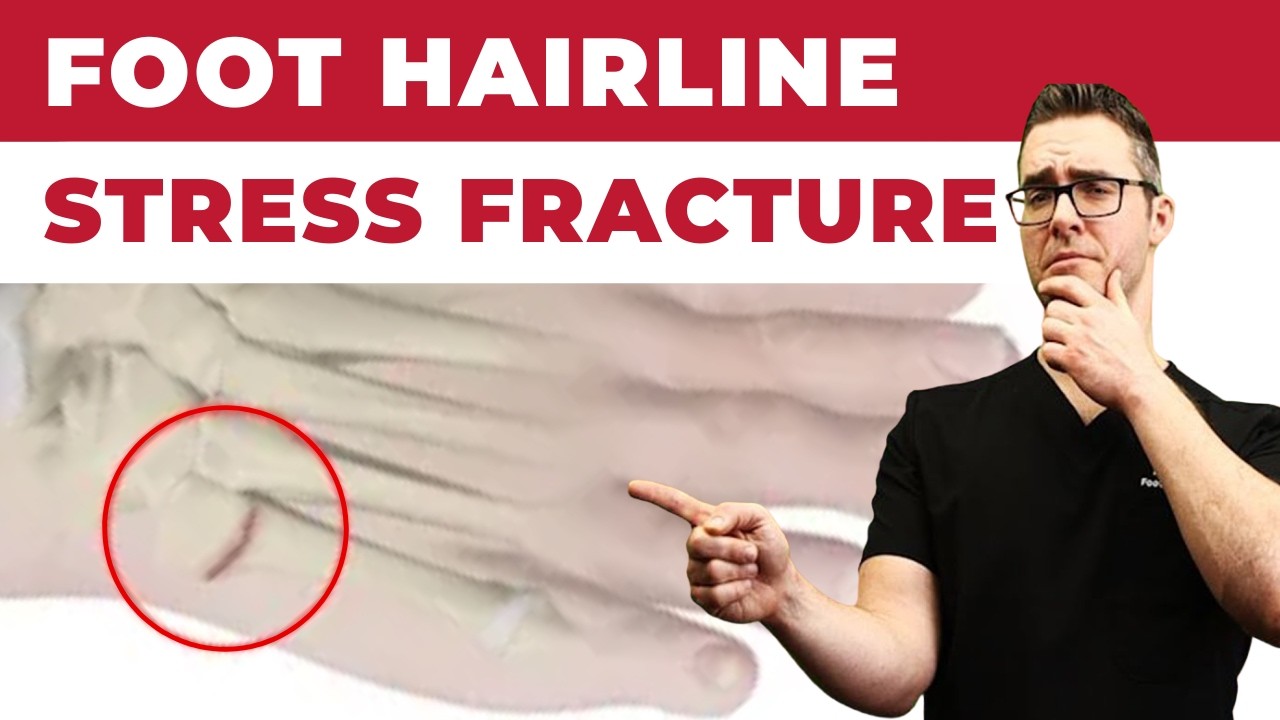


![Calcaneus Stress Fracture Treatment [Heel Stress Fracture RECOVERY!]](https://www.michiganfootdoctors.com/wp-content/cache/flying-press/cdfca81fb25b3ea56c6af7d70a9e3fb0.jpg)
Watch: Calcaneus Stress Fracture Treatment [Heel Stress Fracture RECOVERY!] — MichiganFootDoctors YouTube
What Is a Foot Stress Fracture?
A stress fracture is a fatigue failure of bone — a partial or complete fracture that develops not from a single traumatic event but from repetitive loading at intensities that exceed the bone’s remodeling capacity over time. Normal bone continuously undergoes remodeling: osteoclasts resorb old bone and osteoblasts deposit new bone at sites of mechanical stress. When the rate of bone loading exceeds the rate of remodeling repair — from sudden increases in training volume, a change in surface or footwear, or nutritional deficiencies that impair bone metabolism — microdamage accumulates and eventually progresses to a clinically visible stress fracture.
Foot stress fractures are among the most common injuries in running athletes, military recruits undergoing basic training, and anyone who dramatically increases their activity level. The second metatarsal is the most commonly fractured site in the foot, followed by the third metatarsal, navicular, calcaneus, and fifth metatarsal. Each site has a distinct prognosis, healing timeline, and treatment protocol based on its blood supply and biomechanical loading characteristics.
High-Risk vs. Low-Risk Stress Fracture Sites
The most critical decision in stress fracture management is determining whether the fracture involves a high-risk or low-risk anatomical site. This distinction drives treatment aggressiveness, determines whether surgery is appropriate, and sets realistic return-to-sport expectations.
Low-risk sites (heal predictably with conservative management): Second through fourth metatarsal shafts, calcaneus, cuboid, cuneiform bones. These sites have good blood supply and are subject to compressive loading forces — conditions that favor healing. Treatment: walking boot for 4–8 weeks, graduated return to weight-bearing, and eventual return to sport at 8–12 weeks.
High-risk sites (high non-union and refracture risk — may require surgery):
Navicular stress fracture: The navicular bone is subject to high shear forces at the central one-third of its proximal articular surface — a watershed zone with limited blood supply from the dorsal talar neck vessels. Navicular stress fractures have a high non-union rate with inadequate treatment and are the single most commonly misdiagnosed serious foot injury in runners. CT is the definitive imaging study for navicular fractures — MRI may miss the fracture line in the early edema phase. Treatment: strict non-weight-bearing for 6 weeks in a cast or boot, followed by gradual return to activity at 3–4 months. Displaced fractures or fractures with complete cortical break require surgical fixation with percutaneous screw placement.
Fifth metatarsal Zone II (Jones fracture): The metaphyseal-diaphyseal junction of the fifth metatarsal is a biomechanical stress concentration point subject to the lateral column overload characteristic of cavus foot and high-activity loading. Jones fractures have poor inherent healing potential because of the watershed blood supply in Zone II. Competitive athletes with Jones fractures almost universally benefit from primary surgical fixation with an intramedullary screw — returning to sport at 8–10 weeks rather than the 3–5 months required for conservative casting. Recreational patients may be managed conservatively but require prolonged non-weight-bearing.
Second metatarsal neck stress fracture: The second metatarsal neck — particularly in dancers with hallux rigidus or after bunion surgery that shortens the first metatarsal — is subject to concentrated load transfer when the first ray is non-functional. These fractures can develop into complete fractures or displace if loaded prematurely.
Sesamoid stress fracture: Covered in the sesamoiditis section — high non-union risk, long healing timeline, potential requirement for sesamoidectomy.
Why Stress Fractures Are Missed
Plain radiographs are insensitive for stress fractures in the first 2–3 weeks — the fracture line is not visible until reactive periosteal new bone formation develops around the healing fracture, which takes 2–3 weeks. This creates the well-documented pattern of patients presenting with classic stress fracture symptoms (point tenderness, activity-related pain, relief with rest), receiving negative X-rays, and being told “nothing is broken” before eventually returning weeks later with a positive X-ray and a delayed diagnosis.
Dr. Biernacki orders MRI when stress fracture is clinically suspected regardless of initial X-ray findings. MRI demonstrates bone marrow edema (the earliest stress response) within 24–48 hours of injury, long before the fracture line becomes radiographically visible. MRI findings guide the clinical decision-making for return to activity and surgical consultation.
Technetium-99m bone scan is an alternative when MRI is contraindicated — it shows diffuse increased uptake at the stress fracture site and is almost universally positive by 72 hours after injury. However, bone scan does not provide anatomical detail equivalent to MRI and cannot distinguish between stress fracture, periosteal reaction, and other causes of focal bone pain.
Contributing Factors and Prevention
Dr. Biernacki evaluates stress fracture patients for modifiable risk factors that, if unaddressed, predict recurrence after healing:
Training errors: Too-rapid increase in weekly mileage (the “10% rule” violation), abrupt change in running surface (treadmill to asphalt), or sudden resumption of high-volume training after a period of rest are the most common precipitants. Structured return-to-running protocols are provided at discharge.
Footwear: Worn midsole with inadequate cushioning and shock absorption, transitioning too rapidly to minimalist footwear, and inappropriate footwear for the foot type (neutral shoe for a cavus foot) all increase stress fracture risk. Dr. Biernacki provides specific footwear recommendations based on foot architecture.
Biomechanical factors: Cavus foot (fifth metatarsal and lateral column fractures), leg length discrepancy, femoral anteversion, and excessive tibial torsion alter stress distribution in ways that predispose to specific fracture sites. Custom orthotics that correct the underlying mechanical fault reduce recurrence risk.
Nutritional and hormonal factors: The female athlete triad (low energy availability, menstrual dysfunction, low bone density) and its broader conceptualization as Relative Energy Deficiency in Sport (RED-S) significantly increases stress fracture risk in female athletes. Vitamin D and calcium insufficiency impair bone remodeling. Screening for nutritional and hormonal contributors is part of the evaluation for athletes with stress fractures, particularly recurrent or atypical fractures.
Dr. Tom's Product Recommendations
Aircast AirSelect Elite Walking Boot
⭐ Highly Rated
Premium pneumatic walking boot with AirCell system for adjustable compression and superior immobilization. The standard prescriptive boot for metatarsal and calcaneal stress fractures requiring protected weight-bearing.
Dr. Tom says: “My podiatrist prescribed this boot for my second metatarsal stress fracture. The air cells kept the swelling down beautifully.”
Low-risk foot stress fractures requiring protected weight-bearing — metatarsal shafts, calcaneus, cuneiform
Navicular and fifth metatarsal Zone II (Jones) fractures in athletes — may require non-weight-bearing or surgery
Disclosure: We earn a commission at no extra cost to you.
Hoka Bondi 8 — Maximum Cushion Running Shoe
⭐ Highly Rated
Maximum-cushion neutral trainer with thick EVA midsole and early meta-rocker — reduces peak plantar impact forces during the return-to-running phase after stress fracture healing. Podiatrist-prescribed for stress fracture prevention and recovery.
Dr. Tom says: “My podiatrist prescribed these for my return to running after my metatarsal stress fracture. Much less impact than my old shoes.”
Stress fracture return-to-running phase — maximum shock absorption to reduce bone loading during healing
Active fracture or non-weight-bearing phase — shoe selection is irrelevant until cleared for walking
Disclosure: We earn a commission at no extra cost to you.
Thorne Vitamin D3/K2 — Bone Health Support
⭐ Highly Rated
High-potency vitamin D3 with K2 (MK-4 form) — the combination promotes calcium absorption and directs calcium to bone rather than soft tissue. Foundational nutritional support for stress fracture healing and prevention. Thorne is a NSF-certified professional-grade brand.
Dr. Tom says: “My podiatrist recommended checking my vitamin D level after my stress fracture. It was low — now I supplement with this.”
Stress fracture patients with vitamin D insufficiency — nutritional foundation for bone healing and prevention of recurrence
Patients with hypercalcemia, sarcoidosis, or kidney disease — check with your physician before supplementing
Disclosure: We earn a commission at no extra cost to you.
✅ Pros / Benefits
- MRI ordered when clinical suspicion warrants — not relying on initial negative X-rays
- High-risk vs. low-risk classification at initial visit — drives surgical vs. conservative decision-making
- Jones fracture surgical fixation with intramedullary screw for athletes seeking faster return to sport
- Navicular stress fracture management with appropriate strict non-weight-bearing protocol
- Return-to-sport program with functional milestones — not time-only clearance
❌ Cons / Risks
- MRI scheduling adds 1–3 days before definitive treatment planning
- Jones fracture surgical recovery requires 8–10 weeks before return to sport even with fixation
- Navicular stress fracture conservative management requires 3–4 months before return to running
- Recurrence is common without correction of the underlying training error or biomechanical fault
Dr. Tom Biernacki’s Recommendation
Stress fractures are injuries where getting the diagnosis right quickly is really important. A runner who comes in with a navicular stress fracture and gets told ‘rest for a few weeks’ instead of ‘non-weight-bearing for 6 weeks’ is likely to develop a complete fracture with non-union — and then we’re talking surgery and 6+ months of recovery instead of 3 months of conservative care. My approach is always to image appropriately — MRI if there’s clinical suspicion — classify the fracture by risk, and give the athlete a clear, honest timeline. I’d rather have a hard conversation about a 12-week recovery than promise 4 weeks and have them come back with a displaced fracture.
— Dr. Tom Biernacki, DPM | Board-Certified Podiatric Surgeon | Balance Foot & Ankle
Frequently Asked Questions
How do I know if I have a stress fracture?
Classic stress fracture symptoms include: sharp point tenderness directly over a bone (one finger can identify the exact spot), pain that starts during activity and progressively worsens, relief with complete rest, and absence of a single traumatic event. The ‘hop test’ — single-leg hop on the affected foot — reproduces sharp pain in metatarsal and calcaneal stress fractures. If you have these symptoms, see a podiatrist. Don’t wait for a positive X-ray — by the time X-rays turn positive, you may have already converted a stress reaction to a complete fracture.
Can I keep running with a stress fracture?
No — continued running on a stress fracture risks complete fracture displacement, which dramatically extends healing time and may require surgery. Activity restriction is the most important immediate intervention. Dr. Biernacki provides clear activity restrictions at the initial visit based on the fracture site and risk classification, and creates a structured return-to-running protocol for the recovery period.
Is there a surgery for stress fractures?
Surgery is indicated for: Jones fractures (Zone II) in competitive athletes, displaced navicular stress fractures, complete fractures with displacement, and stress fractures that have failed to heal after adequate conservative treatment (non-union). Most stress fractures in the foot heal without surgery. Dr. Biernacki discusses surgical indications at the initial consultation based on fracture site, imaging findings, and patient activity goals.
How long before I can run again?
Low-risk fractures (metatarsal shafts, calcaneus): 8–12 weeks total recovery with 4–8 weeks in a boot followed by graduated return. Navicular: 3–4 months conservative, or 10–12 weeks after surgical fixation. Jones fracture: 3–5 months conservative, or 8–10 weeks after surgical fixation in athletes. These timelines require MRI confirmation of healing — calendar time alone is not sufficient clearance to return to impact activity.
Michigan Foot Pain? See Dr. Biernacki In Person
4.9★ rated | 1,123 Reviews | 3,000+ Surgeries
Same-week appointments · Howell & Bloomfield Hills
📞 (810) 206-1402 Book Online →Frequently Asked Questions
When should I see a podiatrist?
If symptoms persist past 2 weeks, affect your normal activity, or are accompanied by red-flag symptoms (warmth, redness, swelling, inability to bear weight).
What does treatment cost?
Most diagnostic visits and conservative treatments are covered by Medicare and major insurers. Out-of-pocket costs vary by your specific plan.
How quickly can I get an appointment?
Most non-urgent cases see us within 5 business days. Urgent cases (sudden pain, possible fracture) typically same or next business day.
What is Stress fracture?
Stress fracture is a common foot/ankle condition that affects mobility and quality of life. Understanding the underlying cause is the first step in successful treatment. Our podiatrists at Balance Foot & Ankle perform a hands-on biomechanical exam, review your activity history, and use diagnostic imaging when appropriate to identify the root cause—not just treat the symptom. Many patients have been told to “rest and ice” without a deeper diagnostic workup; our approach is different.
Symptoms and warning signs
Common signs of stress fracture include pain that worsens with activity, morning stiffness, swelling, tenderness when palpated, and difficulty bearing weight. If you experience sudden severe pain, inability to walk, visible deformity, numbness or color change, contact our office the same day or visit urgent care—these can signal a more serious injury such as a fracture, tendon rupture, or vascular compromise. Diabetics with any foot wound should seek same-day care.
Conservative treatment options
Most cases of stress fracture respond to non-surgical care: structured rest, supportive footwear changes, custom orthotics, targeted stretching and strengthening protocols, anti-inflammatory medications when medically appropriate, and in-office procedures such as ultrasound-guided injections. We also offer advanced therapies including MLS laser therapy, EPAT/shockwave, regenerative injections, and image-guided procedures. Treatment is sequenced from least invasive to most invasive, and we explain the rationale at every step.
When is surgery considered?
Surgery is reserved for cases that fail 3-6 months of well-structured conservative care, when there is structural pathology (severe deformity, complete tear, advanced arthritis), or when imaging shows damage that will not heal without intervention. Our surgeons have performed 3,000+ foot and ankle procedures and prioritize minimally-invasive techniques whenever appropriate. We discuss recovery timelines, return-to-activity milestones, and realistic outcome expectations before any procedure is scheduled.
Recovery timeline and prevention
Recovery from stress fracture varies based on severity and chosen treatment path. Conservative cases often improve within 4-8 weeks with consistent adherence to the protocol. Post-procedural recovery may range from a few days (in-office procedures) to several months (reconstructive surgery). Long-term prevention involves footwear assessment, activity modification, structured strengthening, and regular check-ins with your podiatrist if you have a history of recurrence. We provide written home-exercise plans and digital follow-up support.
Ready to feel better?
Same-week appointments available in Howell and Bloomfield Hills, Michigan.
Book Your VisitIn-Office Treatment at Balance Foot & Ankle
If home treatment isn’t providing relief for your stress fractures, our podiatry team at Balance Foot & Ankle can help with same-day evaluations and advanced in-office care.
OrthoInfo – AAOS: Stress Fractures
Ready to Get Relief?
Same-day appointments available in Howell & Bloomfield Hills, MI
4.9★ | 1,123 Reviews | 3,000+ Surgeries
Or call: (810) 206-1402

Dr. Tom Biernacki, DPM is a board-certified foot & ankle surgeon (ABFAS & ABPM) at Balance Foot & Ankle Specialists in Southeast Michigan. With over a decade of clinical experience, he specializes in heel pain, bunions, diabetic foot care, sports injuries, and minimally invasive surgery. Dr. Biernacki is a member of the APMA and ACFAS, and his patient education content on MichiganFootDoctors.com and YouTube has made him one of the most-followed foot & ankle educators on YouTube.