

The most important clinical decision with Subtalar Arthroereisis Sinus Tarsi Implant Flatfoot isn't which treatment to start with — it's which subtype or underlying cause you actually have. Our podiatrists regularly see patients who've been treated for months for the wrong diagnosis. The correct identification changes the entire treatment path. Call (810) 206-1402 — Dr. Tom evaluates this condition at both Howell and Bloomfield Township locations.

Subtalar arthroereisis (a sinus tarsi implant) is a minimally-invasive flatfoot correction option for select patients — and the right indication produces dramatic improvement with quick recovery.
You’re in the right place. Dr. Tom Biernacki, DPM, FACFAS — board-certified foot & ankle surgeon with 3,000+ surgeries — explains exactly what subtalar arthroereisis means and what works. Call (810) 206-1402 for same-day appointment at Howell or Bloomfield Township.
Medically reviewed by Dr. Tom Biernacki, DPM · Board-Certified Podiatric Surgeon · Last reviewed: April 2026 · Editorial Policy
The most important clinical decision with Subtalar Arthroereisis Sinus Tarsi Implant Flatfoot isn’t which treatment to start with — it’s identifying the correct subtype. That changes everything. Call (810) 206-1402.
Quick Answer
Subtalar Arthroereisis: Sinus Tarsi Implant for Flexible Fla relates to arch concerns — typically caused by foot structure or fatigue. Most patients improve in 6-12 weeks with intervention with conservative care. Same-week appointments in Howell + Bloomfield Township: (810) 206-1402.

Medically reviewed by Dr. Tom Biernacki, DPM — Board-certified foot & ankle surgeon, 3,000+ surgeries performed. Updated April 2026 with current clinical evidence. This article reflects real practice experience from Balance Foot & Ankle Specialists in Howell and Bloomfield Township, Michigan.
Quick Answer
Flat feet (pes planus) means the arch has collapsed, causing the ankle to roll inward. When flat feet cause plantar fasciitis, shin splints, or knee pain, custom orthotics combined with supportive footwear resolve most cases. Asymptomatic flat feet usually need no treatment.
Watch: Dr. Tom Biernacki, DPM
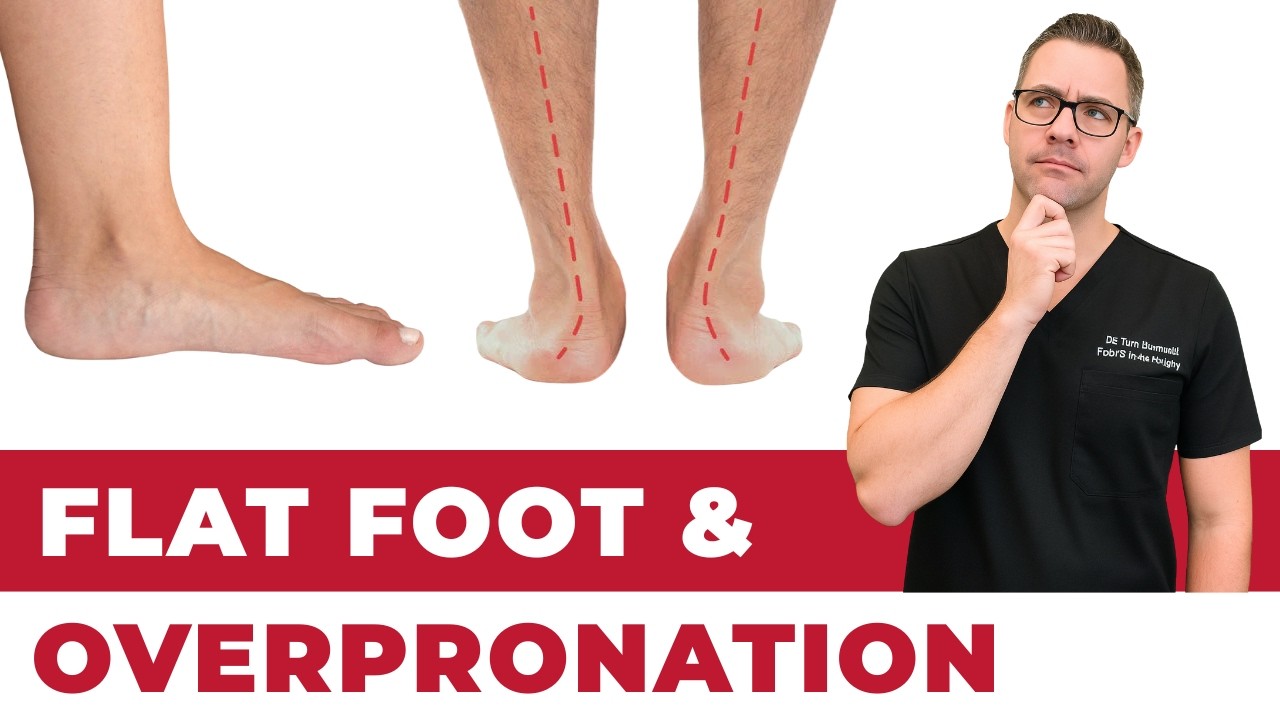
Medically reviewed by Dr. Tom Biernacki, DPM — Board-Certified Podiatric Surgeon — Balance Foot & Ankle, Howell & Bloomfield Township, MI. Last updated April 2026.
▶ Watch
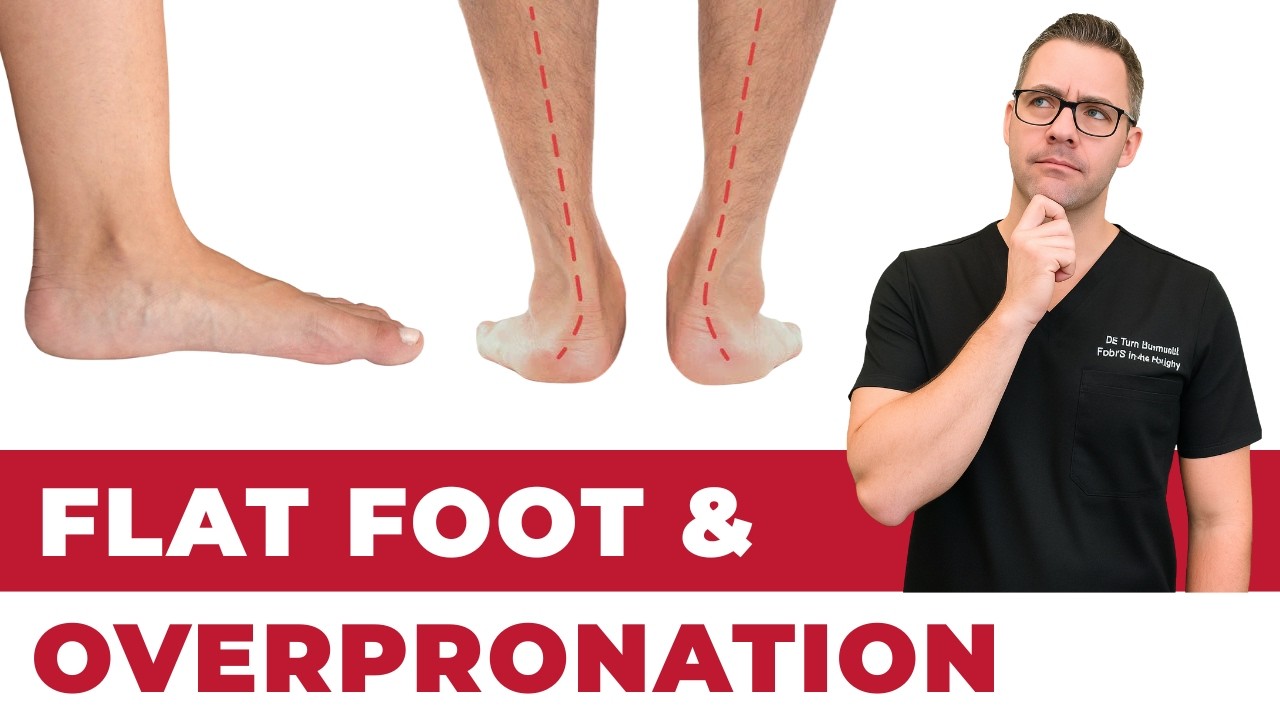
Medically Reviewed by Dr. Tom Biernacki, DPM — Board-Certified Podiatrist, Balance Foot & Ankle Specialists, Michigan. Last updated April 2026.
Subtalar arthroereisis — the placement of a sinus tarsi implant to limit excessive subtalar joint pronation in flexible flatfoot — is a minimally invasive surgical technique that has gained widespread use in pediatric and adolescent flatfoot surgery over the past two decades. Understanding which patients benefit from arthroereisis, how the procedure works, and what outcomes to realistically expect is important for parents and patients considering this option.
Mechanism and Indications
A cylindrical or conical implant is inserted into the sinus tarsi (the lateral canal between the talus and calcaneus) under fluoroscopic guidance through a small lateral incision. The implant mechanically limits excessive pronation motion at the subtalar joint by blocking the anterior facet from the posterior calcaneus — functioning as a “speed bump” that prevents end-range subtalar eversion. Arthroereisis is indicated for symptomatic flexible flatfoot (activity-limiting pain, fatigue, shoe wear difficulty, gait deviation) in skeletally immature patients who have failed conservative management with custom orthotics and physical therapy. The pediatric age window of 8–14 years is typically preferred — the foot has matured enough to predictably accommodate the implant but the growing skeleton allows some correction to be maintained after implant removal if needed.
Advantages Over Calcaneal Osteotomy
Arthroereisis offers significant advantages for appropriate pediatric patients: the procedure is reversible (implant removal is a simple outpatient procedure if symptomatic), it avoids cutting bone, recovery is faster than osteotomy (walking in a surgical boot within 1–2 weeks versus 6 weeks for calcaneal osteotomy), and it can be combined with gastrocnemius recession for concurrent Achilles tightness correction. The disadvantage is that arthroereisis does not provide the degree of alignment correction achievable with calcaneal osteotomy — for severe deformities, osteotomy produces better alignment correction.
Outcomes and Implant Removal
Published studies report 70–85% good or excellent outcomes with sinus tarsi arthroereisis for appropriately selected flexible flatfoot in children. Implant-related pain requiring removal occurs in approximately 10–20% of cases — most commonly from oversized implant selection or progressive sinus tarsi irritation. Implant removal reliably resolves sinus tarsi pain, and significant deformity recurrence after removal is uncommon in patients who achieved skeletal maturity with the implant in place. Dr. Biernacki at Balance Foot & Ankle evaluates pediatric flatfoot and discusses all surgical options — arthroereisis, calcaneal osteotomy, and conservative management — based on the individual patient’s deformity, age, and activity goals. Call (810) 206-1402 at our Bloomfield Township or Howell office.
📧 Get Dr. Tom’s Free Lab Test Guide
Discover the 5 lab tests every person over 35 should ask their doctor about — explained in plain English by a board-certified physician.
📍 Located in Michigan?
Our board-certified podiatrists treat this condition at two convenient locations. Same-day appointments often available.
In-Office Treatment at Balance Foot & Ankle
If home care isn’t resolving your your foot or ankle concern, a visit with a board-certified podiatrist is the fastest path to accurate diagnosis and a personalized plan. At Balance Foot & Ankle Specialists, Dr. Tom Biernacki, Dr. Carl Jay, and Dr. Daria Gutkin offer same-day and next-day appointments at both our Howell and Bloomfield Township offices. We perform on-site diagnostic ultrasound, digital X-ray, conservative care, advanced regenerative treatments, and minimally invasive surgery when indicated.
Call (810) 206-1402 or request an appointment online. Most insurance plans accepted, including Medicare, Blue Cross Blue Shield, Aetna, Cigna, and United Healthcare.
More Podiatrist-Recommended Flat Feet Essentials
PowerStep Pinnacle Insole

![How to Fix Flat Feet? [Collapsing Arch Pain & Flat Foot Correction!]](https://www.michiganfootdoctors.com/wp-content/cache/flying-press/7d7817e5895b520e184d5a23725fccc6.jpg)
Watch: How to Fix Flat Feet? [Collapsing Arch Pain & Flat Foot Correction!] — MichiganFootDoctors YouTube
Top orthotic for flat feet — lifts the collapsed arch and controls pronation.
Stability Running Shoe
New Balance Fresh Foam X 860 — designed for overpronators with flat feet.
Supportive Stability Shoe
Brooks Adrenaline GTS 25 — gold-standard stability shoe for flat feet.
As an Amazon Associate, Balance Foot & Ankle earns from qualifying purchases. Product recommendations are based on clinical experience; prices and availability shown above update live from Amazon.
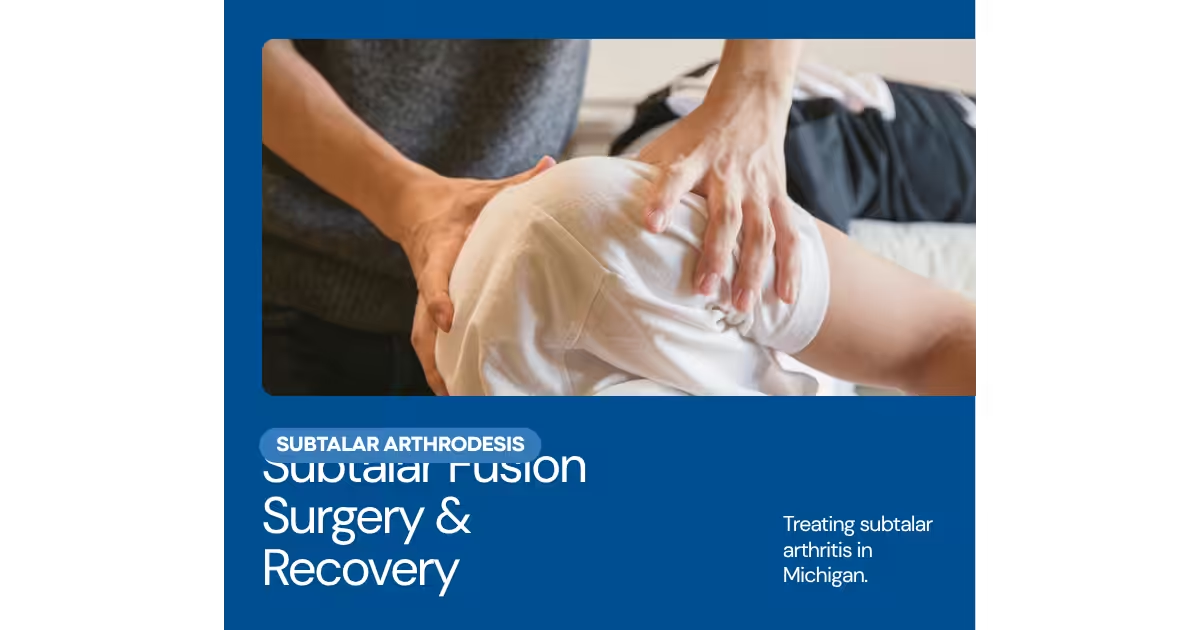
When to See a Podiatrist
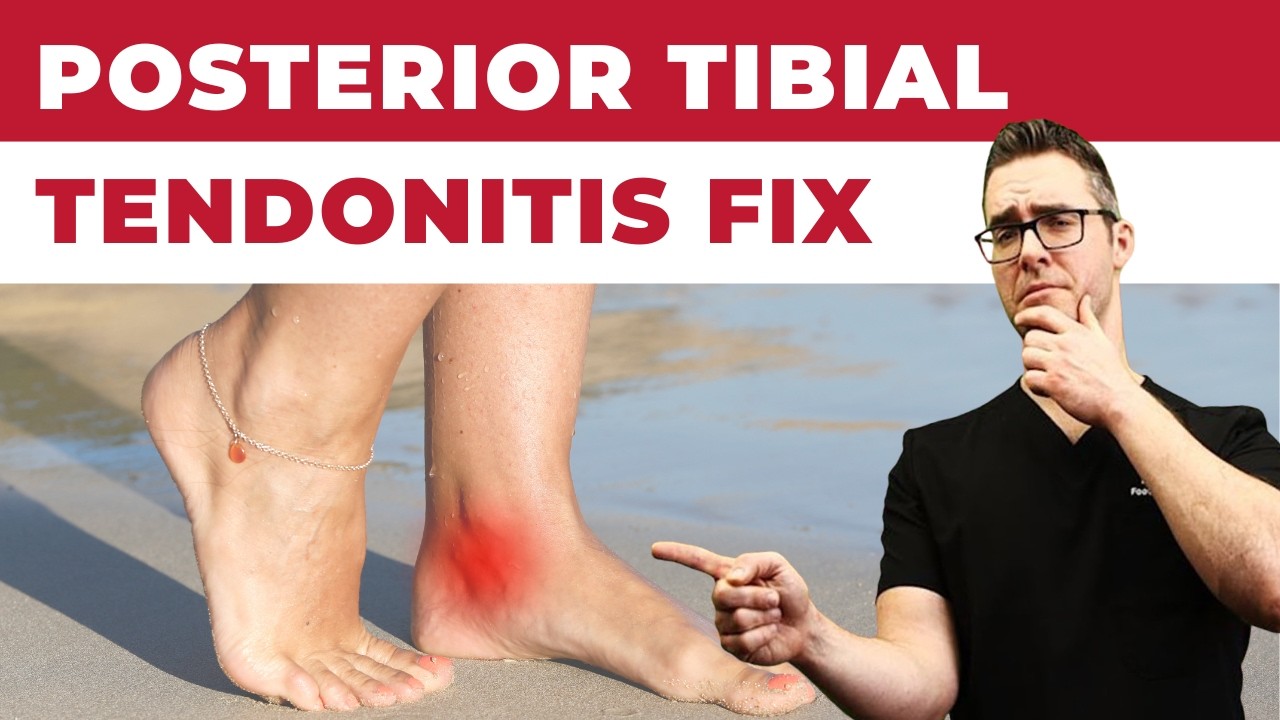
Painful flat feet in adults can signal posterior tibial tendon dysfunction — a progressive condition that needs early intervention to avoid surgery. Balance Foot & Ankle evaluates adult flatfoot with weight-bearing imaging and custom orthotic prescriptions. Catching PTTD at stage 1-2 makes the difference between a brace and a reconstruction.
Call Balance Foot & Ankle: (810) 206-1402 · Book online · Offices in Howell & Bloomfield Township
Frequently Asked Questions
When should I see a podiatrist?
See a podiatrist for any foot or ankle pain that persists more than 2 weeks, doesn’t improve with rest, limits your daily activities, or is accompanied by swelling, numbness, or skin changes. People with diabetes or circulation problems should see a podiatrist regularly even without symptoms.
What does a podiatrist treat?
Podiatrists diagnose and treat all conditions of the foot, ankle, and lower leg including plantar fasciitis, bunions, hammertoes, toenail problems, heel pain, nerve pain, diabetic foot care, sports injuries, fractures, and foot deformities — both surgically and non-surgically.
What can I expect at my first podiatry visit?
Your first visit includes a full medical history, physical examination of your feet and gait, and in-office diagnostic imaging if needed (X-rays, ultrasound). We’ll discuss your diagnosis and create a plan tailored to your foot type. Most visits take 30–45 minutes.
Need Treatment at Balance Foot & Ankle?
Dr. Tom Biernacki, Dr. Carl Jay, and Dr. Daria Gutkin see patients at our Howell and Bloomfield Township offices.
Book Online or call (810) 206-1402
Insurance Accepted
BCBS · Medicare · Aetna · Cigna · United Healthcare · HAP · Priority Health · Humana · View All →
Howell Office
4330 E Grand River Ave
Howell, MI 48843
Get Directions →
Bloomfield Township Office
43494 Woodward Ave, #208
Bloomfield Township, MI 48302
Get Directions →
Your Board-Certified Podiatrists



Ready to Get Back on Your Feet?
Same-week appointments available at both locations.
Book Your AppointmentDifferential Diagnosis: What Else Could It Be?
Several conditions share symptoms with Flat Feet (Pes Planus) and are commonly misdiagnosed in the first office visit. Considering these alternatives is part of every Balance Foot & Ankle exam:
- Posterior tibial tendon dysfunction (PTTD). Acquired adult flatfoot with single-leg heel-rise weakness.
- Tarsal coalition. Rigid flatfoot in an adolescent — bone bridge between hindfoot bones.
- Charcot foot (diabetic). Sudden warm, swollen, collapsing midfoot in a diabetic — urgent off-loading.
If your symptoms don’t fit the textbook pattern, ask your podiatrist which differentials they ruled out — that conversation often shortcuts months of trial-and-error treatment.
In Our Clinic
In our clinic, the flat-footed patient who actually needs intervention is the one whose arch is collapsing progressively in adulthood — not the person who was born flat-footed and has been running 5Ks pain-free for 20 years. We evaluate for posterior tibial tendon dysfunction (PTTD) with single-heel-rise testing, check for the “too many toes” sign from behind, and get weight-bearing X-rays. Early PTTD responds well to a custom orthotic with a medial heel skive + short course of boot immobilization. Stage 2+ PTTD is a different conversation — we discuss tendon transfers and calcaneal osteotomy candidates.
Most Common Mistake We See
The most common mistake we see is: Buying motion-control shoes without a gait assessment. Fix: get a pressure-plate analysis or wet-foot test first to confirm overpronation and arch height.
Warning Signs That Need Same-Day Care
Seek immediate evaluation at Balance Foot & Ankle if you experience any of the following:
- Rapid collapse of an arch on one foot (possible PTT rupture)
- Walking becoming impossible
- Redness or warmth along the inner arch
- Diabetes plus progressive arch collapse
Call (810) 206-1402 — same-day and next-day appointments at our Howell and Bloomfield Township offices.
Watch: Dr. Tom explains
Podiatrist-recommended products
As an Amazon Associate, Dr. Tom earns from qualifying purchases.
Conservative arch support — try before considering subtalar arthroereisis.
View on Amazon →Post-operative protection after sinus tarsi implant placement.
View on Amazon →Post-op swelling control after arthroereisis.
View on Amazon →Transitional support during post-arthroereisis rehabilitation.
View on Amazon →Related resources
Ready to solve this? Book today.
Same-week appointments · Howell & Bloomfield Township · 4.9★ (1,123+ reviews)
☎ (810) 206-1402Book Online →Pros & Cons of Conservative Care for foot care
Advantages
- ✓ Conservative care first
- ✓ Same-week appointments
- ✓ Multiple insurance accepted
Considerations
- ✗ Self-treatment can mask issues
- ✗ See a podiatrist if pain >2 weeks
Dr. Tom’s Recommended Products for foot care
Affiliate disclosure: As an Amazon Associate, Balance Foot & Ankle earns from qualifying purchases. We only recommend products we use with patients.
Footnanny Heel Cream Dr. Tom’s Pick
Best for: Daily moisturizer for cracked heels
Ready to Get Back on Your Feet?
Same-day appointments in Howell + Bloomfield Township. Most insurance accepted. Dr. Tom Biernacki, DPM & team.
Book Today — Same-Day Appointments Available
Call Now: (810) 206-1402
About Your Care Team at Balance Foot & Ankle
Dr. Tom Biernacki, DPM · Board-Certified Foot & Ankle Surgeon. Specializes in conservative-first care, minimally invasive bunion surgery, and complex reconstruction.
Dr. Carl Jay, DPM · Accepting new patients. Specializes in sports medicine, athletic injuries, and routine podiatric care.
Dr. Daria Gutkin, DPM, AACFAS · Accepting new patients. Specializes in surgical reconstruction and pediatric podiatry.
Locations: 4330 E Grand River Ave, Howell, MI 48843 · 43494 Woodward Ave Suite 208, Bloomfield Township, MI 48302
Hours: Mon–Fri 8:00 AM – 5:00 PM · (810) 206-1402
Frequently Asked Questions
When should I see a podiatrist?
If symptoms persist past 2 weeks, affect your normal activity, or are accompanied by red-flag symptoms (warmth, redness, swelling, inability to bear weight).
What does treatment cost?
Most diagnostic visits and conservative treatments are covered by Medicare and major insurers. Out-of-pocket costs vary by your specific plan.
How quickly can I get an appointment?
Most non-urgent cases see us within 5 business days. Urgent cases (sudden pain, possible fracture) typically same or next business day.
Get Expert Care at Balance Foot & Ankle
Same-week appointments at our Howell and Bloomfield Township offices. Board-certified podiatric surgeons. Most insurance accepted.
Ready for Expert Care?
Same-day appointments in Howell & Bloomfield Township, MI.
4.9★ | 1,123 Reviews | 3,000+ Surgeries
Or call: (810) 206-1402

Dr. Tom Biernacki, DPM is a board-certified foot & ankle surgeon (ABFAS & ABPM) at Balance Foot & Ankle Specialists in Southeast Michigan. With over a decade of clinical experience, he specializes in heel pain, bunions, diabetic foot care, sports injuries, and minimally invasive surgery. Dr. Biernacki is a member of the APMA and ACFAS, and his patient education content on MichiganFootDoctors.com and YouTube has made him one of the most-followed foot & ankle educators on YouTube.
More questions patients ask
Can flat feet be corrected?
Treatment depends on whether flat feet cause symptoms. Options range from custom orthotics and supportive shoes for mild cases to physical therapy for muscle strengthening. For severe, symptomatic flatfoot that doesn't respond to conservative care, Dr. Biernacki performs reconstructive surgery including tendon transfers and bone realignment procedures with excellent outcomes.
Are flat feet a problem?
Flat feet (pes planus) don't always cause problems. However, symptomatic flatfoot can lead to arch pain, heel pain, shin splints, knee pain, hip pain, and back pain due to altered biomechanics. Children's flat feet usually resolve naturally by age 6. Adult-acquired flatfoot (posterior tibial tendon dysfunction) is progressive and requires treatment to prevent worsening deformity.
What causes flat feet in adults?
Adult-acquired flatfoot is most commonly caused by posterior tibial tendon dysfunction (PTTD), where the tendon that supports the arch gradually weakens and tears. Risk factors include age over 40, obesity, diabetes, hypertension, and prior injury. Other causes include arthritis, Charcot foot, and tarsal coalition. Early treatment prevents progression to rigid deformity.
Still have a question about coverage or cost? Book online and we will check your benefits before your visit: Book in Howell · Book in Bloomfield Township. Prefer to talk it through first? Call (810) 206-1402.