

Quick answer: Swimming Water Polo Foot Health Athletes is a common foot/ankle topic that affects many patients. The 2026 evidence-based approach combines proper diagnosis, conservative-first treatment, and escalation only when needed. We treat this regularly at our Howell and Bloomfield Hills practices. Call (810) 206-1402.
▶ Watch
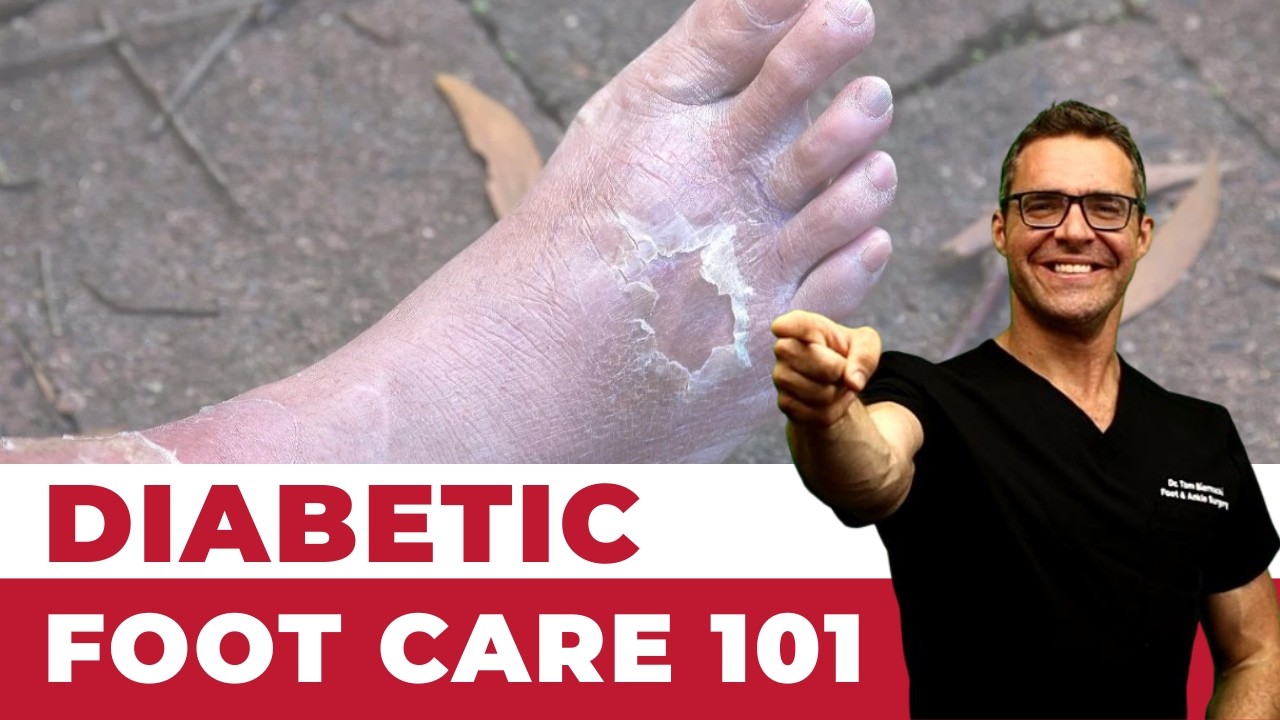
Foot Health Challenges for Competitive Swimmers and Water Polo Athletes
Medically Reviewed by Dr. Tom Biernacki, DPM — Board-Certified Podiatrist, Balance Foot & Ankle Specialists, Michigan. Last updated April 2026.
Swimming and water polo are often considered low-impact sports that are gentle on the body. While it is true that water provides buoyancy that reduces joint loading during training, competitive aquatic athletes face a specific set of foot and ankle problems that are unique to the pool environment. At Balance Foot & Ankle, we treat swimmers and water polo players from high school programs, collegiate teams, club programs, and masters athletes throughout Southeast Michigan.
Athlete Foot and Fungal Infections
Pool decks and locker rooms are among the highest-risk environments for dermatophyte fungal infections — the organisms responsible for athlete foot (tinea pedis) and fungal toenails (onychomycosis). The warm, moist environment of pool areas creates ideal conditions for fungal proliferation, and swimmers walk barefoot on contaminated surfaces dozens of times per week.
Athlete foot causes itching, burning, peeling, and cracking of the skin between the toes and on the soles. Left untreated, cracks in the skin create entry points for bacterial infections. In diabetic swimmers, even minor skin breaks carry serious infection risk.
Prevention requires wearing pool shoes or flip flops on all pool deck and locker room surfaces, thoroughly drying feet — particularly between toes — after every swim session, and applying antifungal powder or spray to feet regularly during swim season. Treatment requires antifungal medications (topical or oral) prescribed based on the severity and extent of infection.
Fungal toenail infections develop when athlete foot fungi invade the nail plate. Nails become thickened, discolored, and brittle. Treatment requires longer courses of antifungal therapy — oral medications for 3 months, topical treatments for 6 to 12 months, or laser treatment — because the nail plate is a difficult environment to penetrate with medication.
Plantar Warts in Swimmers
Human papillomavirus (HPV) — the cause of plantar warts — is transmitted through direct contact with contaminated surfaces. Pool environments harbor HPV, and swimmers who walk barefoot acquire warts at significantly higher rates than non-swimmers. Plantar warts appear as rough, thickened skin growths on the sole of the foot, often with small black dots (thrombosed capillaries) visible within them.
Warts cause pain with walking — particularly when the lesion is located on a weight-bearing surface. Treatment options range from topical salicylic acid applications for small warts through in-office cryotherapy, laser treatment, and curettage for resistant lesions. Prevention requires consistent flip flop use on pool surfaces and prompt treatment of early warts before they enlarge or spread.
Flip Turn Achilles and Calf Strain
Flip turns — the rapid rotation and explosive wall push-off that competitive swimmers perform at every lap — place explosive eccentric loading on the Achilles tendon and calf musculature. Swimmers who perform high volumes of flip turns, particularly in sprint training, develop Achilles tendinopathy at rates that are higher than many land-based sports despite the low-impact nature of swimming.
The mechanism involves the maximal plantarflexion force generated against the pool wall followed by immediate maximal dorsiflexion during the push-off phase. This rapid eccentric-concentric transition is mechanically similar to plyometric loading and carries similar tendinopathy risk when performed at high volume without adequate recovery.
Proper warm-up, including dynamic calf stretching before hard training sets, and eccentric calf strengthening as a dryland component of training significantly reduce flip turn-related Achilles injury. Swimmers who develop posterior ankle or heel pain should be evaluated promptly to distinguish Achilles tendinopathy from posterior ankle impingement syndrome, which has a different treatment approach.
Toe Injuries in Water Polo
Water polo requires constant sculling (eggbeater kick) and explosive vertical movements to achieve height out of the water. The repetitive rotational loads of the eggbeater kick stress the toe joints, plantar soft tissues, and intrinsic foot muscles. Sesamoid irritation and plantar plate stress are common in water polo players from the sustained forefoot loading of maintaining vertical position.
Toe sprains from ball impacts are also common — the foot is frequently struck by the ball in underwater scrambles. Significant toe injuries require X-ray evaluation to exclude fracture before returning to play.
Subungual Hematoma from Wall Impacts
Mistimed flip turns that result in the toes striking the pool wall — particularly at pace — cause subungual hematomas (blood pooling beneath the toenail) that are intensely painful. Large hematomas require nail trephination — a simple office procedure that drills a small hole in the nail to release the collected blood and provide immediate pain relief. Repeat trauma may lead to permanent nail deformity or nail loss.
Dry Land Training Foot Injuries
Competitive swimmers increasingly incorporate dry land training — running, plyometrics, resistance training — to build overall athletic capacity. The transition to land-based impact loading is often abrupt, and swimmers who are accustomed to water buoyancy develop stress fractures and plantar fasciitis from dry land training more readily than athletes who regularly train on land throughout the year.
Any foot or ankle pain that develops during or after dry land training should be evaluated before the athlete assumes it is simply soreness. Stress fractures in particular require prompt diagnosis to prevent progression to complete fracture.
Balance Foot & Ankle provides hands-on exam plus imaging when needed and treatment for aquatic athletes throughout Southeast Michigan. Same-week appointments are available for competitive swimmers and water polo players at all levels.
Ready to Relieve Your Foot Pain?
Board-certified podiatrists serving Southeast Michigan. Same-week appointments available.
Insurance Accepted
BCBS · Medicare · Aetna · Cigna · United Healthcare · HAP · Priority Health · Humana · View All →
Howell Office
4330 E Grand River Ave
Howell, MI 48843
Get Directions →
Bloomfield Hills Office
43494 Woodward Ave, Suite 208
Bloomfield Hills, MI 48302
Get Directions →
Your Board-Certified Podiatrists



Ready to Get Back on Your Feet?
Same-week appointments available at both locations.
Watch: Swimming & Water Polo Foot Health
Dr. Tom on aquatic athlete feet — plantar wart transmission on deck, athlete’s foot macerated skin, deck-diving toe injuries, flipper overuse, eggbeater water polo cramp/strain.
Aquatic Athlete Foot Kit
Pool-deck ready. Dr. Tom’s kit:
As an Amazon Associate, Balance Foot & Ankle earns from qualifying purchases. This supports our free patient education content.
Poolside arch support.
Deck turn stability.
Post-practice inflammation.
Topical post-practice relief.
Related: Plantar Wart Care · Athlete’s Foot · Book Athlete Eval
Dr. Tom’s Aquatic Sport Recommendations
FLAT SOCKS — The barefoot feel without the sweat or fungal risk. Antimicrobial moisture-wicking liner — slides into any shoe for poolside or post-swim use.
Doctor Hoy’s Natural Pain Relief Gel — Natural arnica formula for overuse soreness common in competitive swimmers. Plant-based, FSA-eligible.
Disclosure: We earn a commission if you purchase — at no extra cost to you. We only recommend what we use in our clinic.
In-Office Treatment at Balance Foot & Ankle

If home treatment isn’t providing relief for your foot and ankle pain, our podiatry team at Balance Foot & Ankle can help with same-day evaluations and advanced in-office care.
Same-day appointments available. (810) 206-1402

Dr. Tom Biernacki, DPM is a board-certified foot & ankle surgeon (ABFAS & ABPM) at Balance Foot & Ankle Specialists in Southeast Michigan. With over a decade of clinical experience, he specializes in heel pain, bunions, diabetic foot care, sports injuries, and minimally invasive surgery. Dr. Biernacki is a member of the APMA and ACFAS, and his patient education content on MichiganFootDoctors.com and YouTube has made him one of the most-followed foot & ankle educators on YouTube.