
Medically reviewed by Dr. Tom Biernacki, DPM
Board-certified podiatric surgeon | Balance Foot & Ankle, Howell & Bloomfield Township, MI
Last reviewed: May 2026

| Feature | Tarsal Tunnel Syndrome | Plantar Fasciitis | Baxter Nerve Entrapment |
|---|---|---|---|
| Pain location | Medial ankle + plantar foot + toes; may radiate up leg | Plantar heel; worst with first steps in AM | Lateral plantar heel only; no toe numbness |
| Numbness/tingling | Yes — plantar foot and toes (tibial nerve distribution) | No | Rarely; motor weakness (intrinsic atrophy) possible |
| Tinel’s sign | Positive behind medial malleolus → foot/toes | Negative | Positive at abductor hallucis inferior border |
| Worse with | Standing, walking, prolonged activity; sometimes at rest/night | First steps morning; after rest then activity | Walking/running; lateral heel pressure |
| EMG/NCS | Slowed tibial nerve conduction across tarsal tunnel | Normal | Denervation of abductor digiti quinti on needle EMG |
| MRI | Space-occupying lesion (varicosity, ganglion, lipoma) in 60% | Plantar fascia thickening >4mm | Edema/atrophy of abductor digiti quinti muscle |
| Treatment | Success Rate | Timeline | Notes |
|---|---|---|---|
| Custom orthotics (medial arch support) | 50–60% | 4–8 weeks | Reduces tarsal tunnel pressure by decreasing valgus stress |
| Corticosteroid injection (tarsal tunnel) | 60–70% short-term | 1–2 weeks for effect | Diagnostic confirmation if positive; max 3× |
| Physical therapy + stretching | 40–55% | 6–8 weeks | Nerve gliding exercises; calf/Achilles flexibility |
| Night splint / AFO | 40–50% | 4–6 weeks | Maintains dorsiflexion; reduces nerve traction at night |
| Tarsal tunnel release surgery | 75–90% (when space-occupying lesion present) | 6–12 weeks recovery | Best outcomes when MRI identifies compressive lesion; decompresses flexor retinaculum + all three nerve branches |
| Surgery (idiopathic / no lesion) | 50–65% | 6–12 weeks recovery | Lower success without identifiable lesion; ensure diagnosis confirmed by NCS before proceeding |
Quick answer: Tarsal Tunnel Syndrome Michigan Podiatrist is a clinical condition that responds to evidence-based treatment when caught early. Symptoms include pain, swelling, and altered function. Diagnosis requires clinical exam, often imaging. Treatment ladder: conservative care first (4-6 weeks), then targeted interventions if needed. Call (810) 206-1402.
Medically Reviewed | Dr. Tom Biernacki, DPM | Board-Certified Podiatric Surgeon | Balance Foot & Ankle, Michigan
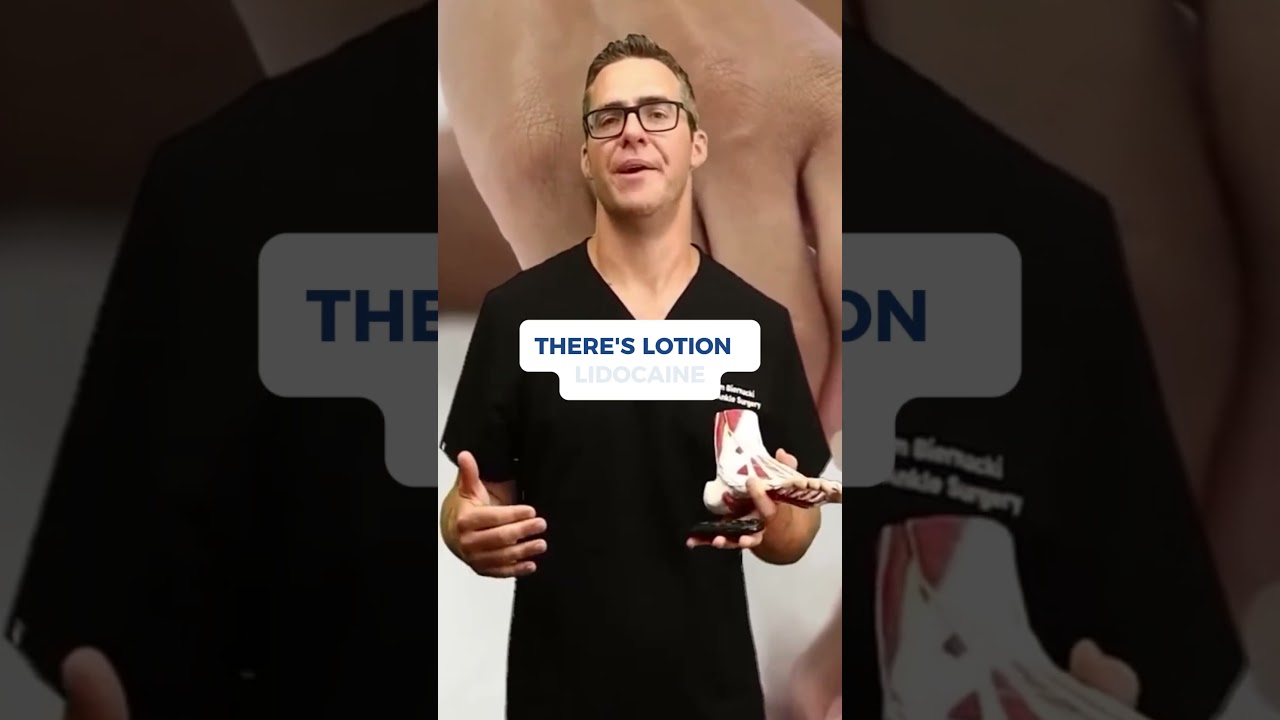

What Is Tarsal Tunnel Syndrome?
Tarsal tunnel syndrome (TTS) is a compressive neuropathy of the posterior tibial nerve as it passes through the tarsal tunnel — a fibro-osseous canal behind the medial malleolus (inner ankle bone). The tunnel’s floor is formed by the bones of the ankle and subtalar joint; its roof by the flexor retinaculum (a thick fibrous band). Within this confined space, the posterior tibial nerve, posterior tibial artery, and the tendons of the tibialis posterior, flexor digitorum longus, and flexor hallucis longus traverse in close proximity. Any condition that reduces tarsal tunnel volume — inflammation, a space-occupying lesion, hindfoot valgus deformity, or post-traumatic fibrosis — can compress the nerve and generate its characteristic symptoms.
Causes of Tarsal Tunnel Syndrome
Intrinsic causes include: varicosities (dilated veins) within the tunnel (most common), ganglion cysts, lipomas, accessory muscles, and bony prominences from prior fractures. Extrinsic causes include: hindfoot valgus deformity (flatfoot), which stretches the nerve around the medial ankle; post-traumatic scarring from ankle fractures or severe sprains; flexor tendon tenosynovitis; and systemic conditions (hypothyroidism, rheumatoid arthritis, diabetes) that cause peripheral nerve swelling. Idiopathic tarsal tunnel syndrome (no identifiable structural cause) accounts for a significant proportion of cases and has a more guarded prognosis with surgical decompression.
Symptoms
Classic TTS causes burning, tingling (paresthesias), and numbness along the course of the medial or lateral plantar nerve branches — the plantar heel, arch, and toes. Symptoms are worsened with prolonged standing and activity, and may be present at night in severe cases. Radiation proximally up the medial leg (retrograde paresthesias) can occur. Physical examination findings include: a positive Tinel’s sign (percussion over the tarsal tunnel reproduces the paresthesias), provocative plantar flexion-eversion stress test, and decreased two-point discrimination in the plantar foot. Unlike plantar fasciitis, TTS pain often has a neurological quality — electric, burning, or shooting — rather than a mechanical heel pain character.
Diagnosis
Electrodiagnostic studies (nerve conduction velocity/NCV and electromyography/EMG) are the diagnostic gold standard, demonstrating slowed tibial nerve conduction across the tarsal tunnel. However, electrodiagnostic studies have a 10–20% false-negative rate in TTS, and clinical diagnosis based on symptoms and examination findings can be made even with a normal NCV/EMG. MRI or high-resolution ultrasound identifies structural causes within the tunnel (varicosities, ganglion cysts, anomalous muscles) and guides surgical planning. Dr. Biernacki coordinates electrodiagnostic testing and imaging as part of a complete TTS diagnostic workup.
Conservative Treatment
Conservative management addresses both the neural compression and contributing biomechanical factors. Custom orthotics for flatfoot (hindfoot valgus) correction reduce the valgus stress on the tarsal tunnel, decreasing nerve traction and tunnel volume reduction. NSAIDs reduce the perineural inflammation contributing to compression. Corticosteroid injection into the tarsal tunnel (fluoroscopy or ultrasound-guided) provides anti-inflammatory relief and can be both therapeutic and diagnostic — if injection significantly reduces symptoms, this confirms the tarsal tunnel as the pain source. Activity modification (reducing prolonged standing), compression stockings for venous varicosities, and treating underlying systemic conditions (thyroid replacement, rheumatoid disease management) are important adjuncts.
Surgical Treatment: Tarsal Tunnel Release
Surgical decompression is indicated when conservative care fails after 3–6 months. The tarsal tunnel release procedure involves an incision behind the medial malleolus, division of the flexor retinaculum over its full length, decompression of the posterior tibial nerve and its branches, and excision of any space-occupying lesions (varicosities, ganglion cysts). The distal branches of the posterior tibial nerve — the medial and lateral plantar nerves and the calcaneal nerve — are traced and individually decompressed to the level of the medial plantar and lateral plantar tunnels (four-tunnel release). Complete decompression rather than simple retinaculum division is associated with better outcomes. Success rates for TTS release with an identifiable structural cause approach 85–90%; idiopathic TTS has success rates of 60–70%.
Dr. Biernacki’s Approach
Dr. Tom Biernacki at Balance Foot & Ankle distinguishes tarsal tunnel syndrome from other causes of heel and arch pain — particularly plantar fasciitis and Baxter’s nerve entrapment — using clinical examination, diagnostic nerve blocks, ultrasound, and electrodiagnostic testing. His conservative protocol addresses both the compression mechanics and contributing biomechanical deformity. For patients requiring surgery, his four-tunnel decompression technique provides the most complete nerve release available.
Dr. Tom's Product Recommendations

Superfeet BERRY Women’s Premium Insoles
⭐ Highly Rated
Structured arch support and deep heel cup corrects hindfoot valgus biomechanics contributing to tarsal tunnel nerve compression. Women’s-specific fit for narrower heel and forefoot.
Tarsal tunnel syndrome with overpronation or flatfoot, women with heel nerve burning and arch pain
Advanced tarsal tunnel syndrome with structural lesion (varicosity, ganglion) — requires imaging and possible surgery
Disclosure: We earn a commission at no extra cost to you.

Alpha-Lipoic Acid 600mg Nerve Support
⭐ Highly Rated
Antioxidant supplement with clinical evidence for peripheral neuropathy symptom reduction. Used adjunctively for tarsal tunnel and diabetic neuropathy-related foot nerve pain.
Tarsal tunnel syndrome adjunct support, peripheral neuropathy symptoms, burning and tingling in the foot
Not a substitute for mechanical tarsal tunnel treatment — must be used alongside orthotics and medical management
Disclosure: We earn a commission at no extra cost to you.
✅ Pros / Benefits
- Ultrasound-guided corticosteroid injection is both therapeutic and diagnostic — confirms tarsal tunnel as pain source
- Custom orthotics for flatfoot correction reduce nerve traction mechanics without surgery
- Four-tunnel surgical decompression achieves 85-90% success when structural cause identified
❌ Cons / Risks
- Idiopathic tarsal tunnel syndrome (no identifiable structural cause) has only 60-70% surgical success rate
- Electrodiagnostic studies have 10-20% false-negative rate — normal NCV/EMG does not exclude diagnosis
- Residual nerve damage from chronic compression may not fully reverse even after successful decompression
Dr. Tom Biernacki’s Recommendation
Tarsal tunnel syndrome is one of the great masqueraders in podiatric medicine — it can look exactly like plantar fasciitis, especially when the primary symptom is heel pain. The clues are the neurological quality (burning, electric, tingling rather than pure mechanical aching), nighttime symptoms, and a positive Tinel’s sign over the tarsal tunnel. When the Tinel’s is positive and the orthotics haven’t moved the needle, I go to ultrasound to look for a varicosity or ganglion, and to nerve conduction studies to quantify the nerve damage. The surgical results for structural TTS are excellent when you make the diagnosis accurately.
— Dr. Tom Biernacki, DPM | Board-Certified Podiatric Surgeon | Balance Foot & Ankle
Frequently Asked Questions
How do you tell tarsal tunnel syndrome apart from plantar fasciitis?
Both cause heel pain, but the quality differs. Plantar fasciitis causes sharp, mechanical stabbing pain worst with first morning steps, improving with warm-up, localized to the plantar heel. Tarsal tunnel syndrome causes burning, electric, or tingling pain in the heel, arch, or toes, often worse with prolonged standing rather than first steps, sometimes present at night, and associated with Tinel’s sign over the tarsal tunnel. Diagnostic nerve block and ultrasound distinguish them definitively.
Can tarsal tunnel syndrome be cured without surgery?
Yes, in many cases. Conservative management with custom orthotics (for flatfoot), corticosteroid injection, and activity modification resolves symptoms in approximately 50% of patients. Patients with identifiable structural causes (varicosities, ganglion cysts) that do not respond to conservative care have excellent surgical outcomes. Idiopathic TTS without structural cause is more challenging to treat permanently with either conservative or surgical approaches.
What is the recovery from tarsal tunnel release surgery?
Patients are partially weight-bearing in a boot for 2–3 weeks post-operatively, return to regular shoes at 4–6 weeks, and resume full activity at 8–12 weeks. Nerve recovery after decompression continues for 6–12 months — the burning and tingling gradually resolve as the nerve heals. Patients should expect slow progressive improvement rather than immediate post-operative resolution.
Is tarsal tunnel syndrome related to carpal tunnel syndrome?
They are analogous compressive neuropathies in different anatomic locations — both involve nerve compression through a fibro-osseous tunnel. Carpal tunnel compresses the median nerve at the wrist; tarsal tunnel compresses the posterior tibial nerve at the ankle. They can coexist in patients with systemic conditions that cause nerve swelling (hypothyroidism, rheumatoid arthritis, diabetes). Treatment principles are similar: decompression when conservative measures fail.
Michigan Foot Pain? See Dr. Biernacki In Person
4.9★ rated | 1,200+ Reviews | 3,000+ Surgeries
Book online 24/7 · Howell & Bloomfield Township
📞 (810) 206-1402 Book Online →Frequently Asked Questions
What causes this condition?
Causes include mechanical stress, biomechanical imbalance, age-related changes, and sometimes systemic disease. Our clinical exam plus imaging identifies the specific driver.
Can it go away on its own?
Mild cases sometimes resolve with rest and supportive footwear. Persistent symptoms past 4-6 weeks rarely resolve without active treatment.
Is surgery required?
Most patients resolve with non-surgical care. Surgery is reserved for refractory cases or structural deformity.
Visit Balance Foot & Ankle — Online Booking 24/7
Our podiatry team serves patients throughout Michigan including Howell, Brighton, and Bloomfield Township. Whether you’re dealing with heel pain, ingrown toenails, or a foot injury, you can book online 24/7.
OrthoInfo – AAOS: Tarsal Tunnel Syndrome
OrthoInfo – AAOS: Tarsal Tunnel Syndrome
Ready to Get Relief?
Book online 24/7 in Howell & Bloomfield Township, MI
4.9★ | 1,200+ Reviews | 3,000+ Surgeries
Or call: (810) 206-1402

Dr. Tom Biernacki, DPM is a board-certified foot & ankle surgeon (ABFAS & ABPM) at Balance Foot & Ankle Specialists in Southeast Michigan. With over a decade of clinical experience, he specializes in heel pain, bunions, diabetic foot care, sports injuries, and minimally invasive surgery. Dr. Biernacki is a member of the APMA and ACFAS, and his patient education content on MichiganFootDoctors.com and YouTube has made him one of the most-followed foot & ankle educators on YouTube.