
Medically reviewed by Dr. Tom Biernacki, DPM
Board-certified podiatric surgeon | Balance Foot & Ankle, Howell & Bloomfield Township, MI
Last reviewed: May 2026

| Procedure | Donor Tendon | Recipient Function | Primary Indication | Success Rate |
|---|---|---|---|---|
| PTT Transfer to Dorsum (FDL or PTT) | Posterior tibial tendon (or flexor digitorum longus) | Restores active dorsiflexion to replace lost peroneal function | Permanent foot drop; peroneal nerve palsy >18 months | 75–85% restore functional dorsiflexion; reduce AFO dependence |
| FDL Transfer (Stage II PTTD) | Flexor digitorum longus | Augments failing posterior tibial tendon; arch support | PTTD Stage II with symptomatic flatfoot; failed conservative care | 80–90% satisfaction when combined with calcaneal osteotomy |
| Peroneus Longus to Brevis Transfer | Peroneus longus | Augments peroneal eversion strength | Peroneus brevis rupture; cavus foot with weak eversion | Good; 80–85% improved eversion strength |
| EHL to EDL Transfer (Jones Procedure) | Extensor hallucis longus | Reduces claw hallux; maintains dorsiflexion via extensor digitorum | Claw hallux from intrinsic weakness; Charcot-Marie-Tooth disease | 75–85% deformity correction; combined with 1st MTP fusion |
| Achilles Tendon Transfer / Lengthening | Achilles (not transferred; lengthened) | Restores dorsiflexion ROM lost to Achilles contracture | Equinus deformity; Charcot foot; flatfoot with tight Achilles | Very good; reduces flatfoot progression when combined with osteotomy |
| Recovery Phase | Timeline | Activity / Weight-Bearing | Goal |
|---|---|---|---|
| Immobilization | Weeks 0–6 | NWB cast; transferred tendon healing | Allow tendon-to-bone and tendon-to-tendon healing (strongest at 6 weeks) |
| Early PT | Weeks 6–10 | PWB boot; begin gentle activation | Neuromuscular re-education — patient must learn new muscle function |
| Strengthening | Weeks 10–16 | Full WB shoe; progressive resistance | Build transferred tendon strength in new direction; balance training |
| Functional Return | Months 4–6 | Normal activity; sport-specific training | Full integration of new tendon function; return to all activities |
Medically Reviewed | Dr. Tom Biernacki, DPM | Board-Certified Podiatric Surgeon | Balance Foot & Ankle, Michigan

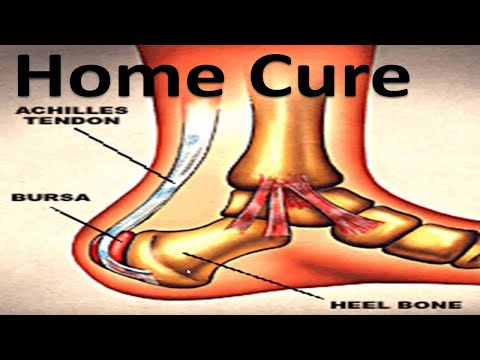
Watch: Heel Bursitis & Achilles Tendon Bursitis [Best HOME Treatment!] — MichiganFootDoctors YouTube
Tendon transfer surgery is a reconstructive procedure that reroutes a functioning tendon to replace the function of a damaged, torn, or paralyzed tendon. In foot and ankle surgery, tendon transfers are used to correct significant functional deformities that cannot be addressed with bracing alone, restore balance to muscles controlling foot position, and improve walking mechanics. Dr. Biernacki performs tendon transfer surgery as part of comprehensive foot and ankle reconstruction for appropriate candidates.

When Is Tendon Transfer Surgery Needed?
Tendon transfers are indicated when muscle imbalance or tendon loss creates significant functional deformity that degrades quality of life and cannot be adequately managed with conservative care. Common indications include posterior tibial tendon dysfunction (adult flatfoot) where the tibialis posterior is transferred to restore arch support, drop foot from peroneal nerve palsy where the tibialis posterior is transferred to restore ankle dorsiflexion, advanced peroneal tendon tears requiring flexor hallucis longus (FHL) augmentation, and hammertoe correction using flexor-to-extensor transfer to straighten chronically curled toes.
Commonly Performed Tendon Transfers
The flexor digitorum longus (FDL) transfer to the navicular is the most common tendon transfer for adult flatfoot (PTTD), replacing the failed posterior tibial tendon function while the FDL is sacrificed with minimal functional loss. The tibialis posterior transfer to the dorsum corrects drop foot by using the tibialis posterior (sacrificed for its arch-elevating role) to power ankle dorsiflexion. Peroneus longus to brevis transfer is performed for irreparable peroneus brevis tears, using the intact peroneus longus to restore ankle eversion strength. Flexor-to-extensor transfer for hammertoes uses the flexor digitorum longus to create a dynamic extensor at the proximal interphalangeal joint, correcting the deformity and maintaining flexibility.
Recovery After Tendon Transfer Surgery
Most tendon transfers require 4-8 weeks of non-weight-bearing to allow tendon attachment healing at its new insertion site. Progressive weight-bearing in a boot follows, with physical therapy beginning once protected weight-bearing is established. The transferred tendon must be “re-educated” through physical therapy — the brain needs to learn that the donor muscle now performs a new function. Full recovery typically takes 4-6 months, with sport return at 6-12 months depending on the procedure and activity demands.
Dr. Tom's Product Recommendations
DASS Medical Compression Socks
⭐ Highly Rated
Medical-grade compression essential for post-tendon transfer recovery to manage swelling and support healing.
Post-surgical recovery, swelling management
Active healing phase — follow surgeon’s specific instructions
Disclosure: We earn a commission at no extra cost to you.
PowerStep Pinnacle Insoles
⭐ Highly Rated
Supportive insoles for the return-to-activity phase after tendon transfer recovery.
Return-to-activity phase, arch support, long-term protection
Early post-operative phase requiring specific footwear
Disclosure: We earn a commission at no extra cost to you.
✅ Pros / Benefits
- Restores function that cannot be achieved with bracing alone
- Donor tendons are chosen to minimize functional sacrifice
- Excellent long-term outcomes for appropriate candidates
- Physical therapy restores motor learning for transferred tendon
- Combined with osteotomies for comprehensive correction
❌ Cons / Risks
- 4-8 weeks non-weight-bearing required
- Full recovery takes 4-6 months
- Motor re-education takes time and therapy investment
- Not appropriate for all patients (requires intact donor tendons)
Dr. Tom Biernacki’s Recommendation
Tendon transfer surgery is one of the most elegant procedures in foot and ankle surgery — we take a tendon that’s expendable in its current role and give it a critical new job. The results can be life-changing for patients with drop foot or severe flatfoot who’ve struggled with bracing for years. The key to success is patient selection and careful surgical technique — followed by an excellent physical therapy program.
— Dr. Tom Biernacki, DPM | Board-Certified Podiatric Surgeon | Balance Foot & Ankle
Frequently Asked Questions
Does removing a tendon for transfer cause weakness?
Surgeons carefully choose donor tendons that have overlapping functions, so sacrificing one tendon causes minimal functional loss. For example, the FDL transfer for flatfoot borrows from a tendon whose function is largely replaced by the FHL and intrinsic muscles. Patients rarely notice significant functional deficit from the donor site.
Can tendon transfers be combined with other procedures?
Yes — tendon transfers are almost always combined with complementary procedures like osteotomies (bone cuts), joint fusions, or ligament reconstructions to achieve comprehensive correction. Isolated tendon transfers without addressing underlying bone deformity rarely produce lasting results.
How long before I can return to normal walking after a tendon transfer?
Most patients return to regular shoes and walking at 10-12 weeks after tendon transfer surgery. Return to hiking and low-impact sports typically occurs at 4-5 months; high-impact sport return is 6-12 months depending on the specific procedure and individual healing.
Michigan Foot Pain? See Dr. Biernacki In Person
4.9★ rated | 1,200+ Reviews | 3,000+ Surgeries
Book online 24/7 · Howell & Bloomfield Township
⚕ Doctor Recommended
Doctor Hoy’s Natural Pain Relief
Topical relief for foot & ankle pain
In-Office Treatment at Balance Foot & Ankle
If home treatment isn’t providing relief for your tendon pain, our podiatry team at Balance Foot & Ankle can help with expert evaluations and advanced in-office care.
AAOS: Tendon Transfer Surgery — Foot & Ankle
Ready to Get Relief?
Book online 24/7 in Howell & Bloomfield Township, MI
4.9★ | 1,200+ Reviews | 3,000+ Surgeries
Or call: (810) 206-1402

Dr. Tom Biernacki, DPM is a double board-certified podiatrist and foot & ankle surgeon at Balance Foot & Ankle Specialists in Southeast Michigan. With over a decade of clinical experience, he specializes in heel pain, bunions, diabetic foot care, sports injuries, and minimally invasive surgery. Dr. Biernacki is a member of the APMA and ACFAS, and his patient education content on MichiganFootDoctors.com and YouTube has reached over one million views.
- Diagnosis and Treatment of Plantar Fasciitis (PubMed / AAFP)
- Heel Pain (APMA)
- Hallux Valgus (Bunions): Evaluation and Management (PubMed)
- Bunions (Mayo Clinic)
Treatment Options Available at Our Office
Dr. Tom Biernacki, DPM is a board-certified foot & ankle surgeon (ABFAS & ABPM) at Balance Foot & Ankle Specialists in Southeast Michigan. With over a decade of clinical experience, he specializes in heel pain, bunions, diabetic foot care, sports injuries, and minimally invasive surgery. Dr. Biernacki is a member of the APMA and ACFAS, and his patient education content on MichiganFootDoctors.com and YouTube has made him one of the most-followed foot & ankle educators on YouTube.