
Medically reviewed by Dr. Tom Biernacki, DPM
Board-certified podiatric surgeon | Balance Foot & Ankle, Howell & Bloomfield Hills, MI
Last reviewed: May 2026

| Grade | MRI Findings | X-ray Finding | Pain Level | Weight-Bearing | Recovery |
|---|---|---|---|---|---|
| Grade 1 | Periosteal edema only | Normal | Mild; after activity only | Full | 2–4 weeks reduced activity |
| Grade 2 | Periosteal + marrow edema | Normal | Moderate; during activity | Full with discomfort | 4–6 weeks |
| Grade 3 | Marrow edema + periosteal reaction | May show periosteal line | Moderate–severe; at rest | Painful; boot needed | 6–10 weeks |
| Grade 4 | Fracture line visible | Fracture line present | Severe; at rest and night | NWB or limited WB | 10–16+ weeks |
| High-risk (anterior cortex) | Dreaded black line | Transverse anterior line | Severe; risk of complete fracture | NWB; possible surgery | 16–24+ weeks |
| Tibial Stress Fracture vs. Shin Splints | Tibial Stress Fracture | Medial Tibial Stress Syndrome (MTSS) |
|---|---|---|
| Pain location | Focal point tenderness (<5 cm area) | Diffuse along medial tibial border (6–13 cm) |
| Pain during run | Worsens progressively; forces stop | Eases after warm-up; returns after run |
| Pain at rest | Present in grade 3–4 | Absent or minimal |
| MRI finding | Marrow edema / fracture line | Periosteal reaction without marrow change |
| Return to run | 6–16 weeks from time of diagnosis | 2–6 weeks with load modification |
| Tuning fork test | Often positive (vibration = pain) | Negative |
Quick answer: Tibial Stress Fracture is a common foot/ankle topic that affects many patients. The 2026 evidence-based approach combines proper diagnosis, conservative-first treatment, and escalation only when needed. We treat this regularly at our Howell and Bloomfield Hills practices. Call (810) 206-1402.
Medically Reviewed | Dr. Tom Biernacki, DPM | Board-Certified Podiatrist | Balance Foot & Ankle, Michigan
Quick Answer
A tibial stress fracture is a fatigue injury of the shinbone caused by repetitive loading — most common in runners and military recruits who rapidly increase training volume. It presents as activity-related shin pain that worsens progressively and is tender to focal palpation. MRI is the definitive study. Most tibial stress fractures heal with 6-12 weeks of activity modification; the high-risk anterior cortex (dreaded black line) often requires intramedullary nailing due to poor healing potential.
The most important clinical decision with Tibial Stress Fracture isn’t which treatment to start with — it’s identifying the correct subtype. That changes everything. Call (810) 206-1402.
What Is a Tibial Stress Fracture
Stress fractures occur when repetitive sub-maximal loading overwhelms the bone’s ability to remodel — the accumulation of microdamage exceeds the rate of repair. The tibia is the most commonly stress-fractured bone in runners, accounting for approximately 50% of all stress fractures in athletic populations. The posteromedial cortex is the classic location, though the high-risk anterior cortex of the mid-tibia is the critical variant that changes management entirely.
In our clinic, tibial stress fractures arrive in a predictable scenario: a runner who recently added mileage, switched surfaces, started a training program too quickly, or returned from injury without a proper ramp-up. What differentiates a tibial stress fracture from shin splints is the progression: shin splints improve with warmup; stress fractures worsen throughout the run and eventually hurt at rest.
Causes and Risk Factors
- Rapid training volume increase — the most common trigger; the 10% rule exists specifically to prevent this
- Surface change — transitioning from soft trails to concrete or track banking increases tibial stress loading
- Female athlete triad — low energy availability, menstrual dysfunction, and low bone density dramatically increases stress fracture risk
- Low bone density — osteopenia/osteoporosis from any cause lowers the threshold for stress fracture
- Biomechanical factors — overpronation, leg length discrepancy, narrow step width, and worn footwear
- Military basic training — high-volume repetitive loading in recruits with sudden activity increases
- Vitamin D and calcium deficiency — inadequate nutritional support for bone remodeling
Symptoms
- Activity-related shin pain — progressively worsens during running; early stages may improve with warmup but later are present from the first step
- Focal point tenderness — pinpoint tenderness at a specific site on the tibia; the most reliable clinical sign
- Pain at rest — in higher-grade fractures; rest pain at night distinguishes severe stress fracture from early-stage injury
- Swelling and periosteal thickening — palpable in advanced cases; warmth over the fracture site
- Positive tuning fork test — vibration applied to the tuning fork and placed on the tibia reproduces focal pain at the stress fracture site
Diagnosis
Plain X-rays are insensitive early — normal for 2-4 weeks after symptom onset while periosteal reaction develops. MRI is the gold standard: it identifies bone marrow edema (the earliest finding), periosteal edema, and the fracture line, and directly grades severity on the Fredericson MRI classification (Grade 1-4). Grade 1-2 are stress reactions; Grade 3-4 are true stress fractures. MRI also identifies the dreaded anterior cortex location. Key differentials: medial tibial stress syndrome (shin splints — diffuse tenderness along the posteromedial border, not focal), compartment syndrome (exertional pain with pressure elevation), and deep vein thrombosis.
The High-Risk Anterior Cortex — The Dreaded Black Line
Most tibial stress fractures occur on the posteromedial (compression) cortex and heal predictably with rest. The anterior (tension) cortex of the mid-tibia is an entirely different problem. Tensile stress fractures do not heal with rest alone — they propagate, displace, and can progress to complete fracture in athletes who push through the pain. On X-ray, the dreaded black line — a transverse lucency on the anterior cortex — is pathognomonic. Intramedullary nailing is the treatment of choice for this lesion in athletes who need a reliable return to sport.
Treatment
Activity Modification and Cross-Training
For posteromedial tibial stress fractures, the treatment is controlled activity reduction — not complete immobilization. Pain-free cross-training (pool running, cycling, swimming) maintains cardiovascular fitness while eliminating tibial impact load. Weight-bearing walking is typically allowed if pain-free; running is eliminated until pain with focal palpation resolves. Return-to-run follows a graduated protocol over 6-12 weeks depending on MRI grade.
Pneumatic Brace
A pneumatic leg brace applies circumferential compression that reduces tibial bending stress by transferring some load to the soft tissue sleeve. Evidence supports faster return to activity with pneumatic bracing versus rest alone in Grade 1-3 tibial stress fractures.
Nutrition and Vitamin D Optimization
Every athlete with a tibial stress fracture should have serum 25-OH Vitamin D and calcium intake assessed. Vitamin D levels below 40 ng/mL impair bone remodeling. Supplementation to the 40-60 ng/mL range, adequate calcium (1000-1300 mg/day), and caloric adequacy are non-negotiable adjuncts — especially in female athletes meeting criteria for relative energy deficiency in sport (RED-S).
Intramedullary Nailing
For the anterior cortex dreaded black line in competitive athletes, intramedullary tibial nailing is the definitive treatment. The nail bypasses the stress fracture and allows reliable return to full activity at 3-4 months. Non-competitive patients can be managed non-operatively with 4-6 months of protected weight-bearing, but must understand the refracture and displacement risk.
See a Podiatrist or Sports Medicine Doctor If:
- Shin pain that worsens progressively during runs rather than warming up — stress fracture until proven otherwise
- Focal point tenderness on the shinbone — this is not shin splints; get an MRI
- Anterior shin pain in a runner — the anterior cortex fracture must be identified early before propagation
- Shin pain after a sudden training increase in a female athlete with irregular periods — female athlete triad screening needed
Most Common Mistake We See:
Treating a tibial stress fracture like shin splints. Shin splints are a diffuse ache that improves with warmup. A stress fracture is a focal, worsening pain with a specific tender point that does not improve with warmup and ultimately hurts at rest. Runners who push through a stress fracture can convert a Grade 3 fracture into a complete tibial fracture requiring surgery. If your shin pain has a specific point you can press and reproduce exactly, stop running and get an MRI.


![Calcaneus Stress Fracture Treatment [Heel Stress Fracture RECOVERY!]](https://www.michiganfootdoctors.com/wp-content/cache/flying-press/cdfca81fb25b3ea56c6af7d70a9e3fb0.jpg)
Watch: Calcaneus Stress Fracture Treatment [Heel Stress Fracture RECOVERY!] — MichiganFootDoctors YouTube
Not ideal for: Active tibial stress fracture requiring activity restriction. PowerStep Pinnacle corrects overpronation that contributes to tibial loading, making it essential during return-to-run rehabilitation.

Not ideal for: Open wounds. Doctor Hoy’s provides topical comfort for periosteal tenderness during tibial stress reaction recovery.
Shin Pain That Won’t Resolve with Running?
Same-day appointments · Howell & Bloomfield Hills, MI
Book Online (810) 206-1402Frequently Asked Questions
How long does a tibial stress fracture take to heal
Grade 1-2 tibial stress reactions typically allow return to running in 4-6 weeks with proper cross-training. Grade 3-4 stress fractures require 8-12 weeks before running resumes. The anterior cortex dreaded black line requires 4-6 months of strict activity restriction or surgical nailing with 3-4 month recovery. Starting return-to-run too early is the most common cause of refracture.
Can I run through a tibial stress fracture
No. Running through a tibial stress fracture risks converting a partial fracture to a complete fracture — which means surgery, non-weight-bearing cast, and a much longer recovery. The short-term cost of 6-12 weeks off running is far less than the consequence of a complete tibial fracture. Cross-training maintains fitness during recovery without loading the bone.
Is a tibial stress fracture the same as shin splints
No — they are related conditions on a spectrum but clinically and radiologically distinct. Shin splints (medial tibial stress syndrome) is diffuse periosteal irritation with normal or near-normal bone on MRI; it improves with warmup. A tibial stress fracture has a focal fracture line on MRI, focal point tenderness, and worsens with activity. MRI reliably distinguishes them when clinical examination is uncertain.
The Bottom Line
Tibial stress fractures are one of the most common overuse injuries in runners — and one of the most easily made worse by continued training. The key is distinguishing them from shin splints early, getting an MRI to grade the injury, and following a structured return-to-run protocol. For the minority with the anterior cortex fracture, early surgical consultation avoids catastrophic fracture completion. If your shin pain has a specific focal point and worsens progressively with running, see a podiatrist before your next long run.
Sources
- Fredericson M, et al. “Tibial stress reaction in runners.” Am J Sports Med. 1995.
- Rue JP, et al. “Stress fractures of the tibia.” Foot Ankle Clin N Am. 2009.
- Boden BP, Osbahr DC. “High-risk stress fractures.” J Am Acad Orthop Surg. 2000.
- Nattiv A, et al. “The female athlete triad.” Med Sci Sports Exerc. 2007.
- Kahanov L, et al. “Diagnosis, treatment, and rehabilitation of stress fractures in the lower extremity in runners.” Open Access J Sports Med. 2015.
When Shoes Aren’t Enough — Dr. Tom’s Top 9 Orthotics
About 30% of patients I see for foot pain need MORE than a great shoe — they need a structured insole. Below: my complete 2026 orthotic ranking with pros, cons, and the specific patient I’d give each one to.
★ DR. TOM’S COMPLETE 2026 ORTHOTIC RANKING
9 Best Prefab Orthotics by Use Case
PowerStep, CURREX, Spenco, Vionic, and Tread Labs — every orthotic I’ve fitted to thousands of patients across both Michigan offices. Each card includes pros, cons, and the specific patient I’d give it to. Real Amazon ratings, review counts, and prices below.
Best All-Purpose Orthotic for Most Patients
Semi-rigid arch shell + dual-layer cushion + deep heel cup. The orthotic I’ve fitted to more patients than any other for 15 years. APMA-accepted. Trim-to-fit design works in athletic shoes, casual shoes, and most work boots.
✓ Pros
- Semi-rigid arch shell provides true biomechanical correction
- Deep heel cup centers the heel and reduces lateral instability
- Dual-layer cushion (top + bottom) lasts 9-12 months daily wear
- Available in 8 sizes for precise fit
- APMA-accepted and clinically validated
- APMA-accepted with superior cushioning versus rigid alternatives
✗ Cons
- Too thick for most dress shoes (use ProTech Slim instead)
- Some break-in period required (3-7 days for arch tolerance)
- Not enough correction for severe pes planus or rigid pes cavus
Dr. Tom’s Recommendation: If a patient has run-of-the-mill plantar fasciitis, mild flat feet, or arch fatigue, this is the first orthotic I try. Better value than most premium alternatives for 90% of patients, which is why it’s the first orthotic I reach for in the clinic. Sub-$50 typically.
Maximum Motion Control · Flat Feet & Severe Over-Pronation
PowerStep’s most aggressive stability orthotic. Adds a 2°-7° medial heel post on top of the standard PowerStep platform — designed specifically for flat-footed patients and severe pronators who need real corrective force.

✓ Pros
- 2°-7° medial heel post adds aggressive pronation control
- Same trusted PowerStep arch shell, more correction
- Built specifically for flat-foot biomechanics
- Excellent for posterior tibial tendon dysfunction (PTTD)
- Removable top cover for cleaning
✗ Cons
- Too aggressive for neutral-arch patients
- Needs longer break-in (10-14 days) due to stronger correction
- Adds 2-3 mm of stack height — won’t fit slim dress shoes
Dr. Tom’s Recommendation: When a patient comes in with significant flat feet AND symptoms (heel pain, arch pain, knee pain), the Original PowerStep isn’t aggressive enough. The Maxx is what gets prescribed. About 25% of my flat-footed patients end up here.
Low-Profile · Fits Dress Shoes & Narrow Casuals
3 mm slim profile with podiatrist-designed tri-planar arch technology. Engineered specifically to fit inside dress shoes, oxfords, loafers, and women’s flats without crowding the toe box. Vionic was founded by an Australian podiatrist.
✓ Pros
- 3 mm slim profile (vs 7-10 mm for standard orthotics)
- Tri-planar arch technology adds support without bulk
- Built-in deep heel cup despite slim design
- Fits dress shoes WITHOUT having to remove the factory insole
- Trim-to-fit · APMA-accepted
✗ Cons
- Less arch support than full-volume orthotics
- Top cover wears faster than thicker alternatives
- Not enough correction for severe foot deformities
Dr. Tom’s Recommendation: My default when a patient says ‘I need orthotics but I have to wear dress shoes for work.’ Slim enough to fit in oxfords and pumps without the heel sliding out. The single highest-impact change you can make for office workers with foot pain.
Built-In Metatarsal Pad · Morton’s Neuroma · Ball-of-Foot Pain
Standard Pinnacle orthotic with a built-in metatarsal pad positioned proximal to the metatarsal heads — the exact location that offloads neuromas and metatarsalgia. No need for separate met pads or pad placement guesswork.

✓ Pros
- Built-in met pad eliminates DIY pad placement errors
- Specifically designed for Morton’s neuroma + metatarsalgia
- Same trusted PowerStep arch + heel cup platform
- Top cover protects sensitive forefoot skin
- Faster relief than orthotics + add-on met pads
✗ Cons
- Met pad position is fixed (can’t fine-tune individual placement)
- Some patients with very small or very large feet need custom
- Slightly thicker than the standard Pinnacle
Dr. Tom’s Recommendation: If a patient has Morton’s neuroma, sesamoiditis, or generalized ball-of-foot pain (metatarsalgia), this saves a clinic visit and a prescription. The built-in pad placement is anatomically correct for 80% of feet. Way better than DIY met pads.
Adaptive Dynamic Arch · Athletic & Daily Wear
Currex’s flagship adaptive arch technology — the orthotic flexes with your gait instead of fighting it. Different stiffness zones along the length give you targeted support at the heel, midfoot, and forefoot. Available in three arch heights (low/medium/high).
✓ Pros
- Dynamic flex zones adapt to natural gait cycle
- Three arch heights ensure precise fit
- Lighter than rigid orthotics (no ‘heavy foot’ feel)
- Excellent for runners and athletic walkers
- European podiatric design (German engineering)
✗ Cons
- More expensive than PowerStep Original ($55-65 typically)
- Less aggressive correction than Pinnacle Maxx for severe cases
- Three arch heights means you must self-select correctly
Dr. Tom’s Recommendation: I started recommending Currex three years ago for runners who said PowerStep felt ‘too rigid.’ The dynamic flex zones respect natural gait. Best for active patients who walk 8K+ steps daily and don’t need maximum motion control.
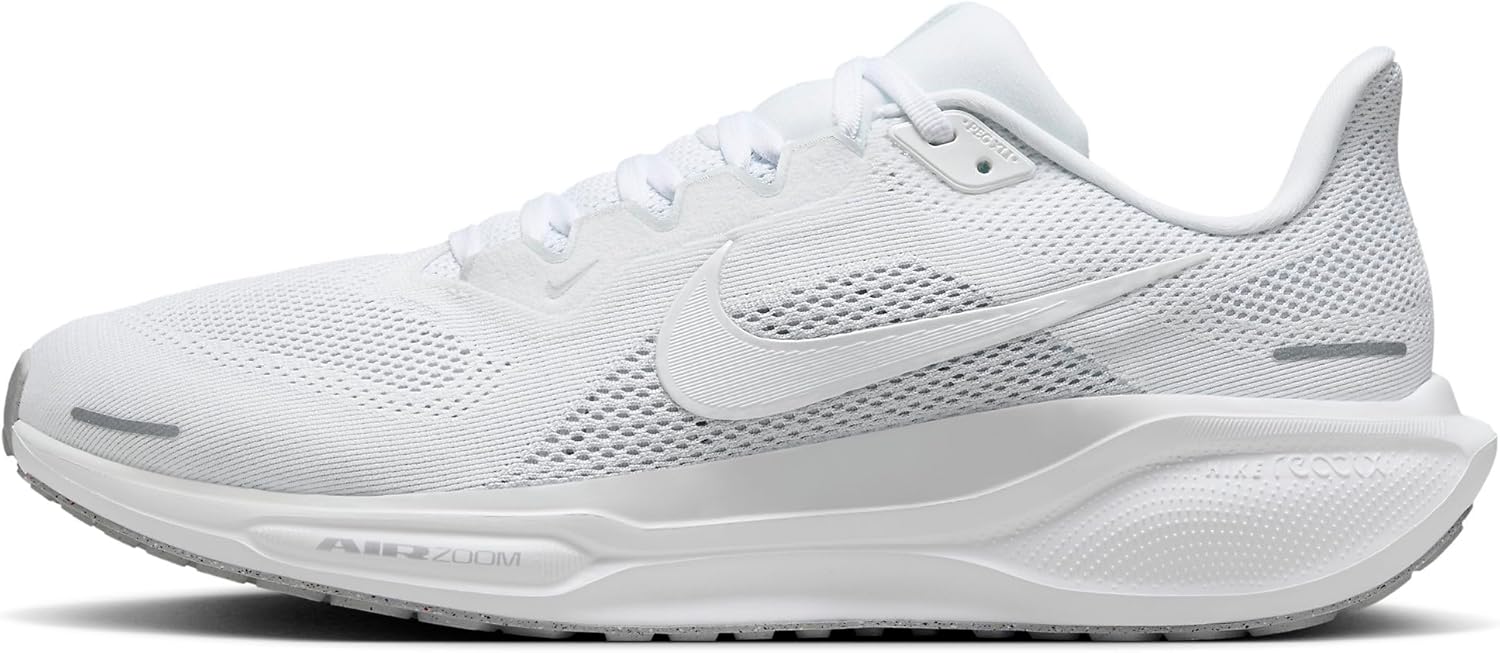
Running-Specific · Heel Strike + Forefoot Strike Compatible
Currex’s purpose-built running orthotic. The midfoot flex zone is positioned for runner’s gait mechanics, with a flared heel cushion for heel strikers and a forefoot rocker for midfoot/forefoot strikers. Tested on 1000+ runners during product development.

✓ Pros
- Designed by German biomechanics lab specifically for runners
- Dynamic arch flexes with running gait (not static like PowerStep)
- Three arch heights (low/medium/high)
- Reduces overuse injury risk in mid-distance runners
- Lightweight (no impact on cadence)
✗ Cons
- Premium price ($60-75)
- Not aggressive enough for severe over-pronators (use Pinnacle Maxx)
- Runner-specific design = less ideal for daily walking shoes
Dr. Tom’s Recommendation: If a patient runs 20+ miles per week and has plantar fasciitis or shin splints, this is the orthotic I prescribe. The dynamic flex zones respect running biomechanics in a way that no rigid PowerStep can match. Pricier but worth it for serious runners.
Cavus Foot & High-Arch Patients
Polyurethane base with a deeper heel cup and higher arch profile than PowerStep — built for cavus (high-arched) feet that need maximum cushion and support. The 5-zone cushioning system addresses the unique pressure points of high-arch feet.

✓ Pros
- Deeper heel cup centers the heel for cavus foot stability
- Higher arch profile fills the void under high arches
- 5-zone cushioning addresses cavus foot pressure points
- Polyurethane base lasts 12+ months
- Available in Wide width
✗ Cons
- Too tall/aggressive for normal or low arches
- Won’t fit slim dress shoes
- Pricier than PowerStep Original
- Some patients find the arch height uncomfortable initially
Dr. Tom’s Recommendation: Cavus foot patients are often misdiagnosed and given low-arch orthotics — that makes everything worse. Spenco’s Total Support has the arch profile that high-arch feet actually need. About 15% of my patients have cavus feet; this is what they wear.
Cushion Layer · Standing All Day · Gel Pressure Relief
NOT a true biomechanical orthotic — this is a cushion insole. But for patients who want gel pressure relief instead of arch correction (or to add ON TOP of factory insoles in work boots), this is the best gel option on Amazon.

✓ Pros
- Genuine gel cushioning (not foam pretending to be gel)
- Targeted gel waves under heel and ball of foot
- Trim-to-fit · works in most shoe types
- Sub-$15 price (most affordable option in this list)
- Massaging texture is genuinely soothing
✗ Cons
- ZERO arch support — this is cushion only
- Won’t fix plantar fasciitis or flat-foot issues
- Compresses faster than PowerStep (4-6 months)
- Top cover wears through in high-mileage applications
Dr. Tom’s Recommendation: I recommend these to patients who tell me ‘I just want my feet to stop hurting at the end of my shift’ and who don’t have a biomechanical issue. Construction workers, factory workers, retail. Pure cushion does the job for them.
Tight-Fitting Shoes · Cycling Shoes · Hockey Skates
Tread Labs Pace insole with firm orthotic arch support for flat feet and plantar fasciitis relief. The replaceable top cover design makes it one of the most durable picks in this guide — backed by a million-mile guarantee and recommended for tight-fitting athletic footwear.

✓ Pros
- Firm orthotic arch support shell (podiatrist-grade)
- Slim profile fits tight athletic footwear
- Lasts 12+ months daily wear
- Excellent for cycling shoes specifically
- Built-in odor-control treatment
✗ Cons
- Premium price ($45-55)
- Less cushion than PowerStep equivalents
- Not as aggressive correction as Pinnacle Maxx for flat feet
- The signature ‘heel cup feel’ takes 1-2 weeks to adapt to
Dr. Tom’s Recommendation: If you’re a cyclist with foot numbness, hot spots, or knee pain — this is the orthotic. The stabilizer cap solves cycling-specific biomechanical issues that no other orthotic addresses. Worth the premium for athletes.
None of these solving your foot pain?
Some patients (about 30%) need custom-molded prescription orthotics. We make 3D-scanned custom orthotics in our Howell and Bloomfield Hills offices — specifically built for your foot mechanics.
Schedule a Custom Orthotic Fitting →FSA/HSA eligible · Most insurance accepted · (810) 206-1402
⚠️ Most Common Mistake: Ignoring persistent foot pain and continuing normal activity without evaluation. Early podiatric care prevents minor foot issues from becoming chronic, difficult-to-treat conditions.
Frequently Asked Questions
🏥 Recommended by Dr. Biernacki — Foundation Wellness Products
These are the same products Dr. Biernacki recommends to his patients at Balance Foot & Ankle in Michigan. Available through our trusted partners.
In-Office Treatment at Balance Foot & Ankle
If home treatment isn’t providing relief for your stress fractures, our podiatry team at Balance Foot & Ankle can help with same-day evaluations and advanced in-office care.
Ready to Get Relief?
Same-day appointments available in Howell & Bloomfield Hills, MI
4.9★ | 1,123 Reviews | 3,000+ Surgeries
Or call: (810) 206-1402

Dr. Tom Biernacki, DPM is a board-certified foot & ankle surgeon (ABFAS & ABPM) at Balance Foot & Ankle Specialists in Southeast Michigan. With over a decade of clinical experience, he specializes in heel pain, bunions, diabetic foot care, sports injuries, and minimally invasive surgery. Dr. Biernacki is a member of the APMA and ACFAS, and his patient education content on MichiganFootDoctors.com and YouTube has made him one of the most-followed foot & ankle educators on YouTube.