
Medically reviewed by Dr. Tom Biernacki, DPM
Board-certified podiatric surgeon | Balance Foot & Ankle, Howell & Bloomfield Township, MI
Last reviewed: May 2026

| Fracture Type | Location | Treatment | Weight-Bearing | Recovery Time |
|---|---|---|---|---|
| Non-displaced Phalanx | Any toe, no shift | Buddy taping + hard-sole shoe | Full (hard-sole shoe) | 3–4 weeks |
| Displaced Phalanx | Any toe, >2mm shift or angulation >10° | Reduction + buddy tape or pin | Protected WB | 4–6 weeks |
| Big Toe (Hallux) Fracture | Proximal/distal phalanx of 1st toe | Walking boot; ORIF if displaced | Boot (full WB) | 4–8 weeks |
| Intra-articular (joint involved) | Any toe joint | Reduction, possible pinning | Protected WB | 6–10 weeks |
| Open Fracture | Skin broken over fracture | Emergency: irrigation + antibiotics ± pinning | NWB initially | 6–12 weeks |
| Sesamoid Fracture (hallux) | Beneath 1st MTP joint | Cam boot, offloading; rarely sesamoidectomy | Boot (protected) | 6–12 weeks |
| Taping Technique | Best For | How To Apply | Change Frequency | Duration |
|---|---|---|---|---|
| Buddy Taping (adjacent toe) | Small toe fractures (2nd–5th) | Foam between toes, tape 2 toes together at middle phalanx | Every 2–3 days | 3–4 weeks |
| Figure-8 Taping | Proximal phalanx fractures | Wrap around toe and foot in figure-8 pattern for stability | Every 2 days | 3–4 weeks |
| Post-Reduction Splint | Displaced fractures after reduction | Aluminum splint taped to plantar surface | Weekly clinic check | 4–6 weeks |
| No Tape / Boot | Hallux fractures, intra-articular | Cam walking boot provides rigid immobilization | N/A | 4–8 weeks |
Quick answer: Toe Fracture Michigan Podiatrist is a common foot/ankle topic that affects many patients. The 2026 evidence-based approach combines proper diagnosis, conservative-first treatment, and escalation only when needed. We treat this regularly at our Howell and Bloomfield Township practices. Call (810) 206-1402.
Foot pain isn’t resolving?
Same-week appointments at Howell & Bloomfield Township
Medically Reviewed | Dr. Tom Biernacki, DPM | Board-Certified Podiatric Surgeon | Balance Foot & Ankle, Michigan


Understanding Toe Fractures
Toe fractures are extremely common — an estimated 10% of all foot injuries presenting to emergency departments are toe fractures. Despite their frequency and the popular myth that “you can’t do anything for a broken toe,” proper evaluation and management of toe fractures matters: missed displaced fractures, intra-articular injuries, and great toe fractures can lead to malunion (abnormal healing), chronic stiffness, post-traumatic arthritis, and significant functional limitation.
At Balance Foot & Ankle, Dr. Tom Biernacki provides same-visit toe fracture evaluation with in-office digital weight-bearing x-rays, classification of fracture type and stability, and same-day treatment initiation — whether that’s buddy taping, a surgical shoe, or consultation for fixation in complex cases.
Mechanism of Injury
Toe fractures occur through several mechanisms:
- Stubbing (axial loading) — the most common mechanism. The toe hits a fixed object (furniture leg, door frame, curb) while the foot is advancing forward. Creates transverse or short oblique fracture patterns through the phalanx.
- Crush injury — a heavy object falls on the foot. Can create comminuted (multi-fragment) fractures, soft tissue injury, and subungual hematomas (blood under the nail). Worse outcomes than simple stubbing injuries.
- Hyperextension (turf toe mechanism) — forced dorsiflexion of the great toe MTP joint can fracture the sesamoids or the proximal phalanx base along with ligament disruption.
- Stress fractures — repetitive loading without a single acute event. Common in runners and dancers. Metatarsals are the most common site, but phalanges can also develop stress fractures.
Which Toes and Which Bones?
Each toe has up to three phalanges: the proximal phalanx (connecting to the metatarsal), middle phalanx (2nd–5th toes), and distal phalanx (the tip). The great toe (hallux) has only two phalanges. Key clinical distinctions:
- Great toe (hallux) fractures — the most functionally important toe, critical for push-off biomechanics. Displaced fractures, intra-articular fractures involving the MTP or interphalangeal joint, and sesamoid fractures all require careful evaluation. Malunited hallux fractures can cause significant long-term gait dysfunction.
- Second toe fractures — the second toe bears significant load during push-off and connects to the Lisfranc complex. Fractures here warrant Lisfranc evaluation.
- Lesser toe (3rd–5th) fractures — generally managed non-surgically. The 5th toe (little toe) is the most frequently fractured lesser toe, typically from lateral stubbing injuries.
Symptoms and Diagnosis
Toe fracture symptoms include:
- Immediate pain, swelling, and bruising at the injury site.
- Point tenderness along the phalanx (pressure directly on the bone hurts more than pressure on the joint).
- Deformity — angulation or rotational malalignment that is visually apparent.
- Inability to bear weight or significant antalgic gait.
X-ray is essential for definitive diagnosis and fracture classification. Dr. Biernacki obtains digital weight-bearing or supported x-rays at the same appointment. The fracture pattern (transverse, oblique, spiral, comminuted), displacement, angulation, and articular involvement are all evaluated to guide treatment decisions.
Non-Surgical Treatment
Buddy Taping
The standard treatment for non-displaced, non-articular lesser toe fractures. The fractured toe is taped to the adjacent uninjured toe, which acts as a natural splint. Foam or cotton padding prevents skin maceration between the toes. Buddy taping is continued for 3–6 weeks until the fracture heals clinically.
Stiff-Soled (Post-Operative) Shoe
A rigid-soled surgical shoe limits forefoot and toe flexion, reducing pain during weight-bearing while the fracture heals. More appropriate than regular flexible footwear for the first 2–4 weeks of healing.
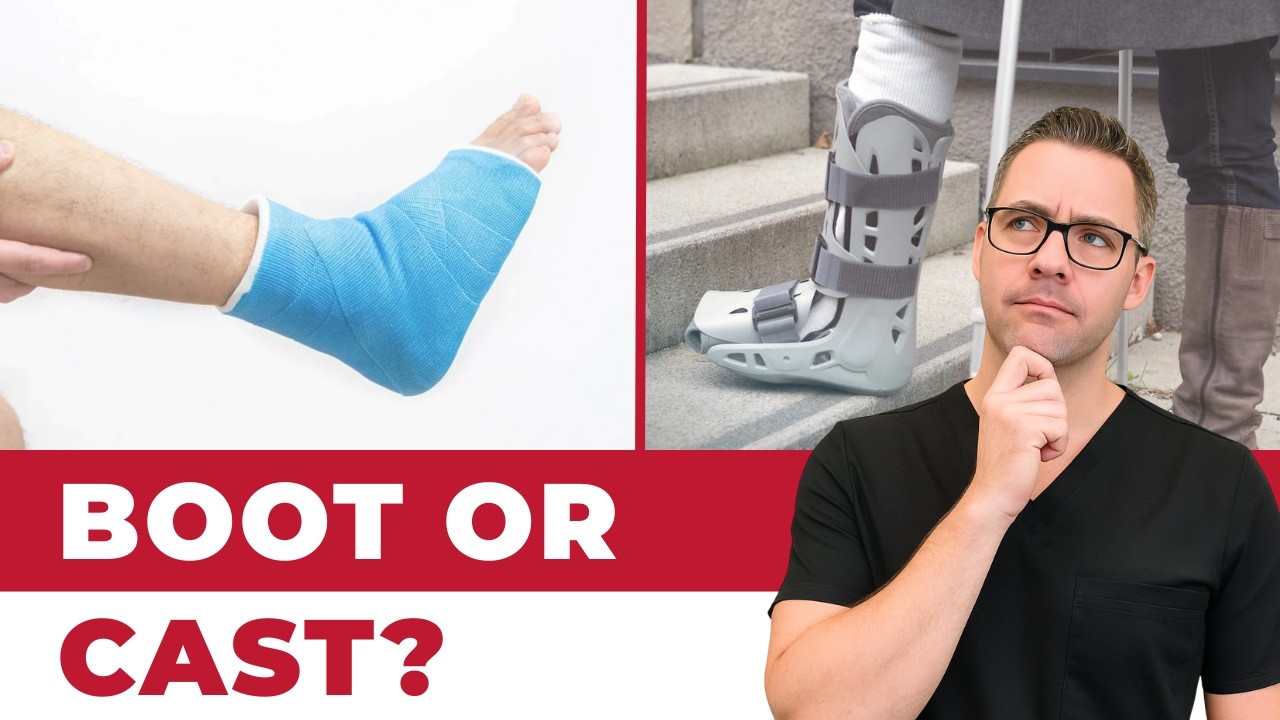
Short-Leg Casting or Boot
For more significant toe fractures — hallux fractures, significantly displaced fractures after reduction, or injuries with substantial soft tissue swelling — a removable boot walker or short-leg cast provides more effective immobilization during the healing phase.
Closed Reduction
Displaced or angulated toe fractures are manually reduced (realigned) under local anesthesia and then stabilized with buddy taping or splinting. Post-reduction x-rays confirm acceptable alignment.
Surgical Treatment
Surgical fixation is indicated when:
- Reduction cannot be maintained in a closed fashion — the fracture is inherently unstable.
- Intra-articular fractures have significant displacement (>1–2mm step-off at the joint surface).
- Open fractures (skin puncture over the fracture site) require wound care and fixation.
- Hallux fractures with significant displacement that would heal in malposition and compromise push-off biomechanics.
Toe fracture fixation typically uses small Kirschner wires (K-wires), small screws, or rarely small plates through minimal incisions. K-wires are removed in the office at 4–6 weeks without anesthesia. Return to regular footwear at 4–8 weeks depending on healing.
Subungual Hematoma
Crush injuries often create a hematoma (blood collection) beneath the toenail, producing throbbing pressure pain. Large hematomas (>50% of nail bed area) are drained by trephination — a small hole is made through the nail with a heated wire or laser tip, releasing the pressure immediately and dramatically reducing pain. Nail removal and nail bed repair are occasionally needed for severe injuries.
Healing Timeline
Lesser toe phalanges heal in 3–6 weeks for most non-displaced fractures. Hallux phalangeal fractures: 6–8 weeks for non-displaced; 8–12 weeks for displaced requiring reduction. Stress fractures: 6–10 weeks of protected loading with appropriate footwear or boot.
Dr. Tom’s Product Recommendations
Mueller Sports Medicine Buddy Tape
⭐ Highly Rated
Pre-cut foam-backed athletic tape for buddy taping fractured toes. Provides gentle cushioning and prevents skin irritation between toes during the healing period.
Dr. Tom says: “My podiatrist showed me exactly how to buddy tape my broken toe and recommended this foam tape — much more comfortable than regular athletic tape.”
Toe fracture buddy taping, lesser toe fracture management
Buddy taping is for non-displaced lesser toe fractures only — see a podiatrist for proper x-ray evaluation and treatment guidance
Disclosure: We earn a commission at no extra cost to you.
Dr. Scholl’s Far and Wide Post-Op Shoe
⭐ Highly Rated
Wide, open-toe post-operative shoe with rigid sole for toe fracture management. Allows swollen toes to be accommodated while limiting flexion during healing.
Dr. Tom says: “I was prescribed one of these at the urgent care but it was the wrong width — ordered this one and it fit perfectly over my swollen toe.”
Toe fracture post-injury walking, forefoot offloading, swollen toe accommodation
Not adequate for hallux or displaced fractures requiring formal immobilization — see a podiatrist for proper assessment
Disclosure: We earn a commission at no extra cost to you.
✅ Pros / Benefits
- Same-visit in-office x-ray allows toe fracture diagnosis and treatment to begin in a single appointment
- The vast majority of lesser toe fractures heal completely with simple buddy taping — no surgery required
- Proper evaluation of hallux and articular fractures prevents malunion and post-traumatic arthritis that missed diagnosis would cause
❌ Cons / Risks
- The popular belief that ‘nothing can be done for a broken toe’ leads to significant undertreament — displaced hallux and articular fractures benefit from proper management
- Subungual hematoma requires trephination for comfort — a simple in-office procedure that patients often don’t know is available
Dr. Tom Biernacki’s Recommendation
Toe fractures are the ‘walk it off’ injury of the foot world, and that attitude leads to real problems. A stubbed little toe that’s buddy-taped appropriately? That’s fine to manage conservatively. A hallux phalanx fracture that heals in 15 degrees of valgus tilt? That patient is going to have push-off pain for years. And missing an intra-articular great toe fracture because no one got an x-ray? That’s post-traumatic arthritis waiting to happen. I take toe fractures seriously — the x-ray tells the story, and the treatment follows from the anatomy.
— Dr. Tom Biernacki, DPM | Board-Certified Podiatric Surgeon | Balance Foot & Ankle
Frequently Asked Questions
How do I know if my toe is broken or just bruised?
Both cause pain, swelling, and bruising — x-ray is the only way to definitively distinguish a fracture from a sprain or contusion. Clinical clues suggesting fracture: direct point tenderness along the bone (not the joint), visible angulation or rotation of the toe, inability to bear weight, or a distinct ‘pop’ at the time of injury.
Can I walk on a broken toe?
Many toe fractures allow protected weight-bearing in a surgical shoe or stiff-soled shoe. However, hallux (big toe) fractures and more significant injuries may require a boot or temporary non-weightbearing. Dr. Biernacki will determine the appropriate weightbearing status after x-ray evaluation.
Do I need to go to the emergency room for a broken toe?
Most toe fractures can be evaluated and treated at a podiatric office — Balance Foot & Ankle offers same-week and often same-day appointments for acute toe injuries, with in-office x-ray. Emergency room visits add significant cost and wait time for injuries that are routinely managed in outpatient podiatric settings.
How long does a broken toe take to heal?
Non-displaced lesser toe fractures: 3–6 weeks. Hallux fractures: 6–12 weeks depending on displacement. Surgical cases (K-wire fixation): 6–10 weeks for bone healing with wire in place.
What should I do immediately after breaking a toe?
Apply ice for 15–20 minutes immediately. Elevate the foot above heart level to reduce swelling. Do not forcibly straighten the toe. Avoid tight shoes. Seek podiatric evaluation within 24–48 hours for x-ray and treatment. If the toe is severely angulated, open (skin broken), or completely numb, seek evaluation urgently.
Michigan Foot Pain? See Dr. Biernacki In Person
4.9★ rated | 1,123 Reviews | 3,000+ Surgeries
Same-week appointments · Howell & Bloomfield Township
📞 (810) 206-1402 Book Online →Frequently Asked Questions
When should I see a podiatrist?
If symptoms persist past 2 weeks, affect your normal activity, or are accompanied by red-flag symptoms (warmth, redness, swelling, inability to bear weight).
What does treatment cost?
Most diagnostic visits and conservative treatments are covered by Medicare and major insurers. Out-of-pocket costs vary by your specific plan.
How quickly can I get an appointment?
Most non-urgent cases see us within 5 business days. Urgent cases (sudden pain, possible fracture) typically same or next business day.
What is Stress fracture?
Stress fracture is a common foot/ankle condition that affects mobility and quality of life. Understanding the underlying cause is the first step in successful treatment. Our podiatrists at Balance Foot & Ankle perform a hands-on biomechanical exam, review your activity history, and use diagnostic imaging when appropriate to identify the root cause—not just treat the symptom. Many patients have been told to “rest and ice” without a deeper diagnostic workup; our approach is different.
Symptoms and warning signs
Common signs of stress fracture include pain that worsens with activity, morning stiffness, swelling, tenderness when palpated, and difficulty bearing weight. If you experience sudden severe pain, inability to walk, visible deformity, numbness or color change, contact our office the same day or visit urgent care—these can signal a more serious injury such as a fracture, tendon rupture, or vascular compromise. Diabetics with any foot wound should seek same-day care.
Conservative treatment options
Most cases of stress fracture respond to non-surgical care: structured rest, supportive footwear changes, custom orthotics, targeted stretching and strengthening protocols, anti-inflammatory medications when medically appropriate, and in-office procedures such as ultrasound-guided injections. We also offer advanced therapies including MLS laser therapy, EPAT/shockwave, regenerative injections, and image-guided procedures. Treatment is sequenced from least invasive to most invasive, and we explain the rationale at every step.
When is surgery considered?
Surgery is reserved for cases that fail 3-6 months of well-structured conservative care, when there is structural pathology (severe deformity, complete tear, advanced arthritis), or when imaging shows damage that will not heal without intervention. Our surgeons have performed 3,000+ foot and ankle procedures and prioritize minimally-invasive techniques whenever appropriate. We discuss recovery timelines, return-to-activity milestones, and realistic outcome expectations before any procedure is scheduled.
Recovery timeline and prevention
Recovery from stress fracture varies based on severity and chosen treatment path. Conservative cases often improve within 4-8 weeks with consistent adherence to the protocol. Post-procedural recovery may range from a few days (in-office procedures) to several months (reconstructive surgery). Long-term prevention involves footwear assessment, activity modification, structured strengthening, and regular check-ins with your podiatrist if you have a history of recurrence. We provide written home-exercise plans and digital follow-up support.
Ready to feel better?
Same-week appointments available in Howell and Bloomfield Township, Michigan.
Book Your VisitAAOS: Toe and Forefoot Fractures
Ready to Get Relief?
Same-day appointments available in Howell & Bloomfield Township, MI
4.9★ | 1,123 Reviews | 3,000+ Surgeries
Or call: (810) 206-1402

Dr. Tom Biernacki, DPM is a board-certified foot & ankle surgeon (ABFAS & ABPM) at Balance Foot & Ankle Specialists in Southeast Michigan. With over a decade of clinical experience, he specializes in heel pain, bunions, diabetic foot care, sports injuries, and minimally invasive surgery. Dr. Biernacki is a member of the APMA and ACFAS, and his patient education content on MichiganFootDoctors.com and YouTube has made him one of the most-followed foot & ankle educators on YouTube.