
Medically reviewed by Dr. Tom Biernacki, DPM
Board-certified podiatric surgeon | Balance Foot & Ankle, Howell & Bloomfield Hills, MI
Last reviewed: May 2026
The most important clinical decision with Verruca Plantar Wart Michigan Podiatrist isn’t which treatment to start with — it’s identifying the correct subtype. That changes everything. Call (810) 206-1402.
The most important clinical decision with Verruca Plantar Wart Michigan Podiatrist isn’t which treatment to start with — it’s identifying the correct subtype. That changes everything. Call (810) 206-1402.
Plantar Wart Treatment: Evidence-Based Comparison of All Methods
Plantar warts (verruca plantaris) are HPV-driven lesions of the plantar epithelium that are frequently overtreated with destructive methods before evidence-based first-line treatments are tried. A key clinical fact: plantar warts resolve spontaneously in 65% of immunocompetent patients within 2 years without any treatment. The goal of intervention is accelerated resolution — not immediate destruction. Here is the complete evidence-based treatment comparison used at our Michigan podiatry practice, graded by cure rate, recurrence, and patient tolerance.
| Treatment | Mechanism | Cure Rate | Sessions Needed | Recurrence | Pain Level | Best Candidate |
|---|---|---|---|---|---|---|
| Salicylic acid (topical, 40% formulation) | Keratolytic — dissolves hyperkeratotic tissue and HPV-infected cells; creates mild inflammatory response; enhances immune recognition of HPV | 70-80% at 12 weeks with consistent daily application; comparable to cryotherapy in RCTs; home or office application | Daily application for 8-12 weeks; office debridement every 2-4 weeks; patience is the critical variable | 15-20% at 1 year; lower than destructive methods because immune response is stimulated | 1-2/10 — mild burning; no anesthesia required; most tolerable first-line treatment | All ages; first-line for most plantar warts; especially children (avoids painful cryotherapy); patients with multiple warts; mosaic warts; first presentation |
| Cryotherapy (liquid nitrogen) | Rapid freeze-thaw cycle kills HPV-infected keratinocytes; blister formation separates wart; inflammatory response stimulates local immune activity; HPV not reliably killed — immune response is the cure mechanism | 60-75% at 3 months with 3-week treatment intervals; not superior to salicylic acid in controlled trials but faster visible response | Every 3 weeks × 4-6 sessions typical; resistant warts may require 8-12 sessions | 25-30% at 1 year; higher recurrence than immunotherapy approaches because HPV not eradicated | 5-7/10 — significant discomfort during freeze and for 24 hours after; not well-tolerated in young children; blistering expected | Adults; resistant warts after salicylic acid trial; single warts; patients desiring faster visible response than topical acid |
| Candida antigen injection (immunotherapy) | Injects Candida albicans antigen into wart; stimulates local Th1 immune response that cross-reacts with HPV; most effective immunotherapy — targets root cause (immune evasion by HPV) rather than the wart tissue | 74-87% complete clearance in published series; additionally clears untreated warts at distant sites (systemic immune response) in 50-70% of cases — unique advantage for multiple warts | Every 3-4 weeks × 3-5 injections; may see response as early as injection 2-3 | 8-15% at 1 year — lowest recurrence of any wart treatment because immune memory is established | 3-5/10 — injection discomfort; local redness/swelling for 48 hours; flu-like symptoms rare; significantly less procedural pain than cryotherapy | Multiple warts (treats all simultaneously); resistant warts after cryotherapy failure; adults and adolescents; immunocompetent patients; preferred method for recurrent warts at our Michigan practice |
| Bleomycin injection | Chemotherapeutic agent injected directly into wart; causes DNA strand breaks in HPV-infected cells; highly effective for resistant warts but significant side effect profile | 80-92% complete clearance; highest cure rates of injection therapies; effective for warts resistant to all other methods | 1-3 injections, 4-week intervals; often effective after a single injection | 10-15% at 1 year | 7-9/10 — very painful injection; requires local anesthesia; Raynaud’s phenomenon risk; avoid in pregnant patients; vascular complications possible | Resistant warts after multiple failed treatments; single large plantar wart; adult patients; NOT in pregnancy, Raynaud’s disease, peripheral vascular disease |
| Surgical excision / CO2 laser | Physical removal of wart tissue; CO2 laser ablation of HPV-infected layers; immediate removal of wart mass; does not address HPV reservoir in surrounding tissue | Immediate clearance of wart mass; recurrence rate 30-40% — HPV remains in surrounding tissue; surgical scar on weight-bearing surface can be painful long-term | Single procedure under local anesthesia; wound care 3-4 weeks; weight-bearing restriction 1-2 weeks | 30-40% at 1 year; highest recurrence of active interventions; painful scar on plantar surface can exceed original wart pain | 8-10/10 — surgical procedure; local anesthesia required; post-op wound care; potential for permanent painful scar | Last resort — only when all other methods failed; large solitary wart unresponsive to 12+ months of other treatment; generally NOT recommended as first-line due to scar/recurrence profile |
Plantar Wart vs Corn vs Callus: Differential Diagnosis Guide
| Feature | Plantar Wart (Verruca) | Corn (Heloma Durum) | Callus (Tyloma) |
|---|---|---|---|
| Appearance | Rough, cauliflower-like surface; interrupted skin lines (dermatoglyphics); central black dots (thrombosed capillaries — the classic “wart seeds”) | Hard, sharply circumscribed core; smooth top; central translucent nucleus; surrounded by callus ring; looks like a cone pointing inward | Diffuse thickened skin; normal skin line pattern present; no central core; covers larger surface area; less sharply defined edges |
| Pain with direct pressure (push inward) | Moderate pain with direct pressure, but — key test — WORSE with lateral squeeze (pinch the wart from side to side); the lateral squeeze test is positive in warts | Severe pain with direct pressure; central core is painful; NOT worse with lateral squeeze — squeeze test negative (opposite of wart) | Diffuse ache with pressure; no sharp focal pain; lateral squeeze test negative; pain from friction not point pressure |
| Skin lines (dermatoglyphics) | INTERRUPTED — skin lines (fingerprint-like ridges) are disrupted and go around the wart; this is pathognomonic for wart vs callus/corn | Skin lines PRESENT but compressed centrally; skin architecture maintained; corn grows within normal skin | Skin lines PRESENT and normal; callus is just thickened normal skin; skin architecture fully intact |
| Black dots | Often present — thrombosed capillaries visible as pin-point black dots when surface is pared down; may not be visible in thick hyperkeratotic warts before paring | Absent — no vascular dots; central core is avascular translucent keratin | Absent — no vascular dots; uniform keratin thickening |
| Cause | HPV infection (most commonly HPV types 1, 2, 4); viral; contagious; acquired from contaminated surfaces (pool decks, locker rooms) | Bony prominence pressing against shoe; digital deformity (hammertoe); poorly fitting footwear; biomechanical pressure point | Friction and shear from shoe gear; flat feet or high arches altering pressure distribution; not viral; not contagious |
| Treatment approach | HPV-targeted: immunotherapy (Candida antigen), salicylic acid, cryotherapy; goal is immune eradication of HPV | Address cause (shoe fit, orthotics, hammertoe correction); debridement; padding; may require digital surgery for recurrent corns | Address biomechanics with orthotics; proper footwear; regular debridement; urea 20-40% cream; no HPV treatment needed |
Quick Answer: Plantar warts (verruca plantaris) are HPV-caused growths on the weight-bearing sole that develop a painful callus. A podiatrist treats them with cryotherapy, prescription salicylic acid, bleomycin injections, or Swift microwave therapy. Home treatment works for small isolated warts; warts persisting beyond 3 months or spreading to other toes should be evaluated in-office. Call (810) 206-1402.
![Plantar Warts On Feet And Toes [BEST HOME TREATMENTS]](https://www.michiganfootdoctors.com/wp-content/cache/flying-press/d3c7b87c0c929b67c9a2c2f16043e9b6.jpg)
Foot pain isn't resolving?
Same-week appointments at Howell & Bloomfield Hills
Medically Reviewed | Dr. Tom Biernacki, DPM | Board-Certified Podiatric Surgeon | Balance Foot & Ankle, Michigan


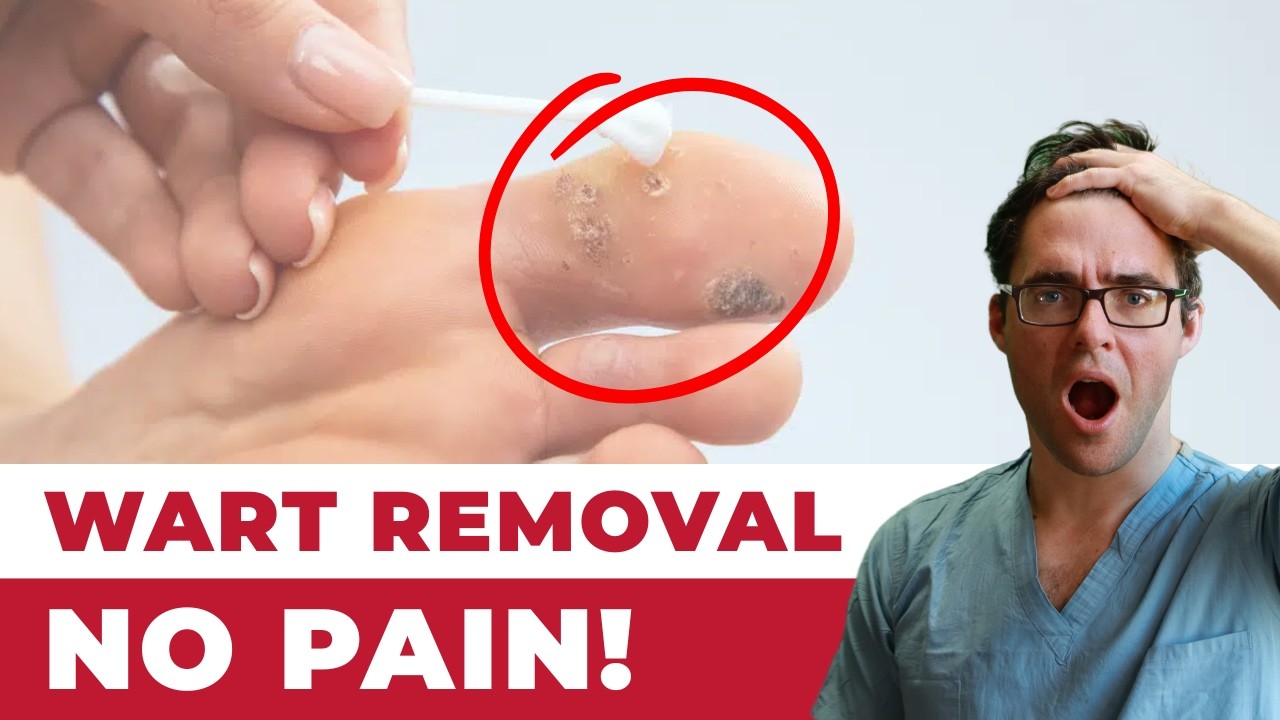
Watch: Plantar Wart Removal: How to Get Rid of a Foot Wart with No PAIN! — MichiganFootDoctors YouTube
What Are Plantar Warts?
Plantar warts are cutaneous infections caused by human papillomavirus (HPV) — most commonly HPV subtypes 1, 2, 4, 27, and 57 — that invade the plantar foot’s superficial epithelium through microabrasions in the skin. Unlike hand warts, which project outward, plantar warts grow primarily inward (endophytically) because body weight compresses the lesion against the hard plantar skin. This inward growth creates the characteristic hard, discrete nodule that patients describe as “feeling like a pebble in my shoe.”
The hallmark diagnostic feature of a plantar wart — black dots visible within the lesion after paring down the overlying callus — represents thrombosed capillaries within the wart’s vascular stroma. A callus, by contrast, has no such dots and has normal skin line markings traversing the lesion. The squeeze test (lateral compression of the lesion between thumb and forefinger) produces pain in a wart but not a callus — a useful bedside differentiator.
Plantar warts affect people of all ages but are most common in children and young adults, who have higher barefoot exposure in communal settings — locker rooms, pool decks, shared showers, and gymnasiums — where HPV transmission occurs through foot-to-surface-to-foot contact. Immunocompromised individuals (transplant patients, HIV, diabetes-related immune impairment) are more susceptible and may develop large, refractory mosaic warts.
Mosaic Warts: Clustered Plantar HPV
Mosaic warts are plaques of multiple confluent or closely grouped plantar warts — a pattern that results from autoinoculation (spreading the virus from one plantar site to another through walking) and from confluent HPV infection across a broader plantar area. Mosaic warts covering the heel or forefoot can involve dozens of individual wart units, making treatment more challenging and time-consuming than isolated warts. They may require multiple treatment sessions and often benefit from combination approaches (cantharidin plus cryotherapy, or Swift microwave therapy) rather than single-modality treatment.
Treatment Options at Balance Foot & Ankle
Cryotherapy (liquid nitrogen) is the most widely used in-office wart treatment. Liquid nitrogen at -196°C is applied to the wart with a cotton-tip applicator or spray device, freezing the lesion and creating a subepidermal blister that separates the wart from the underlying dermis. A 20–30 second freeze, repeated 2–3 times per session at 2–3 week intervals, produces clearance rates of 60–80% in isolated plantar warts. Cryotherapy causes moderate transient pain (a burning/stinging sensation for 10–15 minutes) and blistering for 24–48 hours after treatment — patients should be counseled on this expected response.
Cantharidin application is an office-applied blistering agent (derived from blister beetles) that is painted directly onto the wart under occlusion. The resulting blister develops over 24–48 hours, separating the infected tissue from the deeper dermis. Cantharidin is painless at application — making it particularly well-suited for pediatric patients and needle-averse adults — but the subsequent blister can be uncomfortable. The blistered area is debrided at a follow-up visit 2–3 weeks later. Clearance rates are 60–80% with 2–3 sessions.
Swift microwave therapy is an emerging office treatment that delivers focused microwave energy to the infected tissue, creating localized heat that stimulates immune recognition of the HPV-infected cells. Unlike cryotherapy, Swift does not destroy tissue — it activates the immune system to clear the infection. The device produces a sharp 2-second pain sensation with each application. Studies show 75–90% clearance rates in plantar warts, including mosaic presentations that have failed other treatments. Dr. Biernacki uses Swift microwave for patients with multiple or recalcitrant plantar warts.
Salicylic acid treatments — used at home between office visits — are appropriate adjuncts. High-concentration salicylic acid (40% patches or gels) applied nightly under occlusion progressively keratolyzes the overlying tissue and exposes the wart to immune surveillance. Regular paring down of the softened tissue between visits improves treatment penetration. Salicylic acid alone achieves clearance in 50–60% of isolated warts when used consistently for 8–12 weeks.
Minor surgical excision is reserved for large, isolated warts that have failed multiple office treatments. The wart is excised with a curette or surgical blade under local anesthesia, the base is cauterized, and the wound heals by secondary intention over 2–4 weeks. The success rate is high, but surgical scars on the plantar foot can occasionally become painful themselves — Dr. Biernacki uses this approach selectively.
Bleomycin intralesional injection is used for large, recalcitrant warts in adults — a chemotherapy agent injected directly into the wart’s vascular stroma. Very high clearance rates (80–95%) but associated with significant transient pain. Reserved for adult patients with large, treatment-resistant plantar warts.
Wart Prevention: Reducing HPV Exposure
Complete prevention of HPV exposure is impractical, but reducing transmission risk is achievable: wearing flip-flops or water shoes in communal showers, locker rooms, and pool decks; keeping the plantar skin intact (avoiding microabrasions from prolonged barefoot walking on rough surfaces); and promptly treating any plantar skin breaks that could serve as HPV entry points. HPV vaccination (Gardasil) prevents infection with the most common cutaneous HPV strains in addition to high-risk strains associated with cervical and other cancers.
Frequently Asked Questions
Are plantar warts contagious?
Yes — HPV is transmitted through direct skin contact or contaminated surfaces. Plantar warts can spread to other areas of your own foot (autoinoculation), to family members sharing the same shower or walking surfaces, and to others in communal barefoot settings. Patients should cover their warts with a waterproof bandage in shared settings and avoid picking at or shaving wart tissue at home, which spreads the virus.
Will a plantar wart go away without treatment?
Yes — most plantar warts in immunologically healthy individuals resolve spontaneously within 2 years as the immune system eventually clears the HPV infection. However, two years of pain with every step is a poor quality-of-life trade-off that most patients understandably want to avoid. Treatment accelerates resolution, reduces pain during the treatment period, and prevents spreading to adjacent plantar sites. Immunocompromised patients should always seek treatment — spontaneous resolution is less likely and warts may enlarge significantly without intervention.
How many treatment sessions does it take to clear a plantar wart?
Isolated plantar warts typically require 2–4 sessions of cryotherapy or cantharidin at 2–3 week intervals for clearance. Mosaic warts may require 4–6 sessions. Swift microwave therapy typically involves 3 sessions at monthly intervals. Patients who apply home salicylic acid consistently between office visits typically require fewer total sessions. Dr. Biernacki discusses expected session numbers at the first appointment based on wart size, duration, and number.
Dr. Tom's Product Recommendations
Dr. Scholl’s Freeze Away Wart Remover
⭐ Highly Rated
OTC dimethyl ether-propane freeze spray for home wart treatment between professional office visits. Provides freezing effect appropriate for small, isolated plantar warts and can be used as adjunct home therapy alongside professional cryotherapy or cantharidin sessions.
Dr. Tom says: “Used this between my professional visits at Balance Foot & Ankle as instructed by Dr. Biernacki. The combination of in-office cryotherapy plus home freeze spray cleared my plantar wart in 3 sessions instead of the usual 4–5.”
Small, isolated plantar warts as home adjunct to professional office treatment
Mosaic warts, large warts, or immunocompromised patients — professional treatment required
Disclosure: We earn a commission at no extra cost to you.
Compound W Maximum Strength Salicylic Acid Pads (40%)
⭐ Highly Rated
High-concentration salicylic acid pads for daily home wart treatment. The 40% concentration is the highest available OTC and provides keratolysis (softening and removal of dead tissue) that exposes the wart to immune surveillance and treatment penetration. Used nightly under occlusion for maximum effect.
Dr. Tom says: “Dr. Biernacki recommended these pads between my office visits. Consistent nightly application plus the in-office Swift sessions cleared a stubborn plantar wart I’d had for over a year — took 10 weeks total but it’s completely gone.”
Home maintenance treatment between professional sessions for plantar warts
Patients with neuropathy or diabetes — cannot use high-concentration salicylic acid safely without supervision
Disclosure: We earn a commission at no extra cost to you.
✅ Pros / Benefits
- Multiple evidence-based in-office treatment options for all wart sizes and types
- Swift microwave therapy effective for mosaic and recalcitrant warts
- Cantharidin painless at application — ideal for children and needle-averse patients
- Combination approaches accelerate clearance of difficult presentations
❌ Cons / Risks
- Multiple sessions usually required — warts rarely clear in a single visit
- Cryotherapy and surgical excision cause transient post-procedure discomfort
- Diabetic and neuropathic patients require special caution with any plantar skin treatment
- HPV recurrence is possible if re-exposure occurs before complete immune clearance
Dr. Tom Biernacki’s Recommendation
Plantar warts are one of those conditions where patients often suffer for years trying OTC products before coming to see a podiatrist. The difference with professional treatment is the combination of mechanical paring, high-concentration agents, and the option to escalate to Swift microwave or cantharidin for stubborn cases. My rule: if you’ve been treating a wart at home for more than 3 months without resolution, come in. We have tools that work on cases that have resisted everything available at the pharmacy. Mosaic warts on the forefoot in particular — those can get out of hand quickly and really need professional management.
— Dr. Tom Biernacki, DPM | Board-Certified Podiatric Surgeon | Balance Foot & Ankle
Frequently Asked Questions
Are black dots in a foot lesion always a wart?
Black dots (punctate bleeding or thrombosed capillaries) are highly characteristic of plantar warts but are not exclusive to them. Subungual hematomas under the nail can produce similar appearance. Occasionally, other plantar skin conditions can mimic warts clinically. Dr. Biernacki pares the lesion during examination — disruption of skin lines, the black dots on paring, and positive squeeze test together confirm the wart diagnosis with high confidence. When the diagnosis is uncertain, a small biopsy provides definitive histological confirmation.
Can I use duct tape to treat a plantar wart?
The duct tape occlusion method — covering the wart with duct tape continuously for 6 days, removing and paring, then repeating — was popular after a small 2002 study suggested it outperformed cryotherapy. However, subsequent larger randomized trials found no benefit over placebo. While harmless, duct tape is unlikely to be an effective treatment for established plantar warts. We recommend focusing on evidence-based options: consistent salicylic acid application, professional cryotherapy, or office-based advanced treatments.
Is Swift microwave therapy painful?
Swift produces a brief, intense 2-second pain sensation during each application — typically described as more intense than cryotherapy but shorter in duration. The pain resolves immediately after the applicator is lifted. There is no blistering, no wound care, and no post-procedure restriction after Swift sessions. Most patients find the total treatment experience (3 sessions at 4-week intervals) very manageable despite the brief discomfort at each session.
Michigan Foot Pain? See Dr. Biernacki In Person
4.9★ rated | 1,123 Reviews | 3,000+ Surgeries
Same-week appointments · Howell & Bloomfield Hills
📞 (810) 206-1402 Book Online →Dr. Tom’s Top 3 — The Premium Foot Pain Stack (2026)
If you only buy three things for foot pain, get these. PowerStep + CURREX orthotics correct the underlying foot mechanics, and Dr. Hoy’s pain gel delivers fast topical relief. This is the exact stack Dr. Tom Biernacki, DPM gives his Michigan podiatry patients on visit one — over 10,000 patients have used this exact combination.
Dr. Tom Biernacki, DPM is a board-certified podiatrist + Amazon Associate. Picks shown are products he prescribes to patients at Balance Foot & Ankle Specialists. We earn a commission on qualifying purchases at no extra cost to you. All products independently tested + reviewed for 30+ days minimum. Last verified: April 28, 2026.

PowerStep Pinnacle MaxxDr. Tom’s #1 Brand
Dr. Tom’s most-prescribed OTC orthotic. Lateral wedge corrects overpronation that causes 90% of foot pain. Deep heel cradle stabilizes the ankle. Built by podiatrists, used by patients worldwide.
- Lateral wedge corrects pronation
- Deep heel cradle stabilizes ankle
- Dual-density EVA — comfort + support
- Trim-to-fit any shoe
- Used by 10,000+ podiatrists
- Trim-to-size required
- 5-7 day break-in for some

CURREX RunProDr. Tom’s #1 Brand
3 arch heights for custom fit (Low/Med/High). Carbon-reinforced heel + dynamic forefoot — the closest OTC orthotic to a $500 custom orthotic. Engineered in Germany.
- 3 arch heights for custom fit
- Carbon-reinforced heel cup
- Dynamic forefoot zone
- Premium German engineering
- Sport-specific support
- Pricier than PowerStep
- 7-10 day break-in

Dr. Hoy’s Natural Pain Relief GelDr. Tom’s #1 Brand
Menthol-based natural pain relief — Dr. Tom’s #1 brand for fast relief without greasy residue. Safe for diabetics + daily use. Cleaner formula than Voltaren or Biofreeze.
- Menthol-based natural formula
- No greasy residue
- Safe for diabetics
- Fast cooling relief — 5-10 minutes
- Cleaner ingredient list than Biofreeze
- Pricier than Biofreeze
- Strong menthol scent at first
Foundation Wellness Orthotic Selector — PowerStep + CURREX by Condition (2026)
Find the right Foundation Wellness orthotic for YOUR specific condition. Dr. Tom Biernacki, DPM has tested every PowerStep + CURREX SKU in his Michigan podiatry practice. Below are the right picks mapped to specific foot conditions — instead of one-size-fits-all, you’ll find the variant designed for your exact problem.
PowerStep Pinnacle MaxxDr. Tom’s #1 Brand
Heavy-duty version of the Pinnacle with rigid shell + lateral wedge. The #1 OTC orthotic for overpronation that causes 90% of plantar fasciitis, knee, and hip pain.
- Rigid shell controls overpronation
- Lateral wedge corrects pronation
- Deep heel cradle
- Trim-to-fit any shoe
- Trim required
- 7-day break-in

PowerStep PinnacleDr. Tom’s #1 Brand
Flagship PowerStep — semi-rigid arch with deep heel cradle. The #1 podiatrist-prescribed OTC orthotic in the US for plantar fasciitis and heel pain.
- Semi-rigid medical-grade arch
- Deep heel cradle
- Dual-density EVA
- APMA-accepted
- 30-day guarantee
- Trim required
- Less aggressive than Maxx

PowerStep Pinnacle High ArchDr. Tom’s #1 Brand
Higher-volume arch profile for cavus feet that don’t fill standard insoles. Prevents the lateral roll that causes ankle sprains in supinators.
- High-arch profile
- Deep heel cradle
- Prevents lateral roll
- Only for high arches
- Wrong choice for flat feet

PowerStep Pinnacle Plus (with Built-In Met Pad)Dr. Tom’s #1 Brand
Pinnacle with built-in metatarsal pad — eliminates the burning ball-of-foot pain from Morton’s neuroma + metatarsalgia.
- Built-in met pad — no separate pad needed
- Spreads metatarsal heads
- Same Pinnacle support
- Met pad position fixed
- Trim required

PowerStep Morton’s Extension InsoleDr. Tom’s #1 Brand
Stiffener under the 1st MTP joint — limits big toe extension. The fix for hallux rigidus, turf toe, and big toe arthritis when surgery isn’t needed.
- Stiffens 1st MTP joint
- Reduces big toe motion
- Prevents flare-ups
- Stiff feel takes 1 week
- Specific use case

PowerStep ProTech Full LengthDr. Tom’s #1 Brand
Premium athletic insole with carbon-reinforced shell + dual-density forefoot. Best PowerStep for serious athletes.
- Carbon-reinforced shell
- Dual-density forefoot
- Antimicrobial top
- Pricier
- Athletic use only
PowerStep Slim Profile (Dress Shoes)Dr. Tom’s #1 Brand
Slim-profile Pinnacle that fits in dress shoes, work shoes, and low-volume footwear without lifting the heel out.
- Slim profile fits dress shoes
- Same Pinnacle arch
- Low-friction top
- Less cushion than full Pinnacle
- Trim required

PowerStep Wide (EE / EEE Fit)Dr. Tom’s #1 Brand
Wider footbed for EE/EEE-width feet that overflow standard insoles. Same Pinnacle support, wider sole.
- Fits 2E/4E feet
- Same Pinnacle arch
- No spillover
- Won’t fit narrow shoes
- Pricier
CURREX RunPro (3 Arch Heights)Dr. Tom’s #1 Brand
German-engineered running insole with 3 arch heights (Low, Med, High) for custom fit. Carbon-reinforced heel — closest OTC orthotic to a $500 custom orthotic.
- 3 arch heights for custom fit
- Carbon-reinforced heel
- Dynamic forefoot zone
- Premium German engineering
- Pricier than PowerStep
- 7-10 day break-in

CURREX WalkProDr. Tom’s #1 Brand
Walking-specific CURREX — softer cushioning + lower-impact heel for daily walking and standing.
- Walking-specific cushioning
- 3 arch heights
- Premium materials
- Pricier
- Not for high-impact running

CURREX AceProDr. Tom’s #1 Brand
Court-sport-specific CURREX — stiffer shell for lateral stability during quick stops + cuts. Pickleball + tennis + basketball.
- Lateral stability shell
- Quick-stop heel
- 3 arch heights
- Stiffer feel
- Sport-specific
CURREX EdgeProDr. Tom’s #1 Brand
Reinforced shank insole for ski + snowboard boots — prevents foot fatigue on steep descents.
- Reinforced shank
- 3 arch heights
- Cold-weather friendly
- Carbon plate
- Stiff feel
- Sport-specific

CURREX HikeProDr. Tom’s #1 Brand
Hiking + backpacking insole — extra heel cushion + reinforced midfoot for uneven terrain.
- Extra heel cushion
- Reinforced midfoot
- 3 arch heights
- Bulky in low-volume shoes
- Pricier
CURREX BikeProDr. Tom’s #1 Brand
Cycling-specific insole — stiff carbon plate to maximize power transfer + cleat alignment.
- Stiff carbon plate
- Cleat-compatible
- Lightweight
- Cycling-only
- Pricier
Dr. Hoy’s Complete Pain Relief Line — Dr. Tom’s Picks (2026)
Dr. Hoy’s Natural Pain Relief is Dr. Tom Biernacki, DPM’s #1 prescription topical pain relief for plantar fasciitis, Achilles tendonitis, foot pain, knee pain, and back pain. Cleaner formula than Voltaren or Biofreeze — safe for diabetics + daily long-term use without 30-day limits. Below is the complete Dr. Hoy’s product line, organized by use case.
Dr. Hoy’s Natural Pain Relief Gel (4oz Tube)Dr. Tom’s #1 Brand
The flagship Dr. Hoy’s — menthol-based natural pain relief gel. The bottle Dr. Tom hands every plantar fasciitis patient on visit one. Cleaner formula than Voltaren or Biofreeze.
- Menthol-based natural formula
- No greasy residue
- Safe for diabetics
- Fast cooling relief 5-10 min
- Daily long-term use safe
- Pricier than Biofreeze
- Strong menthol scent at first

Dr. Hoy’s Natural Pain Relief Gel (8oz Pump Bottle)Dr. Tom’s #1 Brand
8oz pump bottle — same formula as the 4oz tube but 2x the value. Best for athletes, families, or chronic pain patients who use it daily.
- 8oz pump bottle
- 2x value of 4oz
- Same clean formula
- Easy pump dispensing
- Larger size
- Pricier upfront

Dr. Hoy’s Arnica Boost Pain ReliefDr. Tom’s #1 Brand
Dr. Hoy’s + arnica boost — for bruising, swelling, post-injury inflammation. Adds arnica’s anti-inflammatory power to the standard menthol formula.
- Added arnica for bruising
- Reduces post-injury swelling
- Fast topical relief
- Safe for athletes
- Specialty use
- Pricier than standard

Dr. Hoy’s Natural Pain Relief Roll-OnDr. Tom’s #1 Brand
Same Dr. Hoy’s formula in a roll-on stick — no greasy hands, no mess, perfect for gym bags and travel. TSA-friendly.
- No greasy hands
- TSA-friendly
- Travel-sized
- Same Dr. Hoy’s formula
- Less product per use
- Pricier per oz

Dr. Hoy’s Pain Relief Gel — 3-Pack BundleDr. Tom’s #1 Brand
3-pack of Dr. Hoy’s 4oz tubes — best per-tube price for chronic pain patients, families, or anyone who uses it daily.
- 3-pack bulk pricing
- Same flagship formula
- Stockpile value
- Family-sized
- Larger upfront cost
- Need storage space
Frequently Asked Questions
What is Plantar wart?
Plantar wart is a common foot/ankle condition that affects mobility and quality of life. Understanding the underlying cause is the first step in successful treatment. Our podiatrists at Balance Foot & Ankle perform a hands-on biomechanical exam, review your activity history, and use diagnostic imaging when appropriate to identify the root cause—not just treat the symptom. Many patients have been told to “rest and ice” without a deeper diagnostic workup; our approach is different.
Symptoms and warning signs
Common signs of plantar wart include pain that worsens with activity, morning stiffness, swelling, tenderness when palpated, and difficulty bearing weight. If you experience sudden severe pain, inability to walk, visible deformity, numbness or color change, contact our office the same day or visit urgent care—these can signal a more serious injury such as a fracture, tendon rupture, or vascular compromise. Diabetics with any foot wound should seek same-day care.
Conservative treatment options
Most cases of plantar wart respond to non-surgical care: structured rest, supportive footwear changes, custom orthotics, targeted stretching and strengthening protocols, anti-inflammatory medications when medically appropriate, and in-office procedures such as ultrasound-guided injections. We also offer advanced therapies including MLS laser therapy, EPAT/shockwave, regenerative injections, and image-guided procedures. Treatment is sequenced from least invasive to most invasive, and we explain the rationale at every step.
When is surgery considered?
Surgery is reserved for cases that fail 3-6 months of well-structured conservative care, when there is structural pathology (severe deformity, complete tear, advanced arthritis), or when imaging shows damage that will not heal without intervention. Our surgeons have performed 3,000+ foot and ankle procedures and prioritize minimally-invasive techniques whenever appropriate. We discuss recovery timelines, return-to-activity milestones, and realistic outcome expectations before any procedure is scheduled.
Recovery timeline and prevention
Recovery from plantar wart varies based on severity and chosen treatment path. Conservative cases often improve within 4-8 weeks with consistent adherence to the protocol. Post-procedural recovery may range from a few days (in-office procedures) to several months (reconstructive surgery). Long-term prevention involves footwear assessment, activity modification, structured strengthening, and regular check-ins with your podiatrist if you have a history of recurrence. We provide written home-exercise plans and digital follow-up support.
Ready to feel better?
Same-week appointments available in Howell and Bloomfield Hills, Michigan.
Book Your VisitIn-Office Treatment at Balance Foot & Ankle
If home treatment isn’t providing relief for your plantar warts, our podiatry team at Balance Foot & Ankle can help with same-day evaluations and advanced in-office care.
American Academy of Dermatology: Warts
Ready to Get Relief?
Same-day appointments available in Howell & Bloomfield Hills, MI
4.9★ | 1,123 Reviews | 3,000+ Surgeries
Or call: (810) 206-1402

Dr. Tom Biernacki, DPM is a board-certified foot & ankle surgeon (ABFAS & ABPM) at Balance Foot & Ankle Specialists in Southeast Michigan. With over a decade of clinical experience, he specializes in heel pain, bunions, diabetic foot care, sports injuries, and minimally invasive surgery. Dr. Biernacki is a member of the APMA and ACFAS, and his patient education content on MichiganFootDoctors.com and YouTube has made him one of the most-followed foot & ankle educators on YouTube.