

Why Are the Bottoms of My Feet Yellow? [7 Causes & What to Do]
Yellow or orange discoloration on the soles of your feet is more common than you might think — and it has several different causes that range from completely harmless to worth investigating. Here’s how to figure out which one applies to you.
7 Causes of Yellow Bottoms of Feet
1. Calluses — Most Common Cause
The most frequent reason for yellow soles is simply thick, hardened skin (calluses). When the skin on the bottom of the foot is subjected to repeated pressure or friction — from standing, walking, or ill-fitting shoes — it thickens as a protective response. This thickened skin takes on a yellowish, waxy appearance.
- Where: Ball of foot, heel, and areas under bony prominences
- Characteristics: Broad area of thickened skin, may feel rough or hard, no clear border
- What to do: Pumice stone after bathing, urea-based foot creams (10–25%), well-fitting supportive footwear, custom orthotics to redistribute pressure
2. Toenail or Skin Fungal Infection (Tinea Pedis)
A moccasin-type athlete’s foot infection spreads across the sole in a dry, scaly, yellowish pattern — sometimes all the way up the sides of the foot. It’s caused by dermatophyte fungi and is highly contagious. The “two feet, one hand” pattern is a classic presentation.
- Characteristics: Fine white-yellow scaling across the entire sole, chronic and persistent, often itchy
- What to do: Topical antifungal (clotrimazole, terbinafine) for 4–6 weeks; oral antifungal for moccasin type; treat footwear to prevent reinfection
3. Carotenemia — Dietary Cause
Eating large amounts of foods high in beta-carotene — carrots, sweet potatoes, squash, kale — can cause a harmless condition called carotenemia, where excess carotene deposits in the skin, giving it an orange-yellow tint. This is most visible on the palms and soles (where the skin is thickest).
- Key distinguishing feature: Whites of the eyes remain white (unlike jaundice, where eyes turn yellow)
- What to do: Reduce carotene-rich foods; color normalizes over weeks. No medical treatment needed.
4. Jaundice (Liver or Bile Duct Problem)
True jaundice causes yellowing of the skin and the whites of the eyes (sclera) due to elevated bilirubin — a byproduct of red blood cell breakdown. When the liver can’t process bilirubin normally, it accumulates in tissues, including skin. Causes include hepatitis, cirrhosis, bile duct obstruction, or hemolytic anemia.
- Key feature: Yellow eyes in addition to skin
- Other signs: Dark urine, pale stools, fatigue, abdominal pain
- Action required: Seek medical evaluation promptly — jaundice is never normal and requires investigation
5. Diabetes-Related Skin Changes
Poorly controlled diabetes can cause several skin changes that affect the feet. Yellow, thickened skin can result from glycation (sugar binding to skin proteins), peripheral arterial disease reducing circulation, or necrobiosis lipoidica (yellowish skin plaques). People with diabetes also develop calluses more readily due to pressure distribution changes.
- What to do: Regular diabetic foot exams; podiatrist evaluation; strict blood sugar management
6. Psoriasis
Psoriasis affecting the soles of the feet (palmoplantar psoriasis) can produce thick, yellow-tinged plaques that may crack and bleed. It’s often mistaken for severe calluses or fungal infection but doesn’t respond to antifungal treatment.
- Characteristics: Thick, silvery or yellowish plaques, well-defined border, may bleed when scratched
- What to do: Dermatology referral for prescription topical corticosteroids, vitamin D analogues, or biologics
7. Pitted Keratolysis
A bacterial infection (Corynebacterium species) that causes whitish-yellow discoloration of the soles along with characteristic small pits in the skin. Often associated with excessive sweating and unpleasant foot odor.
- Characteristics: Yellowish-white patches with tiny pits, extremely strong odor, worse with sweating
- What to do: Prescription topical antibiotics (erythromycin, clindamycin), moisture-wicking socks, breathable footwear, antiperspirant on soles
How to Tell What’s Causing Your Yellow Soles
Use these quick checks to narrow it down:
- Are your eyes yellow too? → Jaundice. See a doctor urgently.
- Is it only on high-pressure areas? → Calluses. Start with better footwear and moisturizer.
- Do you eat a lot of carrots/sweet potato/squash? → Carotenemia. Eyes will be white.
- Is there fine scaling across the whole sole? → Fungal infection. Try antifungal cream.
- Is there a strong odor and tiny pits? → Pitted keratolysis. Needs prescription antibiotics.
- Do you have thick plaques that crack? → Psoriasis. Needs dermatology or podiatry evaluation.
⚠️ When to See a Podiatrist for Yellow Feet
While calluses and dietary carotenemia are harmless, other causes of yellow soles require proper treatment. See a podiatrist if:
- The yellowing doesn’t improve after 4–6 weeks of moisturizing and better footwear
- You have diabetes — any unexplained skin change on the feet warrants evaluation
- There’s a foul odor accompanying the discoloration
- You notice cracking, bleeding, or open sores
- You suspect a fungal infection that hasn’t cleared with OTC treatment
- You have jaundice-like symptoms — yellow eyes require urgent medical evaluation
Podiatrist-Recommended Products for Foot Skin Care

- Soften Cracked Heels Fast: This urea foot cream blends 60% urea with 2% salicylic acid to deeply penetrate thick skin, offering fast relief from dry, cracked heels and calluses. Your go-to cracked heel treatment in stick form.
- Gentle Yet Powerful Exfoliation: Ditch harsh scrubs—this foot cream for dry cracked heels and feet gently melts away flakes without stinging, making it perfect for elbows, knees, and even sensitive hands.
- Mess-Free, Grease-Free Stick: Our non-greasy urea cream absorbs quickly, so you can wear shoes right after use—no residue, no slipping. Just swipe and go. Great for busy mornings and on-the-go hydration.
- Moisturize On-the-Go: Coconut oil and aloe in a solid urea lotion format deliver hydration and calm irritation. Keep it in your purse or gym bag for daily touch-ups on dry, flaky skin.
- Daily Skin Rescue Routine: Use nightly with socks to wake up to baby-soft heels. This easy-to-apply foot cream keeps rough skin from coming back. Regular use improves texture and prevents buildup.

- Natural and gentle formula, providing a light, non-greasy formula that absorbs quickly while delivering essential moisture to dry cracked feet,suitable for sensitive skin.
- 60% urea and 2% salicylic acid urea foot care stick with the hydrating effect is the best solution for Dry Cracked Heels, Knees, Elbows, Hands Repair.
- For dry cracking repair, keratin softening and moisturizing.It is suitable for daily maintenance and prevention of foot rubbing caused by high heels.
- Our foot care stick is best feet cream for foot moisturizer, callus and dead Skin remover, softener for feet care, and it is suitable for all skin types.
- Portable solid stick design, clean and hygienic, precise care, no need to be scooped out, directly applied to areas prone to cracking such as heels and soles of feet.
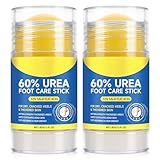
- Soften Cracked Heels Fast: This urea foot cream blends 60% urea with 2% salicylic acid to deeply penetrate thick skin, offering fast relief from dry, cracked heels and calluses. Your go-to cracked heel treatment in stick form.
- Gentle Yet Powerful Exfoliation: Ditch harsh scrubs—this foot cream for dry cracked heels and feet gently melts away flakes without stinging, making it perfect for elbows, knees, and even sensitive hands.
- Mess-Free, Grease-Free Stick: Our non-greasy urea cream absorbs quickly, so you can wear shoes right after use—no residue, no slipping. Just swipe and go. Great for busy mornings and on-the-go hydration.
- Moisturize On-the-Go: Coconut oil and aloe in a solid urea lotion format deliver hydration and calm irritation. Keep it in your purse or gym bag for daily touch-ups on dry, flaky skin.
- Daily Skin Rescue Routine: Use nightly with socks to wake up to baby-soft heels. This easy-to-apply foot cream keeps rough skin from coming back. Regular use improves texture and prevents buildup.
Concerned About Yellow Soles? Get a Proper Diagnosis.
Our podiatrists at Balance Foot & Ankle Specialist can quickly distinguish between calluses, fungal infections, systemic causes, and other conditions affecting your foot skin — and get you on the right treatment plan.
Or call us at (810) 206-1402
Related Articles
- How to Cure Athlete’s Foot Fungus Fast
- Dry, Cracked Feet: Causes & Treatment
- 28 Diabetes Signs & Symptoms Affecting the Feet
- 15 Most Common Skin Conditions on the Feet
Written by Dr. Tom Biernacki, DPM — Board-certified podiatrist at Balance Foot & Ankle Specialist, serving Howell and Bloomfield Hills, Michigan.
Related Treatment Guides
- Corn & Callus Treatment
- Plantar Fasciitis & Heel Pain Treatment
- Custom 3D Orthotics
- Sports Foot & Ankle Injury Treatment
Medical References & Sources
- American Podiatric Medical Association — Patient Education
- American Orthopaedic Foot & Ankle Society — Foot Conditions
📧 Get Dr. Tom’s Free Lab Test Guide
Discover the 5 lab tests every person over 35 should ask their doctor about — explained in plain English by a board-certified physician.
📍 Located in Michigan?
Our board-certified podiatrists treat this condition at two convenient locations. Same-day appointments often available.

Dr. Tom Biernacki, DPM is a double board-certified podiatrist and foot & ankle surgeon at Balance Foot & Ankle Specialists in Southeast Michigan. With over a decade of clinical experience, he specializes in heel pain, bunions, diabetic foot care, sports injuries, and minimally invasive surgery. Dr. Biernacki is a member of the APMA and ACFAS, and his patient education content on MichiganFootDoctors.com and YouTube has reached over one million views.