
Quick answer: Wrestling Martial Arts Foot Injuries Mat Burns Ankle Sprains is a common foot/ankle topic that affects many patients. The 2026 evidence-based approach combines proper diagnosis, conservative-first treatment, and escalation only when needed. We treat this regularly at our Howell and Bloomfield Township practices. Call (810) 206-1402.
Medically reviewed by Dr. Tom Biernacki, DPM — Board-Certified Podiatric Surgeon — Balance Foot & Ankle, Howell & Bloomfield Township, MI. Last updated April 2026.
▶ Watch

Medically reviewed by Dr. Tom Biernacki, DPM
Board-certified podiatric surgeon | Balance Foot & Ankle
Last reviewed: April 2026
In this guide:
The most important clinical decision with Wrestling Martial Arts Foot Injuries Mat Burns Ankle Sprains isn’t which treatment to start with — it’s which subtype or underlying cause you actually have. That distinction changes everything. Call us: (810) 206-1402
Unique Foot Demands of Combat Sports
 mat burn ankle sprain toe treatment Howell MI” class=”wp-image-57389″ width=”1200″ height=”630″ loading=”eager” fetchpriority=”high” decoding=”async”/>
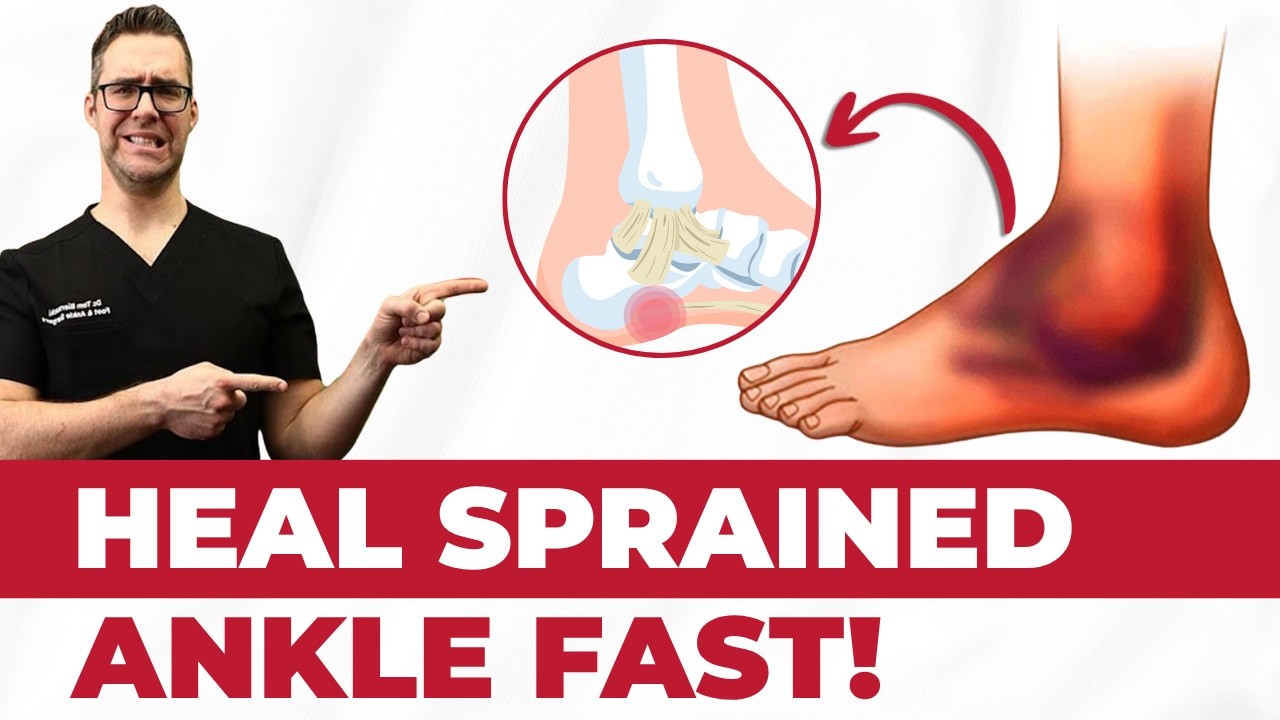
Watch: Fix TWISTED Ankle, ROLLED Ankle or SPRAINED Ankle Ligaments FASTER! — MichiganFootDoctors YouTube
Wrestling, judo, Brazilian jiu-jitsu, mixed martial arts, and other grappling sports expose the foot and ankle to a unique combination of barefoot training surfaces, explosive directional changes, partner-applied forces, and ground-based movement patterns. The barefoot nature of most combat sports removes the protective interface of footwear, exposing the skin and underlying structures directly to mat abrasion, toe hyperextension, and rotational forces that would be partially absorbed by athletic shoes in other sports. Southeast Michigan has a strong wrestling tradition at the high school and club level, and a growing recreational martial arts community.
Common Injuries
 turf toe and ankle sprain treatment combat sports” class=”wp-image-57354″ width=”800″ height=”450″ loading=”lazy” decoding=”async”/>
Mat burns — friction abrasions of the foot and ankle skin — are the most common minor injury in wrestling and grappling arts. While superficial, these abrasions represent breaches of the primary skin barrier and carry a significant risk of bacterial infection, including methicillin-resistant Staphylococcus aureus in training facilities with inadequate mat hygiene. Daily cleaning of any open abrasion, coverage with antimicrobial dressings during training, and monitoring for signs of spreading infection — increasing redness, warmth, streaking, or fever — are essential for all combat sport athletes.
Ankle sprains occur when a foot is trapped under the opponent or pinned at an extreme angle during takedowns or ground wrestling. Unlike running or court sport sprains, wrestling ankle sprains often involve unusual mechanisms including eversion and external rotation that can damage the deltoid ligament and distal tibiofibular syndesmosis — structures that may be overlooked on standard ankle sprain evaluation. High ankle sprains (syndesmotic injuries) require longer recovery periods than lateral ankle sprains and may require immobilization.
Toe fractures and dislocations occur from contact with the mat, opponent, or partner during sparring. The fifth toe is particularly vulnerable to forced adduction injuries. First toe hyperextension during sprawls and stand-up movements causes turf toe that limits push-off during grappling. Toenail avulsions from catching the nail on a mat seam require prompt wound care and nail management to prevent permanent nail dystrophy.
When combat sport athletes should see a podiatrist:
- Ankle instability that gives way during grappling or pivoting
- Infected mat burn with spreading redness, warmth, or pus
- Big toe pain or stiffness limiting push-off power
- Persistent foot pain after takedowns or throws
- Toenail changes suggesting fungal infection from shared mats
Prevention Strategies

High-quality wrestling shoes with ankle support are used in folkstyle and freestyle wrestling competition. Mat quality and regular disinfection with EPA-registered quaternary ammonium solutions significantly reduce infectious skin conditions. Buddy taping of injured toes allows continued training while protecting healing structures. Any foot or ankle injury that causes a significant limp, prevents weight bearing, or does not improve within a week deserves podiatric evaluation to rule out fracture or ligamentous injury requiring formal treatment.
Recommended Products for Combat Sport Athletes
In our clinic, we recommend these products for wrestlers and martial artists:
Fungi-Nail Antifungal Pen — Shared mat training creates high fungal exposure risk. Apply preventively to toenails after every practice to stop infections before they start.
Eucerin Advanced Repair Cream — Keeps mat-burned skin moisturized and promotes healing. Well-hydrated skin also resists abrasion better, reducing mat burn severity.
SB SOX Compression Socks — Post-training compression reduces ankle swelling from grappling and helps manage the chronic ankle edema common in combat sport athletes.
Frequently Asked Questions
How do I prevent mat burn infections?
Clean mat burns immediately with soap and water, apply antibiotic ointment, and cover with a breathable bandage. Do not return to mat training until the wound is fully scabbed. Any spreading redness needs medical evaluation for cellulitis.
Should wrestlers tape their ankles?
Wrestlers with previous ankle sprains should tape or wear lace-up braces under wrestling shoes. Prophylactic ankle support reduces re-injury risk by 40-60% in combat sports.
Can martial arts cause plantar fasciitis?
Yes. Barefoot training on hard surfaces — especially repeated jumping in Taekwondo or pivoting in Judo — stresses the plantar fascia. Proper warm-up stretching and supportive training shoes for off-mat conditioning reduce risk.
In Our Clinic
Most of our ankle sprains are acute — a patient comes in the same day or within 48 hours after rolling the ankle. We apply the Ottawa Ankle Rules first: bone tenderness at the posterior malleolus, navicular, or base of the 5th metatarsal, or inability to bear weight for 4 steps, means we image immediately to rule out fracture. For a clean grade 1–2 lateral ligament sprain, we use a short period of boot immobilization if needed, then transition into an ankle brace + proprioception training. The mistake we often see: patients skip the rehab phase and re-sprain within a year.
The Bottom Line
Combat sport foot injuries respond best to early intervention and proper prevention. In our Howell and Bloomfield Township clinics, we see Michigan wrestlers, BJJ practitioners, and martial artists weekly with preventable injuries. If you’re training through foot or ankle pain, get evaluated before it sidelines your season.
Combat Sport Injury? Get Expert Care
Same-week appointments available in Howell & Bloomfield Township, MI
4.9★ | 1,123 Reviews | 3,000+ Surgeries
Or call: (810) 206-1402
Wrestling & Martial Arts Foot Treatment in Michigan
Mat burns, ankle sprains, toe dislocations, and plantar fasciitis from wrestling and martial arts require sport-specific treatment. Our sports medicine podiatrists treat combat sport athletes at our Howell and Bloomfield Township offices.
Learn About Sports Medicine Podiatry | Book Your Appointment | Call (810) 206-1402
Clinical References
- Yard EE, et al. An epidemiologic comparison of wrestling injuries in the 2004-2005 and 2005-2006 NCAA wrestling seasons. J Athl Train. 2008;43(6):591-599.
- Birrer RB. Trauma epidemiology in the martial arts: the results of an eighteen-year international survey. Am J Sports Med. 1996;24(6 Suppl):S72-S79.
- Agel J, et al. Descriptive epidemiology of collegiate men’s wrestling injuries. J Athl Train. 2007;42(2):303-310.
Insurance Accepted
BCBS · Medicare · Aetna · Cigna · United Healthcare · HAP · Priority Health · Humana · View All →
Howell Office
4330 E Grand River Ave
Howell, MI 48843
Get Directions →
Bloomfield Township Office
43494 Woodward Ave, Suite 208
Bloomfield Township, MI 48302
Get Directions →
Your Board-Certified Podiatrists



Ready to Get Back on Your Feet?
Same-week appointments available at both locations.
Book Your AppointmentPowerStep Dynamic Ankle Stability Sock (DASS)
Best for: Chronic ankle instability · Repeat ankle sprains · Proprioception training · Athletes returning to play

A revolutionary alternative to bulky ankle braces. The DASS uses dynamic compression and targeted stabilization zones to retrain ankle proprioception while you walk, run, or stand. Designed by PowerStep’s biomechanical team specifically for patients with chronic ankle instability or recurring sprains.
- Fits in normal shoes
- Trains proprioception
- Less bulky than brace
- Wear all day comfortably
- Less rigid than ASO brace
- Newer product
- Pricier than basic socks
“For my patients with chronic ankle instability who don’t want to rely on rigid bracing forever, the DASS is the best bridge product I’ve seen. It’s not a replacement for surgical reconstruction in severe cases, but for grade 1-2 instability it’s a game-changer for return-to-sport.”
In-Office Treatment at Balance Foot & Ankle
If home treatment isn’t providing relief for your sports foot injury, our podiatry team at Balance Foot & Ankle can help with same-week evaluations and advanced in-office care.
Same-week appointments available. (810) 206-1402
Get Expert Care at Balance Foot & Ankle
Same-week appointments at our Howell and Bloomfield Township offices. Board-certified podiatric surgeons. Most insurance accepted.

Dr. Tom Biernacki, DPM is a board-certified foot & ankle surgeon (ABFAS & ABPM) at Balance Foot & Ankle Specialists in Southeast Michigan. With over a decade of clinical experience, he specializes in heel pain, bunions, diabetic foot care, sports injuries, and minimally invasive surgery. Dr. Biernacki is a member of the APMA and ACFAS, and his patient education content on MichiganFootDoctors.com and YouTube has made him one of the most-followed foot & ankle educators on YouTube.
More questions patients ask
How long does an ankle sprain take to heal?
Recovery time depends on severity: Grade 1 (mild stretching) typically heals in 1-3 weeks, Grade 2 (partial tear) in 3-6 weeks, and Grade 3 (complete tear) in 6-12 weeks or longer. Proper rehabilitation is critical to prevent chronic ankle instability, which affects up to 40% of patients who don't receive adequate treatment. Dr. Biernacki creates customized recovery plans.
When should I see a doctor for a sprained ankle?
Seek professional evaluation if you can't bear weight, notice significant swelling or bruising, hear a pop at the time of injury, have numbness, or if pain hasn't improved after 5-7 days of RICE treatment. X-rays or MRI may be needed to rule out fractures. Dr. Biernacki offers same-day urgent evaluations at 810-206-1402.
Can a sprained ankle heal without treatment?
While mild sprains may heal with rest and home care, undiagnosed ligament tears and improperly rehabilitated sprains frequently lead to chronic ankle instability, recurrent sprains, and early-onset arthritis. A proper evaluation ensures appropriate treatment and reduces your risk of long-term complications significantly.
Still have a question about coverage or cost? Book online and we will check your benefits before your visit: Book in Howell · Book in Bloomfield Township. Prefer to talk it through first? Call (810) 206-1402.