

Second Metatarsal Overload Syndrome Treatment in Howell & Bloomfield Hills, MI
Pain under the ball of your foot can make walking and standing difficult. Second Metatarsal Overload Syndrome occurs when excess pressure is placed on the second metatarsal bone, leading to inflammation and persistent forefoot pain. At Balance Foot & Ankle Specialist, our Howell and Bloomfield Hills podiatrists provide expert diagnosis and personalized treatment to relieve pain and restore comfortable movement.
Book a Foot Examination TodayUnderstanding Second Metatarsal Overload Syndrome
Second Metatarsal Overload Syndrome develops when the second metatarsal bone absorbs more weight than it should during walking or standing. This imbalance is often related to foot structure, gait mechanics, or footwear choices. Over time, the added pressure irritates joints and soft tissues, causing pain beneath the second toe.
Second Metatarsal Overload Syndrome develops when the second metatarsal bone absorbs more weight than it should during walking or standing. This imbalance is often related to foot structure, gait mechanics, or footwear choices. Over time, the added pressure irritates joints and soft tissues, causing pain beneath the second toe.
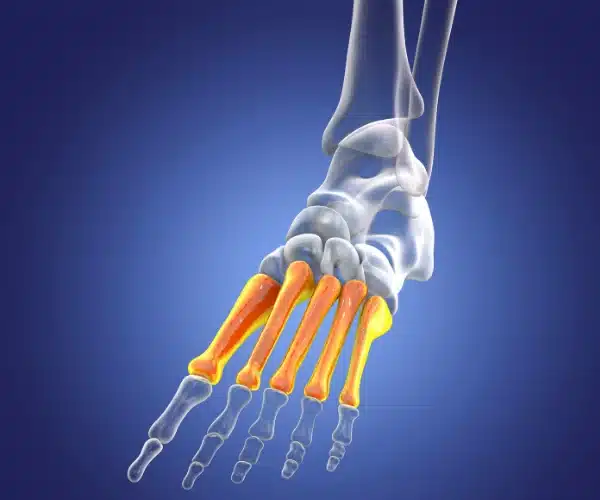
Common Causes
- Structural foot imbalances or uneven weight distribution
- A longer second toe or instability of the big toe joint
- Bunions affecting forefoot alignment
- Unsupportive or worn footwear
- Repetitive impact from walking, running, or standing
The cause of second metatarsal overload syndrome is simply that too much pressure is placed on the 2nd metatarsal.
This can be for any of the following reasons, but it always comes down to one longer than the other. Eventually a callus will form under the 2nd metatarsal head.
There will also be constant pain while standing on the ball of the foot.
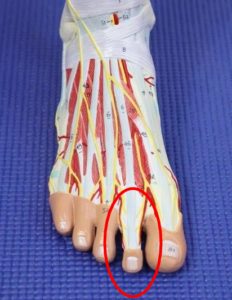
Specific Causes
- Short 1st metatarsal – Morton’s Toe
- Long 2nd metatarsal
- Hypermobility of the 1st metatarsal
- Prior broken foot
- Tight calf muscles
- Excessive wearing of heeled shoes
- Bunion – that does not make proper contact with the ground for push-off
- Flat foot due to another reason
Other Symptoms
- Pain under the ball of the foot near the second toe
- Pain that worsens with activity or prolonged standing
- Swelling or tenderness in the forefoot
- Burning or aching sensation when walking
Local Treatment Options
At our Howell and Bloomfield Hills clinics, treatment focuses on relieving pressure and correcting the cause of overload. Most patients improve with non-surgical care, including:
- Custom orthotics to redistribute forefoot pressure
- Footwear guidance and modifications
- Activity modification and offloading techniques
- Anti-inflammatory care and advanced non-invasive therapies
Get Relief from Second Metatarsal Overload Syndrome
Don’t let forefoot pain limit your daily activities. At Balance Foot & Ankle Specialist, our experienced podiatrists provide expert evaluation and personalized treatment for second metatarsal overload syndrome in Howell, Bloomfield Hills, and surrounding Michigan communities.
Take the first step toward pain relief, improved mobility, and long-term foot health. Our team offers same-week appointments, insurance verification, and compassionate care tailored to your needs.
Schedule Your Evaluation Today Call Now to Verify InsuranceActivities that aggravate 2nd metatarsal overload syndrome:
- The pain is typically aggravated while walking running.
- Athletes who participate in high impact running in sports, generally develop an inflammatory condition which causes irritation to the second third, fourth or fifth metatarsals.
- This is also referred to as a medic her cell just in some cases.
- The pain gradually appears over a period of several weeks or months, it does not happen with one bad fall or crack of the bone.
- This can frequently be associated with conditions such as Morton’s neuroma, capsulitis, or stress fractures.
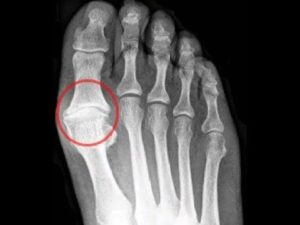
Diagnosis:
When to seek treatment:
- Not all 2nd toe pain requires seeing a doctor for treatment, especially if you’ve had a long day on your feet.
- It might be a good idea to try home treatment for a few days.
- If the pain does continue for an extended period of time and home treatment has not been effective, then it might be time to go seek professional care from your podiatrist.
Podiatrist In Office Evaluation:
- The first and most basic step is to get an x-ray. This only takes a few minutes and gives very valuable information.
- The first thing we are looking for is how long the metatarsal is, do you have a bunion, is there a broken bone, or is there any obvious deformities.
- It is almost impossible to tell if you have Morton’s neuroma based on an x-ray, this is based on clinical exam.
- Sometimes we may try to order an MRI, but most insurance plans these days don’t cover this right off the bat. As a result we can take an in office ultrasound to make sure that this is what’s going on.
- Through a physical exam, we will make sure that you do not have an aroma between your toes. We will make sure that none of the toes are dislocated or have a plantar plate rupture. We’ll make sure that you don’t have capsulitis at the site.
- By pressing with our fingertips along the metatarsal shaft, this would lead us to confirm that what you do have is a stress fracture through the site.
Our Basic Treatment Algorithm Includes:
- A foot x-ray as the first step.
- A full ultrasound in the office as the second step.
- An ultrasound as a backup, but insurance can sometimes be difficult in approving these at the beginning.
- Very rarely do we need to get a CT scan or a bone scan, especially for younger athletes, this can lead to a higher amount of radiation.
Metatarsalgia & Ball of the Foot Pain Treatment:
This long, long …. long in depth treatment guide will hopefully entertain you and show you everything you want to know about metatarsal joint pain!
Second Metatarsal Overload Syndrome Treatment
What kind of rehabilitation can I do?
- The most important thing you could do is switch up to different forms of exercises.
- What we usually prefer is stop running, and switch to cycling and swimming if at all possible.
- You can still do upper body exercises weightlifting rolling. You can do many things that raise your heart rate without damaging your foot further.
- The key is to accept that you have done some damage, and you must let it heal rather than getting worse.
How long does it take to heal from second metatarsal overload syndrome?
- Doing all the right things, such as where good supportive orthotics, great shoes, resting the foot, and stretching your calf muscles and hamstrings: they can still take 6 to 8 weeks to fully heal this.
- Some people get better quicker, but you need to keep doing these things for many many weeks.
- The biggest mistake people do is think that they can do the right stuff for one to two weeks, no! It has to be longer, you have to treat this almost like a broken bone.
- The biggest key to this is to accept that you have an injury, and you must do all the right stuff to give it time to heal. Have confidence that this is your diagnosis and let it heal up. Don’t turn what should be a 1 to 2 month injury into a 2 to 3 year injury or longer!
What kind of stretching can I do?
- The most common reason people get pressure on the front of their foot is very tight Achilles tendons and hamstrings.
- Focus on stretching your calf muscles and hamstrings.
- If these are starting to loosen up, you can even start looking at your lower back and stretching this.
What are the best stretching devices to help me get more flexible?
- Second Metatarsal Overload Syndrome Treatment should be treated by identifying the cause.
- If you have a bunion for example: correct the flat foot causing the bunion and the bunion itself.
- If you wear heels: get a good running shoe with inserts.
- If you have tight calf muscles: perform continuous calf stretches.
For more on 2nd metatarsal overload syndrome: 2nd metatarsal overload procedures.
Second Metatarsal Overload Syndrome Treatment Near You
If you are experiencing pain, swelling, or pressure in the ball of your foot, you may have second metatarsal overload syndrome. At Balance Foot & Ankle Specialist, our podiatrists provide expert evaluation and treatment for this condition in Howell, Bloomfield Hills, and nearby Michigan communities.

Our Treatment Approach
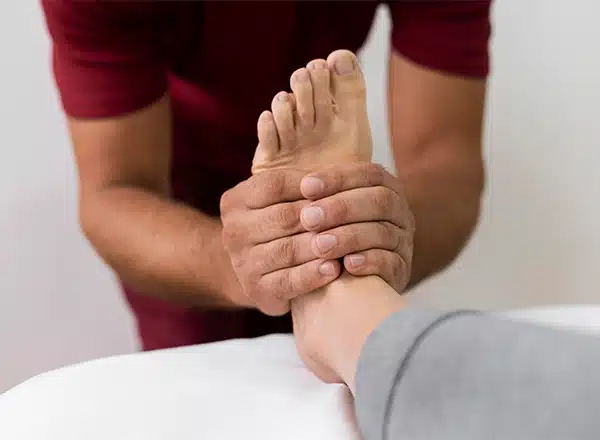
We focus on relieving pain, correcting biomechanics, and preventing future injury with personalized care, which may include:
- Custom orthotics and padding to redistribute pressure on the forefoot
- Physical therapy to strengthen surrounding muscles and improve gait
- Activity modification and footwear recommendations
- Advanced in-office procedures for severe or persistent cases
Locations Served
Patients from Howell, Bloomfield Hills, Brighton, Hartland, Fenton, South Lyon, Milford, Birmingham, Troy, West Bloomfield, and Auburn Hills trust our team for professional foot care. Our clinics offer convenient scheduling and same-week appointments for those seeking relief from forefoot pain.
Why Choose Balance Foot & Ankle Specialist?

- Experienced podiatrists specializing in forefoot injuries and overload syndromes
- Safe, sterile, and patient-focused environment
- Insurance and Medicare verification prior to treatment
- Personalized treatment plans to restore comfort and mobility
Our board-certified podiatrists specialize in foot and ankle care.
Michigan’s Top-Rated Podiatrist for Second Metatarsal Overload Syndrome

Dr. Tom Biernacki, DPM
Specializes in diagnosing and treating forefoot conditions such as Second Metatarsal Overload Syndrome.
Book Now
Dr. Carl Jay,
DPM
Brings extensive experience in treating ball-of-foot pain caused by structural and gait-related issues, including Second Metatarsal Overload Syndrome.
Book Now
Dr. Daria Gutkin, DPM
Provides patient-focused care for forefoot disorders like Second Metatarsal Overload Syndrome, helping patients return to daily activities with less pain.
Book NowTrusted by Thousands Across Michigan
Real Relief, Real Results

“I’ve been visiting Balance Foot & Ankle Specialist for my toenail care and foot pain. The podiatrists are gentle, professional, and very attentive. I finally feel comfortable walking again without pain!” – Margaret L., Howell, MI
“After struggling with Achilles tendon pain for months, I came to the Howell office. The team quickly diagnosed my condition and created a treatment plan that actually works. I can now enjoy my walks pain-free!” – George R., Bloomfield Hills, MI
“I suffer from forefoot pain due to second metatarsal overload syndrome. The podiatrists at Bloomfield Hills provided a personalized treatment plan, including orthotics and therapy. My pain is gone, and I feel confident in my steps again.” – Evelyn S., Howell, MI
Frequently Asked Questions
 What is second metatarsal overload syndrome?
Second metatarsal overload syndrome is a condition where excessive pressure is placed on the second metatarsal bone, causing pain, inflammation, and discomfort in the ball of the foot. It often results from foot structure issues, overuse, or improper footwear.
What are the symptoms of second metatarsal overload syndrome?Common symptoms include sharp or aching pain in the ball of the foot, swelling, tenderness when walking, and increased pain during activity or standing for long periods.
How is second metatarsal overload syndrome treated?Treatment typically includes custom orthotics, padding to offload pressure, footwear modifications, physical therapy, and activity adjustments. In more severe cases, advanced treatments or procedures may be recommended by your podiatrist.
Can second metatarsal overload syndrome heal without treatment?While mild cases may improve with rest, untreated overload can worsen over time, leading to chronic pain or joint damage. Professional podiatric care helps address the root cause and prevent recurrence.
Do I need surgery for second metatarsal overload syndrome?Most patients do not require surgery. Non-surgical treatments are highly effective when started early. Surgery is only considered if conservative care fails and pain significantly affects daily activities.
Where can I get second metatarsal overload syndrome treatment near me?If you’re in Howell, Bloomfield Hills, or nearby Michigan cities, you can receive expert care at Balance Foot & Ankle Specialist, where experienced podiatrists provide personalized treatment plans and insurance verification.
Get Relief from Second Metatarsal Overload Syndrome
Don’t let forefoot pain limit your daily activities. At Balance Foot & Ankle Specialist, our experienced podiatrists provide expert evaluation and personalized treatment for second metatarsal overload syndrome in Howell, Bloomfield Hills, and surrounding Michigan communities.
Take the first step toward pain relief, improved mobility, and long-term foot health. Our team offers same-week appointments, insurance verification, and compassionate care tailored to your needs.
Schedule Your Evaluation Today Call Now to Verify InsuranceServing seniors, athletes, and active adults. Safe, professional care for every foot type.


Restore Foot Comfort Today in Howell & Bloomfield Hills, MI
Get Relief from Second Metatarsal Overload Syndrome
Don’t let heel pain slow you down. Balance Foot & Ankle Specialist in Howell and Bloomfield Hills offers expert, local care to relieve pain and restore your mobility.
Book an Appointment Today (810) 206-1402Related Treatment Guides

Dr. Tom Biernacki, DPM is a board-qualified podiatrist and foot & ankle surgeon serving Southeast Michigan at Balance Foot & Ankle Specialists. A Michigan native, Dr. Biernacki earned his undergraduate degree from Michigan State University and his Doctor of Podiatric Medicine (DPM) from Kent State University College of Podiatric Medicine. He completed a three-year comprehensive surgical residency in foot and ankle surgery in the Detroit metro area.
Dr. Biernacki specializes in the treatment of heel pain, bunions, hammertoes, diabetic foot care, sports injuries, flatfoot correction, and minimally invasive foot surgery. He is dedicated to providing evidence-based, patient-centered care that helps people of all ages stay active and pain-free.
He sees patients at multiple convenient Metro Detroit locations and is committed to community education through the MichiganFootDoctors.com resource library. Dr. Biernacki is a member of the American Podiatric Medical Association (APMA) and the Michigan Podiatric Medical Association (MPMA).