Medically Reviewed by:Dr. Thomas Biernacki, DPM — Board-Certified Podiatrist Last Updated: March 2026 | Reading Time: 16 min This article is for informational purposes only and does not replace professional medical advice. Schedule an appointment for personalized care.
Watch Dr. Tom Explain Broken Toe Treatment
Watch Dr. Tom explain how to tell if a toe is broken, when you need to see a doctor, and the best treatment approach:
Medically Reviewed by Dr. Tomasz Biernacki, DPM · Board-Qualified Podiatrist · Balance Foot & Ankle Specialists, Howell & Bloomfield Hills, MI · Last updated March 2026
Fractured Hallux Treatment
in Howell & Bloomfield Hills
A fractured hallux, or broken big toe, can make walking painful and limit your daily activities. Our local foot specialists provide accurate diagnosis and personalized treatment to reduce pain, protect your toe, and help you heal properly.
Fractured Hallux: Stubbed Big Toe or Broken Big Toe? (Best Treatment)
Do you have a fractured hallux? Find out the 100% best way to tell a stubbed big toe or a broken big toe? And then FIX IT!
Look:
Big toe joint pain can be improved with a few simple treatment changes.
We are foot doctors & we see this problem get better almost every day.
The goal is to solve this problem without medication or surgery if possible.
So, let’s GO!
Stubbed Toe vs Broken Toe Causes:
Fractured Hallux (Broken Big Toe)
A fractured hallux, or broken big toe, can cause pain, swelling, and difficulty walking. Because the big toe plays a major role in balance and push-off while walking, proper diagnosis and treatment are important for full recovery.
Common Causes of a Fractured Hallux
A big toe fracture can happen from sudden trauma or repeated stress. Common causes include:
Dropping a heavy object on the toe
Stubbing the toe against a hard surface
Sports injuries or direct impact
Falls or accidents
Repetitive stress from running or jumping
In some cases, small stress fractures develop over time, especially in athletes or people with high-impact activities.
Symptoms of a Broken Big Toe
Symptoms can vary depending on the severity of the fracture, but may include:
Sharp or throbbing pain in the big toe
Swelling around the toe joint
Bruising or discoloration
Difficulty walking or bearing weight
Tenderness when touching or moving the toe
Visible deformity in severe cases
If pain persists or walking becomes difficult, a professional evaluation is recommended.
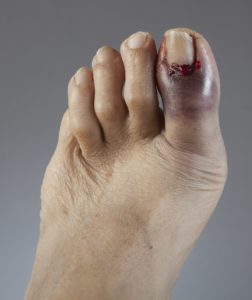
A broken, bloody toe on the man’s left foot due to injury.
A fractured hallux usually occurs as a result of the severe impact and usually has associated bruising, but there are times you don’t have much bruising at all.
If you think your toe is broken from running or repetitive stress, it is likely just a sore bruised toe or a stress fracture, not a broken toe.
Fractured big toes are generally more swollen, deformed, and bruised.
Guide for a fractured hallux vs. bruised hallux:
Feel for a deformity – if it is uneven, it is a broken toe.
Wiggling your toe- if no severe pain or rubbing/popping sound, may not be a break.
If your toe is extremely swollen (2x the size)- it may be broken.
Compare that toe to your other foot. If it looks shorter or bent – it may be broken.
Check your temperature- after a break, you are more likely to have the surrounding area inflamed.
How to know if you have a stubbed vs. broken big toe guide!
Concerns of a Bruised or Fractured Hallux
Pain: Instant if a fracture or gradual if a stress fracture from running.
Swelling and Stiffness occur very quickly. The toe will not look normal.
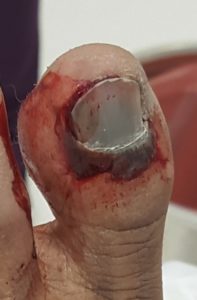
Blood under the nail is called a subungual hematoma which needs to be drained if swollen, or the nail could fall off and be abnormal for the rest of your life.
An open fracture with a tear in the skin is extremely prone to infection and will need to be treated with antibiotics at the emergency room.
***If the fracture is not properly reduced – you will have permanent arthritis.
It is better to play it safe and get it X-rayed if it looks really bad***
Often with fractures of the smaller toes, the patient is not aware that they have a fracture.
How to know if you have a stubbed vs. broken big toe guide!
When To Call a Podiatrist for a Fractured Hallux:
Play it safe, and get an X-ray right off the bat. It probably does not need surgery or the re-attachment of ligaments, but better to be safe than sorry. Most people will get arthritis and pain for the rest of their life if it is even slightly displaced.
If the pain is getting worse, especially after anti-inflammatory treatment and icing as described below.
When to go to the ER for a Fractured Hallux:
Toes turn white, blue, or gray-colored- *Arterial injury*
Numbness or tingling *nerve injury*
Play it safe, and get an X-ray right off the bat. It probably does not need surgery or the re-attachment of ligaments, but better to be safe than sorry.
How to know for sure:
The only way to know for sure is to go in for an X-ray because if the toe is not obviously deformed, then it is impossible to know for sure.
Some tricks may sway you one way or the other, but this is risky because *If the fracture is serious and not properly healed, you will have permanent arthritis*.
Fracture Hallux Treatment
RICE Treatment:
Ice: This is not just about pain! It will decrease the inflammation and decrease the time needed to heal. Put ice in a bag and apply it for 15-20 minutes every 2hours or so for the 1st day. Leave some cloth in between the ice and the skin.
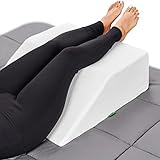
Elevation: Like above, it is more than about pain. Recline in a chair and elevate your foot while watching tv. The more, the better. Elevation can take days or weeks off your healing time.
Non-weight bearing: wearing a surgical shoe or using crutches increases the healing rate and potential. There are clinical trials that correlate a reduction in body weight to healing time and quality.
Pain medication: Ibuprofen or other anti-inflammatory medications are great at reducing inflammation. Again this is not just for the pain, but it decreases the swelling and increases the healing speed. Check the recommended dose for your drug of choice.
Combine icing, elevation, non-weight bearing, and pain medication gives you the best chance at healing as quickly as possible.
Fractured Hallux Buddy Tape Treatment:
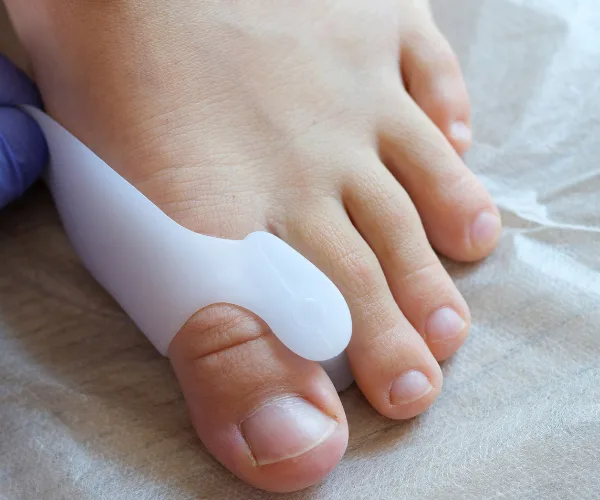
If it is a small toe, it is possible to tape the toes together with a piece of cotton in between to keep them from bending as much.
Play it safe, and get an X-ray right off the bat. It probably does not need surgery or the re-attachment of ligaments, but better to be safe than sorry.
What a podiatrist can do for your fractured hallux:
Get an x-ray to check the severity of the broken or bruised big toe.
Reduction of the bone under anesthesia.
Surgical shoe, cast, or pneumatic compression boot to help prevent non-union or malunion.
Surgery if the bone is displaced to prevent arthritis or deformity.
Play it safe, and get an X-ray right off the bat. It probably does not need surgery or the re-attachment of ligaments, but better to be safe than sorry.
Traumatic Injury Treatment:
If you have a traumatic injury such as a severe bruise or broken bone, or even a ruptured tendon: consider protecting your foot!
The best way to do this is, of course, to see your podiatrist and get evaluated with an x-ray and potential MRI or CT scan.
If you cannot do so, it may benefit you to be in a cast, fractured boot, or even keep the weight off of it with a rolling knee scooter or other protective devices.
We as podiatrists frequently take patients off work for a very long period of time when they suffer a traumatic injury.
Unfortunately, there is no other way around us in labor jobs.
If you have a sit-down job, there are ways to get people back to work quicker, but this can be impossible otherwise.
Why Michigan Patients Trust Us
Experienced in both non-surgical and surgical treatments
Crutches can be very difficult on the inside of the armpits. This can cause significant pain, especially considering how long it takes to heal the broken ankle.
These are favorite knee scooters and walking devices:
Best Fracture Boots & Covers
Best Tall Boot
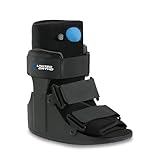
Best Short Boot
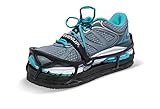
Best Fracture Boot Balance Device
Best Cast Shower Cover
Price:
$67.14
$33.99
Price not available
$15.99
Overview:
Excellent reviews at 4.6/5 with over 800+ Reviews:
Very good reviews. This is 4.3/5 ratings on over 3,000+ reviews.
Outstanding reviews: 4.3/5 for 1,000+ reviews! Prevents hip, knee and back pain.
Amazing Reviews at 4.6/5 at 500+ reviews. Best reviewed and cost effective bag.
Pros:
It has an air bladder for extra cushion. It is tall for extra support, as well as air bladder.
Excellent lower cost walking boot. With a orthotic and cushion, it really keeps pressure off of your ankle.
This works great to balance the opposite foot. This prevents the back, hip and knees from having any pain.
It is very effective but not perfect. The price is really good and it has excellent reviews.
Cons:
The inner sleeve can ride lower and the plastic around the rim can irritate the boot.
Less support with the less than full length boot. It is more comfortable but less supportive.
Does not work that great for slippers and less supportive shoes.
It can still leak, so be careful!
Crucial Tips:
Make sure your lift the cushioning material along the hard plastic rim. Make sure to keep it pumped up. Use an orthotic and a lift on the other side.
Use a lift for the other foot to prevent back and hip problems. Also use an orthotic for the flat foot bed.
This is very cost effective and well worth it. Just make sure both shoes have good supportive orthotics.
Just be careful with this is not perfect. It can still get wet underneath.
Affiliate Link (Buying through these links will connect you to Amazon):
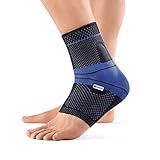
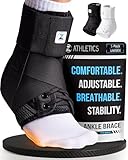
You should transition to a rigid ankle support brace after you are out of a cast or walking boot.
These are our favorite braces.
These stability braces are meant for when you immediately leave the immobilizing boot.
Best Ankle Stability Braces (Not for Compression):
The Best Overall Brace For Fit & Support.
Most Supportive Premium Brace.
Best Budge Supportive Brace.
Price:
$54.99
Price not available
$29.99
Overview:
Amazing brace, best fit and support combination: If you can afford it.
This is the best brace for pure support, but it can't fit in more snug shoes.
Outstanding brace for the price point. This is a figure 8 strap with laces, soft interface.
Pros:
Amazing brace. Best reviews and best fit. This is the Ferrari of braces if you can afford it.
This is a very highly rated, great reviewed brace. The support and stability is top notch for athletics. Very durable and does it's job.
Amazing reviews with proven track record. This is very soft and supportive in your shoe.
Cons:
The only downside besides cost, is complexity. This brace must be left or right. Not interchangeable. It is also for post-injury situations and good support. Not for compression!
The brace may be a little too big for a more snug shoe. This requires some room to fit and would be the main complaint. Hard interface along the padding.
The main downside is the durability and the ability for the material to give out. Great at first but maybe 3-4 months of continuous use prior to failure.
Important Tips:
Make sure to choose left vs. right. This is a high level brace mean specifically for injury support. This is not for compression or non-injury situations. It will be too tight.
This is a fantastic and supportive brace. Just make sure that your shoe will have some room for it to fit. Most good running shoes should let it fit.
This is an excellent starter brace if you have never had a brace before. It is a little longer to put with the straps and laces.
Affiliate Link (Buying through these links will connect you to Amazon):
Best Ankle Stability Braces (Not for Compression):
The Best Overall Brace For Fit & Support.
Price:
$54.99
Overview:
Amazing brace, best fit and support combination: If you can afford it.
Pros:
Amazing brace. Best reviews and best fit. This is the Ferrari of braces if you can afford it.
Cons:
The only downside besides cost, is complexity. This brace must be left or right. Not interchangeable. It is also for post-injury situations and good support. Not for compression!
Important Tips:
Make sure to choose left vs. right. This is a high level brace mean specifically for injury support. This is not for compression or non-injury situations. It will be too tight.
Affiliate Link (Buying through these links will connect you to Amazon):
Best Ankle Stability Braces (Not for Compression):
Most Supportive Premium Brace.
Price:
Price not available
Overview:
This is the best brace for pure support, but it can't fit in more snug shoes.
Pros:
This is a very highly rated, great reviewed brace. The support and stability is top notch for athletics. Very durable and does it's job.
Cons:
The brace may be a little too big for a more snug shoe. This requires some room to fit and would be the main complaint. Hard interface along the padding.
Important Tips:
This is a fantastic and supportive brace. Just make sure that your shoe will have some room for it to fit. Most good running shoes should let it fit.
Affiliate Link (Buying through these links will connect you to Amazon):
Best Ankle Stability Braces (Not for Compression):
Best Budge Supportive Brace.
Price:
$29.99
Overview:
Outstanding brace for the price point. This is a figure 8 strap with laces, soft interface.
Pros:
Amazing reviews with proven track record. This is very soft and supportive in your shoe.
Cons:
The main downside is the durability and the ability for the material to give out. Great at first but maybe 3-4 months of continuous use prior to failure.
Important Tips:
This is an excellent starter brace if you have never had a brace before. It is a little longer to put with the straps and laces.
Affiliate Link (Buying through these links will connect you to Amazon):
Physical therapy is definitely needed to optimize recovery.
The dangers of not having physical therapy following an ankle fracture are the lack of joint flexibility.
It is straightforward to start walking differently to take pressure off your ankle, but the problem is that you keep walking that way even after the fracture heals.
In our opinion, this is the number one reason for long-term problems. The joint contractures that develop can lead to knee, hip, and back issues that last a very long time.
People may then need further surgery for those issues.
Physical therapy can usually last for 3-4 weeks, depending on injury coverage and severity of the fracture.
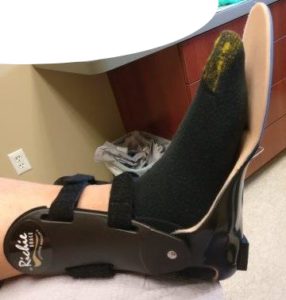
This patient is many months postoperative from a severe ankle fracture. We did fit them with a custom ankle brace and orthotic combined into one to allow for pain-free walking and mobility.
What If I Have Pain 6+ Months Later?
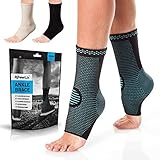
These are compression braces that should help you long-term.
These are meant more for compression and fit rather than absolute stability:
Best Heel & Ankle Compression Braces:
Best Premium Brace (Support & Compression)
Budget Brace With Some Compression & Some Support.
Price:
Price not available
Price not available
Overview:
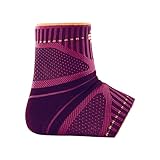
This is The Top Level Brace - Does Compression, Support & Great Fit.
This brace attempts mild compression and mild support.
Pros:
Excellent brace: Best overall mix of compression & support, and it still fits in most shoes! If you have a chronic injury and need to wear normal shoes => This is the BEST CHOICE.
Good rating at 4.3 with 2,000 reviews. It is cost effective and gives some support with some compression. Does both ok, but excellent when price is factored in.
Cons:
Expensive. It doesn't do any single thing the best. There are cheaper and more supportive braces, there are cheaper and more compressive braces. But no braces combine the two and still fit in a shoe.
Does not really do anything well. Weak support and not the best compression. Meant as an assist for chronic pain and low activity. Not for an acute injury.
Important Tips:
This is a high durability brace for everyday use. If you have chronic arthritis or pain with a high need for activity, this is your brace to use! **Gel inside seems to deteriorate after daily washing at about 1 year old**
This is mean for lower activity and better fit than a true supportive brace. Don't use this for an acute sprain or injury.
Affiliate Link (Buying through these links will connect you to Amazon):
This is The Top Level Brace - Does Compression, Support & Great Fit.
Pros:
Excellent brace: Best overall mix of compression & support, and it still fits in most shoes! If you have a chronic injury and need to wear normal shoes => This is the BEST CHOICE.
Cons:
Expensive. It doesn't do any single thing the best. There are cheaper and more supportive braces, there are cheaper and more compressive braces. But no braces combine the two and still fit in a shoe.
Important Tips:
This is a high durability brace for everyday use. If you have chronic arthritis or pain with a high need for activity, this is your brace to use! **Gel inside seems to deteriorate after daily washing at about 1 year old**
Affiliate Link (Buying through these links will connect you to Amazon):
Budget Brace With Some Compression & Some Support.
Price:
Price not available
Overview:
This brace attempts mild compression and mild support.
Pros:
Good rating at 4.3 with 2,000 reviews. It is cost effective and gives some support with some compression. Does both ok, but excellent when price is factored in.
Cons:
Does not really do anything well. Weak support and not the best compression. Meant as an assist for chronic pain and low activity. Not for an acute injury.
Important Tips:
This is mean for lower activity and better fit than a true supportive brace. Don't use this for an acute sprain or injury.
Affiliate Link (Buying through these links will connect you to Amazon):
Studies have shown that pain relief can last 2x as long.
This is safer than long-term NSAIDs or other pills.
Best Foot & Ankle Muscle/Ligament Pain Relief Products
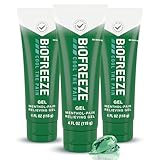
Best & Proven Pain Relieving Gel.
Roll On Version of Biofreeze Gel.
A giant container of value size biofreeze.
Menthol Based Ointment with Hemp Extract
Price:
Price not available
Price not available
Price not available
$19.99
Overview:
The Proven and Scientifically Published Menthol Based Gel
Same as biofreeze gel, but the roll-on is prefered by some people for their feet, less messy.
8.1 lbs(3.67 kg) of Value Sized Biofreeze!
This is an alternative cream: Basically Biofreeze + hemp extract.
Pros:
Scientifically proven to loosen up and relief pain up to 2x longer than Ice. Less effort than ice and great reviews. 900+ 5 star reviews on Amazon.
The roll-on application of this biofreeze can be easier to apply. Less overall mess.
If you know you already love it and trust the reviews. This is a great value that lasts a long time.
It has great reviews, loved by the all natural crowd. 100s of 5 star reviews with a near perfect rating.
Cons:
Don't put this on open sores or mucous membranes, it will burn! It can run out quick and doesn't prevent pain, just helps it.
Not as easy to spread in other areas, main difference is the roll on applicator, same solution.
A gigantic bottle that could fall over and injure you! Seriously this could be too big in some situations.
Basically looks like menthol(active Biofreeze ingredient), but with hemp extract SKYROCKETING the price.
Important Tips:
Menthol is the active ingredient in this and other hemp based creams. It works similar to ice, but once you apply it you can just move on rather than waiting 20 minutes. **Works great to get your through the night if you have pain sleeping**
Roll-on method is best for the bottom of the feet. No other real advantage. Most patients like it prior to bed for easy sleeping without foot pain.
If you know you love it, this stuff works all over the sore areas in your body not just your foot. I have had many people get me to order this for them in the past and LOVED IT!
The hemp extract is almost nothing and likely a marketing gimmick. It's basically Biofreeze with some hemp extract raising the price.
Affiliate Link (Buying through these links will connect you to Amazon):
Best Foot & Ankle Muscle/Ligament Pain Relief Products
Best & Proven Pain Relieving Gel.
Price:
Price not available
Overview:
The Proven and Scientifically Published Menthol Based Gel
Pros:
Scientifically proven to loosen up and relief pain up to 2x longer than Ice. Less effort than ice and great reviews. 900+ 5 star reviews on Amazon.
Cons:
Don't put this on open sores or mucous membranes, it will burn! It can run out quick and doesn't prevent pain, just helps it.
Important Tips:
Menthol is the active ingredient in this and other hemp based creams. It works similar to ice, but once you apply it you can just move on rather than waiting 20 minutes. **Works great to get your through the night if you have pain sleeping**
Affiliate Link (Buying through these links will connect you to Amazon):
Best Foot & Ankle Muscle/Ligament Pain Relief Products
A giant container of value size biofreeze.
Price:
Price not available
Overview:
8.1 lbs(3.67 kg) of Value Sized Biofreeze!
Pros:
If you know you already love it and trust the reviews. This is a great value that lasts a long time.
Cons:
A gigantic bottle that could fall over and injure you! Seriously this could be too big in some situations.
Important Tips:
If you know you love it, this stuff works all over the sore areas in your body not just your foot. I have had many people get me to order this for them in the past and LOVED IT!
Affiliate Link (Buying through these links will connect you to Amazon):
A fractured hallux is a break in the big toe bone. Because the big toe plays a major role in balance and walking, even a small fracture can cause significant pain and difficulty bearing weight.
Common symptoms include swelling, bruising, throbbing pain, stiffness, and difficulty walking. Some patients in Howell and Bloomfield Hills also notice tenderness when touching or moving the toe.
Yes. At Balance Foot & Ankle Specialist, we use proper imaging to confirm the fracture, assess alignment, and determine whether conservative care or surgical treatment is needed.
Treatment may include immobilization, a walking boot, taping, activity modification, or in more severe cases, surgery. Our Michigan podiatrists create a personalized treatment plan to promote proper healing and prevent long-term complications.
Most big toe fractures heal in about 4–8 weeks, depending on the severity. Early diagnosis and expert care at Balance Foot & Ankle Specialist help ensure safe recovery and a faster return to normal activities.
Don’t Let a Fractured Hallux Disrupt Your Daily Life
A broken big toe can lead to long-term pain, stiffness, and walking problems if left untreated. Our foot specialists in Howell and Bloomfield Hills provide accurate diagnosis and personalized care to help you heal safely and comfortably.
Frequently Asked Questions About Big Toe Fractures
How do I know if my big toe is fractured or just bruised?
A fractured hallux (big toe) typically causes significant swelling, bruising that extends beyond the toe, pain that worsens with weight-bearing, and difficulty bending the toe. A bruise usually improves within a few days, while fracture pain persists or worsens. The only definitive way to distinguish between the two is with an X-ray from a podiatrist, which is recommended if pain lasts more than 2–3 days.
Can you walk on a fractured big toe?
It depends on the fracture type and location. Minor, non-displaced fractures of the big toe may allow limited walking in a stiff-soled surgical shoe or walking boot. However, walking on a displaced or intra-articular (joint-involved) fracture can worsen the injury and lead to chronic problems like arthritis. A podiatrist will determine the fracture type and advise on safe weight-bearing activity.
How long does a fractured big toe take to heal?
Most big toe fractures heal in 4 to 6 weeks with proper immobilization. Simple, non-displaced fractures heal faster, while displaced fractures or those involving the joint may take 6 to 8 weeks or longer. Sesamoid fractures (the small bones beneath the big toe joint) can take 8 to 12 weeks. Your podiatrist will monitor healing with follow-up X-rays before clearing you for full activity.
Does a fractured big toe need a cast or surgery?
Most big toe fractures do not require a cast or surgery. Treatment typically involves buddy taping, a stiff-soled shoe or walking boot, ice, elevation, and gradual return to activity. Surgery is needed for significantly displaced fractures, fractures through the joint surface, or open fractures. Custom orthotics may be recommended during recovery to protect the toe and support proper healing alignment.
Can a broken big toe cause long-term problems?
If properly treated, most big toe fractures heal without long-term issues. However, fractures involving the joint (intra-articular fractures) can lead to hallux rigidus — stiffness and arthritis of the big toe joint — even with appropriate treatment. Untreated or poorly aligned fractures may cause chronic pain, gait changes, and difficulty wearing shoes. Early evaluation by a podiatrist minimizes these risks.
In-Office Treatment at Balance Foot & Ankle
For suspected toe fractures, our clinic provides same-day digital X-rays for immediate diagnosis, proper buddy taping and splinting protocols, walking boot fitting for big toe (hallux) fractures, fracture reduction for displaced breaks, and follow-up imaging to confirm healing. Big toe fractures require more aggressive treatment than lesser toe fractures due to the hallux’s critical role in push-off and balance. Dr. Tom evaluates fracture location, displacement, and joint involvement to determine whether conservative or surgical management is needed.
PowerStep Pinnacle Orthotic Insoles — The OTC orthotic I recommend most in our clinic. Provides rigid support during fracture recovery to limit excess motion through the healing toe. Not ideal for: acute phase (use walking boot first).
Doctor Hoy’s Natural Pain Relief Gel — Natural topical pain relief I use in our clinic. Apply around the injured toe 3-4x daily for pain and swelling relief. Not ideal for: open wounds or broken skin.
Affiliate disclosure: We may earn a commission on products purchased through our links, at no extra cost to you. All recommendations are based on clinical experience.
Dr. Tom Biernacki, DPM is a board-qualified podiatrist and foot & ankle surgeon serving Southeast Michigan at Balance Foot & Ankle Specialists. A Michigan native, Dr. Biernacki earned his undergraduate degree from Michigan State University and his Doctor of Podiatric Medicine (DPM) from Kent State University College of Podiatric Medicine. He completed a three-year comprehensive surgical residency in foot and ankle surgery in the Detroit metro area.
Dr. Biernacki specializes in the treatment of heel pain, bunions, hammertoes, diabetic foot care, sports injuries, flatfoot correction, and minimally invasive foot surgery. He is dedicated to providing evidence-based, patient-centered care that helps people of all ages stay active and pain-free.
He sees patients at multiple convenient Metro Detroit locations and is committed to community education through the MichiganFootDoctors.com resource library. Dr. Biernacki is a member of the American Podiatric Medical Association (APMA) and the Michigan Podiatric Medical Association (MPMA).