
Medically reviewed by Dr. Tom Biernacki, DPM
Board-certified podiatric surgeon | Balance Foot & Ankle, Howell & Bloomfield Township, MI
Last reviewed: May 2026

| Feature | Achilles Tendinitis (Acute) | Achilles Tendinosis (Chronic) |
|---|---|---|
| Pathology | Acute inflammation — prostaglandins, edema | Collagen degeneration — no significant inflammation |
| Duration | Days to weeks (acute phase) | Months to years (chronic) |
| Tendon appearance | Diffuse swelling, warm, erythematous | Firm, fusiform thickening; no warmth |
| Pain pattern | Acute, activity-related; improves with rest | Chronic morning stiffness; activity-related; slow to warm up |
| Ultrasound | Increased fluid/edema; normal fiber structure | Thickening, hypoechoic foci, neovascularization, fiber disruption |
| NSAIDs effectiveness | High (inflammation present) | Low (no inflammation to suppress) |
| Corticosteroid injection | Sometimes used (with caution) | Contraindicated — increases rupture risk |
| Primary treatment | Rest, ice, NSAIDs, load management | Eccentric exercise (Alfredson protocol), ESWT, PRP |
| Treatment | Tendinitis | Tendinosis | Evidence Level | Timeline |
|---|---|---|---|---|
| Eccentric heel drops (Alfredson) | ✓ (transition to rehab) | ✓✓✓ (gold standard) | High (multiple RCTs) | 12 weeks minimum |
| Heavy slow resistance training | ✓ | ✓✓✓ | High | 12 weeks |
| NSAIDs (ibuprofen) | ✓✓ (acute) | ✗ (no effect on tendinosis) | High for tendinitis; Low for tendinosis | 1–2 weeks only |
| ESWT (shockwave therapy) | ✓ (adjunct) | ✓✓✓ (refractory cases) | High | 3–5 sessions |
| PRP injection | ✓ (adjunct) | ✓✓ (refractory) | Moderate-High | 1–2 injections |
| Corticosteroid injection | ✓ (peritendinous only) | ❌ Contraindicated | Moderate (short-term only) | Max 1–2 peritendinous |
| Custom orthotics | ✓ | ✓✓ | Moderate | Ongoing |
| Surgery (debridement) | Rarely needed | If >6 months conservative failure | Moderate | 6+ months post-op recovery |
Medically Reviewed | Dr. Tom Biernacki, DPM | Board-Certified Podiatrist | Balance Foot & Ankle, Michigan
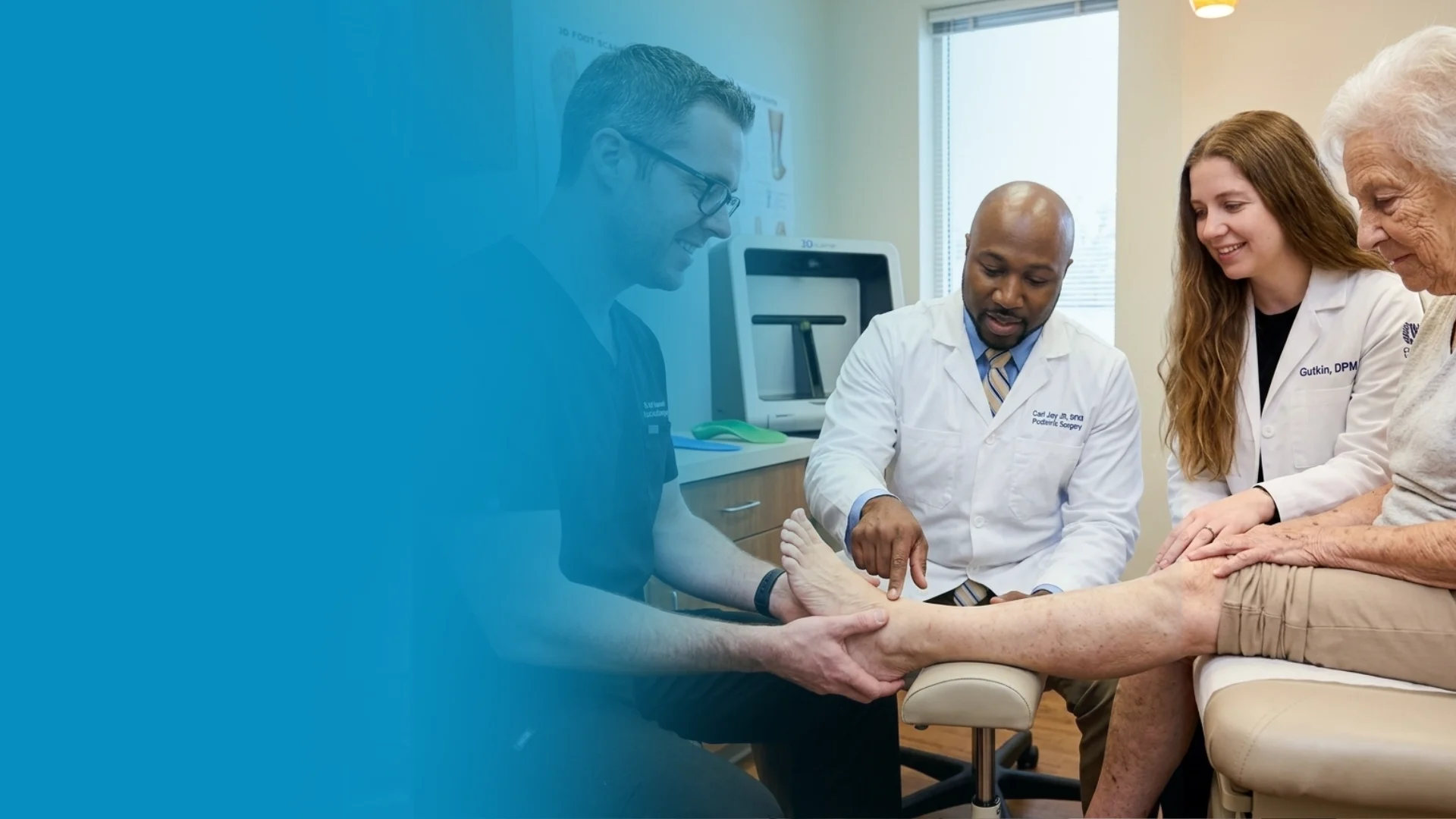
Watch: Achilles Tendonitis & Back of Heel Pain [BEST Home Treatments 2024!] — MichiganFootDoctors YouTube
The most important clinical decision with Achilles Tendinosis Vs Tendinitis isn’t which treatment to start with — it’s identifying the correct subtype. That changes everything. Book online or call (810) 206-1402.
Achilles Tendinosis Vs Tendinitis: Quick Answer
Achilles tendinitis and tendinosis are often confused – but they require very different treatments. Tendinitis responds to anti-inflammatories; tendinosis does not. We see hundreds of these annually at Balance Foot and Ankle. Here is exactly how to tell them apart and why the distinction matters.
The Critical Difference
Tendinitis (acute): INFLAMMATION of the tendon – inflammatory cells, swelling, redness, warmth. Responds to RICE, NSAIDs, time. Tendinosis (chronic): DEGENERATION of the tendon without inflammation – microscopic collagen breakdown, neovascularization, NO inflammatory cells. Does NOT respond to NSAIDs or rest alone. Treatment must match diagnosis – mismatching causes treatment failure and chronic problems.
Tendinitis Symptoms (Acute)
Sudden onset, often after specific event (sudden mileage increase, new activity). Pain, swelling, warmth, redness over the affected area. Pain often improves with rest and ice. Responds well to NSAIDs. Duration: 2-6 weeks. Patient is usually a runner or athlete who can identify a specific trigger event. Imaging: Tendon may appear thickened with fluid around it.
Tendinosis Symptoms (Chronic)
Gradual onset over months to years. Achy, dull pain rather than sharp inflammatory pain. Less swelling, warmth than tendinitis (no inflammation). Stiffness in the morning and after rest. Pain may persist despite rest and NSAIDs. Tendon may be visibly thickened and palpably nodular. Duration: 6+ months chronic. Imaging: tendon thickening, intratendinous degeneration, neovascularization on Doppler.
Why the Distinction Matters for Treatment
Tendinitis treatment: Rest, ice, NSAIDs, gradual return to activity. Inflammation resolves; tendon heals normally. Recovery 2-6 weeks. Tendinosis treatment: Eccentric loading exercises (Alfredson protocol), shockwave therapy, PRP injections. Anti-inflammatory medications do NOT help and may even slow tendon healing in tendinosis. Recovery 12-24+ weeks.
How Tendinitis Becomes Tendinosis
Untreated or improperly treated tendinitis can progress to tendinosis: Continued running through tendinitis pain disrupts collagen architecture. Repeated cortisone injections weaken tendon and accelerate degeneration. Inadequate rest prevents proper healing. Overuse without recovery time. Aging: tendons naturally degenerate after age 30. 50% of chronic Achilles tendinopathies are tendinosis, not tendinitis.
Diagnostic Imaging
Diagnostic ultrasound: Best initial test – shows tendon thickness, fluid collection (tendinitis), intratendinous degeneration (tendinosis), neovascularization. MRI: Gold standard – distinguishes tendinitis from tendinosis with high accuracy; detects tears. X-ray: Useful only for ruling out fracture or insertional bone spur. In-office diagnostic ultrasound available at Balance Foot and Ankle.
Eccentric Heel Drops (Alfredson Protocol) – For Tendinosis
The gold standard for Achilles tendinosis treatment: 3 sets of 15 reps eccentric heel drops twice daily for 12 weeks. Both straight-leg (gastrocnemius) and bent-leg (soleus) versions. Mechanism: Eccentric loading stimulates collagen reorganization and tendon healing. Cure rate: 70-80% in chronic Achilles tendinosis. NOT for insertional Achilles tendinosis – modified flat-surface version needed.
When Conservative Care Fails
Shockwave therapy (ESWT): 70-80% success for chronic Achilles tendinosis; 3-6 weekly sessions. Platelet-rich plasma (PRP) injections: Limited but growing evidence for tendinosis; $500-$1500 office procedure. Surgical debridement: Removal of degenerated tendon tissue; reserved for failed 12+ months conservative care; recovery 4-6 months. Tendon reconstruction for severe degenerative cases or partial rupture.
Avoid These Treatments for Tendinosis
1. NSAIDs alone: Do not address underlying degeneration; may slow tendon healing. Use only for acute pain control short-term. 2. Cortisone injections in Achilles area: Significant rupture risk; degeneration worsens. 3. Prolonged rest alone: Tendons need controlled loading to heal; complete rest deconditions and weakens tendon. 4. Continuing painful sport activity: Worsens tendinosis. 5. Standard stretching only: Does not stimulate healing.
Recovery Expectations
Tendinitis: Most cases resolve in 2-6 weeks with proper treatment. Return to full activity 4-8 weeks. Tendinosis: Eccentric protocol shows results in 6-12 weeks; full recovery 12-24 weeks. Severe tendinosis: May take 6-12 months to fully resolve; some chronic cases never completely resolve. Even after successful treatment, tendons remain at higher risk for re-injury – requires ongoing prevention. Schedule an Achilles evaluation at Balance Foot and Ankle.
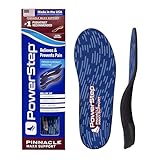
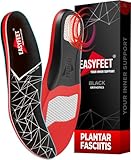
Podiatrist-Recommended Products


Frequently Asked Questions About Achilles Tendinosis Vs Tendinitis
Whats the difference between Achilles tendinitis and tendinosis?
Tendinitis: acute inflammation, responds to NSAIDs and rest, 2-6 week recovery. Tendinosis: chronic degeneration without inflammation, requires eccentric exercises and shockwave/PRP, 12-24 week recovery.
Why doesnt my Achilles tendinitis get better with rest?
You may have tendinosis (chronic degeneration) rather than acute tendinitis. Tendinosis requires active treatment (eccentric exercises, shockwave, PRP) – rest alone is insufficient.
Will NSAIDs help Achilles tendinosis?
No – tendinosis has no inflammation. NSAIDs may even slow tendon healing. Use only for short-term pain control. Eccentric exercises are the gold standard treatment.
Can I run with Achilles tendinosis?
Reduced running with eccentric exercise treatment is okay if pain is mild. Severe pain or rapidly worsening symptoms require complete rest and proper rehab.
What is the Alfredson protocol?
3 sets of 15 reps eccentric heel drops (lower heel below step level slowly) twice daily for 12 weeks. Both straight-leg and bent-leg versions. 70-80% cure rate for chronic Achilles tendinosis.
How long does Achilles tendinosis take to heal?
Mild cases: 8-12 weeks with eccentric protocol. Moderate: 12-24 weeks. Severe chronic: 6-12 months. Some patients have residual symptoms even after successful treatment.
Should I get a cortisone injection for chronic Achilles pain?
No – cortisone in Achilles area significantly increases rupture risk and worsens tendinosis. PRP and shockwave are safer effective alternatives.
Related Resources from Balance Foot & Ankle
- Achilles Tendinitis Treatment
- Achilles Stretch
- Insertional Achilles Tendinitis
- Achilles Rupture Recovery Time
Still Dealing With Achilles Tendinosis Vs Tendinitis?
Same-week appointments at Balance Foot & Ankle in Howell & Bloomfield Township, MI.
Book Your Appointment⚠️ Most Common Mistake: Ignoring persistent foot pain and continuing normal activity without evaluation. Early podiatric care prevents minor foot issues from becoming chronic, difficult-to-treat conditions.
Frequently Asked Questions
🏥 Recommended by Dr. Biernacki — Foundation Wellness Products
These are the same products Dr. Biernacki recommends to his patients at Balance Foot & Ankle in Michigan. Available through our trusted partners.
In-Office Treatment at Balance Foot & Ankle
If home treatment isn’t providing relief for your Achilles tendinitis, our podiatry team at Balance Foot & Ankle can help with same-day evaluations and advanced in-office care.
OrthoInfo – AAOS: Achilles Tendinitis
Ready to Get Relief?
Same-day appointments available in Howell & Bloomfield Township, MI
4.9★ | 1,123 Reviews | 3,000+ Surgeries
Or call: (810) 206-1402

Dr. Tom Biernacki, DPM is a board-certified foot & ankle surgeon (ABFAS & ABPM) at Balance Foot & Ankle Specialists in Southeast Michigan. With over a decade of clinical experience, he specializes in heel pain, bunions, diabetic foot care, sports injuries, and minimally invasive surgery. Dr. Biernacki is a member of the APMA and ACFAS, and his patient education content on MichiganFootDoctors.com and YouTube has made him one of the most-followed foot & ankle educators on YouTube.