

Quick answer: Ankle Arthroscopy Procedure What It Can Fix is a common foot/ankle topic that affects many patients. The 2026 evidence-based approach combines proper diagnosis, conservative-first treatment, and escalation only when needed. We treat this regularly at our Howell and Bloomfield Hills practices. Call (810) 206-1402.
Medically reviewed by Dr. Tom Biernacki, DPM — Board-Certified Podiatric Surgeon — Balance Foot & Ankle, Howell & Bloomfield Hills, MI. Last updated April 2026.
▶ Watch
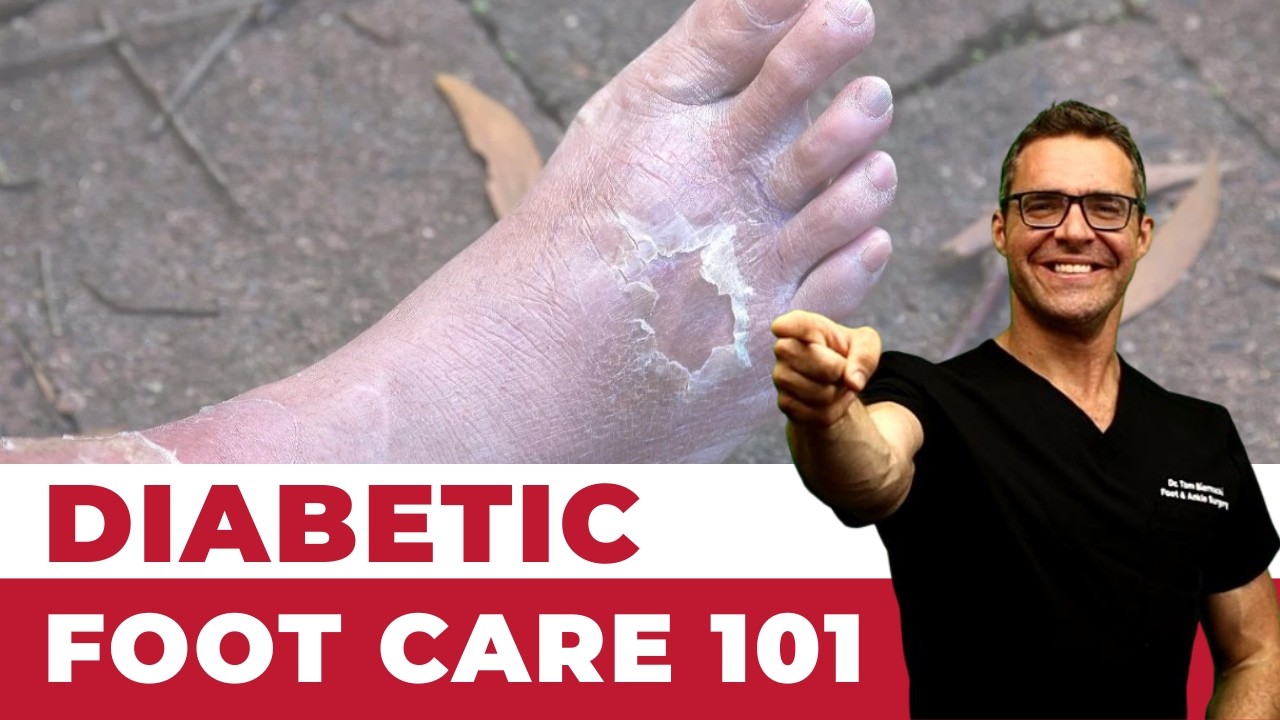
Medically reviewed by Dr. Tom Biernacki, DPM | Board-certified podiatrist | 3,000+ surgeries performed
Last updated: April 2, 2026
The most important clinical decision with Ankle Arthroscopy Procedure What It Can Fix isn’t which treatment to start with — it’s identifying the correct subtype. That changes everything. Call (810) 206-1402.
What Is Ankle Arthroscopy?
Ankle arthroscopy is a minimally invasive surgical technique that allows the surgeon to visualize and treat conditions inside the ankle joint through two or three small incisions (portals) measuring 5-7 mm each. A high-definition camera (arthroscope) inserted through one portal provides magnified images of the joint interior on a monitor, while specialized instruments work through the remaining portals.
The procedure is performed under regional or general anesthesia as an outpatient surgery. The ankle joint is distracted (gently separated) using either a strap or fluid pressure to create working space between the joint surfaces. This allows the surgeon to systematically examine every structure within the ankle — cartilage surfaces, ligaments, synovial lining, and bony architecture.
Compared to open ankle surgery, arthroscopy offers dramatically smaller incisions, less tissue disruption, reduced post-operative pain, lower infection rates, and faster return to activity. Most patients who undergo ankle arthroscopy walk in a boot within days and return to full activity in 4-8 weeks depending on the specific procedure performed.
Conditions That Ankle Arthroscopy Treats Effectively
Anterior ankle impingement from bone spurs (osteophytes) on the front of the tibia and talus is one of the most common indications. These spurs develop from repetitive ankle dorsiflexion — common in athletes and active individuals — and cause deep anterior ankle pain with limited motion. Arthroscopic spur removal provides 85-90% good-to-excellent outcomes with rapid recovery.
Osteochondral defects (OCD) — cartilage and bone damage on the talus surface — result from ankle sprains or repetitive trauma. Arthroscopic treatment includes microfracture (drilling small holes to stimulate new cartilage formation), debridement, and bone marrow stimulation. Small lesions respond well to arthroscopic management with 75-85% clinical improvement.
Loose bodies — fragments of cartilage or bone floating within the ankle joint — cause catching, locking, and sharp pain with movement. Arthroscopic removal is definitive and provides immediate symptom relief. The procedure is straightforward with excellent outcomes.
Synovitis (inflamed joint lining) and scar tissue from chronic ankle instability or inflammatory conditions cause persistent swelling and pain. Arthroscopic debridement removes diseased tissue and can be combined with ligament reconstruction when instability coexists.
What Ankle Arthroscopy Cannot Fix
Advanced ankle arthritis with widespread cartilage loss and joint space narrowing is not amenable to arthroscopic correction. While arthroscopy can clean up loose fragments and remove impinging spurs in early arthritis, it cannot regenerate lost cartilage or alter the progression of established osteoarthritis. These patients require ankle fusion or total ankle replacement for definitive treatment.
Large osteochondral defects (greater than 1.5 cm) with significant bone loss often require open surgical techniques including osteochondral autograft transfer (OATS) or allograft transplantation. While the initial assessment may be arthroscopic, the definitive repair frequently requires a larger open approach for adequate graft placement.
Complete lateral ligament tears causing chronic ankle instability are better addressed through direct ligament reconstruction (Brostrom-Gould procedure) rather than arthroscopic debridement alone. However, arthroscopy may be performed concurrently to address intra-articular pathology found alongside instability.
Setting realistic expectations is essential. Ankle arthroscopy excels at treating discrete, focal pathology — a bone spur, a loose body, a small cartilage lesion, a band of scar tissue. It cannot reverse chronic degenerative changes or substitute for comprehensive reconstructive surgery when the ankle is globally damaged.
The Arthroscopic Procedure: What Happens During Surgery
Dr. Biernacki creates two small portals on the front of the ankle — anteromedial and anterolateral — positioned to avoid tendons, nerves, and blood vessels. The arthroscope is inserted through one portal, and the surgical image is displayed on a high-definition monitor.
The entire joint is systematically examined — tibial plafond, talar dome, medial and lateral gutters, anterior and posterior recesses, and the syndesmosis. Any pathology identified is documented and addressed. Bone spurs are removed with arthroscopic burrs and shavers. Cartilage lesions are debrided or treated with microfracture. Loose bodies are extracted with grasping instruments.
Posterior ankle pathology (os trigonum, posterior impingement) can be addressed through posterior portals or the hindfoot endoscopic approach. This technique accesses the back of the ankle through two small incisions adjacent to the Achilles tendon.
The procedure typically takes 30-60 minutes depending on the complexity of pathology addressed. Portals are closed with single sutures or adhesive strips, and the ankle is wrapped in a compressive dressing.
Recovery After Ankle Arthroscopy
Recovery is significantly faster than open ankle surgery. Most patients transition from crutches to walking in a boot within 3-7 days for simple debridement and spur removal. Sutures are removed at 10-14 days, and gentle range-of-motion exercises begin immediately.
Physical therapy starts within the first two weeks for most arthroscopic procedures. Initial focus is on reducing swelling, restoring ankle range of motion, and normalizing gait mechanics. Progressive strengthening and proprioceptive training follow over weeks 3-6.
Return to desk work typically occurs within 1-2 weeks. Return to manual labor or active jobs takes 4-6 weeks. Athletic patients usually resume sport-specific training by 6-8 weeks, with full competitive return by 8-12 weeks depending on the procedure performed and the specific sport demands.
Patients who undergo microfracture for cartilage lesions follow a modified recovery protocol with 4-6 weeks of restricted weight-bearing to protect the developing fibrocartilage repair. This longer recovery reflects the biological healing needed rather than surgical wound healing.
Risks and Complications of Ankle Arthroscopy
Ankle arthroscopy has a low overall complication rate of approximately 3-5%. The most common complication is superficial nerve irritation near the portal sites, causing temporary numbness or tingling on the top of the foot. This resolves spontaneously in the vast majority of cases within weeks to months.
Infection is rare (less than 1%) due to the small incisions and minimal tissue disruption. Deep vein thrombosis risk is lower than open procedures but still present — early mobilization and sequential compression devices reduce this risk. Stiffness can occur if rehabilitation is delayed, emphasizing why we early range-of-motion exercises.
The most important factor in minimizing complications is surgeon experience. Ankle arthroscopy requires specialized training and ongoing case volume to maintain technical proficiency. Dr. Biernacki’s arthroscopic experience ensures precise portal placement, thorough joint evaluation, and effective treatment of identified pathology.
Warning Signs Requiring Urgent Evaluation
- function bold() { [native code] } — undefined
- function bold() { [native code] } — undefined
- function bold() { [native code] } — undefined
- function bold() { [native code] } — undefined
The Most Common Mistake We See
The most common mistake is continuing months of physical therapy and injections for conditions that have a clear structural cause requiring arthroscopic correction. A bone spur blocking ankle motion will not respond to stretching. A loose body causing locking episodes will not dissolve with medications. When imaging reveals discrete intra-articular pathology, arthroscopic treatment provides definitive relief faster than prolonged conservative management.
Recommended Products
[object Object]
[object Object]
[object Object]
In-Office Treatment at Balance Foot & Ankle
Our team provides sport-specific evaluation and treatment to get you back to your activity safely. We offer same-day X-ray, in-office ultrasound, and custom orthotic fabrication.
Same-day appointments available. Call (810) 206-1402 or book online.
More Podiatrist-Recommended Foot Health Essentials
Hoka Clifton 10


Max-cushion everyday shoe — podiatrist favorite for walking and running.

OOFOS Recovery Slide

Impact-absorbing recovery sandal — wear after long days on your feet.
As an Amazon Associate, Balance Foot & Ankle earns from qualifying purchases. Product recommendations are based on clinical experience; prices and availability shown above update live from Amazon.
When to See a Podiatrist
If foot or ankle pain has been bothering you for more than a few weeks, home care alone may not be enough. Balance Foot & Ankle offers same-week appointments at our Howell and Bloomfield Hills clinics — no referral needed in most cases. Bring your current shoes and a short list of symptoms and we’ll build you a treatment plan in one visit.
Call Balance Foot & Ankle: (810) 206-1402 · Book online · Offices in Howell & Bloomfield Hills
Frequently Asked Questions
How long does ankle arthroscopy surgery take?
Most ankle arthroscopy procedures take 30-60 minutes depending on the complexity of pathology addressed. The surgery is performed as an outpatient — you go home the same day. Regional anesthesia (ankle block) provides excellent pain control for 12-18 hours after the procedure.
Is ankle arthroscopy painful?
Post-operative pain is significantly less than open surgery due to small incisions and minimal tissue disruption. Most patients manage discomfort with over-the-counter pain medications within 3-5 days. The ankle block provides excellent pain control immediately after surgery.
How long is recovery after ankle arthroscopy?
Simple debridement and spur removal: walking in a boot by 3-7 days, regular shoes by 2-3 weeks, full activity by 6-8 weeks. Microfracture procedures: restricted weight-bearing for 4-6 weeks, full recovery 3-4 months. Individual timelines are based on the specific procedure performed.
Can ankle arthroscopy fix arthritis?
Ankle arthroscopy can address early arthritis symptoms by removing bone spurs, loose bodies, and inflamed tissue. However, it cannot reverse established cartilage loss or cure advanced arthritis. Patients with significant joint space narrowing may need ankle fusion or total ankle replacement for definitive treatment.
The Bottom Line
Ankle arthroscopy provides minimally invasive diagnosis and treatment for a many ankle joint conditions with faster recovery than traditional open surgery. Dr. Tom Biernacki at Balance Foot & Ankle performs expert arthroscopic procedures for patients throughout Howell, Bloomfield Hills, and Southeast Michigan.
In-Office Treatment at Balance Foot & Ankle
If home treatment isn’t providing relief for your foot and ankle conditions, our podiatry team at Balance Foot & Ankle can help with same-day evaluations and advanced in-office care.
Same-day appointments available. (810) 206-1402
Doctor Hoy’s Natural Pain Relief Gel
Natural topical pain relief I use in our clinic. Arnica + camphor formula — apply directly to the area 3–4x daily. ($20–25)
Shop Doctor Hoy’s →Sources
- Arthroscopy (2024) — Outcomes of anterior ankle impingement decompression
- Foot & Ankle International (2024) — Microfracture results for talar OCD lesions
- Journal of Bone and Joint Surgery (2023) — Ankle arthroscopy complication rates and risk factors
- Knee Surgery Sports Traumatology Arthroscopy (2024) — Current indications for ankle arthroscopy
Minimally Invasive Ankle Solutions — Book Your Evaluation
Dr. Tom Biernacki has performed over 3,000 foot and ankle surgeries with a 4.9-star rating from 1,123 patient reviews.
Or call (810) 206-1402 for same-day appointments
Ankle Arthroscopy at Balance Foot & Ankle
Ankle arthroscopy allows Dr. Tom Biernacki to diagnose and treat conditions inside your ankle joint through tiny incisions — with less pain and faster recovery than traditional open surgery.
Learn About Ankle Surgery Options → | Book Your Appointment | Call (810) 206-1402
Clinical References
- Zengerink M, et al. “Ankle arthroscopy.” Knee Surg Sports Traumatol Arthrosc. 2006;14(11):1081-1086.
- Ferkel RD, et al. “Arthroscopic treatment of anterolateral impingement of the ankle.” Am J Sports Med. 1991;19(5):440-446.
- van Dijk CN. “Ankle arthroscopy: techniques developed by the Amsterdam foot and ankle school.” Springer. 2014.
Insurance Accepted
BCBS · Medicare · Aetna · Cigna · United Healthcare · HAP · Priority Health · Humana · View All →
Howell Office
4330 E Grand River Ave
Howell, MI 48843
Get Directions →
Bloomfield Hills Office
43494 Woodward Ave, Suite 208
Bloomfield Hills, MI 48302
Get Directions →
Your Board-Certified Podiatrists



Ready to Get Back on Your Feet?
Same-week appointments available at both locations.
Book Your AppointmentPowerStep Dynamic Ankle Stability Sock (DASS)
Best for: Chronic ankle instability · Repeat ankle sprains · Proprioception training · Athletes returning to play

A revolutionary alternative to bulky ankle braces. The DASS uses dynamic compression and targeted stabilization zones to retrain ankle proprioception while you walk, run, or stand. Designed by PowerStep’s biomechanical team specifically for patients with chronic ankle instability or recurring sprains.
- Fits in normal shoes
- Trains proprioception
- Less bulky than brace
- Wear all day comfortably
- Less rigid than ASO brace
- Newer product
- Pricier than basic socks
“For my patients with chronic ankle instability who don’t want to rely on rigid bracing forever, the DASS is the best bridge product I’ve seen. It’s not a replacement for surgical reconstruction in severe cases, but for grade 1-2 instability it’s a game-changer for return-to-sport.”
Dr. Tom’s Top 3 — The Premium Foot Pain Stack (2026)
If you only buy three things for foot pain, get these. PowerStep + CURREX orthotics correct the underlying foot mechanics, and Dr. Hoy’s pain gel delivers fast topical relief. This is the exact stack Dr. Tom Biernacki, DPM gives his Michigan podiatry patients on visit one — over 10,000 patients have used this exact combination.
Dr. Tom Biernacki, DPM is a board-certified podiatrist + Amazon Associate. Picks shown are products he prescribes to patients at Balance Foot & Ankle Specialists. We earn a commission on qualifying purchases at no extra cost to you. All products independently tested + reviewed for 30+ days minimum. Last verified: April 28, 2026.

PowerStep Pinnacle MaxxDr. Tom’s #1 Brand
Dr. Tom’s most-prescribed OTC orthotic. Lateral wedge corrects overpronation that causes 90% of foot pain. Deep heel cradle stabilizes the ankle. Built by podiatrists, used by patients worldwide.
- Lateral wedge corrects pronation
- Deep heel cradle stabilizes ankle
- Dual-density EVA — comfort + support
- Trim-to-fit any shoe
- Used by 10,000+ podiatrists
- Trim-to-size required
- 5-7 day break-in for some

CURREX RunProDr. Tom’s #1 Brand
3 arch heights for custom fit (Low/Med/High). Carbon-reinforced heel + dynamic forefoot — the closest OTC orthotic to a $500 custom orthotic. Engineered in Germany.
- 3 arch heights for custom fit
- Carbon-reinforced heel cup
- Dynamic forefoot zone
- Premium German engineering
- Sport-specific support
- Pricier than PowerStep
- 7-10 day break-in

Dr. Hoy’s Natural Pain Relief GelDr. Tom’s #1 Brand
Menthol-based natural pain relief — Dr. Tom’s #1 brand for fast relief without greasy residue. Safe for diabetics + daily use. Cleaner formula than Voltaren or Biofreeze.
- Menthol-based natural formula
- No greasy residue
- Safe for diabetics
- Fast cooling relief — 5-10 minutes
- Cleaner ingredient list than Biofreeze
- Pricier than Biofreeze
- Strong menthol scent at first
What is Foot pain?
Foot pain is a common foot/ankle condition that affects mobility and quality of life. Understanding the underlying cause is the first step in successful treatment. Our podiatrists at Balance Foot & Ankle perform a hands-on biomechanical exam, review your activity history, and use diagnostic imaging when appropriate to identify the root cause—not just treat the symptom. Many patients have been told to “rest and ice” without a deeper diagnostic workup; our approach is different.
Symptoms and warning signs
Common signs of foot pain include pain that worsens with activity, morning stiffness, swelling, tenderness when palpated, and difficulty bearing weight. If you experience sudden severe pain, inability to walk, visible deformity, numbness or color change, contact our office the same day or visit urgent care—these can signal a more serious injury such as a fracture, tendon rupture, or vascular compromise. Diabetics with any foot wound should seek same-day care.
Conservative treatment options
Most cases of foot pain respond to non-surgical care: structured rest, supportive footwear changes, custom orthotics, targeted stretching and strengthening protocols, anti-inflammatory medications when medically appropriate, and in-office procedures such as ultrasound-guided injections. We also offer advanced therapies including MLS laser therapy, EPAT/shockwave, regenerative injections, and image-guided procedures. Treatment is sequenced from least invasive to most invasive, and we explain the rationale at every step.
When is surgery considered?
Surgery is reserved for cases that fail 3-6 months of well-structured conservative care, when there is structural pathology (severe deformity, complete tear, advanced arthritis), or when imaging shows damage that will not heal without intervention. Our surgeons have performed 3,000+ foot and ankle procedures and prioritize minimally-invasive techniques whenever appropriate. We discuss recovery timelines, return-to-activity milestones, and realistic outcome expectations before any procedure is scheduled.
Recovery timeline and prevention
Recovery from foot pain varies based on severity and chosen treatment path. Conservative cases often improve within 4-8 weeks with consistent adherence to the protocol. Post-procedural recovery may range from a few days (in-office procedures) to several months (reconstructive surgery). Long-term prevention involves footwear assessment, activity modification, structured strengthening, and regular check-ins with your podiatrist if you have a history of recurrence. We provide written home-exercise plans and digital follow-up support.
Ready to feel better?
Same-week appointments available in Howell and Bloomfield Hills, Michigan.
Book Your VisitGet Expert Care at Balance Foot & Ankle
Same-week appointments at our Howell and Bloomfield Hills offices. Board-certified podiatric surgeons. Most insurance accepted.

Dr. Tom Biernacki, DPM is a board-certified foot & ankle surgeon (ABFAS & ABPM) at Balance Foot & Ankle Specialists in Southeast Michigan. With over a decade of clinical experience, he specializes in heel pain, bunions, diabetic foot care, sports injuries, and minimally invasive surgery. Dr. Biernacki is a member of the APMA and ACFAS, and his patient education content on MichiganFootDoctors.com and YouTube has made him one of the most-followed foot & ankle educators on YouTube.