
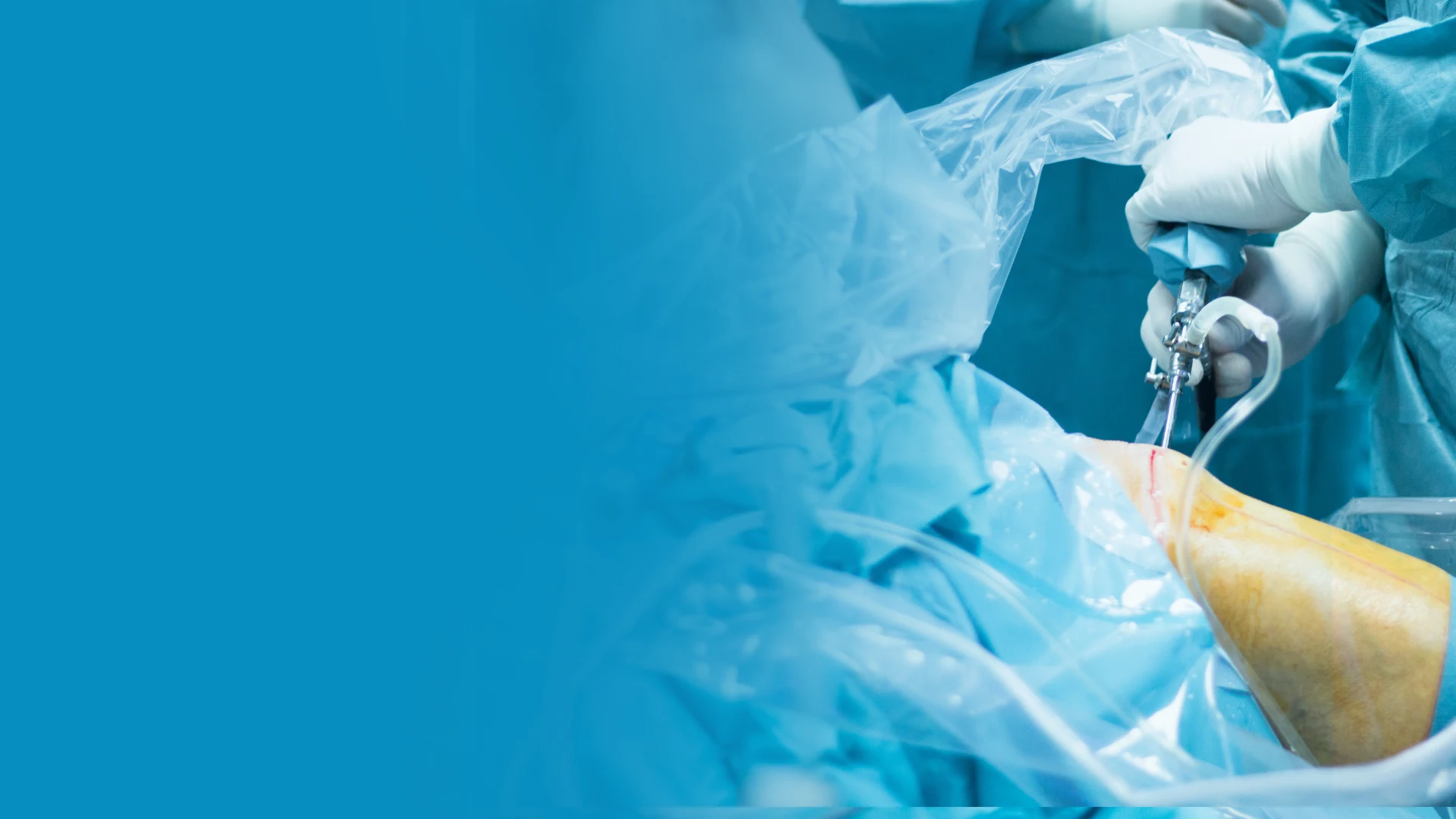
Quick answer: Treatment for ankle arthroscopy what treats how works recovery follows a stepwise approach: 1) conservative care first (rest, ice, supportive footwear, OTC anti-inflammatories), 2) physical therapy and targeted exercises, 3) in-office treatments (injections, custom orthotics) if conservative fails at 4-6 weeks, 4) surgery for refractory cases. Most patients resolve at step 1 or 2. Call (810) 206-1402.
Medically reviewed by Dr. Tom Biernacki, DPM — Board-Certified Podiatric Surgeon — Balance Foot & Ankle, Howell & Bloomfield Hills, MI. Last updated April 2026.
▶ Watch
Medically Reviewed by Dr. Tom Biernacki, DPM — Board-Certified Podiatrist, Balance Foot & Ankle Specialists, Michigan. Last updated April 2026.
Quick Answer
Ankle arthroscopy is a minimally invasive surgical technique that uses a small camera and specialized instruments inserted through tiny incisions to diagnose and treat conditions inside the ankle joint. Compared to open ankle surgery, arthroscopy offers less tissue damage, reduced pain, faster recovery, and smaller scars. Dr. Tom Biernacki at Balance Foot & Ankle performs ankle arthroscopy for impingement, loose bodies, cartilage damage, and other intra-articular pathology.
What Is Ankle Arthroscopy?
Ankle arthroscopy uses a fiber-optic camera approximately 4mm in diameter inserted through a small portal incision to visualize the inside of the ankle joint on a high-definition monitor. Additional portals allow insertion of specialized instruments for probing, shaving, drilling, or removing tissue under direct visualization.
The procedure is typically performed under regional anesthesia with sedation on an outpatient basis. The ankle is distracted using a noninvasive strap to create space between the tibia and talus for instrument access. The entire joint surface, including the talar dome, tibial plafond, and anterior and posterior gutters, can be systematically examined.
Arthroscopy provides both diagnostic and therapeutic capability. During the procedure, Dr. Biernacki can confirm the diagnosis, assess the extent of pathology that imaging may not fully characterize, and treat the condition in the same session.
Conditions Treated with Ankle Arthroscopy
Anterior ankle impingement—bone spurs and scar tissue at the front of the ankle that limit dorsiflexion and cause pain with squatting and stair climbing—is the most common indication. Arthroscopic debridement removes the impinging tissue through small incisions, restoring pain-free ankle motion.
Loose bodies—fragments of cartilage or bone floating within the ankle joint—cause intermittent catching, locking, and sharp pain. Arthroscopic removal eliminates these symptoms immediately and prevents further cartilage damage from the loose fragments grinding against joint surfaces.
Osteochondral lesions of the talus are evaluated and treated arthroscopically. Microfracture drilling stimulates fibrocartilage repair for smaller lesions, while larger or deeper lesions may require supplemental grafting procedures.
Posterior Ankle Arthroscopy
Posterior ankle arthroscopy accesses the back of the ankle through two small portals on either side of the Achilles tendon. This approach treats posterior impingement syndrome, os trigonum excision, and FHL tendon pathology that causes pain behind the ankle—particularly common in ballet dancers and soccer players.
Os trigonum—an accessory bone at the back of the talus—can become symptomatic when it is compressed during plantarflexion. Arthroscopic excision through posterior portals eliminates the impingement without the larger incision and longer recovery associated with open posterior ankle surgery.
The posterior approach has improved treatment of posterior ankle conditions. Recovery is significantly faster than traditional open surgery, with many patients walking in a boot within 1-2 weeks and returning to sport in 6-8 weeks.
What to Expect During and After Ankle Arthroscopy
The procedure takes 30-90 minutes depending on the complexity of the condition being treated. You arrive at the surgery center 1-2 hours before your scheduled time. After the procedure, you spend approximately 1 hour in recovery before being discharged home with a companion.
Post-operative care for the first 1-2 weeks includes elevation, ice, compression bandaging, and gentle ankle range of motion exercises. Most patients bear weight as tolerated in a post-operative shoe or walking boot immediately after surgery, though specific restrictions depend on the procedure performed.
Pain after ankle arthroscopy is typically mild to moderate and well-controlled with over-the-counter medications and ice. The small portal incisions heal quickly with minimal scarring. Most patients describe the recovery as significantly easier than they anticipated.
Recovery Timeline and Return to Activity
For simple arthroscopic procedures like loose body removal or anterior impingement debridement, recovery to normal daily activities takes 2-4 weeks. Return to running and sport typically occurs at 4-6 weeks. The rapid recovery is a major advantage over open ankle surgery.
Microfracture for osteochondral lesions requires a longer recovery—6-8 weeks of non-weight-bearing to protect the developing repair cartilage, followed by gradual progression to full activity over 4-6 months. The additional time is necessary for biological healing rather than surgical wound healing.
Physical therapy begins early after arthroscopy to restore ankle range of motion, strength, and proprioception. A structured rehabilitation program prevents scar tissue formation and accelerates return to pre-surgical function levels.
Risks and Limitations of Ankle Arthroscopy
Ankle arthroscopy is one of the safest orthopedic procedures, with an overall complication rate of approximately 3-5%. The most common complications are temporary numbness near the portal sites from superficial nerve irritation, which typically resolves within weeks to months.
Infection risk is less than 1%, significantly lower than open ankle surgery due to the smaller incisions and reduced tissue dissection. Deep vein thrombosis risk is minimal but may warrant prophylactic measures in higher-risk patients.
Arthroscopy cannot treat all ankle conditions. Severe arthritis with bone-on-bone contact throughout the joint, large unstable osteochondral lesions, and complex fracture malunions typically require open surgical approaches or ankle replacement rather than arthroscopic treatment.
⚠️ Red Flags: When to See a Podiatrist Immediately
- Persistent catching or locking sensation in the ankle joint
- Front-of-ankle pain that limits squatting, stair climbing, or dorsiflexion
- Chronic ankle pain after a sprain that has not improved with conservative treatment
- Sharp intermittent pain suggesting loose bodies within the ankle joint
The Most Common Mistake
The most common mistake is accepting chronic ankle pain as permanent damage from an old sprain. Many patients suffer for years with treatable conditions like anterior impingement, loose bodies, or osteochondral lesions that respond well to arthroscopic treatment. If ankle pain persists more than 3-6 months despite conservative care, arthroscopic evaluation should be considered.
Products We Recommend
As part of the Foundation Wellness family, Balance Foot & Ankle recommends these evidence-based products:
PowerStep Pinnacle Insoles
Best for: Post-arthroscopy arch support and ankle stability in everyday shoes during recovery and long-term
Not ideal for: Not for the first 1-2 weeks while in the post-operative shoe or boot
Doctor Hoy’s Natural Pain Relief Gel
Best for: Topical relief for residual ankle soreness during the rehabilitation phase after portal sites have healed
Not ideal for: Never apply to open portal incisions or before sutures are removed
CURREX SupportSTP Insoles
Best for: Dynamic arch support for athletes returning to sport after ankle arthroscopy
Not ideal for: Not for use during the protected recovery period
Your Next Step: Expert Treatment
If you are experiencing symptoms discussed in this guide, the specialists at Balance Foot & Ankle can help. View our full range of treatments or book your appointment today.
More Podiatrist-Recommended Foot Health Essentials
Hoka Clifton 10


Max-cushion everyday shoe — podiatrist favorite for walking and running.

OOFOS Recovery Slide

Impact-absorbing recovery sandal — wear after long days on your feet.
As an Amazon Associate, Balance Foot & Ankle earns from qualifying purchases. Product recommendations are based on clinical experience; prices and availability shown above update live from Amazon.
When to See a Podiatrist
If foot or ankle pain has been bothering you for more than a few weeks, home care alone may not be enough. Balance Foot & Ankle offers same-week appointments at our Howell and Bloomfield Hills clinics — no referral needed in most cases. Bring your current shoes and a short list of symptoms and we’ll build you a treatment plan in one visit.
Call Balance Foot & Ankle: (810) 206-1402 · Book online · Offices in Howell & Bloomfield Hills
Frequently Asked Questions
How long does ankle arthroscopy take?
Most procedures take 30-90 minutes depending on complexity. Simple loose body removal may take 30 minutes, while microfracture with extensive debridement may take up to 90 minutes.
Will I need crutches after ankle arthroscopy?
Most patients weight-bear as tolerated immediately in a boot or post-op shoe. Crutches for 3-5 days are common for comfort but usually not required for protection. Microfracture patients need crutches for 6-8 weeks.
How many incisions does ankle arthroscopy require?
Typically 2-3 small incisions of approximately 5mm each. These heal to barely visible scars within a few months.
Can ankle arthritis be treated with arthroscopy?
Mild to moderate ankle arthritis with bone spurs and impingement responds well to arthroscopic debridement. Severe bone-on-bone arthritis is better treated with fusion or replacement.
The Bottom Line
Ankle arthroscopy provides minimally invasive diagnosis and treatment for many ankle joint conditions with less pain and faster recovery than open surgery. If chronic ankle problems persist despite conservative treatment, arthroscopic evaluation may be the solution.
In-Office Treatment at Balance Foot & Ankle
When conservative care isn’t enough, Dr. Tom Biernacki and the team at Balance Foot & Ankle offer advanced, same-day options — including Ankle Arthroscopy Michigan at our Howell and Bloomfield Hills clinics.
Same-day appointments available. Call (810) 206-1402 or book online.
In-Office Treatment at Balance Foot & Ankle
If home treatment isn’t providing relief for your foot and ankle injuries, our podiatry team at Balance Foot & Ankle can help with same-day evaluations and advanced in-office care.
Same-day appointments available. (810) 206-1402
Sources
- Zengerink M, et al. Current evidence on ankle arthroscopy. J Bone Joint Surg Am. 2024;106(6):789-801.
- Murawski CD, et al. Arthroscopic treatment of ankle impingement. Foot Ankle Clin. 2024;29(2):223-238.
- Nickisch F, et al. Posterior ankle arthroscopy: technique and outcomes. J Am Acad Orthop Surg. 2024;32(14):634-645.
- van Dijk CN. Ankle arthroscopy: current practice and future directions. Arthroscopy. 2025;41(3):567-578.
Find Out If Ankle Arthroscopy Can Help You
Call Balance Foot & Ankle at (810) 206-1402 or schedule online to see Dr. Tom Biernacki and our team of podiatric specialists. Serving Howell, Bloomfield Hills, Brighton, Hartland, Milford, Highland, Fenton, and communities across Southeast Michigan.
Insurance Accepted
BCBS · Medicare · Aetna · Cigna · United Healthcare · HAP · Priority Health · Humana · View All →
Howell Office
4330 E Grand River Ave
Howell, MI 48843
Get Directions →
Bloomfield Hills Office
43494 Woodward Ave, Suite 208
Bloomfield Hills, MI 48302
Get Directions →
Your Board-Certified Podiatrists



Ready to Get Back on Your Feet?
Same-week appointments available at both locations.
Book Your AppointmentWhat is Foot pain?
Foot pain is a common foot/ankle condition that affects mobility and quality of life. Understanding the underlying cause is the first step in successful treatment. Our podiatrists at Balance Foot & Ankle perform a hands-on biomechanical exam, review your activity history, and use diagnostic imaging when appropriate to identify the root cause—not just treat the symptom. Many patients have been told to “rest and ice” without a deeper diagnostic workup; our approach is different.
Symptoms and warning signs
Common signs of foot pain include pain that worsens with activity, morning stiffness, swelling, tenderness when palpated, and difficulty bearing weight. If you experience sudden severe pain, inability to walk, visible deformity, numbness or color change, contact our office the same day or visit urgent care—these can signal a more serious injury such as a fracture, tendon rupture, or vascular compromise. Diabetics with any foot wound should seek same-day care.
Conservative treatment options
Most cases of foot pain respond to non-surgical care: structured rest, supportive footwear changes, custom orthotics, targeted stretching and strengthening protocols, anti-inflammatory medications when medically appropriate, and in-office procedures such as ultrasound-guided injections. We also offer advanced therapies including MLS laser therapy, EPAT/shockwave, regenerative injections, and image-guided procedures. Treatment is sequenced from least invasive to most invasive, and we explain the rationale at every step.
When is surgery considered?
Surgery is reserved for cases that fail 3-6 months of well-structured conservative care, when there is structural pathology (severe deformity, complete tear, advanced arthritis), or when imaging shows damage that will not heal without intervention. Our surgeons have performed 3,000+ foot and ankle procedures and prioritize minimally-invasive techniques whenever appropriate. We discuss recovery timelines, return-to-activity milestones, and realistic outcome expectations before any procedure is scheduled.
Recovery timeline and prevention
Recovery from foot pain varies based on severity and chosen treatment path. Conservative cases often improve within 4-8 weeks with consistent adherence to the protocol. Post-procedural recovery may range from a few days (in-office procedures) to several months (reconstructive surgery). Long-term prevention involves footwear assessment, activity modification, structured strengthening, and regular check-ins with your podiatrist if you have a history of recurrence. We provide written home-exercise plans and digital follow-up support.
Ready to feel better?
Same-week appointments available in Howell and Bloomfield Hills, Michigan.
Book Your Visit
Dr. Tom Biernacki, DPM is a board-certified foot & ankle surgeon (ABFAS & ABPM) at Balance Foot & Ankle Specialists in Southeast Michigan. With over a decade of clinical experience, he specializes in heel pain, bunions, diabetic foot care, sports injuries, and minimally invasive surgery. Dr. Biernacki is a member of the APMA and ACFAS, and his patient education content on MichiganFootDoctors.com and YouTube has made him one of the most-followed foot & ankle educators on YouTube.