
Quick answer: For pregnancy swollen feet wide comfortable, podiatrists recommend shoes with structured arch support, deep heel cup, and forefoot rocker. Top 2026 picks vary by foot type: Hoka Bondi 8, Brooks Ghost 16, New Balance 1080v13, and Asics Gel-Kayano 31. Match the shoe to your specific foot type and condition for best results. Call (810) 206-1402.
Medically reviewed by Dr. Tom Biernacki, DPM
Board-certified podiatric surgeon | Balance Foot & Ankle | Last reviewed: May 2026
The most important clinical decision with Best Shoes Pregnancy Swollen Feet Wide Comfortable isn't which treatment to start with — it's which subtype or underlying cause you actually have. Our podiatrists regularly see patients who've been treated for months for the wrong diagnosis. The correct identification changes the entire treatment path. Call (810) 206-1402 — Dr. Tom evaluates this condition at both Howell and Bloomfield Township locations.


Pregnancy changes your feet in ways most expecting mothers don’t anticipate. By the third trimester, swelling, arch flattening, and foot widening make your pre-pregnancy shoes unwearable — and the wrong footwear during this period can create foot problems that linger long after delivery. At Balance Foot & Ankle, we see a significant number of patients whose plantar fasciitis or flat feet developed during pregnancy because they ignored footwear changes until the pain became unbearable. Here’s what to look for — and why.
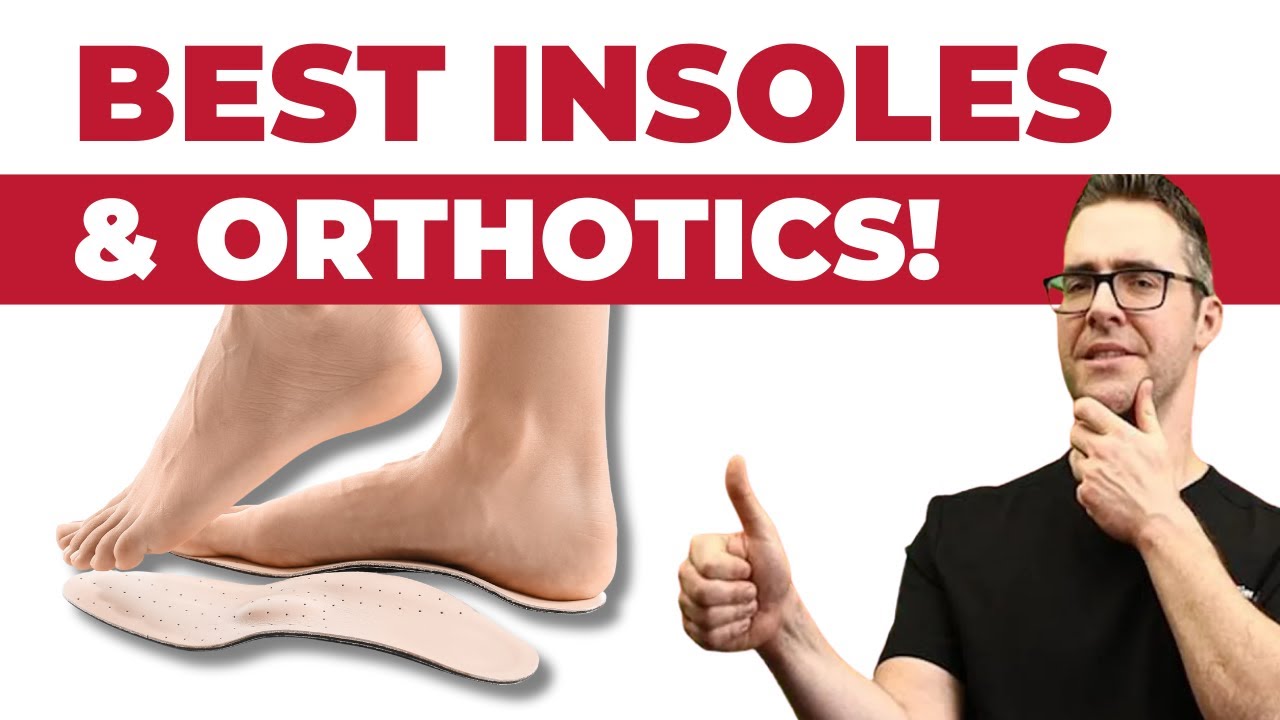
The most important clinical decision with Best Shoes Pregnancy Swollen Feet Wide Comfortable isn’t which treatment to start with — it’s identifying the correct subtype. That changes everything. Call (810) 206-1402.
How Pregnancy Changes Your Feet
Three biomechanical changes happen to virtually every pregnant woman’s feet. First, relaxin hormone (released to loosen pelvic ligaments for delivery) also loosens the ligaments in the foot — allowing the arch to flatten and the foot to lengthen and widen. Studies show that foot length increases by up to 1 cm during a first pregnancy, and these changes are often permanent. Second, edema (fluid retention) causes significant foot and ankle swelling, particularly in the third trimester. Third, weight distribution shifts increase pressure on the heel and forefoot with each step, raising the risk of plantar fasciitis and metatarsalgia.
What to Look for in Pregnancy Shoes
The ideal pregnancy shoe has four features: a wide toe box with extra width options (EE or EEE) to accommodate swelling without compression, adjustable closure (velcro, elastic, or adjustable straps) because feet swell throughout the day, arch support to manage the ligament laxity-driven arch flattening, and cushioned but stable midsole that absorbs impact without being so soft that it destabilizes the ankle in the third trimester.
Best Shoes for Pregnancy Swollen Feet (2026)
1. New Balance Fresh Foam 880v14 (Wide Width) — Best Overall Pregnancy Walking Shoe
Available in 2E and 4E widths for women, the Fresh Foam 880v14 provides excellent cushioning and a roomy toe box that accommodates significant swelling without the foot feeling constricted. The lace-up closure allows adjustment as swelling fluctuates. The plush Fresh Foam midsole absorbs the extra joint load of pregnancy weight. Around $135. Best for: daily walking, first through third trimester use, women with pre-existing flat feet.
2. Brooks Addiction Walker 2 — Best Arch Support During Pregnancy
For expectant mothers experiencing arch pain or plantar fasciitis during pregnancy, the Addiction Walker’s motion control construction and deep heel cup provide the support needed to manage relaxin-induced arch flattening. Available in wide widths. The Extended Progressive Diagonal Rollbar (PDRB) is one of the most effective motion control technologies available in a walking shoe. APMA Seal of Acceptance. Around $140. Best for: arch pain, plantar fasciitis during pregnancy, significant flat foot changes.
3. Hoka Bondi SR — Best Cushioned Option for Swelling and Joint Pain
The Bondi SR’s maximum cushioning reduces joint stress on hips, knees, and feet significantly — beneficial in late pregnancy when pelvic and leg joint discomfort is common. The slip-resistant sole makes it practical for varied environments. Available in wide widths. Around $165. Best for: third trimester, joint pain with walking, healthcare workers or those on feet all day during pregnancy.
4. Vionic Tide II Sandal — Best Warm-Weather Pregnancy Sandal
For summer pregnancies or women who can’t tolerate closed shoes due to swelling, the Vionic Tide II provides genuine podiatric arch support in an open sandal format. The adjustable strap accommodates daily swelling changes, and the biomechanical footbed controls the arch collapse that open sandals typically worsen. APMA Seal of Acceptance. Around $90. Best for: warm weather, significant edema, evening swelling management.
Key takeaway: If you wear the same shoe size during pregnancy as before, you’re likely in shoes that are too narrow and short. Most women need to go up at least half a size in length and one width (D to 2E) during the second and third trimester. Many women’s feet permanently remain larger after delivery — check your size again postpartum before returning to pre-pregnancy shoes.
⚠️ See a podiatrist during pregnancy if you have:
- Heel pain worst with first morning steps — plantar fasciitis is very common in pregnancy and treatable
- Sudden severe swelling in one leg more than the other — needs obstetric evaluation for DVT
- Numbness or tingling in the foot — tarsal tunnel syndrome is more common during pregnancy
- Painful bunions that have rapidly worsened — relaxin dramatically accelerates bunion progression
In-Office Treatment at Balance Foot & Ankle
If home treatment isn’t providing relief for your foot and ankle conditions, our podiatry team at Balance Foot & Ankle can help with same-day evaluations and advanced in-office care.
Same-day appointments available. (810) 206-1402
Doctor Hoy’s Natural Pain Relief Gel
Natural topical pain relief I use in our clinic. Arnica + camphor formula — apply directly to the area 3–4x daily. ($20–25)
Shop Doctor Hoy’s →Frequently Asked Questions
Will my feet go back to normal after pregnancy? Arch flattening and foot widening from a first pregnancy are often permanent — research shows that about 60–70% of women retain some increased foot length and width after their first pregnancy. Plan to remeasure your feet postpartum before purchasing shoes.
Is it safe to wear heels during pregnancy? We recommend avoiding heels above 1 inch during pregnancy. Elevated heels shift weight forward onto the metatarsals, worsen instability on loosened ankle ligaments, and increase fall risk. Wedge heels are safer than stilettos if some heel height is desired.
The Bottom Line
Pregnancy footwear is one of the most overlooked parts of prenatal self-care. The right shoe — wider, more cushioned, with adjustable closure and proper arch support — can prevent plantar fasciitis, reduce joint pain, and make the second and third trimester dramatically more comfortable. New Balance 880v14 wide is our top everyday pick. If you’re developing heel pain or arch pain during pregnancy, come in — safe, effective treatment options are available throughout all stages of pregnancy.
Sources
- Crofts G, Angin S, Mickle KJ. “Reliability of a foot measure instrument for women during pregnancy.” J Foot Ankle Res. 2014;7(1):18.
- Segal NA, et al. “Pregnancy leads to lasting changes in foot structure.” Am J Phys Med Rehabil. 2013;92(3):232–240.
- Vullo VJ, et al. “Lower extremity musculoskeletal pain during pregnancy.” J Orthop Sports Phys Ther. 1996;24(2):96–102.
- American Podiatric Medical Association. “Pregnancy and Your Feet.” 2023. https://www.apma.org
Ready to Get Relief?
Same-day appointments available in Howell & Bloomfield Township, MI
4.9★ | 1,123 Reviews | 3,000+ Surgeries
Or call: (810) 206-1402

Dr. Tom Biernacki, DPM is a board-certified foot & ankle surgeon (ABFAS & ABPM) at Balance Foot & Ankle Specialists in Southeast Michigan. With over a decade of clinical experience, he specializes in heel pain, bunions, diabetic foot care, sports injuries, and minimally invasive surgery. Dr. Biernacki is a member of the APMA and ACFAS, and his patient education content on MichiganFootDoctors.com and YouTube has made him one of the most-followed foot & ankle educators on YouTube.
More questions patients ask
Why do feet swell during pregnancy?
See our full guide from Dr. Tom Biernacki DPM at Balance Foot & Ankle, Howell & Bloomfield Township, MI.
What features should pregnancy shoes have?
See our full guide from Dr. Tom Biernacki DPM at Balance Foot & Ankle, Howell & Bloomfield Township, MI.
What are the best shoe brands for swollen pregnancy feet?
See our full guide from Dr. Tom Biernacki DPM at Balance Foot & Ankle, Howell & Bloomfield Township, MI.
When should a pregnant woman see a podiatrist for foot pain?
See Dr. Tom Biernacki at Balance Foot & Ankle — same-day appointments. Call (810) 206-1402. Howell & Bloomfield Township, MI.
Does insurance cover orthotics for pregnancy foot pain?
Most PPO and Medicare plans cover medically necessary foot care. We accept BCBS and most Michigan insurers. Call (810) 206-1402.
Still have a question about coverage or cost? Book online and we will check your benefits before your visit: Book in Howell · Book in Bloomfield Township. Prefer to talk it through first? Call (810) 206-1402.