
Medically reviewed by Dr. Tom Biernacki, DPM
Board-certified podiatric surgeon | Balance Foot & Ankle, Howell & Bloomfield Hills, MI
Last reviewed: May 2026

Quick answer: Cracked Heel Cream is a common foot/ankle topic that affects many patients. The 2026 evidence-based approach combines proper diagnosis, conservative-first treatment, and escalation only when needed. We treat this regularly at our Howell and Bloomfield Hills practices. Call (810) 206-1402.
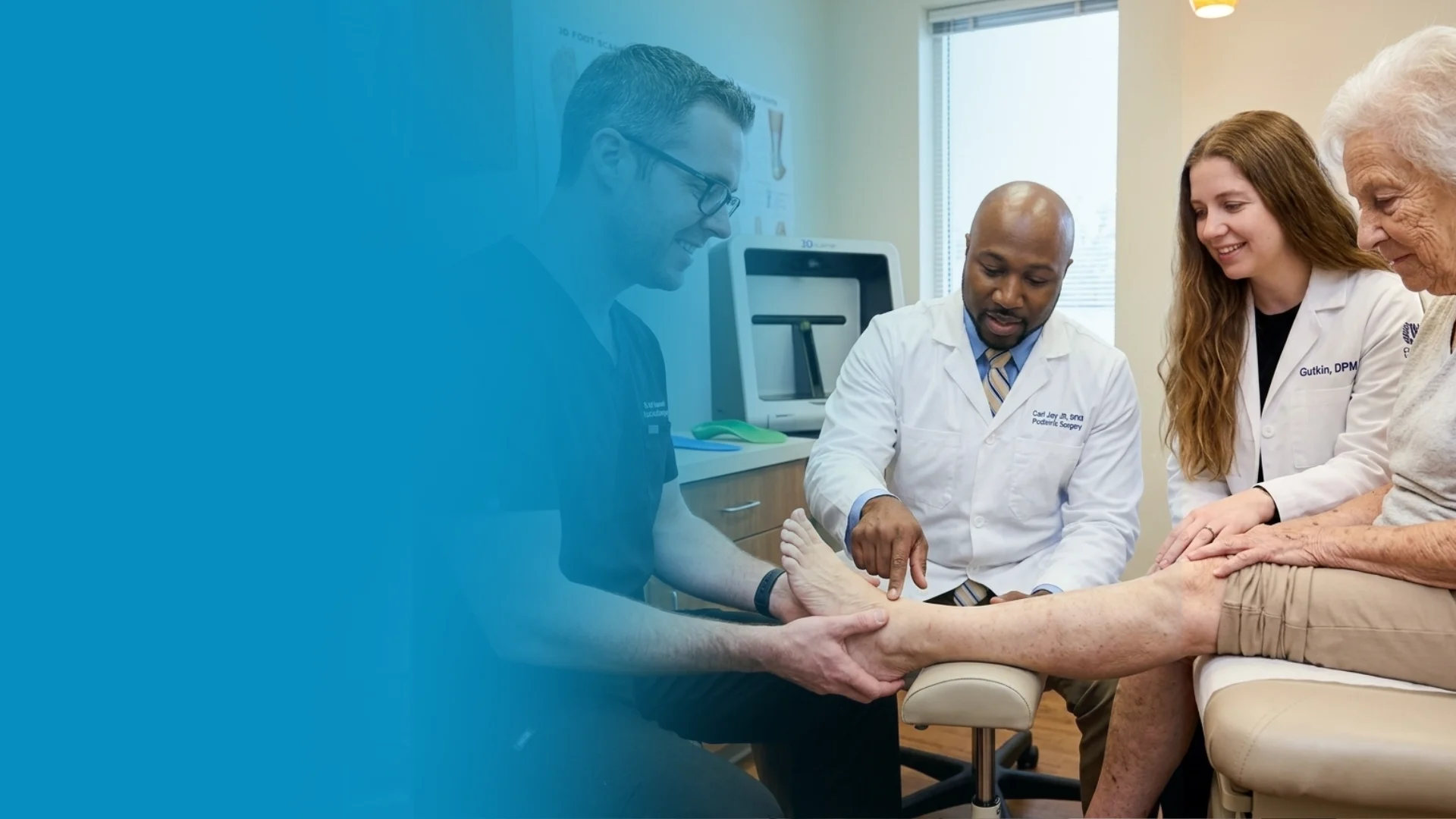
The most important clinical decision with Cracked Heel Cream isn’t which treatment to start with — it’s identifying the correct subtype. That changes everything. Call (810) 206-1402.
Best Cracked Heel Cream: Quick Answer
Cracked heels (heel fissures) affect 30-40% of adults, especially in winter. The wrong cream wastes weeks; the right cream heals fissures in 2-4 weeks. We treat thousands of cracked heels each year at Balance Foot and Ankle. Here are the 8 best cracked heel creams plus the application protocol that actually works.
What Causes Cracked Heels?
Heel fissures form when thick, dry skin loses elasticity and splits under pressure. Common causes: open-back shoes (mules, flip-flops), prolonged standing, low humidity (winter), inadequate hydration, diabetes, hypothyroidism, athletes foot, vitamin deficiencies (zinc, B vitamins), excess weight. Most cracks are painful; deep ones can bleed and become infected.
What to Look for in a Cracked Heel Cream
Urea 20-40%: The most effective ingredient – dissolves dead skin AND moisturizes. Lactic acid 10-12%: Alpha hydroxy acid for exfoliation + hydration. Salicylic acid 3-6%: Beta hydroxy acid for thick callus removal. Glycerin/Hyaluronic acid: Pure moisturizer base. Avoid petroleum jelly alone (no exfoliation), pumice cream (mostly marketing), products under 10% urea (insufficient).
1. CeraVe SA Cream for Rough and Bumpy Skin (Best Overall)
12% lactic acid + salicylic acid + ceramides. Pros: Available everywhere, $15, evidence-based formulation. Cons: May sting on open cracks. Apply 2x daily after bathing.
2. Eucerin Roughness Relief Cream (Best for Sensitive Skin)
10% urea + ceramides. Pros: Gentle, fragrance-free, $12. Cons: Lower urea concentration than ideal for severe cases. Best for prevention or mild fissures.
3. Kerasal Intensive Foot Repair (Best Marketed)
Salicylic acid + urea + glycerin + lactic acid. Pros: Multi-ingredient formula, foot-specific marketing, $10-$15. Cons: Slightly less concentrated than CeraVe SA. Apply nightly under socks.
4. AmLactin Daily Moisturizing Cream
12% lactic acid (ammonium lactate). Pros: Single-ingredient simplicity, dermatologist favorite, $15. Cons: Stings on raw skin. Best for prevention and mild-moderate cases.
5. Profoot Heel Rescue (Highest Urea OTC)
25% urea + glycerin. Pros: Highest OTC urea concentration, $10. Cons: Strong urea smell. Excellent for thick callused heels. Apply nightly under cotton socks.
6. ProForm Relief Foot Cream (Highest Urea Available)
40% urea cream (prescription-strength OTC). Pros: Maximum exfoliation power for severe fissures, $20. Cons: Can over-exfoliate sensitive skin. Use 2-3x weekly, then maintain with 20% urea.
7. Compound W Foot Cream
17% salicylic acid – aggressive exfoliation. Pros: Removes thickest callus, $10. Cons: NOT for diabetics (chemical burns). Use sparingly under occlusion.
8. Prescription Carmol-40 (40% urea)
For resistant cases that fail OTC. Pros: Strongest exfoliation available, prescription required. Cons: Insurance may not cover; pharmacy cost $30-$80. Excellent for chronic moderate-severe heel fissures.
Application Protocol That Actually Works
Step 1: Soak feet 10 minutes in warm water. Step 2: Gently file thick callus with pumice in one direction (NOT back-and-forth). Step 3: Pat dry. Step 4: Apply heel cream generously to heels and surrounding dry areas. Step 5: Wear cotton socks overnight (occlusion increases absorption 3-5x). Repeat nightly for 2-4 weeks for visible improvement.
When Cream Is Not Enough
See a podiatrist if: cracks are bleeding, signs of infection (redness, warmth, drainage), no improvement in 4 weeks, you are diabetic, deep painful fissures, or recurrent every season. We perform debridement, prescribe stronger creams, and address underlying causes (athletes foot, biomechanics, vitamin deficiency). Same-week appointments.
When Shoes Aren’t Enough — Dr. Tom’s Top 9 Orthotics
About 30% of patients I see for foot pain need MORE than a great shoe — they need a structured insole. Below: my complete 2026 orthotic ranking with pros, cons, and the specific patient I’d give each one to.


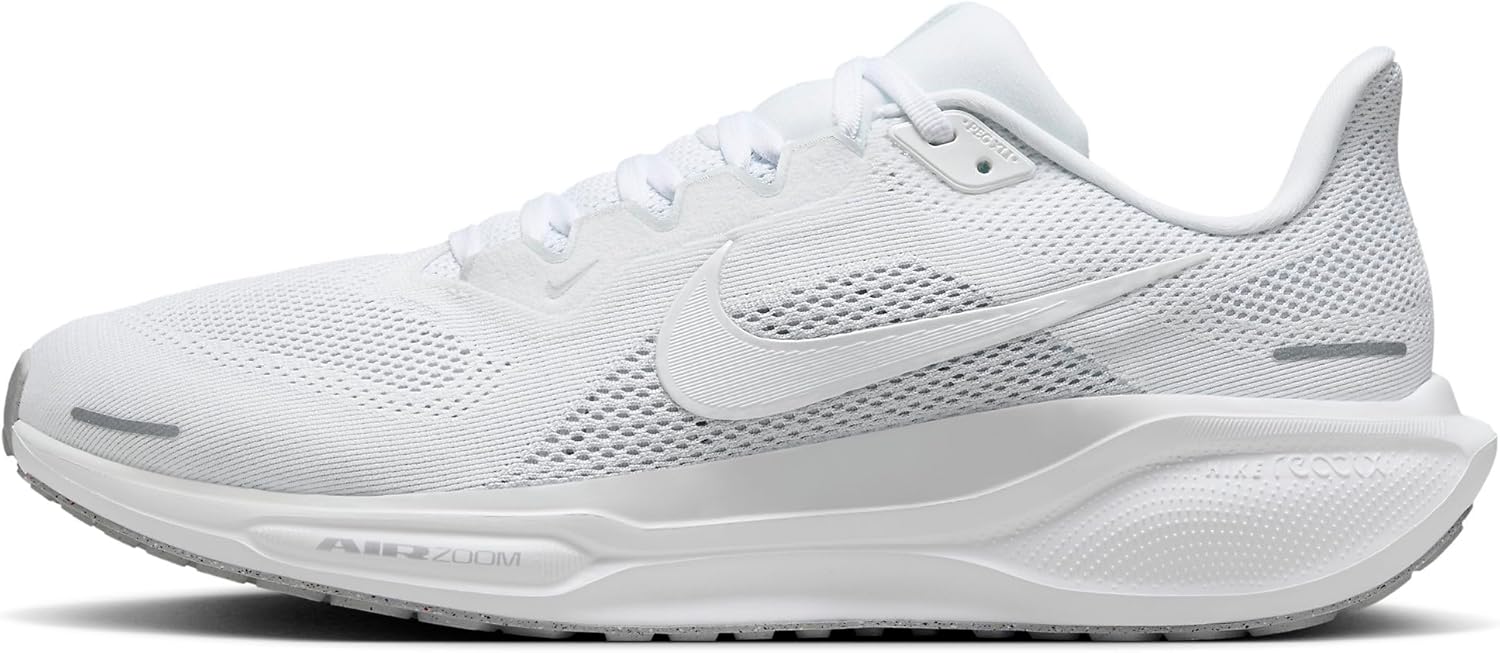


Podiatrist-Recommended Products


In-Office Treatment at Balance Foot & Ankle
If home treatment isn’t providing relief for your foot and ankle conditions, our podiatry team at Balance Foot & Ankle can help with same-day evaluations and advanced in-office care.
Frequently Asked Questions About Best Cracked Heel Cream
What is the best cracked heel cream?
CeraVe SA Cream (lactic acid + salicylic acid + ceramides) is our #1 OTC pick. For severe cases: 25-40% urea creams (Profoot Heel Rescue, ProForm Relief). Apply nightly under cotton socks for best results.
How quickly do cracked heel creams work?
Visible improvement in 1-2 weeks. Complete healing 3-6 weeks for moderate fissures. Severe deep fissures may take 2-3 months.
Should I use Vaseline on cracked heels?
Vaseline alone is inadequate – it moisturizes but does not exfoliate. Use a urea or lactic acid cream as primary treatment, then seal with Vaseline if very dry.
Why do cream and cream not work on my heels?
You may not be applying it consistently (need nightly), or your fissures are too thick for OTC strength. File the thick callus first, then apply cream, then wear socks overnight.
Can diabetics use cracked heel creams?
Yes – urea and lactic acid creams are safe for diabetics. AVOID salicylic acid (Compound W) which can cause chemical burns. Diabetics with deep cracks should see a podiatrist.
Should I file my cracked heels?
Yes – gently with a pumice stone or file in one direction (not back-and-forth) after soaking. Stop at the first sign of pink or pain. Do not use razors or scalpels at home.
What causes cracked heels?
Open-back shoes, dry climate, prolonged standing, dehydration, diabetes, hypothyroidism, athletes foot, vitamin deficiencies, and excess weight. Address underlying causes for permanent prevention.
Related Resources from Balance Foot & Ankle
⚕ Doctor Recommended
Doctor Hoy’s Natural Pain ReliefTopical relief for foot & ankle pain
View Product →What is Foot pain?
Foot pain is a common foot/ankle condition that affects mobility and quality of life. Understanding the underlying cause is the first step in successful treatment. Our podiatrists at Balance Foot & Ankle perform a hands-on biomechanical exam, review your activity history, and use diagnostic imaging when appropriate to identify the root cause—not just treat the symptom. Many patients have been told to “rest and ice” without a deeper diagnostic workup; our approach is different.
Symptoms and warning signs
Common signs of foot pain include pain that worsens with activity, morning stiffness, swelling, tenderness when palpated, and difficulty bearing weight. If you experience sudden severe pain, inability to walk, visible deformity, numbness or color change, contact our office the same day or visit urgent care—these can signal a more serious injury such as a fracture, tendon rupture, or vascular compromise. Diabetics with any foot wound should seek same-day care.
Conservative treatment options
Most cases of foot pain respond to non-surgical care: structured rest, supportive footwear changes, custom orthotics, targeted stretching and strengthening protocols, anti-inflammatory medications when medically appropriate, and in-office procedures such as ultrasound-guided injections. We also offer advanced therapies including MLS laser therapy, EPAT/shockwave, regenerative injections, and image-guided procedures. Treatment is sequenced from least invasive to most invasive, and we explain the rationale at every step.
When is surgery considered?
Surgery is reserved for cases that fail 3-6 months of well-structured conservative care, when there is structural pathology (severe deformity, complete tear, advanced arthritis), or when imaging shows damage that will not heal without intervention. Our surgeons have performed 3,000+ foot and ankle procedures and prioritize minimally-invasive techniques whenever appropriate. We discuss recovery timelines, return-to-activity milestones, and realistic outcome expectations before any procedure is scheduled.
Recovery timeline and prevention
Recovery from foot pain varies based on severity and chosen treatment path. Conservative cases often improve within 4-8 weeks with consistent adherence to the protocol. Post-procedural recovery may range from a few days (in-office procedures) to several months (reconstructive surgery). Long-term prevention involves footwear assessment, activity modification, structured strengthening, and regular check-ins with your podiatrist if you have a history of recurrence. We provide written home-exercise plans and digital follow-up support.
Ready to Get Relief?
Same-day appointments available in Howell & Bloomfield Hills, MI
4.9★ | 1,123 Reviews | 3,000+ Surgeries
Or call: (810) 206-1402

Dr. Tom Biernacki, DPM is a board-certified foot & ankle surgeon (ABFAS & ABPM) at Balance Foot & Ankle Specialists in Southeast Michigan. With over a decade of clinical experience, he specializes in heel pain, bunions, diabetic foot care, sports injuries, and minimally invasive surgery. Dr. Biernacki is a member of the APMA and ACFAS, and his patient education content on MichiganFootDoctors.com and YouTube has made him one of the most-followed foot & ankle educators on YouTube.