
Medically reviewed by Dr. Tom Biernacki, DPM
Board-certified podiatric surgeon | Balance Foot & Ankle, Howell & Bloomfield Township, MI
Last reviewed: May 2026

Quick answer: Foot Pain When Pregnant has multiple potential causes including mechanical, neurological, vascular, and inflammatory. The most common causes we identify are overuse, ill-fitting shoes, and biomechanical imbalance. Red flags requiring urgent evaluation: warmth/redness (infection), inability to bear weight (fracture), and unilateral swelling without injury (DVT). Call (810) 206-1402.
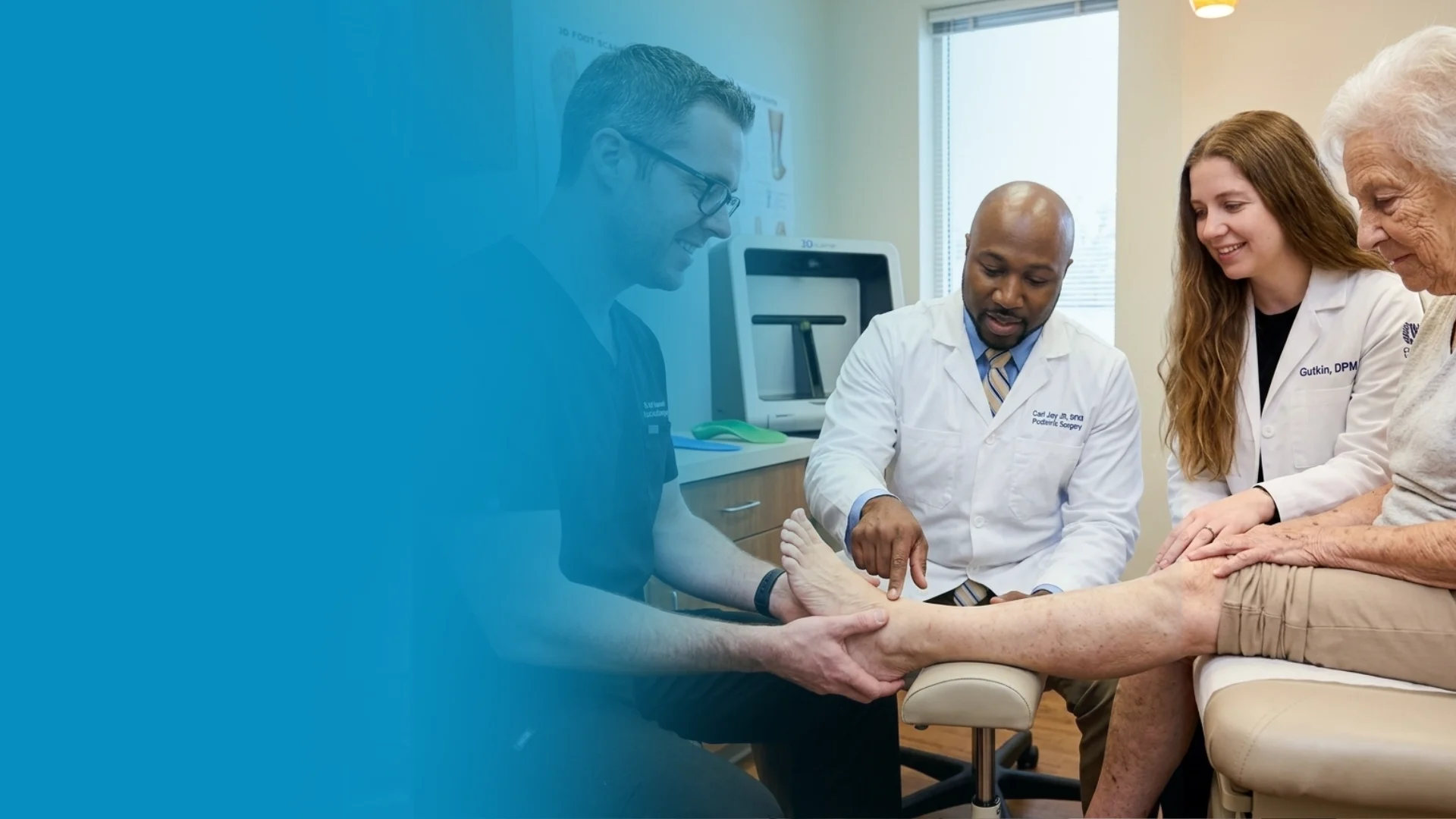
The most important clinical decision with Foot Pain When Pregnant isn’t which treatment to start with — it’s identifying the correct subtype. That changes everything. Call (810) 206-1402.
Foot Pain When Pregnant: Quick Answer
Foot pain during pregnancy affects 60-70% of women – and most treatments women try are not safe for the baby. We treat dozens of pregnant patients each year at Balance Foot and Ankle. Here are the 9 causes plus pregnancy-safe treatments by trimester.
Why Pregnancy Causes Foot Pain
Three pregnancy-specific factors increase foot pain risk: 1. Weight gain (25-35 lbs typical) increases foot loading 30-40%. 2. Relaxin hormone loosens ligaments throughout the body, including the arch supporters – causing flat-foot tendencies. 3. Fluid retention swells feet 1-2 sizes. Combined, these cause new pain in feet that were previously fine.
1. Plantar Fasciitis (Most Common)
The combination of weight gain, relaxin-loosened ligaments, and arch flattening triggers plantar fasciitis in 40-50% of pregnant women. Symptoms: Stabbing heel pain with first morning steps. Safe treatment: Stretching, ice, supportive shoes, OTC arch supports (Powerstep, Vionic), pregnancy-safe ibuprofen alternatives (Tylenol). AVOID NSAIDs after 20 weeks gestation.
2. Foot Swelling (Edema)
Normal in 75% of pregnancies, especially 3rd trimester. Causes: Increased blood volume, uterine compression of pelvic veins, decreased venous return. Safe treatment: Elevation 20+ minutes 3x daily, compression stockings (15-20mmHg, light to moderate), regular walking, hydration, low-sodium diet. Red flag: Sudden severe swelling with face/hands swelling = possible preeclampsia, call OB immediately.
3. Arch Pain and Flat Foot Development
Many women develop adult-acquired flat foot during pregnancy that persists postpartum. Cause: Relaxin + weight loosens posterior tibial tendon and arch ligaments. Safe treatment: Custom or quality OTC orthotics, supportive shoes with structured arch (Hoka, Brooks Adrenaline, New Balance 1080), avoid flat shoes/flip-flops, daily short-foot exercises.
4. Toenail Changes
Common changes: nail thickening, ingrown nails, increased fungal susceptibility. Causes: Hormonal changes affect nail growth and immunity. Safe treatment: Trim straight across (with help in late pregnancy when reaching toes is hard), wear properly fitting shoes (size up if needed), professional trimming at podiatrist if needed.
5. Ingrown Toenails
Pregnancy increases ingrown nail risk through swelling and shoe pressure. Safe treatment: Warm soaks 15 minutes 2x daily, cotton wedge under nail edge, properly fitting shoes, professional removal if infected. Lidocaine for procedures is safe in pregnancy in small doses. Avoid oral antibiotics unless infection severe (cephalexin if needed).
6. Calf Cramps
Affect 30-40% of pregnant women, especially 3rd trimester. Causes: Magnesium/calcium changes, fluid shifts, vascular changes, weight. Safe treatment: Calf stretching before bed, hydration, magnesium glycinate 200mg at bedtime (safe in pregnancy), warm bath before bed, leg elevation.
7. Sciatica and Numbness
Compression of sciatic nerve from growing uterus causes radiating pain into legs/feet. Safe treatment: Sleep on left side with pillow between knees, prenatal yoga, swimming/aqua aerobics, pregnancy-safe physical therapy, avoid sitting cross-legged.
8. Restless Leg Syndrome
Affects 20-30% of pregnancies, especially 3rd trimester. Treatment: Iron supplementation if low ferritin, magnesium 200mg at bedtime, warm baths, leg massage, regular exercise. Avoid caffeine and stimulants. Resolves postpartum in most cases.
9. Foot Size Increase
Many women permanently gain a half-shoe-size during pregnancy from arch flattening. Plan ahead: measure feet in 2nd and 3rd trimester, buy shoes a half-size larger when needed, accept that some pre-pregnancy shoes may not fit again.
Trimester-Specific Approach
1st trimester: Most foot pain is hormonal/circulatory; minimal weight gain. Treatment focus: hydration, supportive shoes, awareness. 2nd trimester: Pain increases with weight; orthotic intervention is timely. Treatment focus: orthotics, stretching, swelling management. 3rd trimester: Maximum pain and swelling; safety paramount. Treatment focus: rest, elevation, supportive shoes, professional care if concerning. Same-week appointments for pregnant patients.
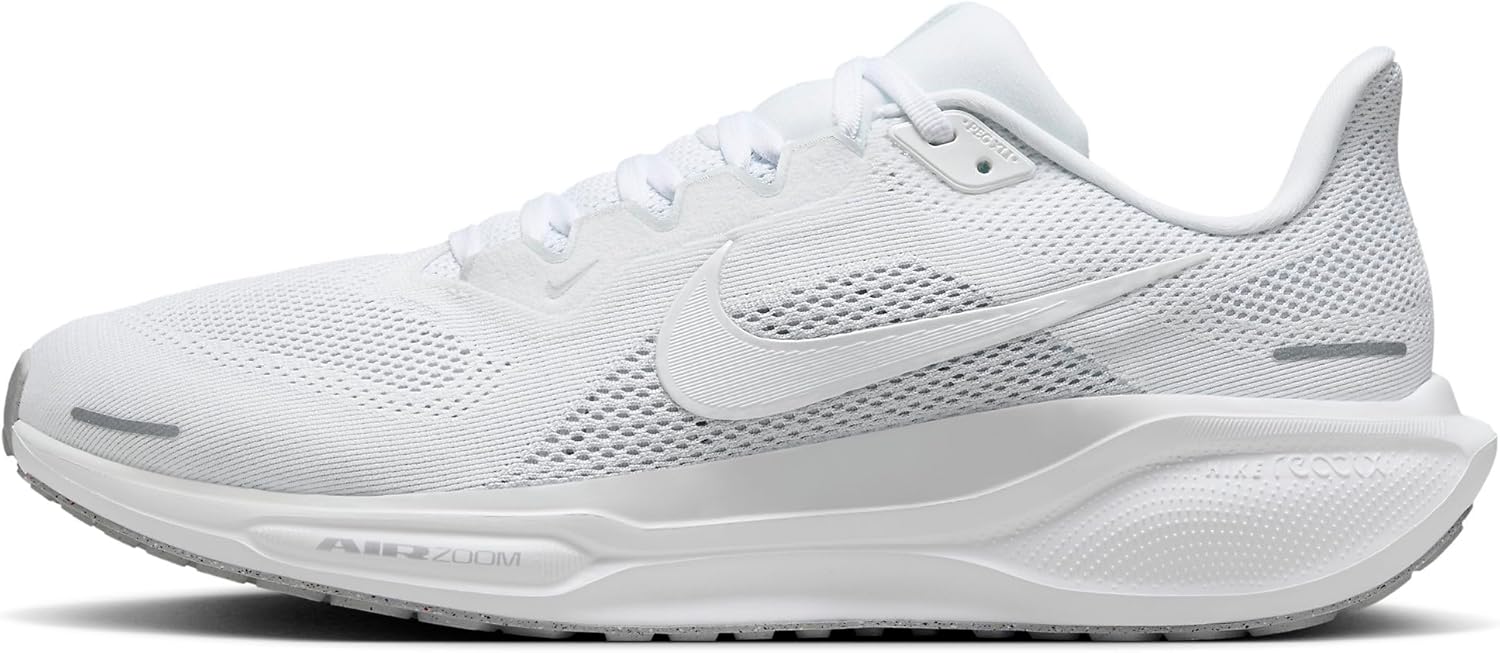
When Shoes Aren’t Enough — Dr. Tom’s Top 9 Orthotics
About 30% of patients I see for foot pain need MORE than a great shoe — they need a structured insole. Below: my complete 2026 orthotic ranking with pros, cons, and the specific patient I’d give each one to.




In-Office Treatment at Balance Foot & Ankle
If home treatment isn’t providing relief for your foot and ankle conditions, our podiatry team at Balance Foot & Ankle can help with same-day evaluations and advanced in-office care.
Frequently Asked Questions About Foot Pain When Pregnant
Is foot pain normal during pregnancy?
Yes – 60-70% of pregnant women experience foot pain. Most causes are benign and treatable. Persistent severe pain or sudden swelling warrants evaluation.
What is the best shoe for pregnancy foot pain?
Hoka Bondi (maximum cushion), Brooks Adrenaline (stability), New Balance 1080 (wide widths), Vionic Tide (sandals). All have arch support and accommodate orthotics.
Are orthotics safe during pregnancy?
Yes – both OTC and custom orthotics are safe in all trimesters. They reduce arch strain and prevent persistent flat-foot development.
Can I take ibuprofen for pregnancy foot pain?
Tylenol (acetaminophen) is preferred. Ibuprofen should be avoided after 20 weeks gestation due to fetal kidney concerns. Talk to your OB before any medications.
Will my feet return to normal size after pregnancy?
Some swelling resolves within 6-8 weeks postpartum. However, 50% of women have permanently larger feet (usually 0.5 size) due to arch flattening that does not fully reverse.
Are cortisone injections safe in pregnancy?
Generally avoided in pregnancy unless absolutely necessary. Conservative care first; if injection needed, use local anesthetic + steroid only at minimum effective doses with OB approval.
When should I worry about pregnancy foot swelling?
Sudden severe swelling, swelling of face/hands, headaches, or visual changes can indicate preeclampsia – call your OB immediately. Otherwise normal pregnancy edema is uncomfortable but not dangerous.
Related Resources from Balance Foot & Ankle
⚕ Doctor Recommended
Doctor Hoy’s Natural Pain ReliefTopical relief for foot & ankle pain
View Product →What is Foot pain?
Foot pain is a common foot/ankle condition that affects mobility and quality of life. Understanding the underlying cause is the first step in successful treatment. Our podiatrists at Balance Foot & Ankle perform a hands-on biomechanical exam, review your activity history, and use diagnostic imaging when appropriate to identify the root cause—not just treat the symptom. Many patients have been told to “rest and ice” without a deeper diagnostic workup; our approach is different.
Symptoms and warning signs
Common signs of foot pain include pain that worsens with activity, morning stiffness, swelling, tenderness when palpated, and difficulty bearing weight. If you experience sudden severe pain, inability to walk, visible deformity, numbness or color change, contact our office the same day or visit urgent care—these can signal a more serious injury such as a fracture, tendon rupture, or vascular compromise. Diabetics with any foot wound should seek same-day care.
Conservative treatment options
Most cases of foot pain respond to non-surgical care: structured rest, supportive footwear changes, custom orthotics, targeted stretching and strengthening protocols, anti-inflammatory medications when medically appropriate, and in-office procedures such as ultrasound-guided injections. We also offer advanced therapies including MLS laser therapy, EPAT/shockwave, regenerative injections, and image-guided procedures. Treatment is sequenced from least invasive to most invasive, and we explain the rationale at every step.
When is surgery considered?
Surgery is reserved for cases that fail 3-6 months of well-structured conservative care, when there is structural pathology (severe deformity, complete tear, advanced arthritis), or when imaging shows damage that will not heal without intervention. Our surgeons have performed 3,000+ foot and ankle procedures and prioritize minimally-invasive techniques whenever appropriate. We discuss recovery timelines, return-to-activity milestones, and realistic outcome expectations before any procedure is scheduled.
Recovery timeline and prevention
Recovery from foot pain varies based on severity and chosen treatment path. Conservative cases often improve within 4-8 weeks with consistent adherence to the protocol. Post-procedural recovery may range from a few days (in-office procedures) to several months (reconstructive surgery). Long-term prevention involves footwear assessment, activity modification, structured strengthening, and regular check-ins with your podiatrist if you have a history of recurrence. We provide written home-exercise plans and digital follow-up support.
Foot Health & Care Resource Center (American Podiatric Medical Association)
Ready to Get Relief?
Same-day appointments available in Howell & Bloomfield Township, MI
4.9★ | 1,123 Reviews | 3,000+ Surgeries
Or call: (810) 206-1402

Dr. Tom Biernacki, DPM is a board-certified foot & ankle surgeon (ABFAS & ABPM) at Balance Foot & Ankle Specialists in Southeast Michigan. With over a decade of clinical experience, he specializes in heel pain, bunions, diabetic foot care, sports injuries, and minimally invasive surgery. Dr. Biernacki is a member of the APMA and ACFAS, and his patient education content on MichiganFootDoctors.com and YouTube has made him one of the most-followed foot & ankle educators on YouTube.